






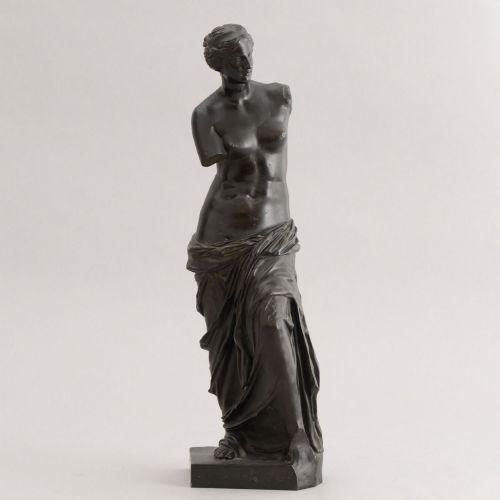

Dark Bronze Female Figure
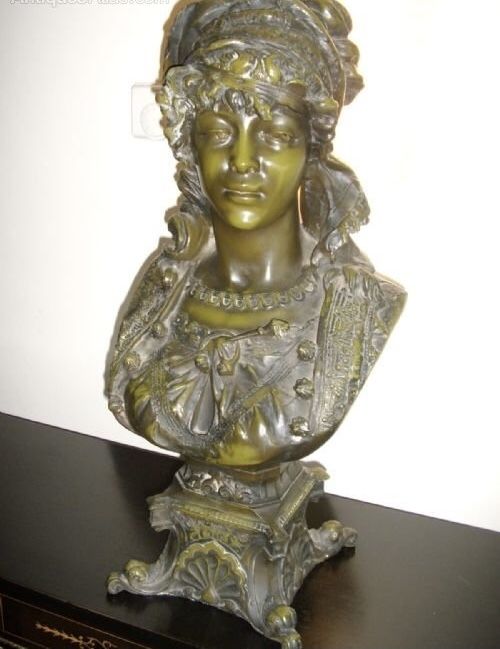
A dark bronze female figure brings sculptural presence and classical grace to an interior, drawing the eye with rich patination and expressive form.

Dark Bronze Female Figure
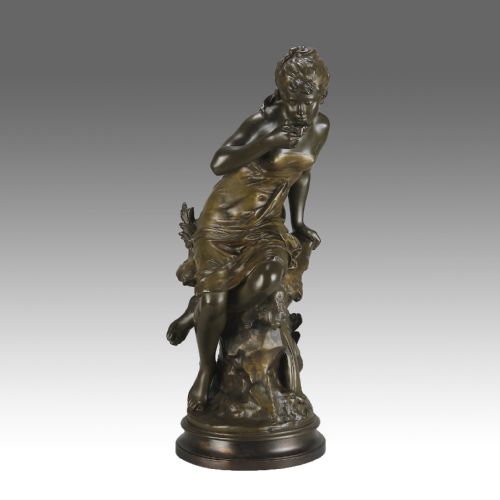
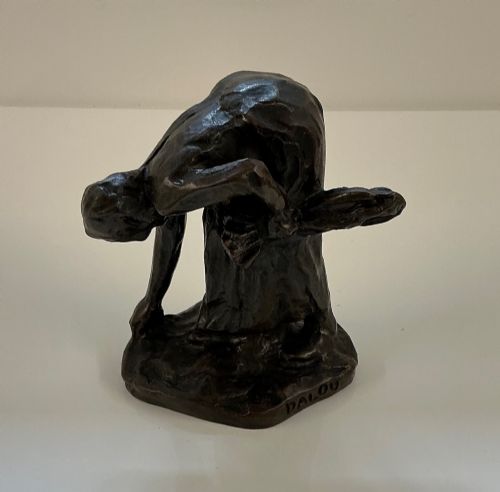
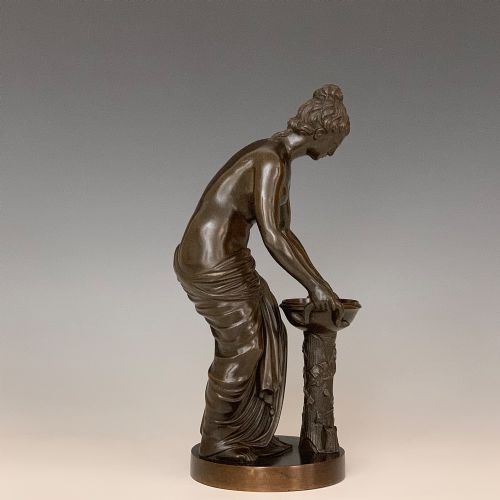
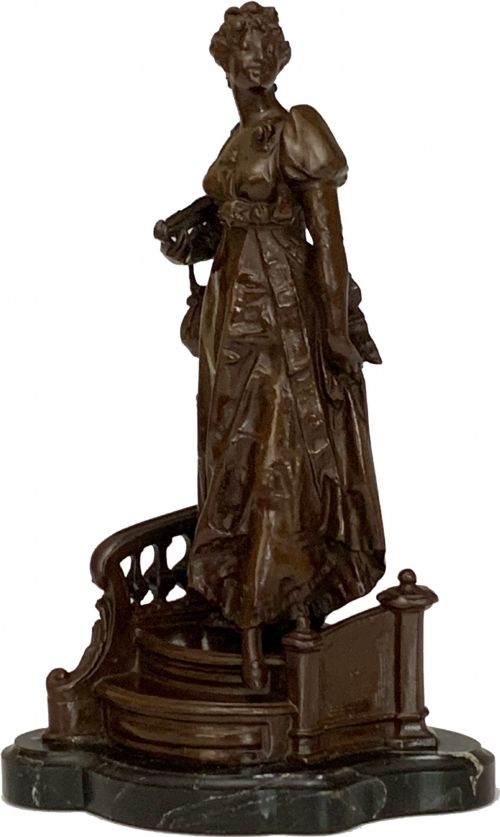
A dark bronze female figure spans classical deities, allegorical maidens, and dynamic dancers created across the nineteenth and early twentieth centuries. These sculptures range from intimate cabinet statuettes to monumental gallery pieces, often capturing the human form in motion or repose.
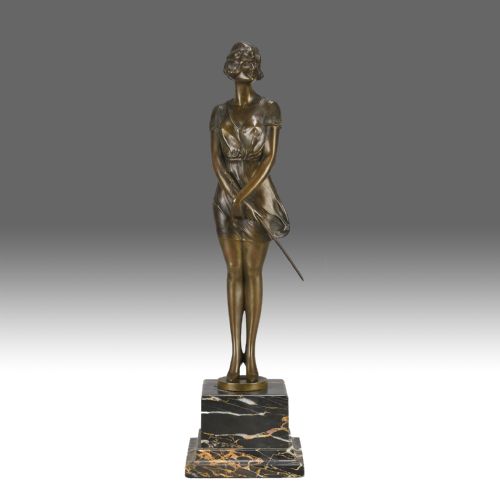
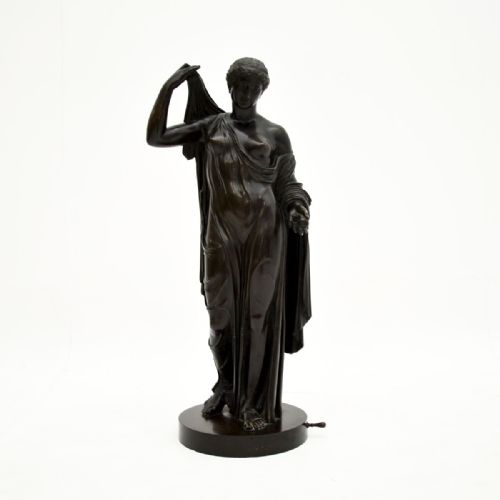
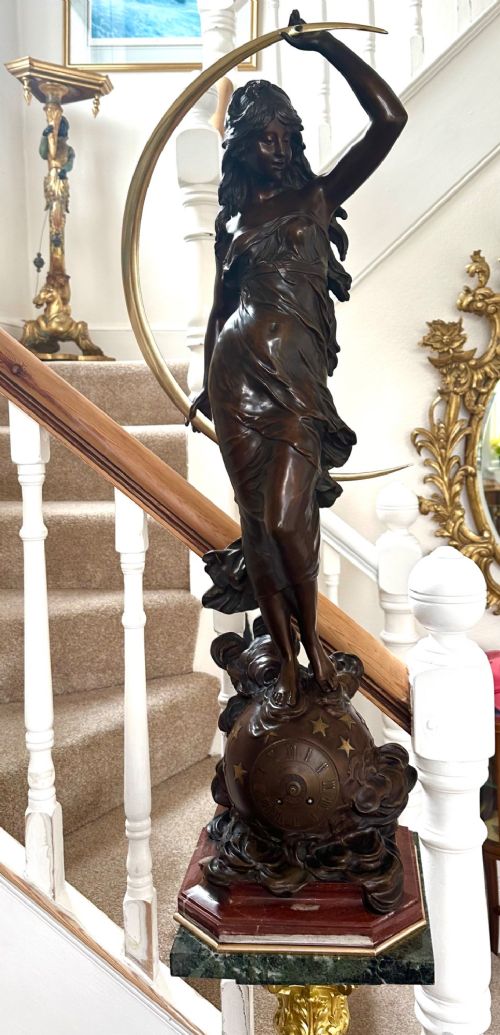
Nineteenth-century examples frequently draw on neoclassical mythology, depicting figures such as Venus, Selene, or robed ladies influenced by Grand Tour traditions. Later works shift toward Art Nouveau fluidity and Art Deco stylisation, showing dancers, harpers, and modernist studies.
French foundries dominate the selection, producing works designed for domestic display on mantelpieces, pedestals, or bespoke marble stands. Buyers encounter both signed editions by named sculptors and anonymous studio casts from the Victorian and Edwardian eras.
Materials and casting
A dark bronze female figure is typically produced using the lost-wax casting method, which captures intricate details in hair, drapery, and musculature. Molten bronze is poured into a prepared mould, creating a durable metallic body ready for surface finishing.
The characteristic dark surface is achieved through chemical patination, which deepens the bronze tone through applied heat and acids. Many pieces incorporate secondary elements, resting upon heavy marble, slate, or stone bases that provide stability and visual contrast.
Several ladies depicted in these bronzes balance precariously on starfish, hoops, or musical harps without losing their poise.
Casting and finish
Quality in a dark bronze female figure lies in the crispness of the chase work, where artisans refine the raw metal surface with chisels and files. Superior castings preserve subtle facial expressions, delicate fingers, and the natural fall of cloth without soft edges or obscured details.
The depth and uniformity of the dark patination contribute significantly to the visual success of the sculpture, enhancing contours rather than masking imperfections. Furthermore, the integration of the bronze figure with its original marble or stone base indicates the care taken during initial workshop assembly.
Ferdinand Barbedienne·Bruno Zach·Mathurin Moreau·Edouard Drouot·Demetre H. Chiparus
The Dark Bronze Female Figure Glossary
- Patination
- The coloration of the metal surface achieved through chemical treatments or natural oxidation. This process produces the deep dark tones characteristic of antique bronzes and protects the underlying alloy.
- Lost-wax casting
- A traditional manufacturing method where a wax model is melted out of a ceramic mould to leave a cavity for molten bronze. This technique allows for complex undercuts and fine sculptural detail.
- Grand Tour
- A cultural journey undertaken by European elites who collected small classical sculptures as souvenirs. These 19th-century bronze reductions emulate famous antiquities found in Italian museums.
- Regency
- A British design period spanning the early 19th century known for classical revival motifs. Pieces from this era often display severe architectural lines and refined sculptural proportions.
- Chasing
- The manual post-casting process of refining a bronze sculpture using hammers and punches. Skilled chiselling sharpens textures and removes casting flaws.
Dark Bronze Female Figure: Frequently Asked Questions
What is a dark bronze female figure?
A dark bronze female figure is a cast metal sculpture depicting women from mythology, history, or daily life with a deep patinated finish. These works span academic neoclassical studies to modernist Art Deco interpretations.
Created primarily in European foundries during the nineteenth and early twentieth centuries, they serve as decorative table sculptures or significant focal points in period interiors.
How were these bronzes displayed originally?
These sculptures were designed to sit prominently on mantelpieces, library tables, or dedicated pedestals within domestic drawing rooms. Many incorporate heavy stone or marble bases to anchor their weight and elevate the metallic form.
Larger gallery editions often stood on architectural torcheres or specially constructed stands to command attention within a grand hallway or salon.
How do I care for a bronze figure?
Maintenance requires gentle dusting with a soft, dry cloth to prevent particulate buildup on the patinated surface. Avoid liquid cleaners, abrasives, or modern waxes that can strip the chemical patina.
Keeping the sculpture away from direct moisture and extreme temperature fluctuations preserves the integrity of both the metal and any associated marble base.
How do I distinguish nineteenth-century works from later pieces?
Nineteenth-century examples often lean towards neoclassical or romantic subjects with meticulous chasing and heavy bases. Art Nouveau and Art Deco pieces from the early twentieth century introduce stylised geometries, slender dancer silhouettes, and different patination tones.
Foundry marks, signatures cast into the metal, and stylistic shifts in costume and posture help place a sculpture within its specific historical era.