





French Bronze Female Nude
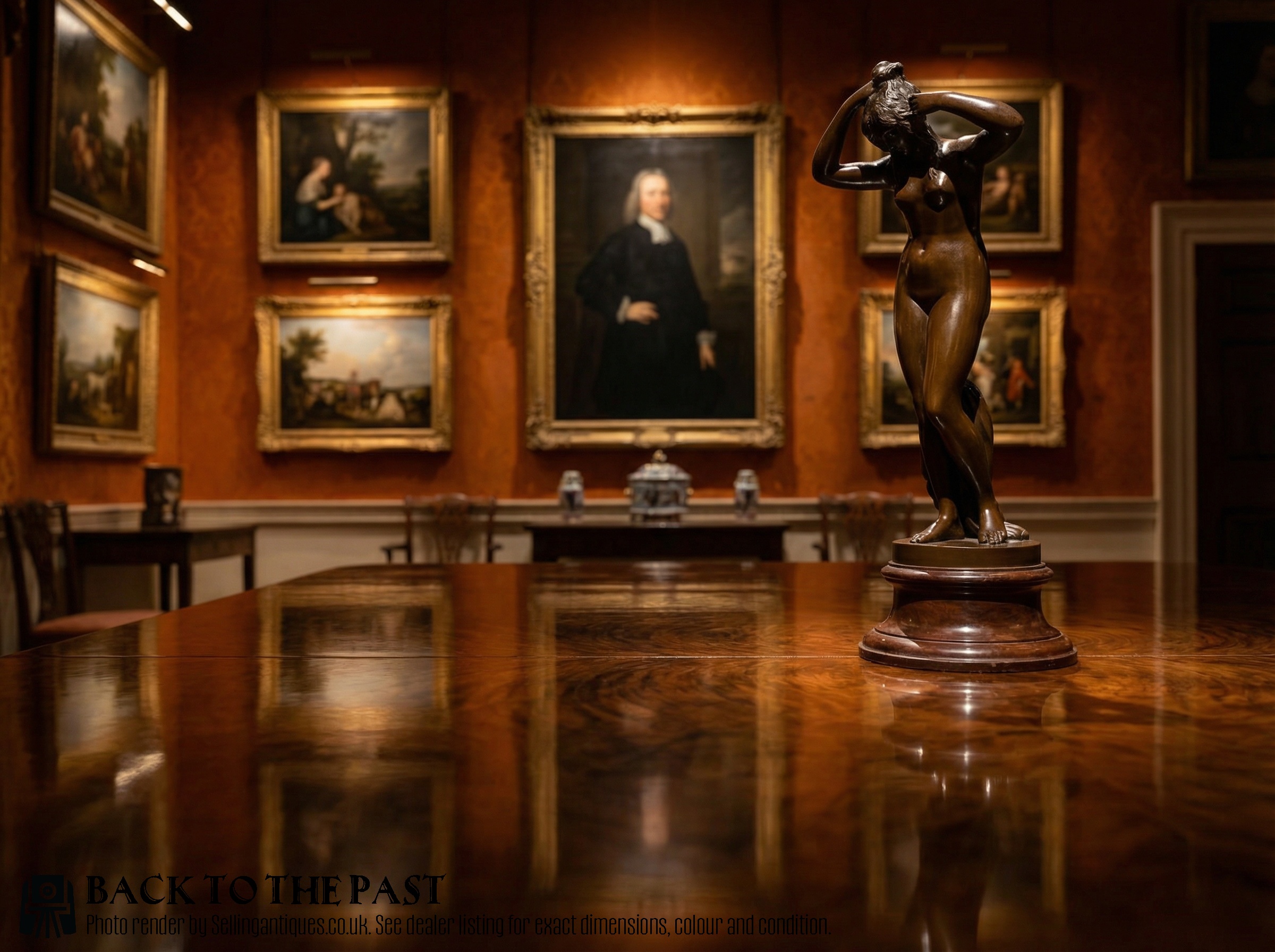
French bronze female nude sculptures capture the human form through cast metal, bringing classical poise and modernist movement into interior spaces.
French Bronze Female Nude
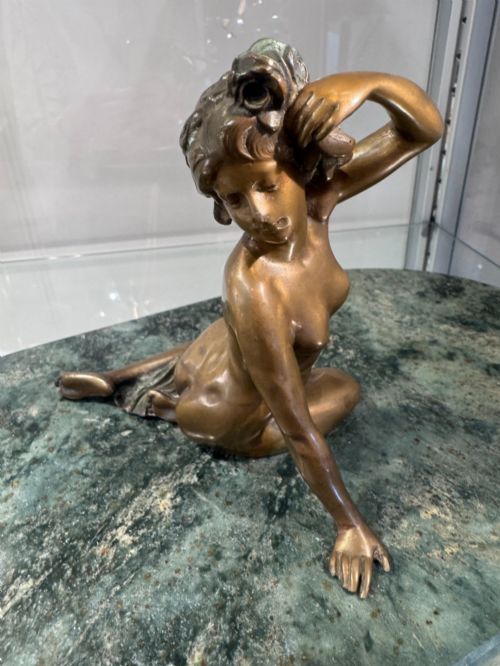
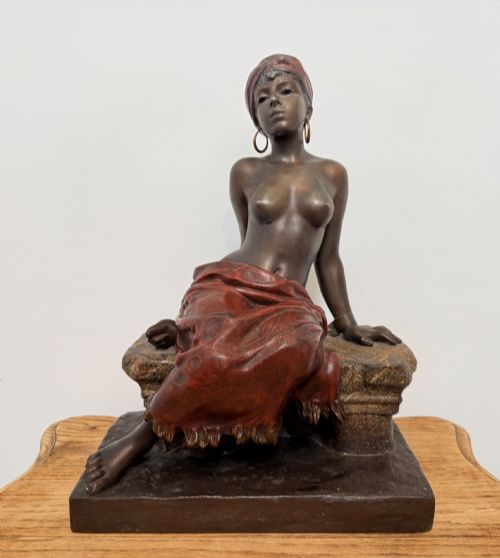
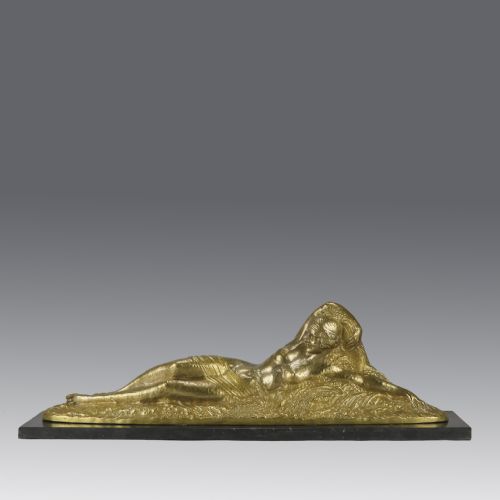
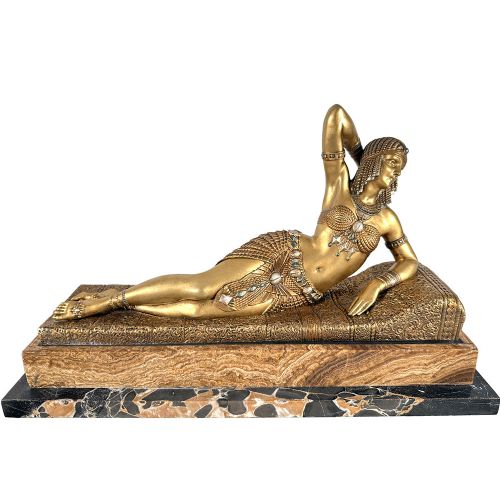
A search for a french bronze female nude reveals sculptural works ranging from nineteenth-century classical interpretations to nineteen-thirties modernist dancer studies. Buyers encounter seated figures, standing maidens, and reclining subjects cast by prominent foundries and independent sculptors. The examples on this page span diverse aesthetic movements, including Neoclassical, Art Nouveau, and Art Deco styles.
Nineteenth-century pieces often draw directly from classical antiquity, depicting mythological subjects, bathers, and allegorical figures with smooth patination and detailed realism. Conversely, later twentieth-century works embrace stylised geometries, dynamic dancer poses, and sleek modernist lines.
Beyond standalone sculptures, the evidence shows these female nudes incorporated into functional decorative objects such as table lamps, bookends, and vases. Materials frequently extend beyond simple metal to combine bronze with marble, onyx, slate, and stone bases.
Materials and casting techniques
The primary material is bronze, cast using traditional techniques and finished with various surface treatments. Foundries applied dark patination, silvering, or gilding to create distinct tonal effects across the skin and drapery of the figures.
Sculptures are frequently mounted on heavy architectural bases made from contrasting materials like marble, onyx, and slate. These stone mounts provide stability while enhancing the visual weight and proportion of the bronze figures.
Listings feature works from the nineteenth century alongside nineteen-twenties Art Deco pieces, combining bronze with marble and onyx bases.
Distinguishing quality in cast figures
The sophistication of the foundry mark or artist signature contributes to desirability, particularly when associated with established Parisian foundries like Barbedienne or Susse Freres. The integration of the bronze figure with its original stone or marble base further elevates the integrity of the piece.
Ferdinand Barbedienne·Demetre Chiparus·Pierre le Faguays·James Pradier·E Villanis·Hebrard
The French Bronze Female Nude Glossary
- Patina
- The surface coloration and chemical sheen developed naturally over time or applied artificially by the foundry. This finish protects the bronze while defining highlights and shadows across the nude form.
- Cire perdue
- The lost-wax casting method that allows for intricate anatomical detail and undercut forms. This technique ensures that each cast retains the nuanced texture of the sculptor's original model.
- Chasing
- The meticulous post-casting process of refining the metal surface with chisels and punches. Skilled artisans use this step to remove casting flaws and sharpen fine lines.
- Grand Tour
- A nineteenth-century tradition of collecting scaled-down bronze reductions of classical antiquities. These souvenirs brought iconic museum sculptures into private domestic interiors.
- Regulator
- A term occasionally associated with clockmaking, though distinct from these decorative sculptural castings.
French Bronze Female Nude: Frequently Asked Questions
What periods do these bronze nudes cover?
The pieces span from the mid-nineteenth century through the nineteen-thirties. Early examples reflect nineteenth-century classical and academic traditions.
Later works embrace the fluid curves of Art Nouveau and the sharp geometric stylisation of Art Deco.
How were these bronze sculptures mounted?
Many figures are secured to heavy architectural bases constructed from marble, onyx, slate, or stone. These plinths provide essential physical stability for standing and reclining figures.
They also serve an aesthetic purpose by framing the metallic tones of the bronze sculpture.
Are all these pieces standalone statues?
While the majority are independent sculptures, some items serve functional domestic purposes. The selection includes figural table lamps, bookends, and decorative vases featuring nude motifs.
These functional objects combine practical utility with sculptural artistry.
How do I distinguish Art Nouveau from Art Deco figures?
Art Nouveau pieces, produced around nineteen-hundred, typically feature organic flowing lines, long hair, and naturalistic floral motifs. They emphasise graceful, sinuous movement.
Art Deco works from the nineteen-twenties and thirties display sharp angles, stylised drapery, and dynamic poses often inspired by dancers and athletes.