

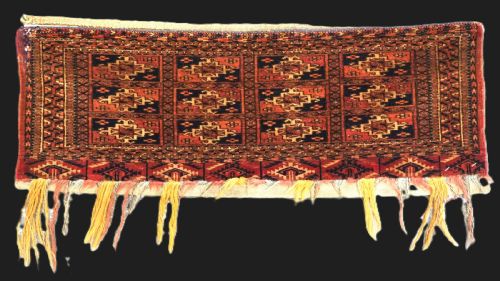
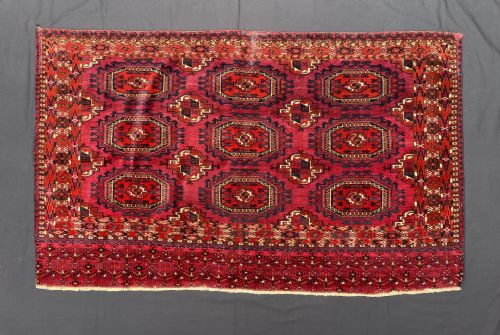


Crimson Tribal Rug Bag
When you explore a crimson tribal rug bag, you find utilitarian nomad weaving turned into striking domestic art.
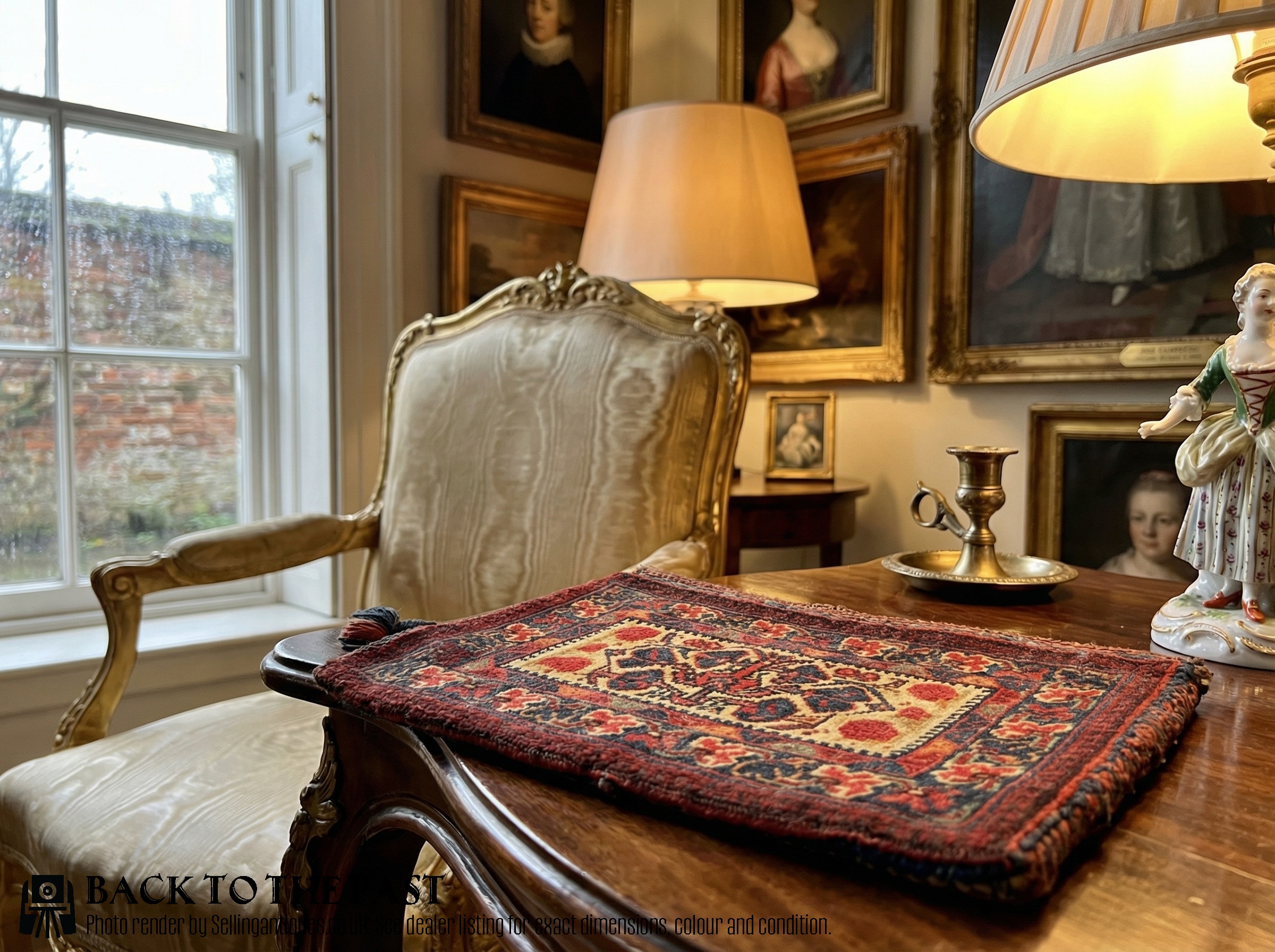
Crimson Tribal Rug Bag
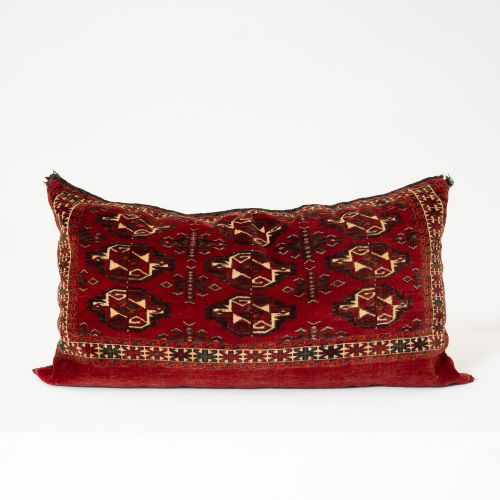
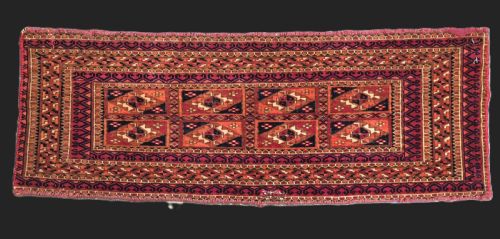
A crimson tribal rug bag represents functional nomadic containers utilised across Central Asia and Persia during the nineteenth and early twentieth centuries. These woven items include storage sacks, tent bags, and personal pouches made by tribal groups such as the Turkmen, Yomut, Tekke, Saryk, Ersari, and Luri peoples.
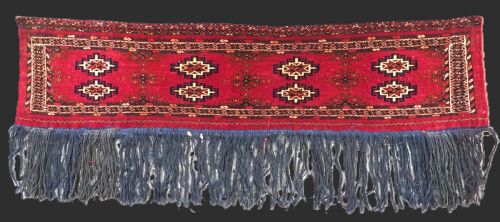
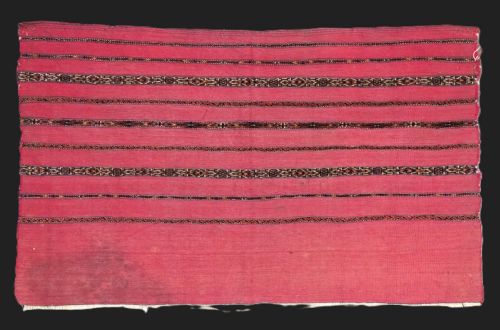
Buyers will most frequently encounter bag faces, complete torbas, and chuvals originating from Turkmen tribes. The selection ranges from fragments and complete pieces with original plain weave backs to cushion adaptations and dowry weaving.
The dominant crimson ground colour unites these utilitarian objects, which served practical roles in nomadic settlements before entering the antique textile market.
How they were made
Weavers utilised hand-spun wool for the foundational pile and structure, often incorporating cotton, linen, silk, and leather for specific details or backing. Natural dyes provided the deep red and crimson tones characteristic of these nomadic textiles.
The construction relied on dense knotting to create durable surfaces capable of withstanding daily use in camp environments. Finer examples display meticulous knot counts and precise geometric drawing executed on vertical looms.
Nomadic weavers packed spare clothes into these bags, entirely unaware their utilitarian storage boxes would one day grace modern walls.
What varies in quality
Quality rests upon the fineness of the weave, the precision of the tribal guls, and the depth of the natural dye palette. Superior examples display exceptionally tight knotting and clear, uncrowded drawing.
The presence of an original plain weave back or hanging loops elevates an example, as does structural integrity across the pile. Balance in the secondary colours and sharpness in motifs such as the Salor gul separate ordinary work from master weaving.
The Crimson Tribal Rug Bag Glossary
- Torba
- A small Turkmen wall hanging or storage bag used within the yurt. These rectangular pieces frequently feature primary guls arranged in rows.
- Chuval
- A large Turkmen tent storage bag designed for bedding and household goods. They often present multiple rows of major guls on a red field.
- Gul
- A repeating medallion or primary motif used in Turkmen carpet design. Each tribal group utilised distinct gul patterns to signal lineage.
- Mafrash
- A rectangular storage bag or trapper face utilised for transporting goods on pack animals. They form part of the broader nomadic bedding container tradition.
- Kap
- A general term for a Turkmen bag or container. These items were woven for domestic storage and transport in Central Asia.
Crimson Tribal Rug Bag: Frequently Asked Questions
What was a tribal bag used for?
Nomadic families utilised these woven containers inside tents for storing clothing, bedding, and household possessions. They served as functional storage rather than decorative floor coverings.
Many bags hung against lattice walls or rode upon pack animals during seasonal migrations.
How do you date an antique torba?
Dating relies on examining the wool quality, natural dye saturation, and structural characteristics of the weave. Earlier nineteenth-century examples typically show softer hand-spun wool and deeper, more complex dye variations.
Structural wear and the specific drawing style of the guls provide further clues to the period of origin.
What is the difference between a torba and a chuval?
A torba is a smaller storage bag or wall hanging, while a chuval is a much larger tent bag designed for bulky bedding. Chuvals generally display more rows of primary guls due to their larger surface area.
Both forms share the characteristic crimson field and tribal weaving techniques.
How should I display a textile bag face?
Many collectors mount these flat textile pieces securely onto neutral fabric panels for wall display. This method distributes the weight evenly and protects the old wool structure from strain.
Keeping them away from direct sunlight preserves the natural crimson dyes.