





Vintage Afshar Textile
These vintage afshar textile pieces are hand-woven tribal works from South Persia, offering rich patterns and authentic nomadic history for your floors and walls.
Vintage Afshar Textile
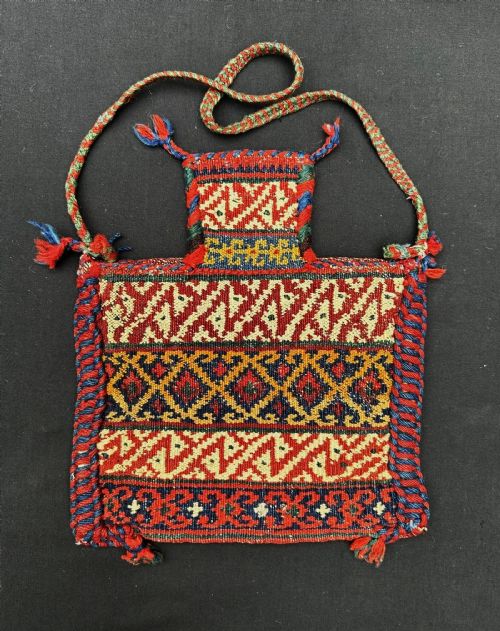
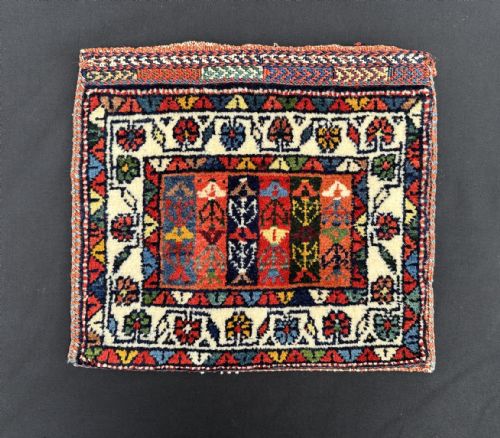
When you search for a vintage afshar textile, you encounter authentic Persian tribal weavings originating primarily from the Kerman province. The items on this page span from the late nineteenth century into the early decades of the twentieth century, reflecting traditional nomadic craftsmanship.
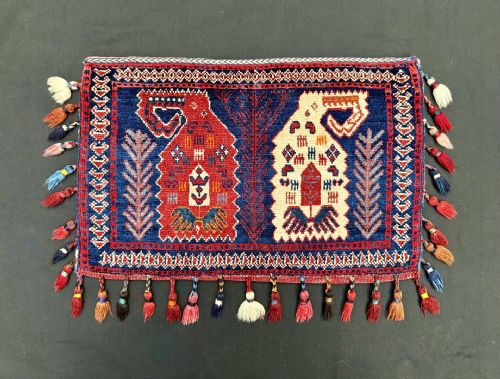
The aesthetic is distinctly Persian tribal, often featuring large boteh motifs, geometric designs, and rich wool construction. Collectors value these textiles for their functional origins and the tangible link they provide to South Persian nomadic heritage.
How they were made
The makers relied on wool and cotton, frequently utilising hand-spun wool that imparts a varied texture and tactile depth to the surface. Natural dyes provide the enduring colour palette observed across these tribal rugs and flatweaves.
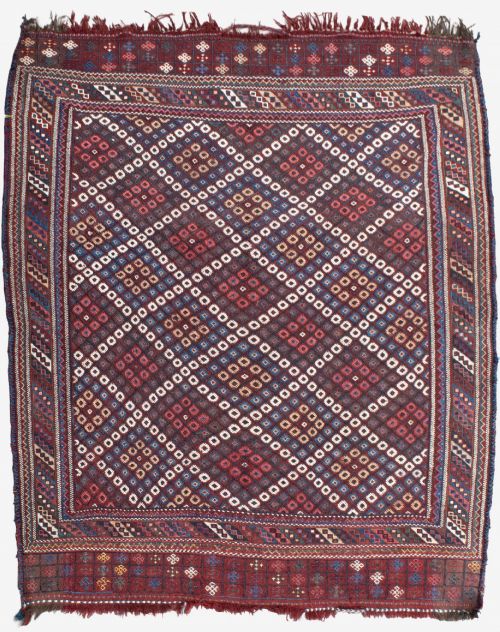
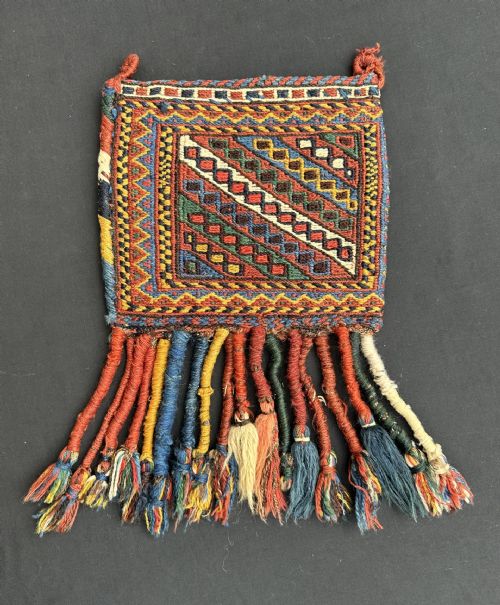
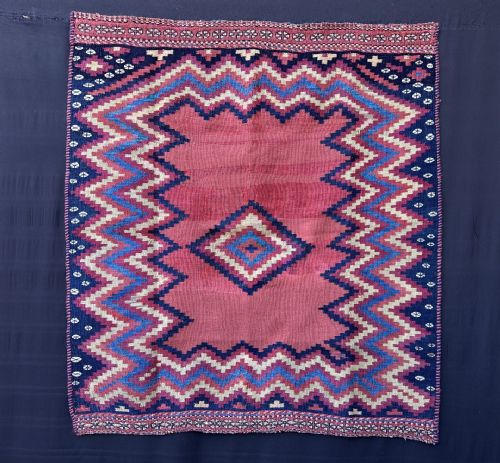
Techniques range from pile weaving on saddle bag faces to flatweave constructions seen in bread sofreh cloths and storage pouches. The integration of cotton for foundations alongside sturdy wool creates durable structures designed for the demands of nomadic travel.
Listings feature items dated from 1880 to 1920, utilising wool, cotton, and natural dyes within Persian tribal styles.
What varies in quality
Quality rests in the handling of the wool and the brilliance of the natural dyes, where lustrous and luminous fibres elevate a piece above simpler examples. Finer knotting or tighter flatweave execution distinguishes personal bags and chantehs from standard utility items.
The visual strength of the design, such as the scale and clarity of a large boteh motif, dictates the visual impact of the weaving. Preserved completeness, including surviving plain weave backs on saddle bags, also separates top examples from fragmentary faces.
The Vintage Afshar Textile Glossary
- Sofreh
- A spread or cloth used for dining, kneading bread, or serving food. These flatweave textiles often display striking geometric compositions.
- Chanteh
- A small personal bag or vanity pouch woven by nomadic women. They frequently feature intricate designs despite their compact dimensions.
- Boteh
- A stylised floral or almond-shaped motif representing a almond or cypress tree. It remains a central design element in Persian tribal art.
- Flatweave
- A textile produced without a pile by interning warp and weft threads together. Examples include sofreh cloths and certain bag faces.
- Natural Dyes
- Colourants derived from plants, roots, and minerals rather than synthetic compounds. They produce the harmonious and ageing hues seen in older Persian weavings.
Vintage Afshar Textile: Frequently Asked Questions
What is an afshar textile?
An afshar textile is a hand-woven piece created by the Afshar nomadic tribes residing mainly in the Kerman province of South Persia. These items include utilitarian cloths, saddle bags, and personal pouches.
They are characterised by distinct Persian tribal designs, hand-spun wool, and natural dyes that reflect the heritage of their makers.
How were these bags used?
Nomadic families utilised these woven pieces for practical storage and transport during migration. Saddle bags carried personal belongings, while vanity bags and tobacco pouches held small daily items.
Larger textile pieces like sofreh cloths served as surfaces for eating, food preparation, and kneading bread within the tent.
How do I display a sofreh?
A sofreh flatweave works effectively as a wall hanging or a distinctive floor covering in a low-traffic area. Because these cloths were originally made for dining and food preparation, mounting them flat allows the geometric patterns to be fully appreciated.
Ensure proper support across the textile if hung to prevent stretching the hand-spun wool and cotton foundation.
How do I date these pieces?
Dating relies on examining the materials, construction methods, and design characteristics relative to documented periods. Pieces on this page date from the late nineteenth century up to the nineteen-twenties.
Hand-spun wool and traditional natural dye palettes generally point towards the earlier end of this timeframe, while structural nuances help narrow down the decade.