





South Persian Textile
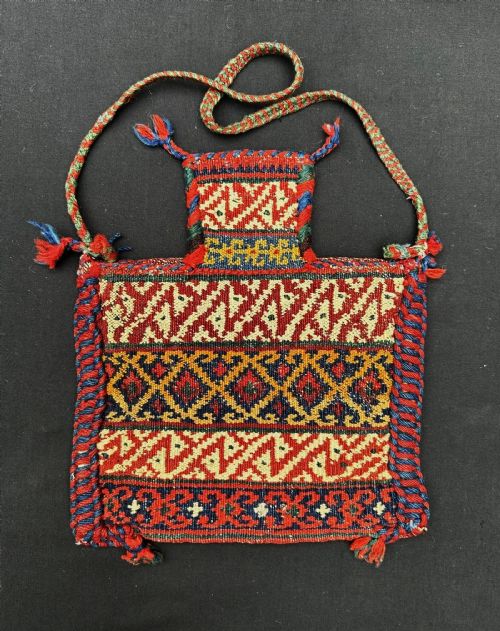
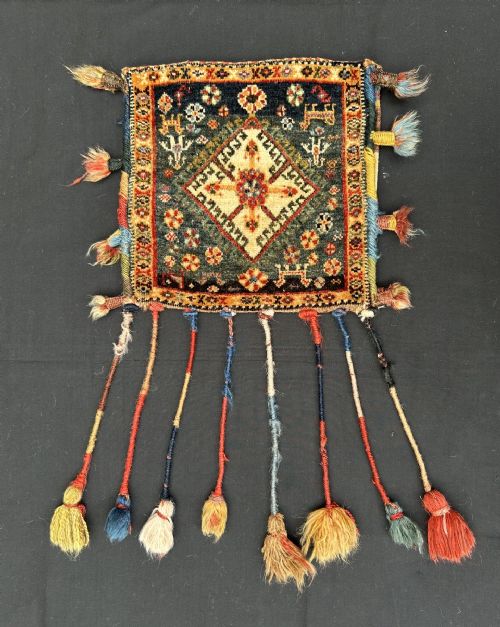
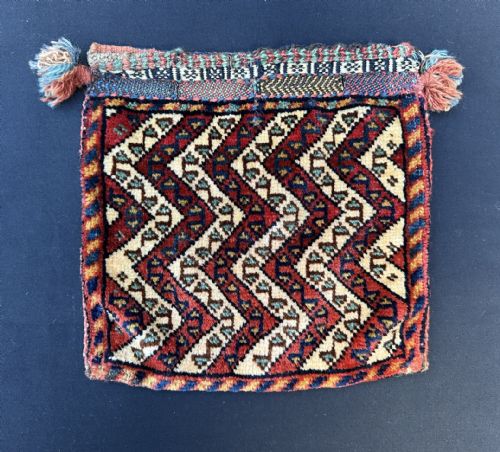
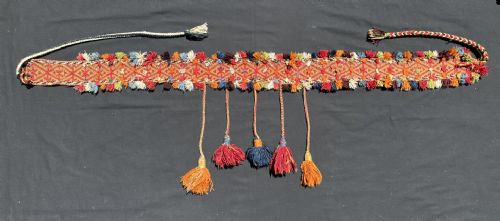
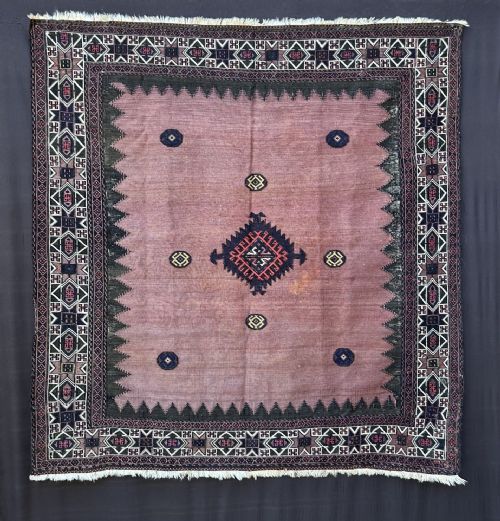
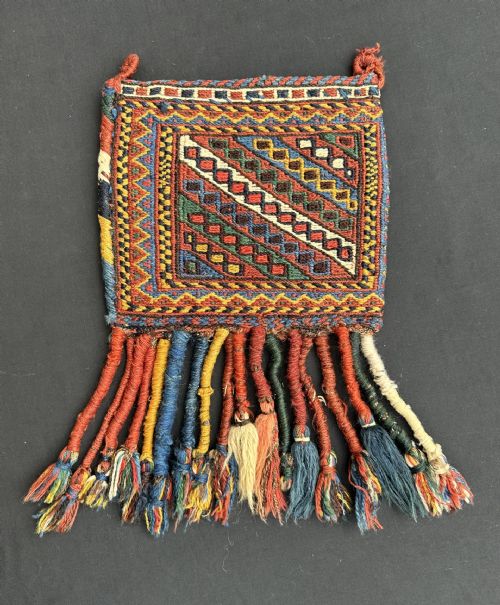
A south persian textile carries the hand of nomadic weavers from Fars and Kerman across utility bags, animal trappings and flatweaves.
South Persian Textile
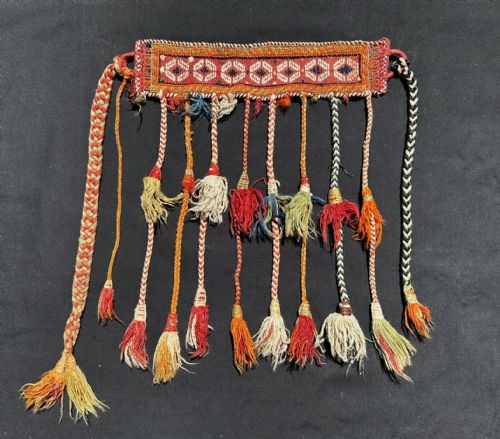
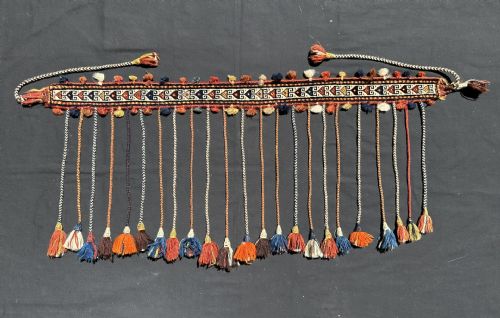
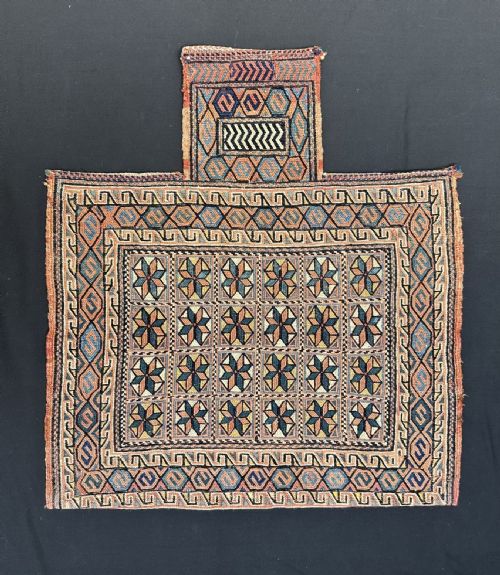
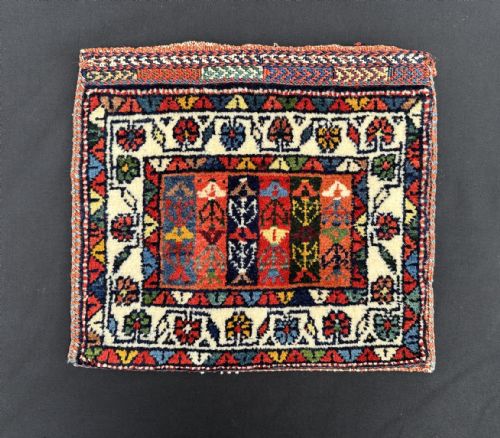
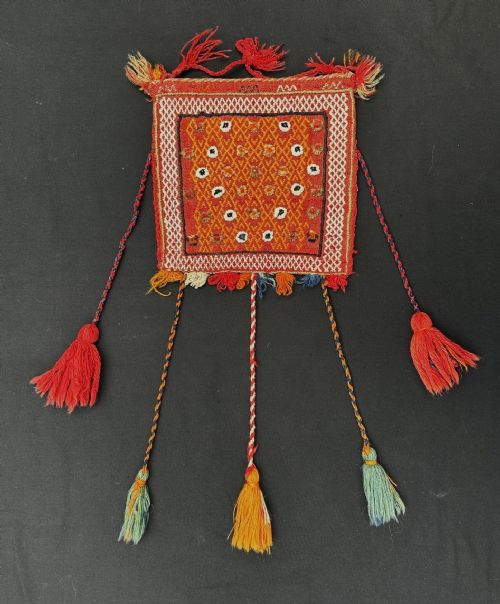
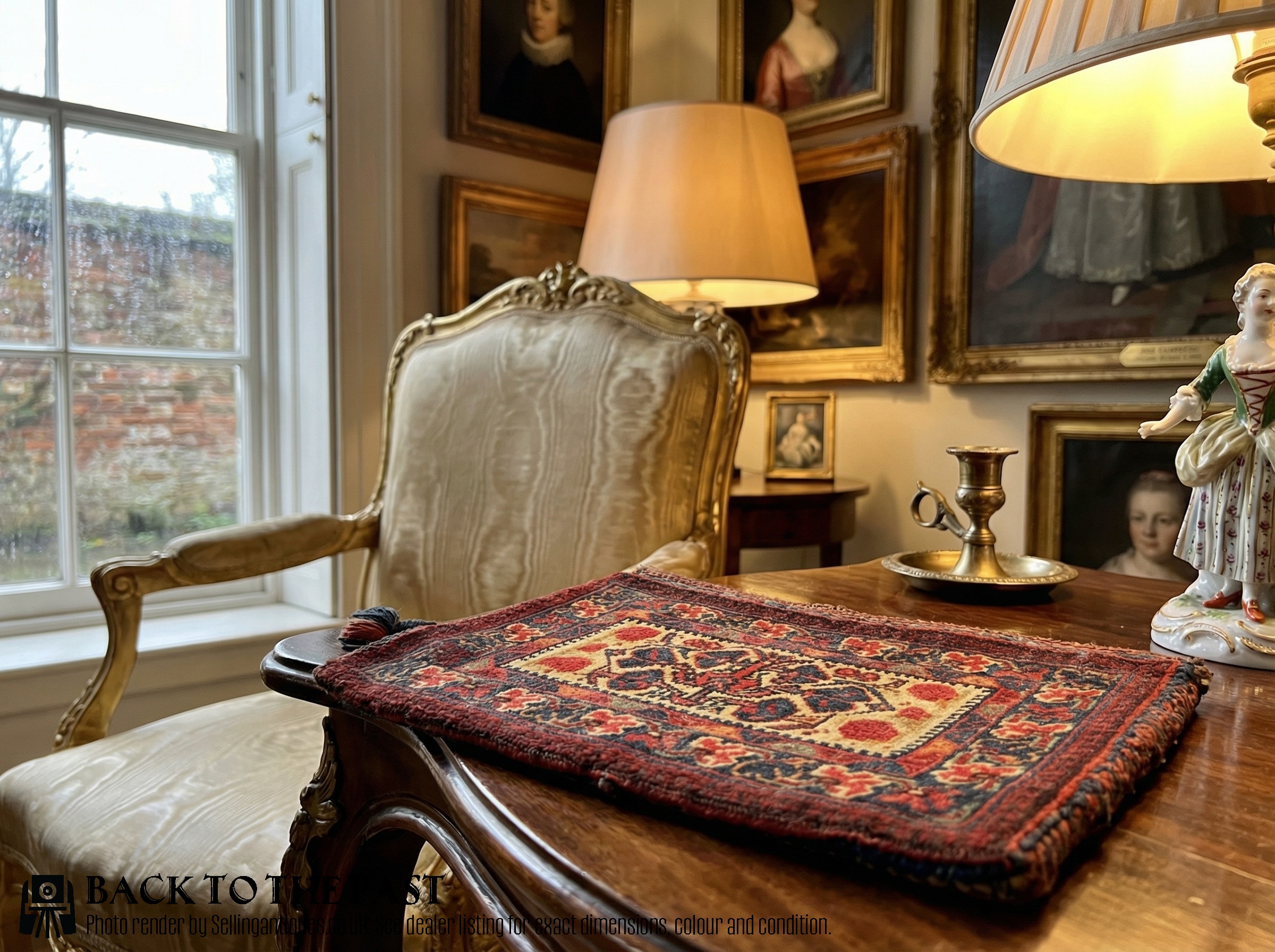
When searching for a south persian textile, collectors examine utilitarian tribal pieces including vanity bags, salt bags, saddlebags and bread sofreh originating from nomadic groups such as the Qashqa'i confederacy and Afshar tribes.
The objects served practical purposes in pastoral life, ranging from horse decorations and animal trappings to storage bags and baby cradles made in the nineteenth and early twentieth centuries.
The most common items encountered on this page are bag faces and smaller portable containers woven by sub-tribes across the Fars and Kerman provinces.
Materials and construction
Weavers utilised hand-spun wool and natural dyes, sometimes incorporating cotton foundations alongside decorative elements such as cowrie shells, leather and wood.
The textiles rely on durable hand-knotted pile and flatweave techniques designed to withstand the rigours of nomadic migration and daily camp use.
Several survivalist bags still retain their original cowrie shells, once sewn on to ward off the evil eye during long desert treks.
Assessing quality
Quality rests upon the handled softness of the wool, the clarity of natural dye colours and the precision of the tribal motifs.
Finer examples display tight knotting, well-balanced proportions in designs like boteh or central medallions, and intact original finishes including leather or shell attachments.
The South Persian Textile Glossary
- Sofreh
- A woven dining or bread cloth used by nomadic groups for serving meals.
- Chanteh
- A small personal bag or vanity bag woven for intimate storage.
- Khorjin
- A double-faced saddlebag designed for transport on animals during migrations.
- Boteh
- A traditional almond-shaped or paisley motif representing a floral shoot or cypress tree.
- Tayefeh
- A sub-tribe or clan within a larger nomadic confederation.
South Persian Textile: Frequently Asked Questions
What is a south persian textile?
These pieces are hand-woven utilitarian items created by nomadic and tribal weavers living in the southern regions of Persia, primarily encompassing Fars and Kerman provinces.
They include functional objects like saddlebags, salt bags, animal decorations and eating cloths made for daily tribal life.
How were these bags used?
Nomadic families used these woven items for storage, transport and daily domestic rituals within their tents and during seasonal migrations.
Smaller bags held personal items or tobacco, while larger saddlebags carried belongings on pack animals and sofreh cloths served as ground covers for meals.
How do I care for a tribal textile?
Protect these historic wool and natural dye items by keeping them out of direct sunlight to prevent fading and vacuuming them gently through a mesh screen.
If hanging them on a wall, distribute the weight evenly using a padded sleeve or specialist textile mount rather than piercing the fabric.
How can I tell tribal groups apart?
Different confederations and sub-tribes employed distinct colour palettes, wool qualities and specific structural patterns in their bag faces and trappings.
Qashqa'i pieces often feature intricate geometric medallions and animal figures, whereas Afshar examples frequently display sharp boteh motifs and distinct regional borders.