



Cream Porcelain Plate
A cream porcelain plate brings refined eighteenth-century dining and Victorian display tradition straight to the table.

Cream Porcelain Plate
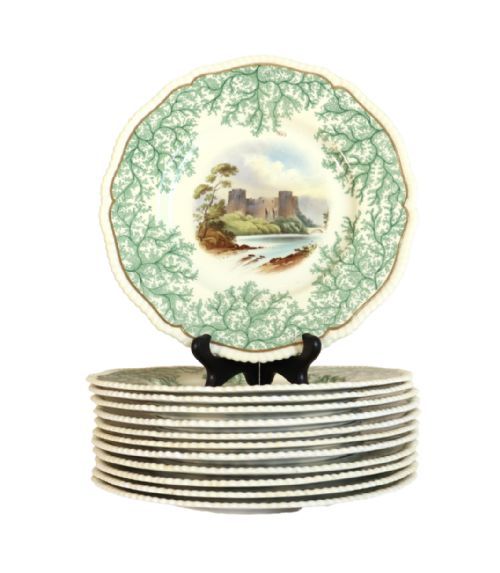
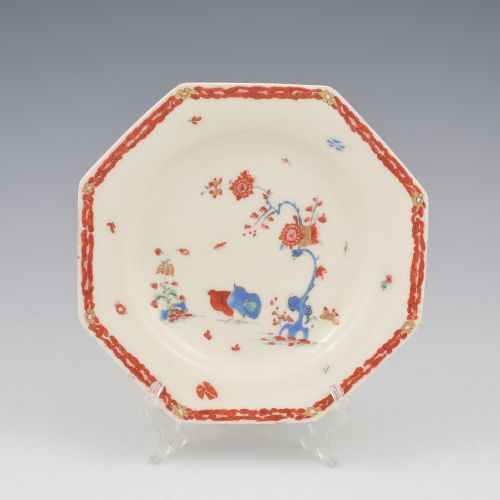
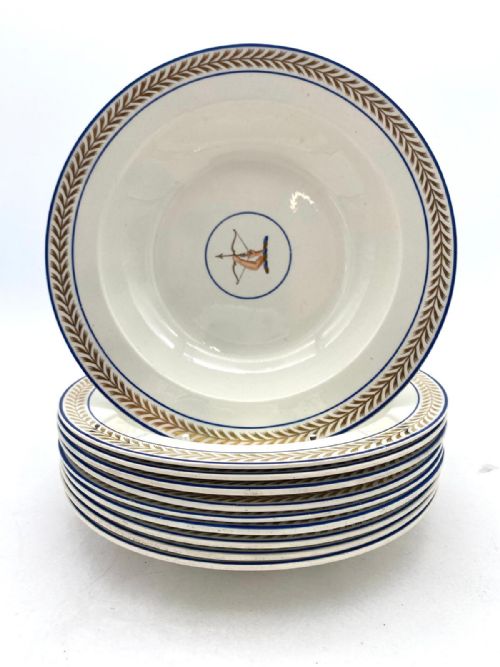
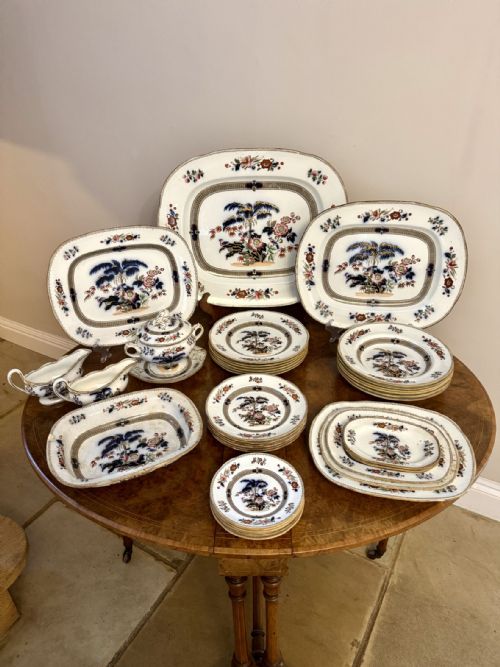
When searching for a cream porcelain plate, collectors encounter a diverse selection spanning the eighteenth, nineteenth, and early twentieth centuries. These pieces encompass cabinet plates, decorative dishes, dinner services, and chargers created across various periods including Victorian, Edwardian, and Georgian eras.
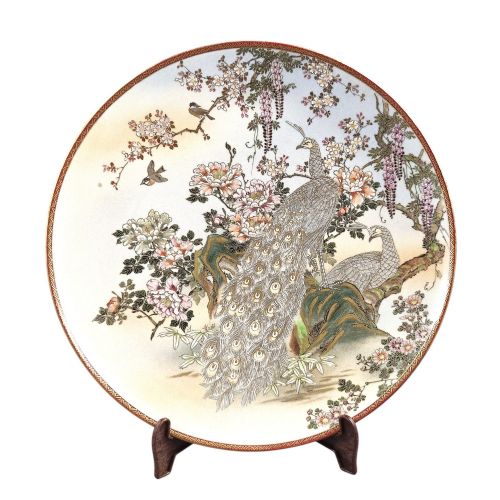
The objects available range from hand-painted English porcelain and creamware to Japanese Satsuma and Kutani pieces. Many items display intricate enamel work, gold leaf, and gilt accents alongside traditional floral, figurative, and armorial scenes.
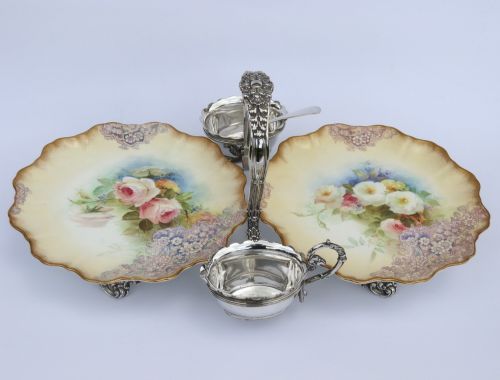
Makers represented in these listings include established names such as Wedgwood, Spode, Royal Doulton, and Mintons, alongside specialised Japanese export studios. Buyers frequently discover complete dessert services, sandwich plates, and individual display dishes originating from notable workshops.
Production methods and materials
Potters utilised fine ceramic bodies, porcelain, and creamware as the foundational base for these plates. Artisans applied smooth glazes and detailed enamel painting directly onto the fired surfaces, often incorporating hand-applied gold leaf and gilt detailing.
Specialised techniques such as pate-sur-pate and moriage relief work appear across the selection, adding tactile depth to the designs. Japanese pieces from the Meiji period demonstrate distinct hand-painting traditions using rich pigments and metallic highlights.
Several plates depict elaborate courting scenes, proving that antique dining was secretly fueled by eighteenth-century gossip.
Distinctions in craftsmanship
Quality in these plates depends heavily on the precision of the hand-painting and the complexity of the decorative motifs. Pieces featuring intricate figural scenes, armorial bearings, or specialised relief work demonstrate superior artistic execution compared to simpler transfer-printed wares.
The reputation of the maker and the preservation of the original glaze and gilding dictate the standing of a piece within the range. Well-documented provenance and complete services by notable factories command distinct attention from collectors.
Spode·Wedgwood·Doulton Burslem·Rockingham Pottery·Carlton Ware·Elkington·Mintons·Royal Worcester
The Cream Porcelain Plate Glossary
- Creamware
- A type of fine earthenware developed in the eighteenth century, known for its pale yellowish cream colour and smooth glaze. Josiah Wedgwood refined this ceramic body to rival imported porcelain.
- Cabinet plate
- A decorative plate intended for display in a cabinet or on a wall rather than for everyday dining. These pieces typically feature elaborate hand-painted scenes and gilt borders.
- Pate-sur-pate
- A ceramic decoration technique where liquid clay is built up in successive layers on a contrasting background to create a low relief cameo effect. Mintons famously utilised this meticulous method.
- Moriage
- A Japanese ceramic technique involving the application of slip in raised dots or lines to form decorative patterns. This method frequently appears on Satsuma and Kutani wares.
- Gilt
- A thin layer of gold applied to the surface of porcelain or ceramic plates for decorative effect. It often frames hand-painted central scenes and scalloped rims.
Cream Porcelain Plate: Frequently Asked Questions
How are cream porcelain plates dated?
Collectors determine age by examining backstamps, factory marks, and stylistic characteristics specific to periods like the Victorian era or the eighteenth century. Hand-painted details and material composition also provide clear chronological indicators.
Changes in ceramic bodies and glazing techniques further assist in narrowing down the decade of production.
Were these plates used for dining?
Many items served practical functions in nineteenth-century households as part of large dinner or dessert services. Sturdier earthenware and porcelain pieces handled regular meals, while delicate cabinet plates were reserved for display.
Service components often included matching pudding bowls, sandwich plates, and serving trays.
How should I display antique plates?
Displaying cabinet plates safely involves utilising sturdy wall mounts or dedicated display cabinets that protect the delicate enamel and gilt surfaces from accidental damage. Ensuring proper support prevents undue stress on the ceramic body.
Keeping pieces away from direct sunlight preserves the vibrant colours of hand-painted scenes.
What is Satsuma ware?
Satsuma ware is a type of Japanese earthenware traditionally characterised by an ivory-coloured, crackled glaze decorated with elaborate enamel and gilt designs. Originating in the Satsuma Province, it became widely exported during the Meiji period.
Pieces often feature complex figural scenes, peacocks, and floral motifs.