


Edwardian Cabinet Dish
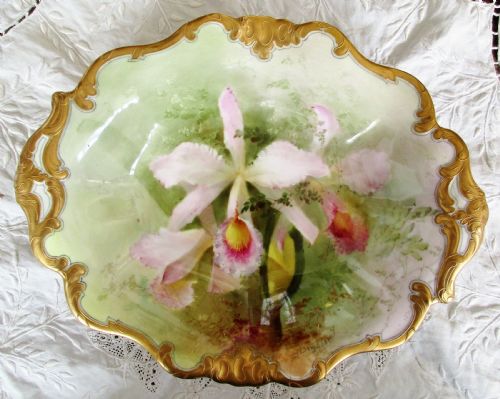
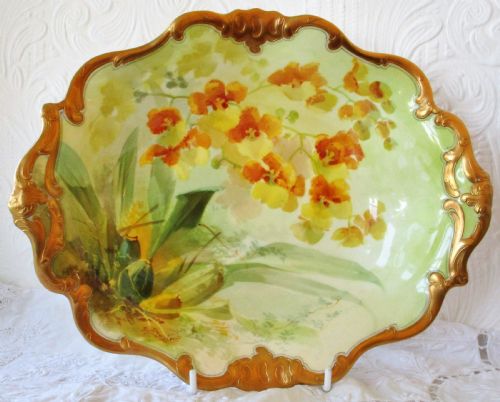
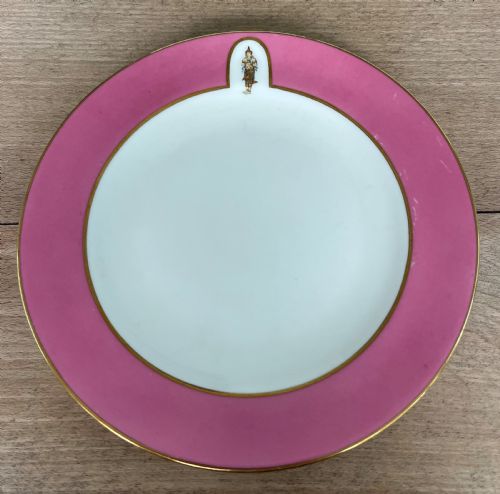
These pieces known as an edwardian cabinet dish are porcelain and ceramic plates made for display rather than dining.

Edwardian Cabinet Dish
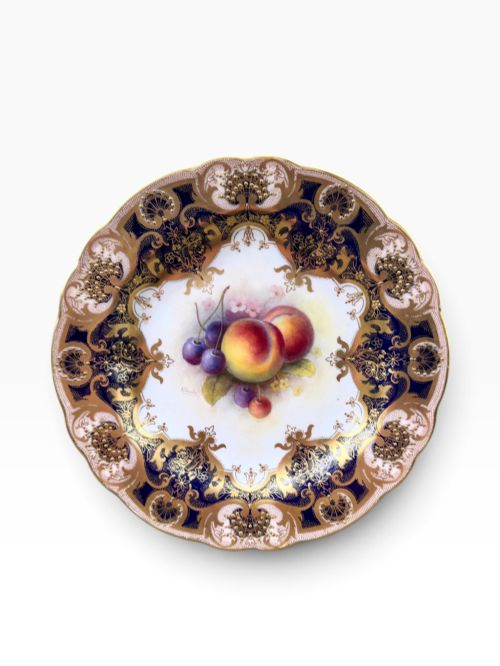
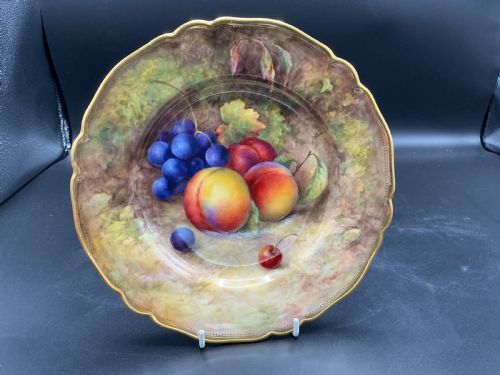
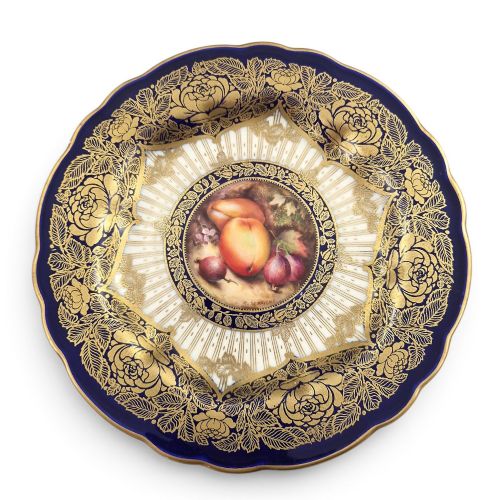
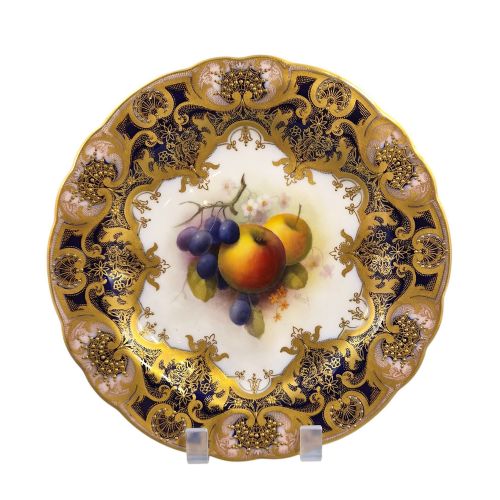
An edwardian cabinet dish is a decorative plate or tray intended for display in a cabinet rather than for everyday dining. The versions most commonly found here originate from the early twentieth century, spanning the Edwardian period alongside pieces from the decades immediately following.
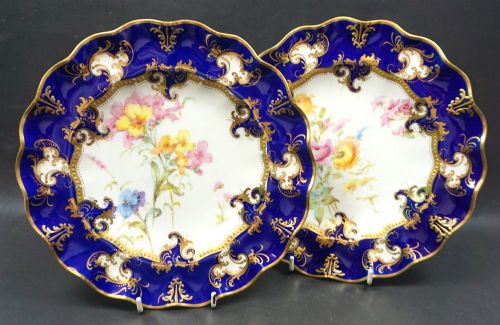
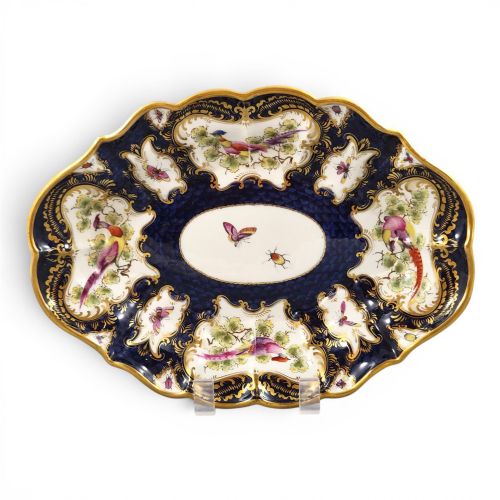
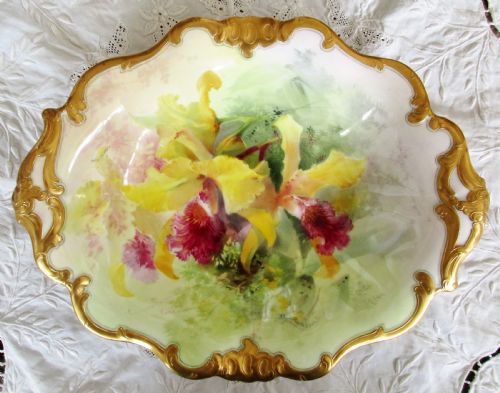
Makers often shaped these items as decorative dishes, dessert dishes, soup dishes, or shaped ribbon dishes. They frequently arrive in matched pairs or small sets rather than solitary items.
How they were made
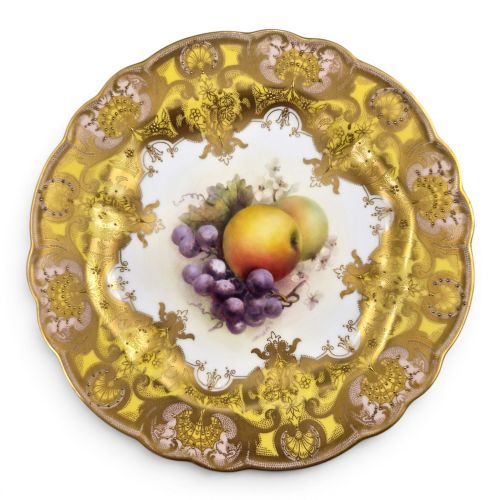
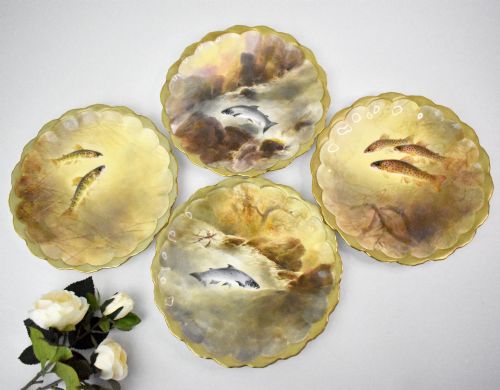
Potters shaped fine porcelain, bone china, and occasionally enamel or brass to form the body of each dish. Artisans applied hand-painted designs depicting fruit, florals, birds, and fish directly onto the ceramic surface.
Gilding, gold leaf, and tooled gilt borders were added to highlight edges, scalloped rims, and rope edges. Certain examples incorporated cobalt blue scales and intricate cloisonne techniques.
Several fish plates immortalise specific catches with painted scales.
What varies in quality
The standard of an edwardian cabinet dish rests upon the skill of the artist and the prestige of the pottery. Hand-painted naturalistic scenes by known painters command greater attention than simple transfer-printed patterns.
The complexity of the gilding and the precision of the porcelain body define the upper tier of the range. Depth of colour and the crispness of shaped or scalloped edges elevate the piece.
Royal Worcester·Royal Crown Derby·Royal Doulton·Cauldon Ltd·Grainger And Co·Coalport·Wedgwood
The Edwardian Cabinet Dish Glossary
- Cabinet dish
- A decorative plate or tray made primarily for display in a glass-fronted cabinet rather than for table service. These items often feature elaborate hand-painted decoration and gilt work.
- Bone china
- A type of porcelain containing bone ash that produces a strong, milky-white body. It allowed makers to create thinner and more refined dishes.
- Gilding
- The application of gold leaf or powdered gold onto the surface of the porcelain. It was frequently used to accentuate rims and borders.
- Imari
- A style of Japanese ceramic decoration featuring a distinctive palette of underglaze blue, iron red, and gold. European makers frequently drew inspiration from these colourful patterns.
- Rococo Revival
- A decorative style characterised by asymmetrical scrolls, C-curves, and naturalistic floral motifs. This aesthetic heavily influenced the shaped edges of many early twentieth-century dishes.
Edwardian Cabinet Dish: Frequently Asked Questions
What is an edwardian cabinet dish used for?
An edwardian cabinet dish was created strictly for visual display in a drawing room cabinet or on a sideboard rather than for holding food. Households exhibited them to showcase artistic taste and fine porcelain collection practices.
Over time, these dishes transitioned from formal drawing room displays into prized decorative objects for modern collectors. They continue to serve as ornamental focal points when placed on stands or mounted securely.
How do I identify an edwardian piece?
Identifying an edwardian piece involves looking at the backstamp or pottery mark stamped or painted underneath the glaze. These marks often correspond to specific factory registration numbers and operating dates.
The style of painting, the use of heavy tooled gilding, and specific artist signatures also help determine the era. Comparing patterns against known factory production years narrows down the origin further.
Can I use these dishes for food?
These delicate porcelain and bone china items are generally not suited for serving food or everyday dining. The hand-painted enamel surfaces and fragile gilt rims require careful preservation.
Displaying them without functional use protects the delicate artistry from wear. Gentle dusting with a soft cloth is all the maintenance required.
Why are some painted by hand?
Hand-painted porcelain allowed factories to demonstrate the exceptional skill of their employed artists. Skilled painters produced intricate botanical studies, fruit, and wildlife scenes directly onto the ceramic body.
Signed pieces indicate individual craftsmanship from prominent artists working within the major potteries. This personal touch elevated standard tableware into high art.