



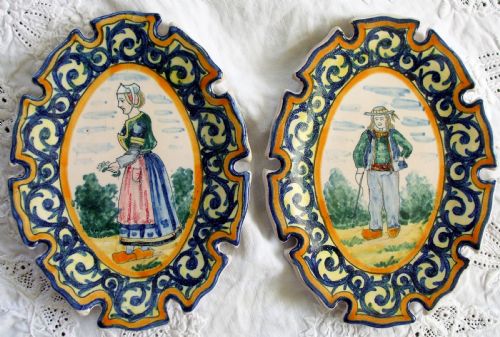
Antique Ceramic Dish Pair
An antique ceramic dish pair brings symmetry and historical craft to a room, offering matching plates or chargers shaped by centuries of global artistry.

Antique Ceramic Dish Pair
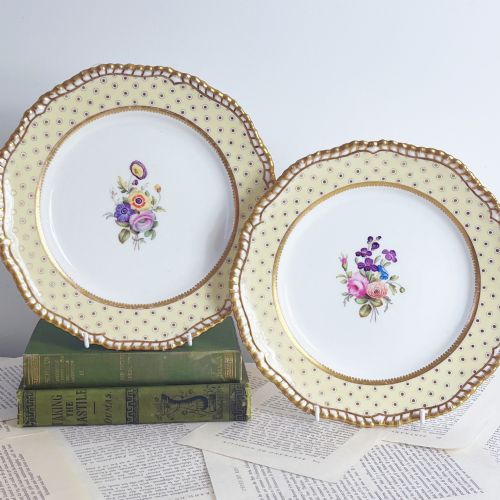
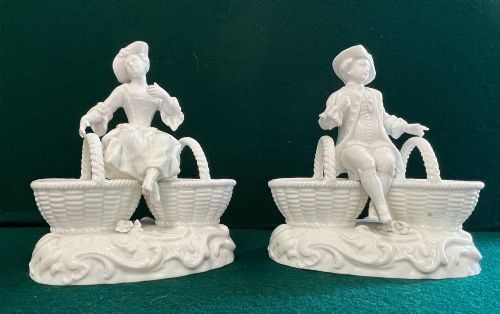
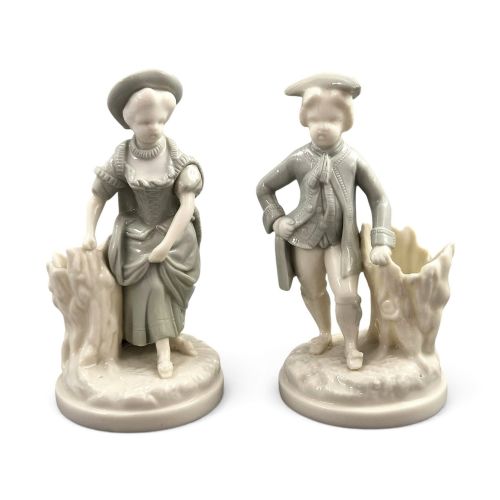
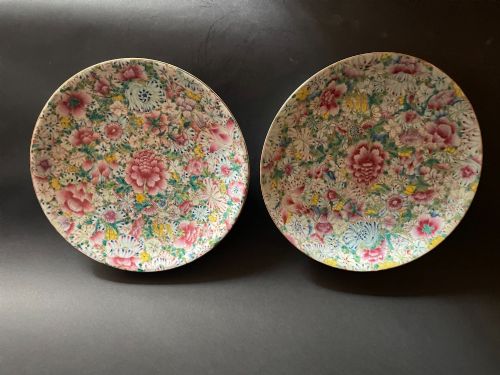
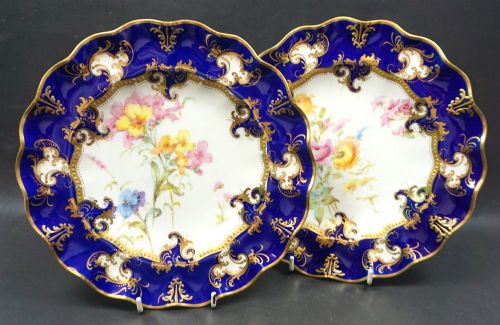
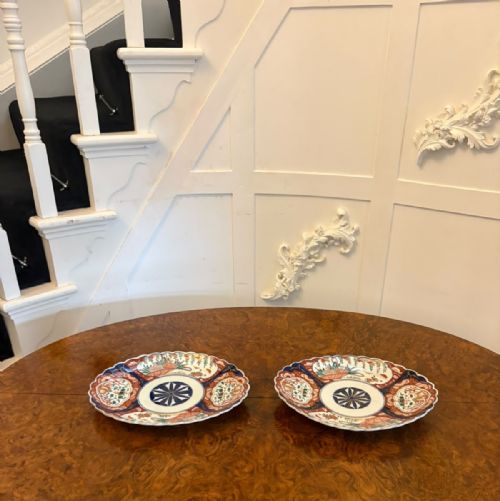
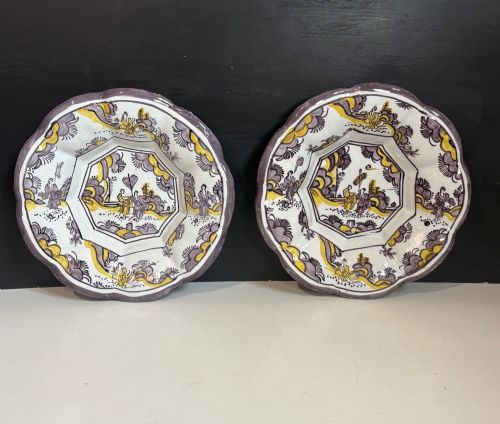
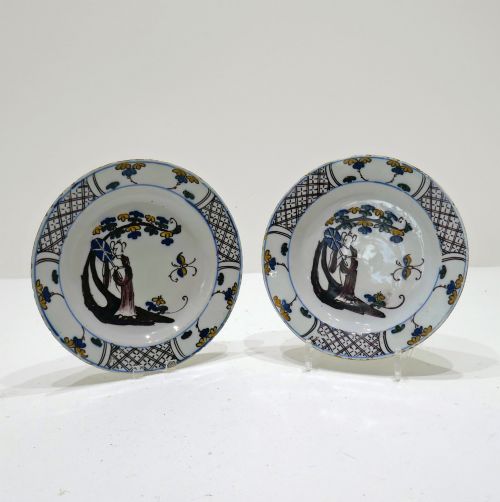
An antique ceramic dish pair brings together two matching vessels created for display, service, or dining during past centuries. These matched items survive from periods ranging through the eighteenth, nineteenth, and early twentieth centuries, reflecting diverse global ceramic traditions.
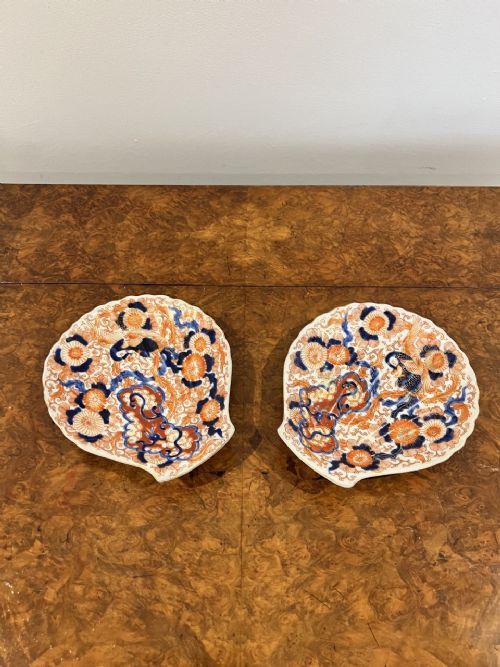
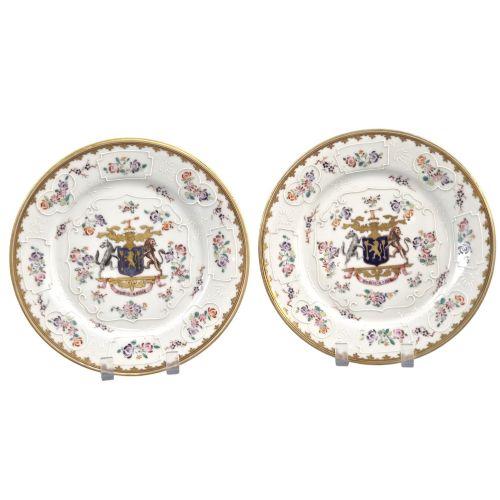
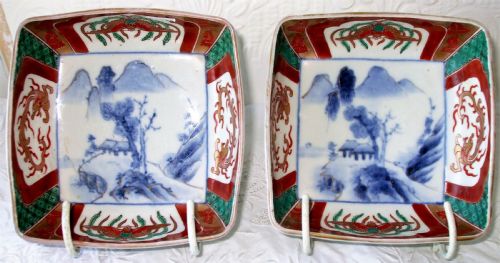
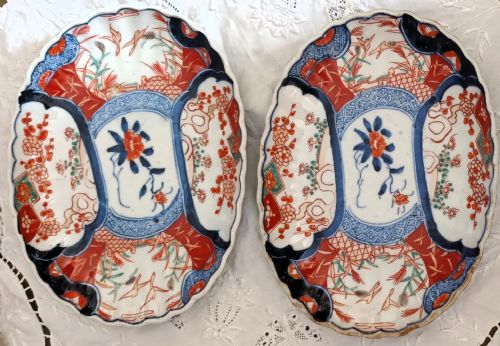
The selections span English earthenware and porcelain, French faience, German porcelain figures, and Japanese Imari or Arita wares. Cabinet plates, chargers, dessert plates, and shell-shaped dishes dominate the offerings, providing balanced decorative impact for a interior.
Buyers encounter everything from crisp blue and white designs to polychrome armorial services and intricate hand-painted scenes. Each pair demonstrates the historical taste of its maker, whether originating in European factories or East Asian kilns.
Materials and production methods
Potters shaped these pieces using earthenware, stoneware, or fine porcelain clays, often applying tin glazes or transparent glossy finishes before firing. Many English and European examples incorporate ironstone or felspar porcelain to achieve durability and smooth white surfaces.
Decoration relied on underglaze blue painting, polychrome enamels, and meticulous overglaze gilding with gold leaf. Japanese and Chinese workshops utilised vibrant iron-red pigments alongside cobalt, while European factories employed transfer printing and hand-brushing for botanical or topographical views.
Listings feature items spanning the eighteenth, nineteenth, and early twentieth centuries, incorporating both English factory wares and Japanese export ceramics.
Factors separating exceptional pieces
The refinement of the paste and the precision of the throwing or moulding process determine the foundational tier of a dish. Thinner, more translucent bodies and crisply defined scalloped or shell edges denote careful manufacture by skilled artisans.
The artistry of the painted decoration dictates the upper echelon of the market. Hand-painted detail with rich gilding, well-preserved enamels, and balanced compositional harmony separate masterwork factory output from standard commercial production.
Spode·Meissen·Royal Worcester·Royal Crown Derby·Edmé Samson and Cie·Copeland and Garrett·Barr Flight and Barr·Masons
The Antique Ceramic Dish Pair Glossary
- Imari
- A style of Japanese porcelain featuring a palette of underglaze blue, iron-red, and gilt details. It gained immense popularity in Europe during the export periods.
- Tin Glaze
- An opaque white glaze containing tin oxide, applied to earthenware to create a smooth surface for painted decoration. It defines traditional Delftware and faience.
- Ironstone
- A durable type of heavy earthenware patented in the nineteenth century. It resists chipping while offering a fine base for enamelled or transfer-printed designs.
- Cabinet Plate
- A decorative plate intended for display in a cabinet or on a wall rather than for practical dining use. These often feature elaborate hand-painted scenes or armorial motifs.
- Charger
- A large decorative plate or platter used historically for ceremonial service or placed beneath other courses. In antique collections, they serve as prominent wall or sideboard centrepieces.
Antique Ceramic Dish Pair: Frequently Asked Questions
How were antique dish pairs used originally?
These matched objects served practical dining functions, formal dessert courses, or decorative display on sideboards and walls.
Larger chargers often anchored dining tables, while cabinet plates and shell dishes showcased wealth and artistic taste in reception rooms.
Can I use antique plates for daily dining?
Most antique ceramic pieces require careful handling rather than heavy everyday use due to historic glazes and delicate gilding.
Displaying them on stands or mounting chargers securely on walls protects the fragile enamel and gold leaf from wear.
How do I identify Japanese Imari wares?
Japanese Imari porcelain is recognised by its distinctive palette of cobalt blue, burnt orange or iron-red, and gold accents.
Designs frequently incorporate floral motifs, exotic birds, and intricate brocade patterns produced during the Meiji period and earlier eras.
What is the difference between earthenware and porcelain?
Earthenware is a porous, opaque pottery body fired at lower temperatures, often finished with a tin or lead glaze.
Porcelain is a vitrified, dense ceramic material fired at high heat, which remains white and semi-translucent even without thick glaze layers.