
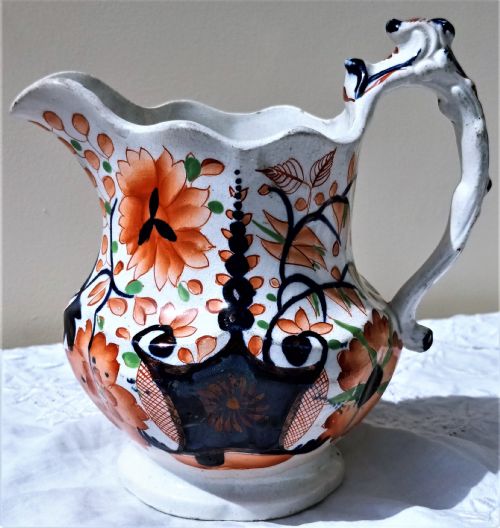
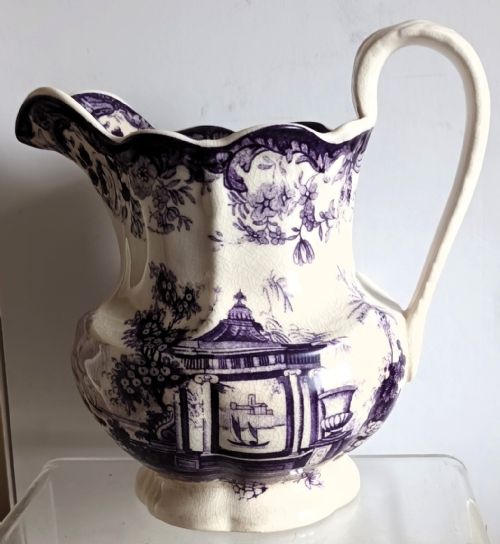
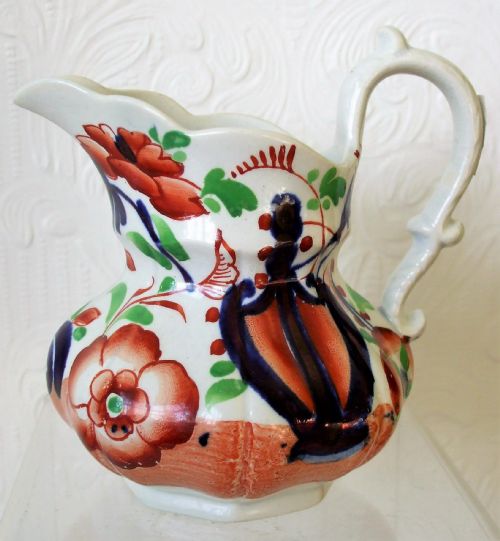
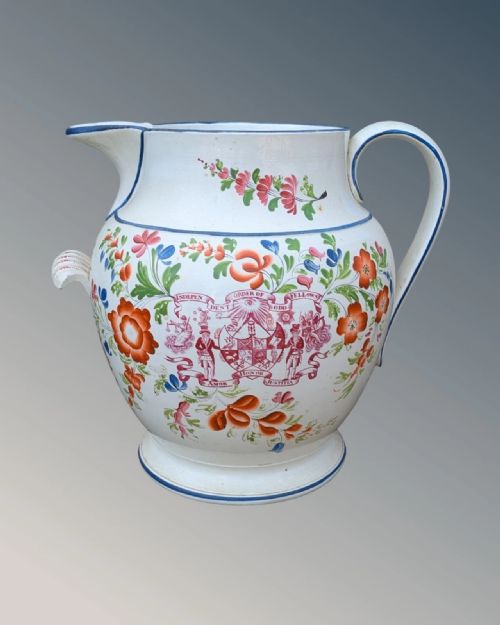


Cream Earthenware Jug
When you handle a cream earthenware jug, you hold centuries of practical British and European ceramic history in your hands.
Cream Earthenware Jug
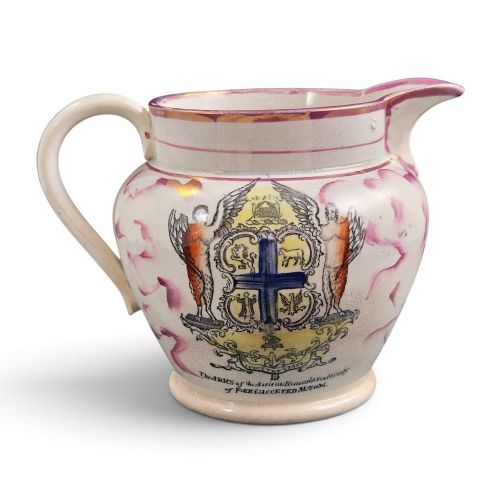
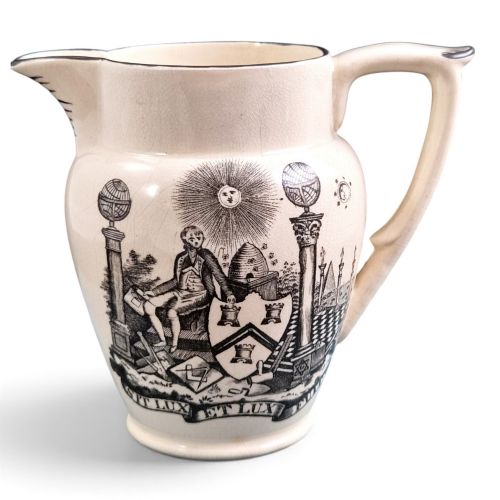
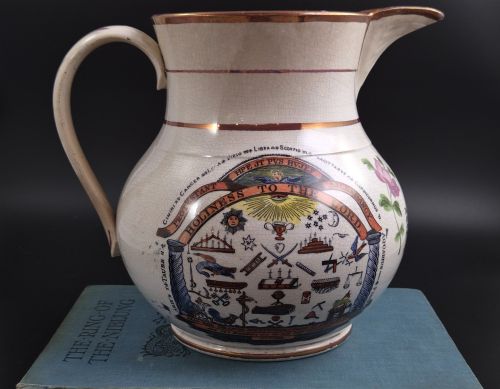
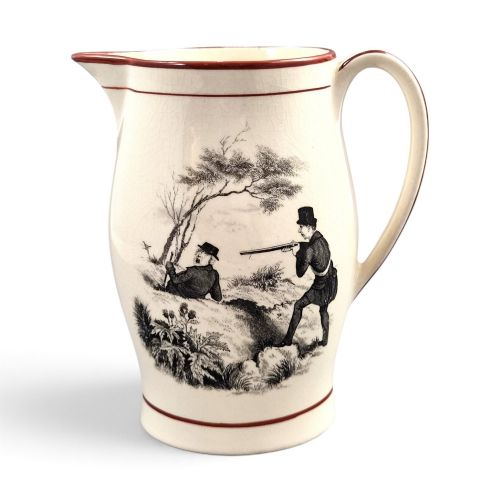
A cream earthenware jug brings together centuries of functional pottery, spanning Georgian, Victorian, and Edwardian periods. Buyers encounter pieces ranging from humble creamware milk jugs to large commemorative pitchers decorated with transfer printing.
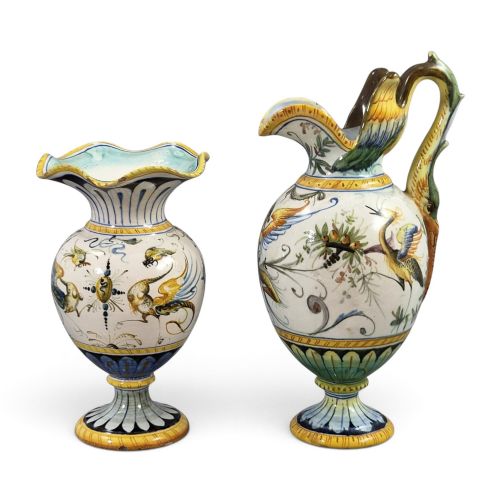
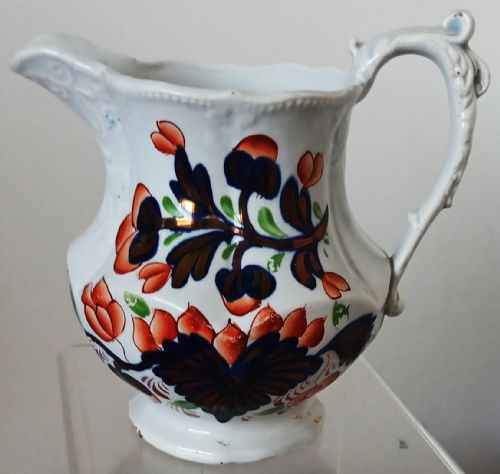
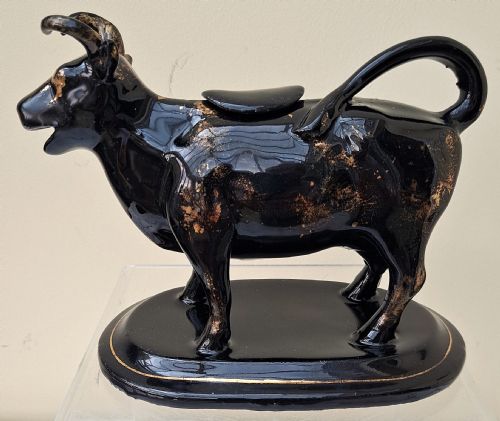
The selection here encompasses diverse forms, from Staffordshire creamware and Gaudy Welsh patterns to salt-glazed stoneware and terracotta. These items served practical kitchen and dining roles while frequently recording historical events and fraternal organisations.
Methods and Materials
Potters relied primarily on earthenware, creamware, and stoneware bodies, often shaping pieces through moulding or throwing. Cabbage leaf moulding and applied sprigged reliefs demonstrate the sculptural detail achieved in clay.
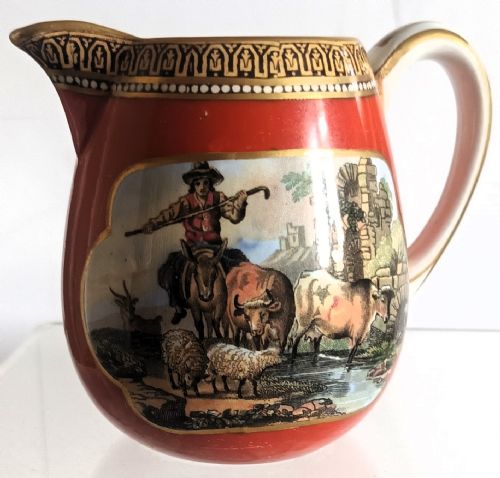
Surfaces received rich decoration through enamel painting, polychrome glazes, and black or magenta transfer printing. Some vessels display metallic copper lustre or detailed gilt accents applied over the fired glaze.
Listings span the seventeenth to the twentieth centuries, featuring earthenware, stoneware, terracotta, and creamware.
Judging Quality
Excellence in these pieces rests on the crispness of the moulding and the precision of transfer printing or hand-painted enamel details. Superior examples maintain clear relief work, such as sharp cabbage leaf textures or well-defined hound handles.
The depth and consistency of the glaze, alongside the artistic ambition of commemorative designs, separate standard utility vessels from exhibition-grade works. Makers who controlled kiln temperatures achieved vibrant, unblemished surfaces across complex forms.
Cantagalli Florence·Leeds Pottery·Phillips and Bagster·Wedgwood By Keith Murray
The Cream Earthenware Jug Glossary
- Creamware
- A refined earthenware developed in the eighteenth century, noted for its pale yellow or cream-coloured lead glaze. Leeds Pottery and Staffordshire makers utilised this body extensively.
- Transfer-printed
- A technique where a design is engraved on a copper plate, printed onto tissue paper, and transferred onto the unglazed or bisque ceramic surface before glazing.
- Pearlware
- An earthenware introduced in the late eighteenth century featuring a bluish glaze that pooled in recesses, creating a whiter appearance intended to rival Chinese porcelain.
- Lustreware
- Pottery finished with a metallic glaze that produces an iridescent sheen, often created using copper, silver, or gold derivatives.
- Slipware
- Pottery decorated with slip, a liquefied suspension of clay and water, applied before firing to create trailed or brushed patterns.
Cream Earthenware Jug: Frequently Asked Questions
What is a cream earthenware jug?
These vessels are ceramic containers shaped for pouring liquids, produced across multiple centuries in Britain and Europe. They include utilitarian creamware milk jugs as well as large commemorative pitchers.
Potters utilised various earthenware and stoneware bodies, decorating them with transfer prints, enamels, or moulded reliefs. Each piece reflects the domestic and social habits of its period.
How do I date an antique jug?
Dating relies on stylistic clues, materials, and manufacturing techniques recorded in the piece. Georgian examples often feature creamware bodies and delicate transfer printing, while Victorian items introduce bolder polychrome glazes and diverse patterns.
Markings, commemorative subjects, and specific moulding styles also help narrow the production era. Comparing the ceramic body and glaze characteristics to known historical periods provides the most reliable timeline.
Were these jugs used daily?
Many examples served practical household functions, holding milk, water, beer, or ale during daily meals. Sturdier stoneware and earthenware versions suited heavy kitchen use.
Other pieces were commemorative or decorative, created to mark fraternal orders, political events, or naval achievements. These likely sat on display rather than seeing rigorous table service.
How do I care for antique pottery?
Display these vessels in stable environments away from direct sunlight and rapid temperature fluctuations. Gentle dusting with a soft, dry cloth preserves the glazed surfaces.
Avoid immersing antique earthenware in water for extended periods, particularly if the glaze has craquelure or minor hairline fractures. Hand washing with mild soap is preferred when cleaning is necessary.