




Cream Ceramic Vessel
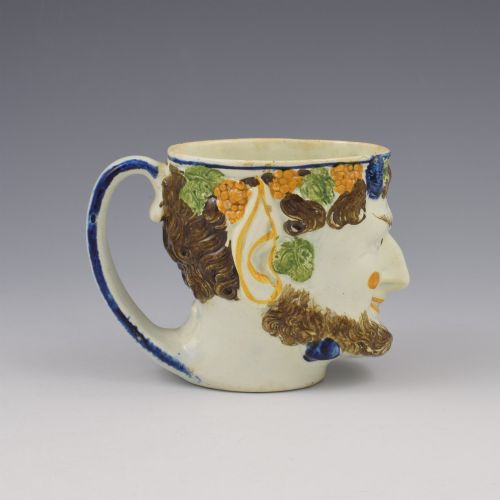
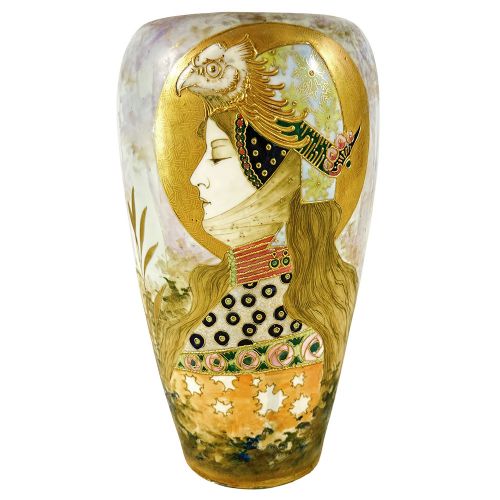
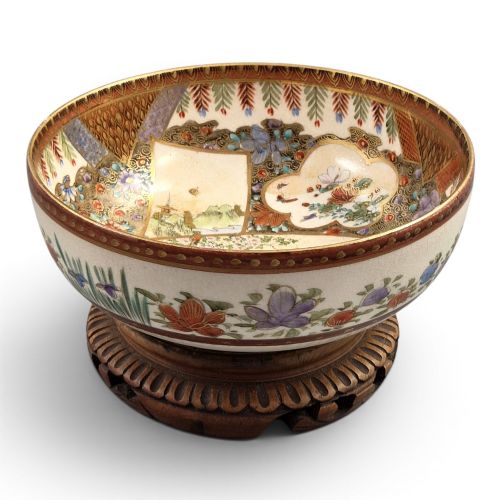
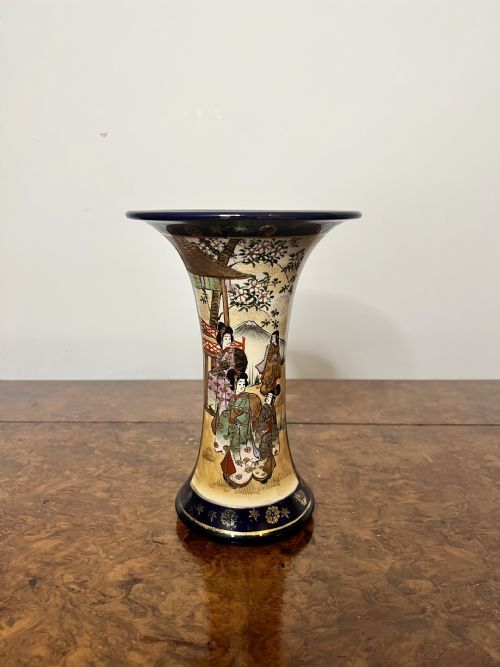
When you search for a cream ceramic vessel, you are looking at items that range from Georgian pearlware to Meiji Satsuma wares.
Cream Ceramic Vessel
A cream ceramic vessel covers a broad span of functional and decorative forms, including vases, tea caddies, bowls, jugs and incense burners created across multiple centuries. These objects originate from diverse traditions such as Victorian British potteries, Japanese Meiji period workshops, Persian kilns and European factories.
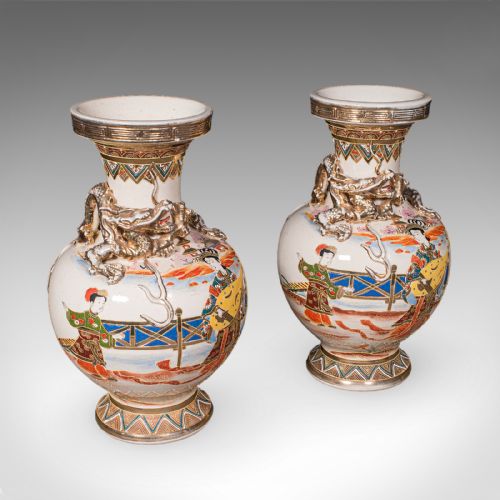
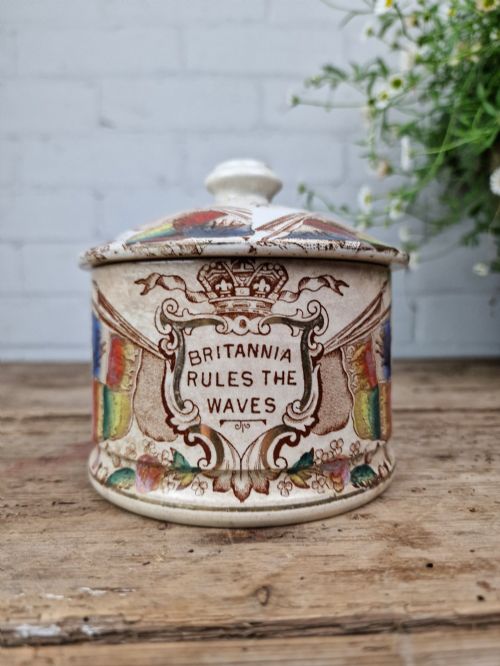
On this page, you are most likely to encounter Japanese Satsuma earthenware vessels from the late nineteenth century alongside British earthenware and porcelain pieces from the Victorian and Georgian eras. Forms vary from small miniature vases and koro incense burners to large dairy bowls, water filter urns and loving cups.
How they were made
Makers utilised various ceramic bodies including earthenware, stoneware, porcelain, pearlware and creamware, shaping them on the wheel or in moulds before firing. Many pieces received a protective glaze to seal the porous clay body.
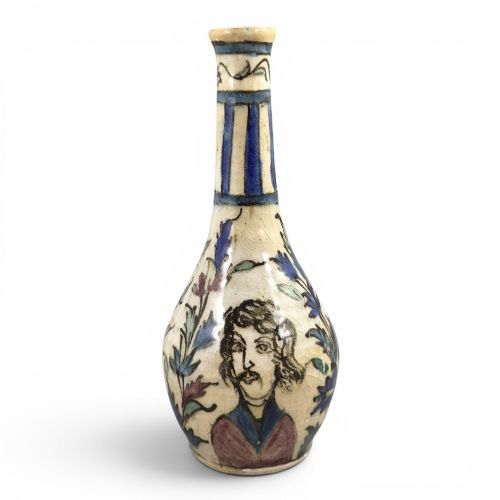
Decoration techniques combined hand-painting, slip painting, polychrome enamels and applied gold leaf or gilding. Certain wares incorporated intricate figural scenes, portrait decorations or sculptural elements modelled directly into the clay.
Listings feature ceramics spanning from the 10th century Persian bowls up to 1930s Art Deco pottery vessels.
What varies in quality
Quality in these vessels rests upon the precision of the thrower's form, the fineness of the clay body and the execution of the painted or gilded decoration. Master painters working in established studios achieved greater detail in figural processions and panel scenes than jobbing workshops.
The preservation of delicate gilt highlights and the clarity of the enamel pigments distinguish superior examples from standard production pieces. Signatures from recognised artists or studios add a layer of distinction to the finished object.
Kizan·Kozan·Nicholas Kannhauser·Reissner Stellmacher and Kessel·Robert T Lallement·Chosei·Kotobuki do·Taizan·Kinkozan·Royal Worcester·Sarreguemines·Shozan·Ippo
The Cream Ceramic Vessel Glossary
- Pearlware
- A refined earthenware developed in the late eighteenth century featuring a subtle bluish glaze over a pale body. It often served as a canvas for hand-painted polychrome decoration.
- Satsuma
- A type of Japanese earthenware originating from the Satsuma Domain, characterised by a cracked ivory glaze and elaborate polychrome and gilt decoration. These pieces were widely produced for export during the Meiji period.
- Koro
- A traditional Japanese incense burner typically featuring a pierced lid and three or more feet. They were frequently modelled in ceramic with shishi lion finials.
- Creamware
- A type of fine earthenware perfected in Yorkshire during the eighteenth century, known for its warm yellowish-cream tone and transparent lead glaze.
- Natsume
- A small Japanese tea caddy used in the chanoyu tea ceremony, traditionally shaped with a flat lid and resembling the fruit of the natsume tree.
Cream Ceramic Vessel: Frequently Asked Questions
What is a cream ceramic vessel used for?
These vessels served diverse practical and decorative functions in households across different cultures, acting as tea caddies, water filters, dairy bowls, butter dishes and incense burners.
Many examples were also created primarily for display, serving as decorative vases, loving cups or commemorative presentation pieces on mantelpieces and tables.
How do I tell Japanese Satsuma apart from other ceramics?
Satsuma wares are generally distinguished by their fine crackle-glaze earthenware bodies decorated with dense patterns, figural scenes and generous applications of gold leaf.
Most pieces from this tradition bear maker signatures or studio marks on the base, often associated with Kyoto or Tokyo workshops from the Meiji period.
How should I care for antique ceramic vessels?
Display these items away from direct sunlight and areas subject to sudden temperature fluctuations to protect fragile glazes, enamels and delicate gold leaf decoration.
Dust them gently with a soft dry cloth and avoid using water or cleaning solutions, particularly on unglazed or earthenware surfaces.
How can I date an old ceramic bowl or vase?
Dating relies on examining the characteristics of the clay body, the style of the painted decoration, potter's marks and any stamped factory names recorded on the base.
Stylistic cues such as Art Nouveau curves, Meiji period motifs or Georgian pearlware bodies help narrow the production era.