


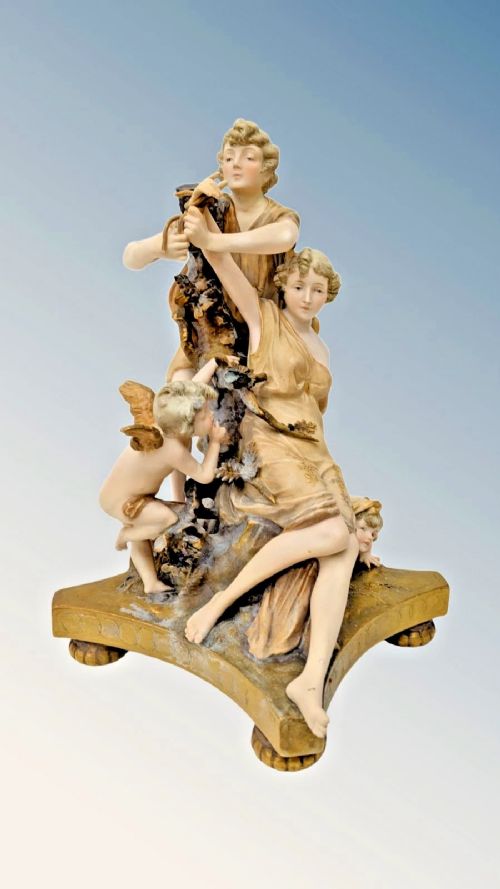

Cream Ceramic Statue
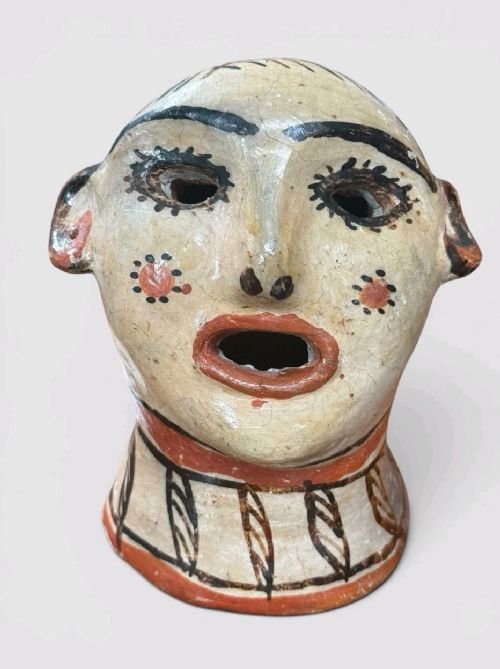
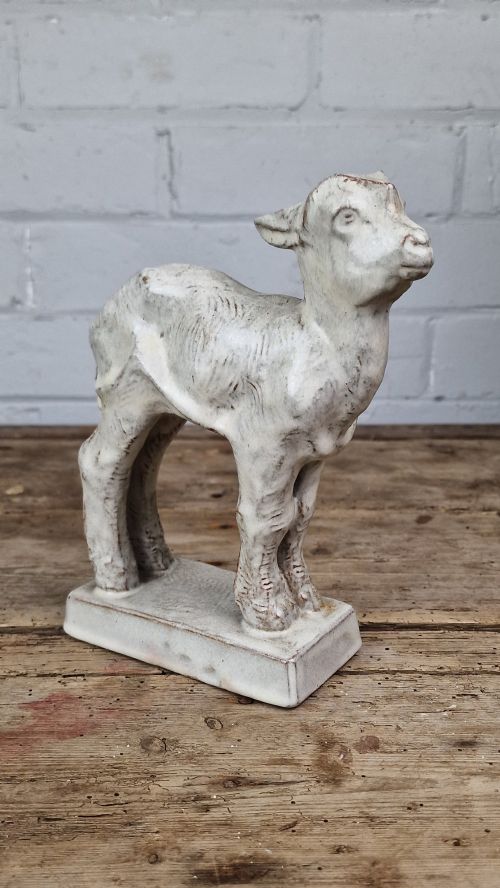
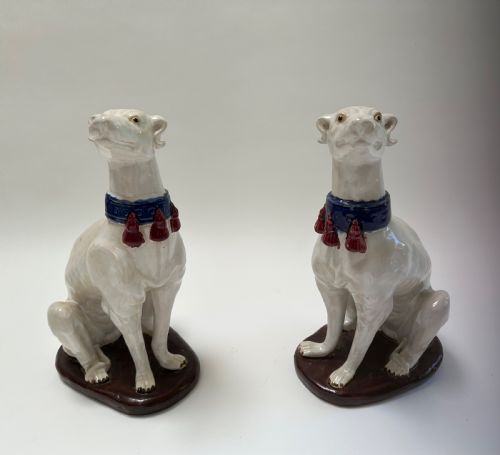
A cream ceramic statue brings tactile historical character to a room, offering classical figures and animal sculptures shaped in porcelain, earthenware, and terracotta.
Cream Ceramic Statue
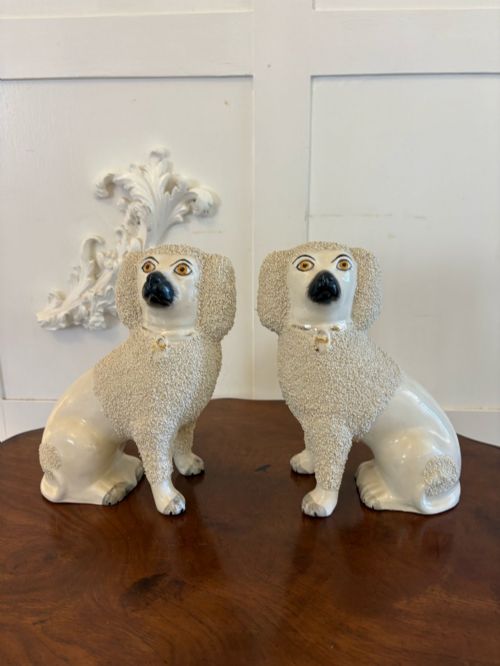
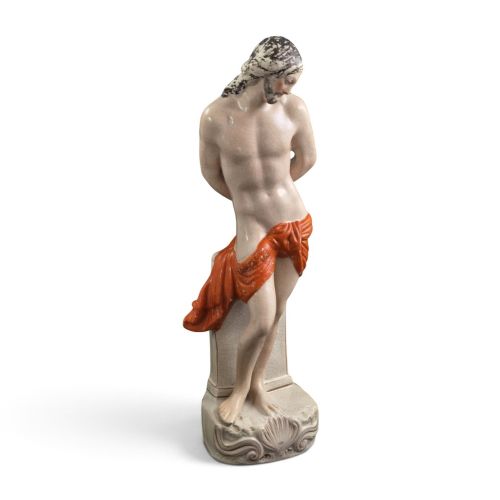
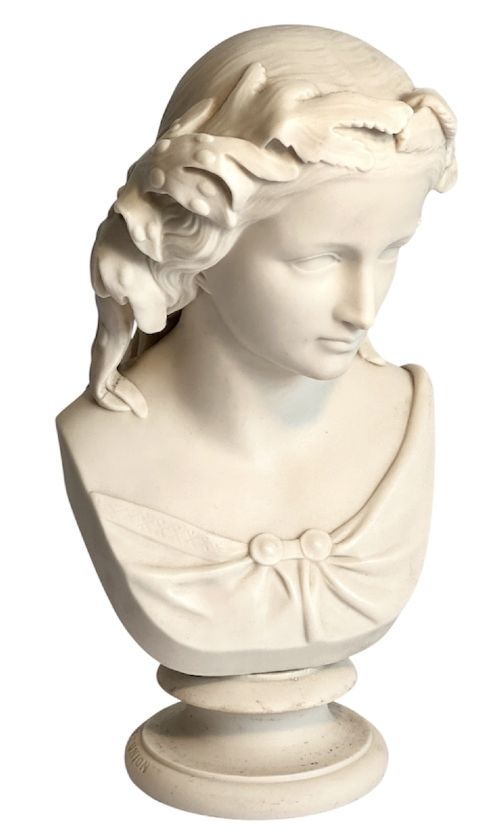
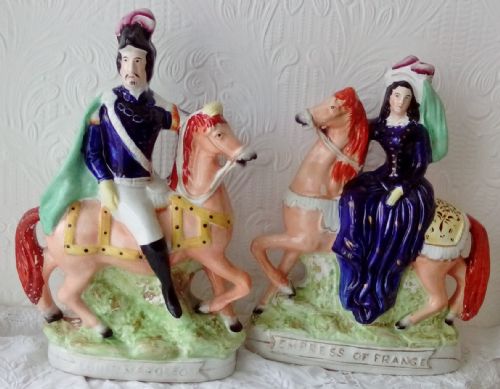
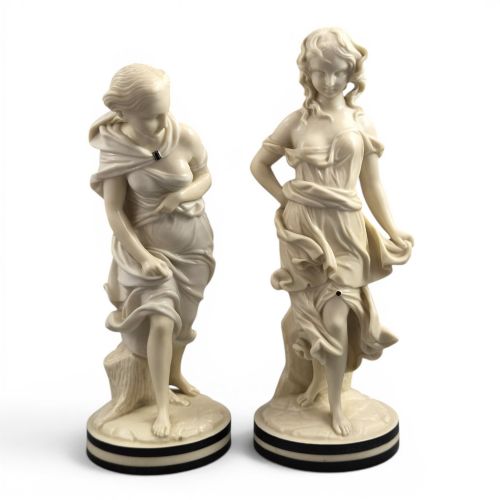
A cream ceramic statue encompasses nineteenth-century Staffordshire pottery figures, Parian ware busts, and Art Deco porcelain models. Buyers seek these pieces for their sculptural forms, ranging from classical maidens to animalier studies.
The Victorian era is heavily represented through Staffordshire pottery pairs and classical Parian figures. Later twentieth-century works extend into Art Nouveau and Art Deco ceramic pieces.
Materials and production methods
Potters utilised materials such as earthenware, porcelain, parian ware, and terracotta. Many figures received glaze or enamel finishes, while specific models incorporated gold leaf highlights.
Moulding and hand modelling shaped the pottery figures and busts. Kiln firing fixed the ceramic bodies before detailed painting or glazing was applied.
Roof tile cats rub shoulders with neoclassical maidens, proving that historic potters possessed a wonderfully varied sense of household decoration.
Judging the standard of ceramic figures
The application of glazes and enamels affects the finish. Higher-grade pieces display even colour application and well-preserved surface detailing.
Royal Worcester·Royal Dux·Volkstedt Richard Eckert
The Cream Ceramic Statue Glossary
- Parian ware
- A fine-grained unglazed porcelain developed in the nineteenth century to imitate marble. It is frequently seen in classical busts and figurative sculptures.
- Staffordshire pottery
- Earthenware figures and animals produced in the English potteries during the Victorian period. They are typically hand-painted and modelled for domestic mantelpieces.
- Terracotta
- Fired unglazed clay ranging in colour from buff to deep red. It is utilised for animalier sculptures and folk art models.
- Bisque
- Unglazed ceramic porcelain that has been fired once. This matte surface is common on nineteenth-century piano babies and portrait figures.
- Majolica
- Tin-glazed earthenware known for colourful lead glazes. It appears on figural groups and animal models.
Cream Ceramic Statue: Frequently Asked Questions
What is a parian statue?
A parian statue is moulded from Parian ware, a type of biscuit porcelain designed to resemble carved white marble. These pieces date largely from the nineteenth century.
Subjects often include classical figures, literary characters, and royal portraits with a smooth, matte finish.
How do I clean ceramic figures?
Ceramic and porcelain figures require gentle dusting with a soft, dry brush. Avoid harsh chemical cleaners that can damage painted enamel surfaces or glazes.
Unglazed bisque and parian pieces absorb oils easily, so clean hands are essential when handling them.
What are piano babies?
Piano babies are large porcelain or bisque figures produced around 1900 to sit on the front of upright pianos. They usually depict children or animals in relaxed poses.
These ceramic pieces were popular decorative items in Victorian and Edwardian parlours.