
Cream Ceramic Pitcher
When you search for a cream ceramic pitcher, you enter a world of earthenware, porcelain, and stoneware vessels spanning the Georgian, Victorian, and Edwardian periods.
Cream Ceramic Pitcher
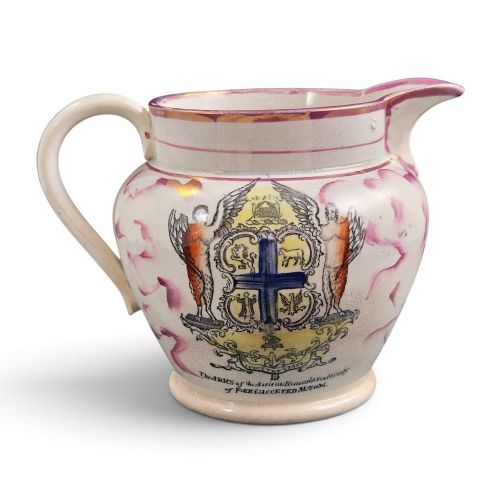
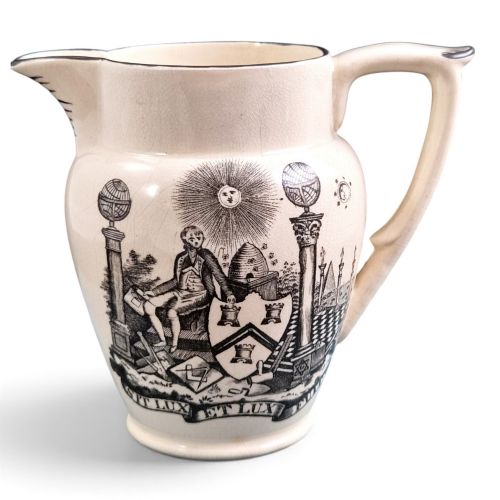
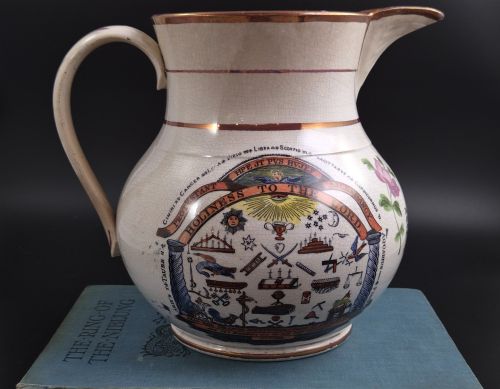
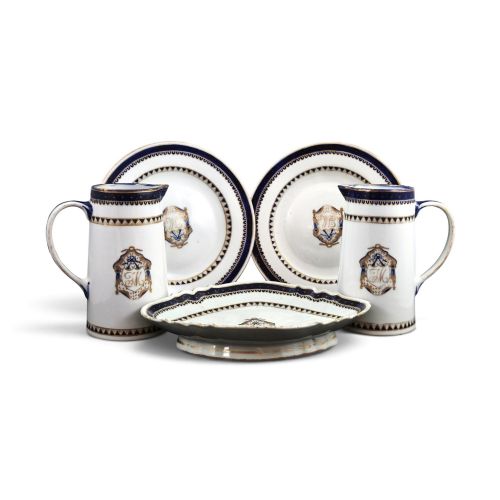
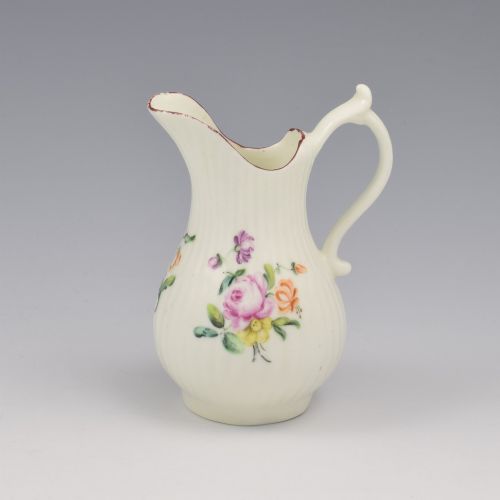
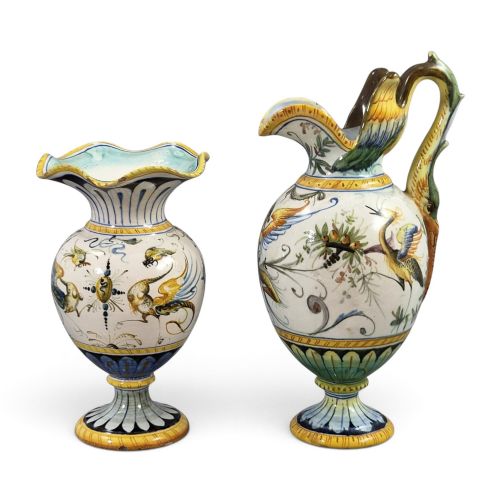
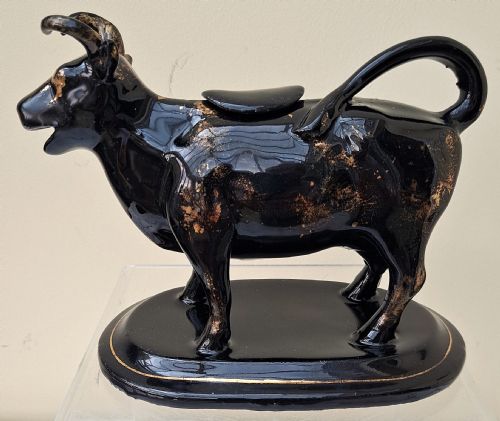
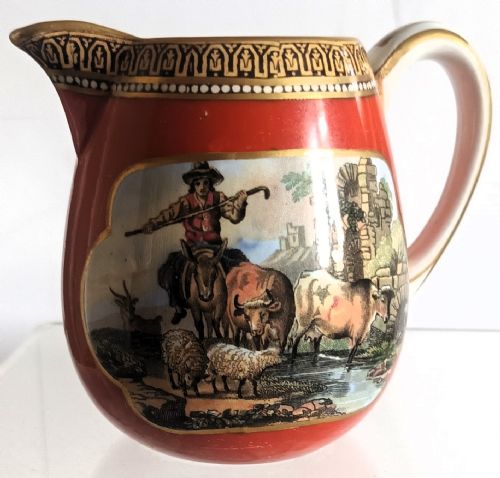
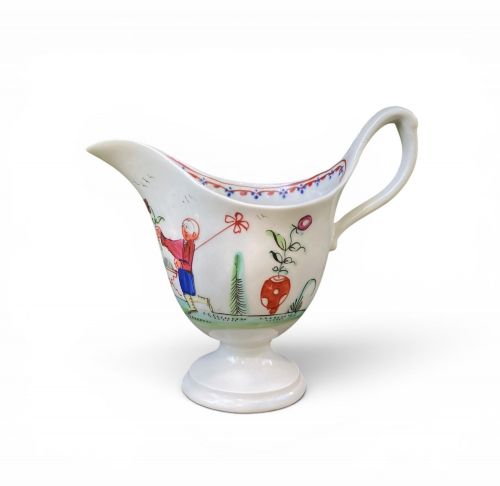
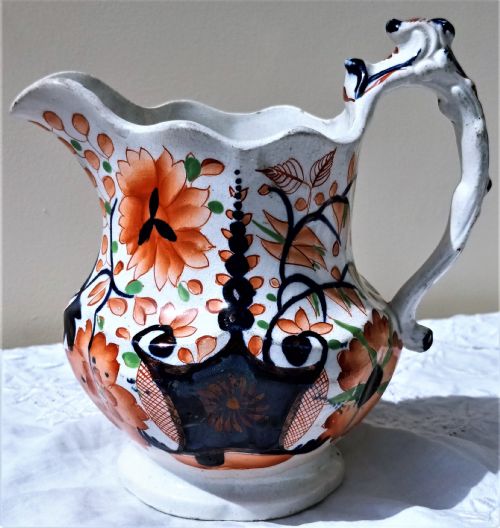
A cream ceramic pitcher brings domestic history directly to the table, taking forms such as cream jugs, milk jugs, decorative ewers, and large water vessels.
The pieces on this page span several centuries, with prominent examples originating in Staffordshire potteries, English porcelain works, and continental European kilns.
Makers utilised earthenware, creamware, pearlware, and porcelain, shaping functional vessels that doubled as decorative objects in Georgian and Victorian households.
Materials and Techniques
Potters shaped these pitchers using local clays, refined earthenware, or fine paste porcelain, often employing moulds to create cabbage leaf textures, fluted baluster bodies, or relief decoration.
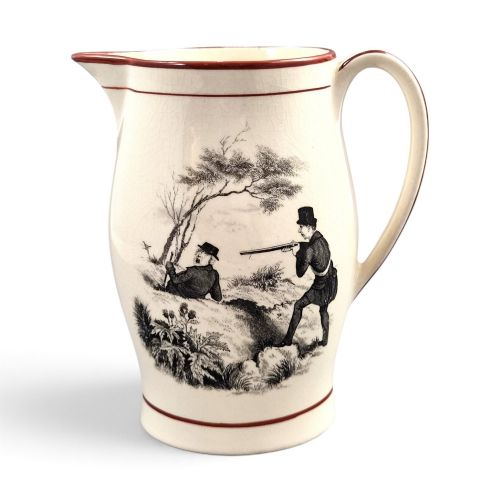
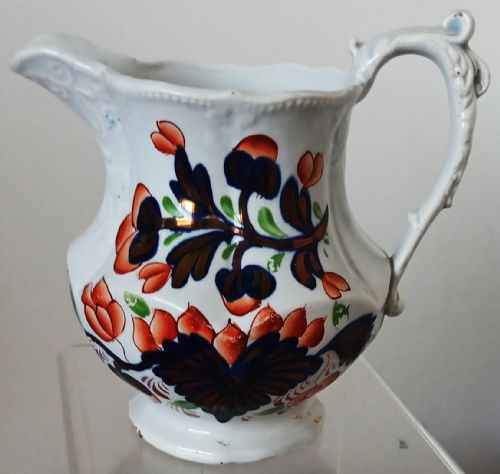
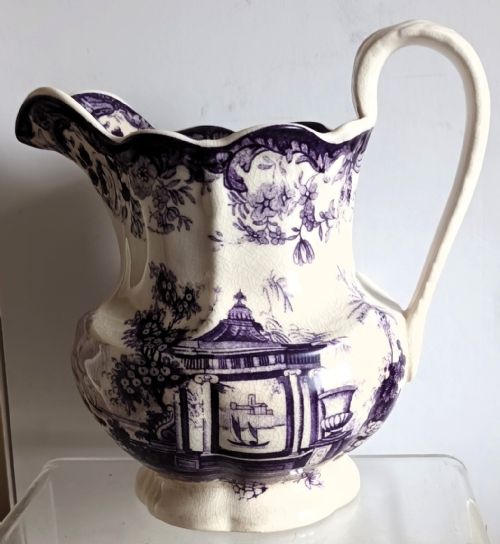
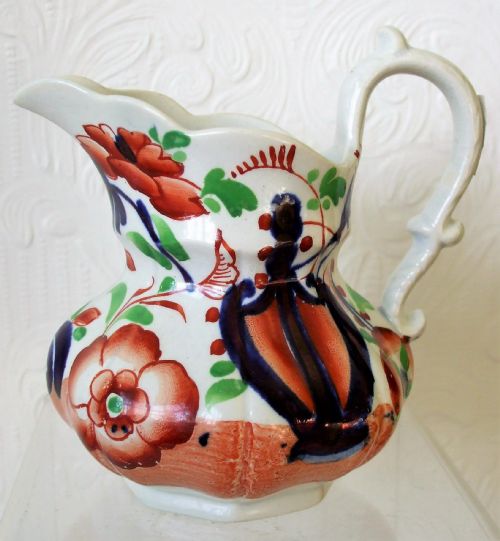
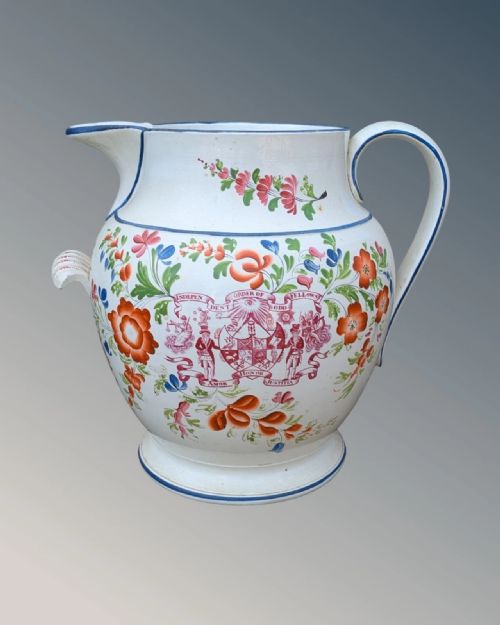
Surface finish relied upon specialised techniques, including black or coloured transfer printing, hand-painted enamels, lustring, and glossy glazes.
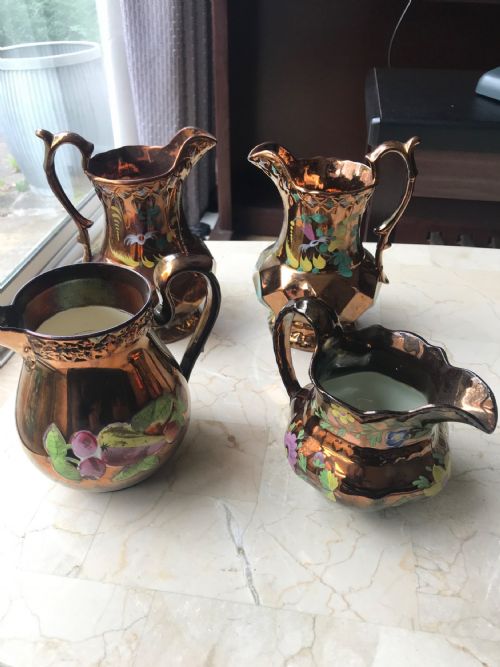
Firing took place in traditional kilns where copper, gold leaf, and metallic oxides interacted with the heat to produce distinctive lustre effects and rich polychrome palettes.
Listings feature earthenware, porcelain, and stoneware forms spanning the Georgian, Victorian, and Edwardian periods.
Evaluating Quality and Execution
Quality rests upon the crispness of the moulding and the delicacy of the potting, where thinner walls and refined handles demonstrate superior technical skill.
Painted and printed decoration dictates visual success, distinguishing masterwork transfers and precise hand-painting from simpler, repetitive commercial output.
The reputation of the pottery, factory, or decorator anchors the status of a piece, with documented works from notable ceramic centres commanding deeper historical interest.
Royal Worcester·New Hall·Doulton Lambeth·Jones & Walley·Phillips & Bagster
The Cream Ceramic Pitcher Glossary
- Creamware
- A fine light-coloured earthenware developed in Yorkshire and Staffordshire during the eighteenth century. It replaced heavier earthenwares with a smooth, pale cream glaze.
- Pearlware
- An improved earthenware body introduced in the late eighteenth century. A subtle blue tint in the glaze masked the natural cream colour of the clay to imitate Chinese porcelain.
- Transfer print
- A decorative technique where an engraved copper plate applied ink to tissue paper, which was then pressed onto the ceramic biscuit. This allowed intricate pictorial scenes to be transferred before glazing.
- Lustre
- A metallic pottery finish created by applying a thin layer of metallic salts such as copper or gold. Firing in a reduced oxygen atmosphere produced a reflective, iridescent surface.
- Ewer
- A large pitcher with a wide spout and elaborate handle designed for pouring water. Historically used at the washstand or dining table, these objects frequently display sculptural ornamentation.
Cream Ceramic Pitcher: Frequently Asked Questions
What is the difference between earthenware and porcelain pitchers?
Earthenware utilises porous clay fired at lower temperatures, resulting in heavier, opaque vessels that often require glaze for waterproofing. Porcelain employs refined kaolin clay fired at high heat, producing a vitrified, translucent body.
Historically, earthenware suited everyday utilitarian kitchenwares and slip-cast ornamental jugs. Porcelain served more refined dining settings, offering greater delicacy and resistance to thermal shock.
Can I use these antique pitchers for serving liquids?
Many antique pitchers remain structurally sound for serving water, milk, or cream. However, historic glazes on early earthenware may contain lead, and old hair-cracks can harbour bacteria.
Collectors generally reserve these pieces for display, floral arrangement, or dry storage rather than daily culinary use. Gentle hand washing without harsh detergents protects fragile transfer prints and old glazes.
How should I care for antique ceramic pitchers?
Display these vessels away from direct sunlight and sudden temperature fluctuations to prevent glaze crazing. Cleaning requires lukewarm water and a soft cloth rather than automated dishwashers.
Supporting the base rather than lifting solely by the handle prevents stress fractures on fragile porcelain or earthenware junctions.