


Cream Ceramic Figurine
Cream ceramic figurine spans Staffordshire pottery, Royal Worcester porcelain and Satsuma okimono, bringing Victorian and Art Deco subjects to any room.
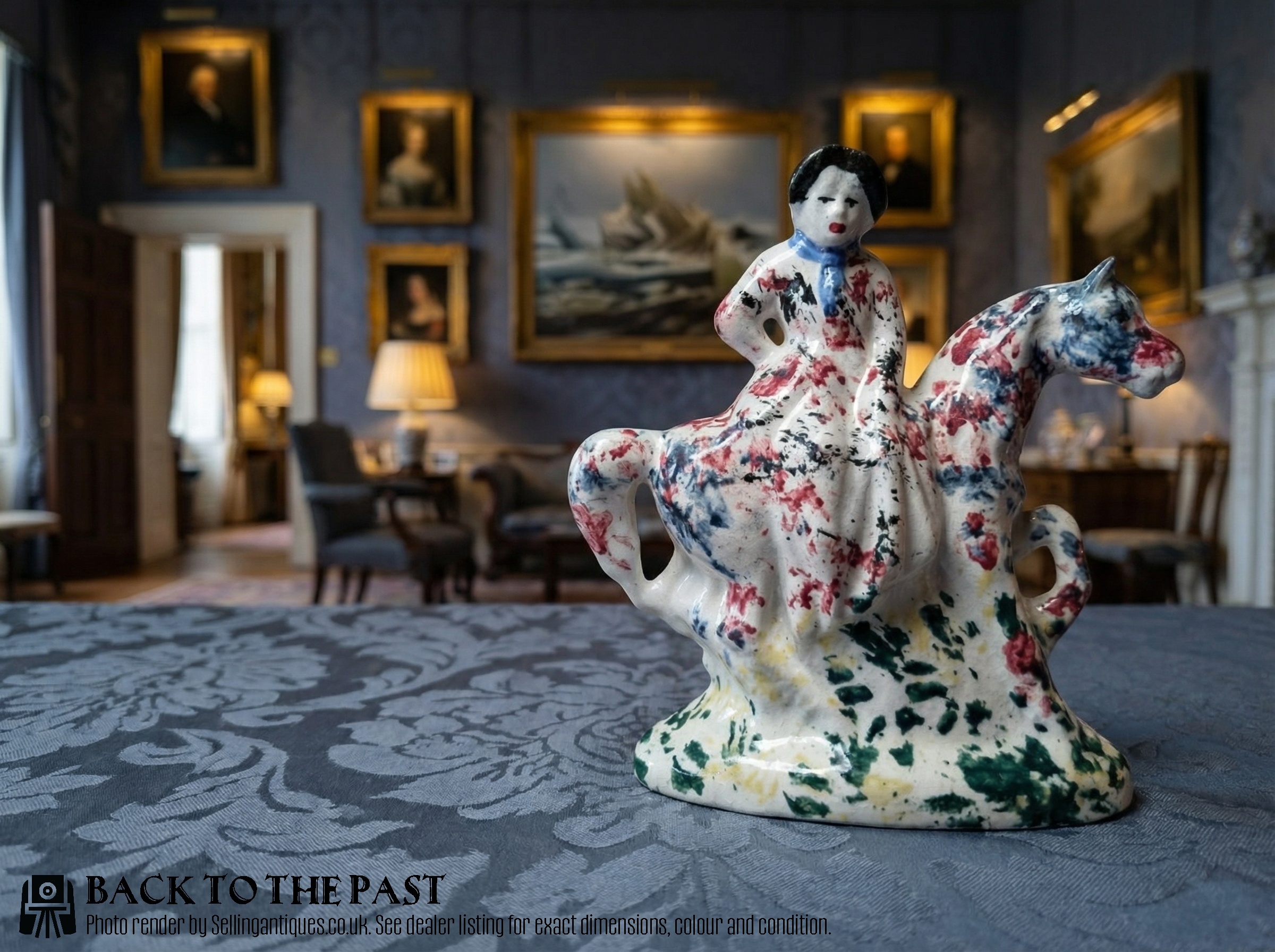
Cream Ceramic Figurine
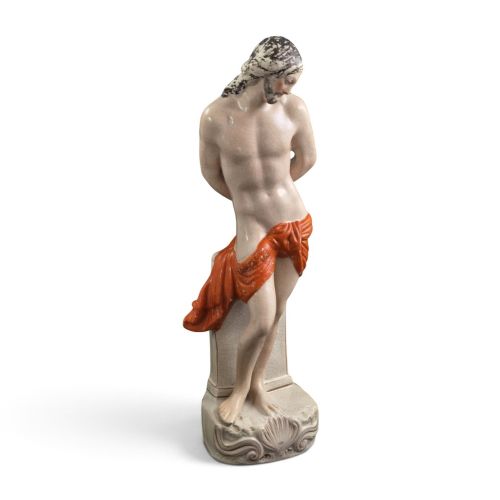
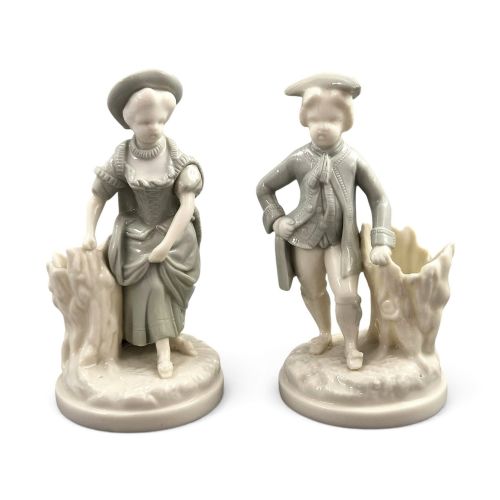
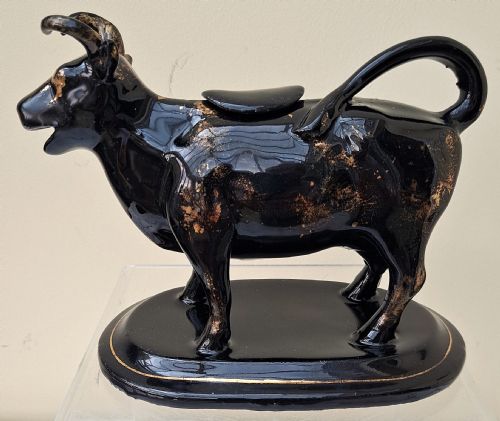
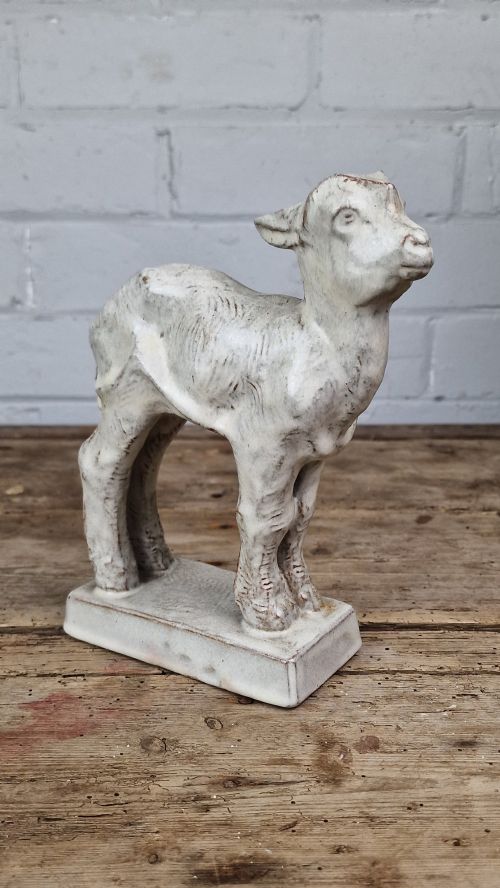
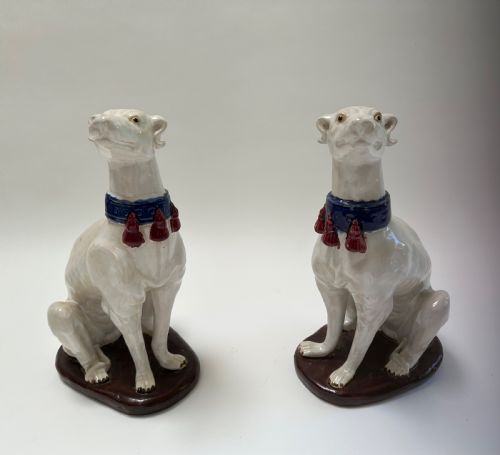
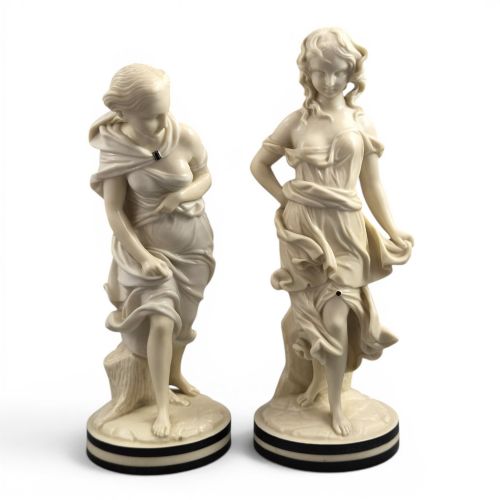
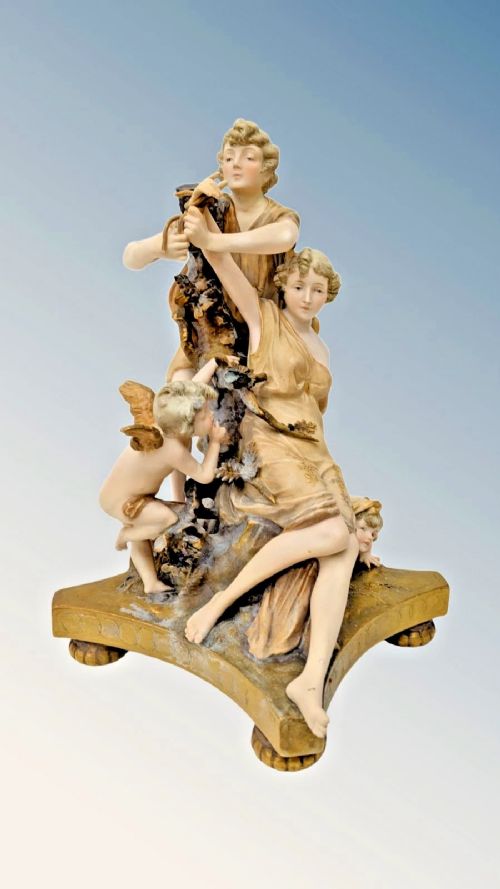
A cream ceramic figurine encompasses diverse sculptural forms shaped from porcelain, earthenware and terracotta across the nineteenth and twentieth centuries. Buyers search this phrase to find human subjects, mythological figures and animal models produced by European potteries and Japanese workshops.
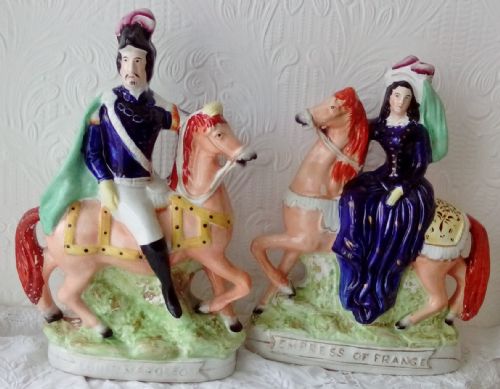
The pieces appearing on this page range from Victorian Staffordshire earthenware dogs and figures to Royal Worcester classical maidens and Art Deco terracottas. Each example demonstrates the sculptural ambitions of its period, utilising light-toned glazes and painted details to define the subject.
Examples frequently take the form of freestanding decorative figures, figural salts, animalier groups and table centerpieces. These objects preserve the modeling standards of nineteenth century revival styles and twentieth century modernism.
Materials and production methods
Makers shaped these sculptures from porcelain, earthenware, terracotta and Parian ware, applying enamel paints, gold leaf and translucent glazes to the fired clay bodies. Potters utilised moulds for Staffordshire and Royal Dux figures, while Japanese okimono and European animalier models received detailed hand-modelling.
Factories such as Royal Worcester and Volkstedt employed specialised ceramic bodies combined with carefully controlled kiln firings to achieve smooth surfaces and crisp relief details. Artisans then applied polychrome enamel or left the cream ceramic body unglazed to highlight the contours of the sculptured forms.
The selection includes figures created during the Victorian, Art Nouveau, Art Deco and Meiji periods.
Assessing sculptural quality
The reputation of the maker and the sophistication of the design separate standard production wares from superior sculptural pieces. Works bearing factory marks from established potteries or attributed to named modelers demonstrate greater artistic ambition in their execution.
Royal Worcester·Royal Dux·Volkstedt Richard Eckert
The Cream Ceramic Figurine Glossary
- Bisque
- Unglazed ceramic fired once to a porous state, often utilised for nineteenth century figures and piano babies. This matte surface allows fine sculptural details to remain crisp and unclouded by glaze.
- Parian ware
- A fine-grained white porcelain developed in the nineteenth century to imitate carved marble. It possesses a smooth, marble-like texture well suited to classical figures and portrait busts.
- Staffordshire pottery
- Earthenware produced in the Staffordshire region of England, encompassing figure groups, animals and portrait models. These utilitarian and decorative objects feature hand-painted underglaze colours.
- Okimono
- Japanese decorative carved or modeled objects designed for display in a household alcove. Meiji period examples in ceramic and porcelain depict figures, deities and animals with high technical skill.
- Earthenware
- Porous pottery fired at lower temperatures than porcelain, requiring a glaze to render it waterproof. It forms the body of many nineteenth century figures and decorative vessels.
Cream Ceramic Figurine: Frequently Asked Questions
How do I clean a cream ceramic figurine safely?
Dust the surface gently using a soft, dry brush to remove particles without disturbing painted details or delicate extremities.
Avoid immersing old ceramics in water, especially earthenware or pieces with enamel paint and gold leaf, which can suffer permanent damage from moisture.
What is the difference between porcelain and earthenware figures?
Porcelain is fired at higher temperatures until vitrified, producing a dense, non-porous material that often rings when struck and allows for thinner, crisper modeling.
Earthenware is fired at lower temperatures, resulting in a heavier, more porous body that requires an opaque or clear glaze to seal the surface.
How can I tell a Victorian figure from an Art Deco one?
Victorian figures typically display ornate detailing, classical revival motifs or sentimental subjects inspired by literature and nature, rendered in glossy or matte painted finishes.
Art Deco pieces favor streamlined geometry, stylized animal and human forms, and simplified planes that reflect the modernist design movements of the interwar decades.
Where were Staffordshire figures displayed originally?
Staffordshire figures and dogs were designed primarily for mantelpieces, cottage dressers and parlour sideboards in nineteenth-century British homes.
These decorative ornaments provided affordable colour and character to domestic interiors while reflecting popular political figures and stories of the day.