



Antique Scottish Pottery
Antique scottish pottery brings rustic charm and narrative history into a room through earthenware figures, dairy bowls, and commemorative dishes.
Antique Scottish Pottery
When you search for antique scottish pottery, you encounter a distinct regional tradition spanning the nineteenth century, featuring earthenware and stoneware forms that capture local heritage.
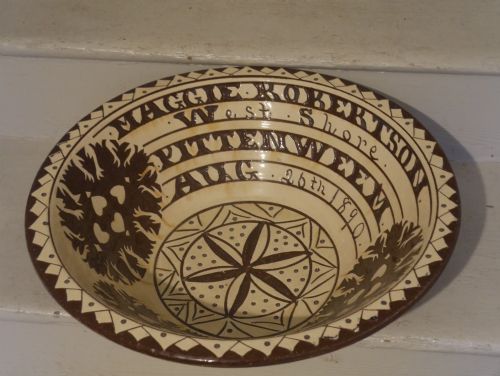
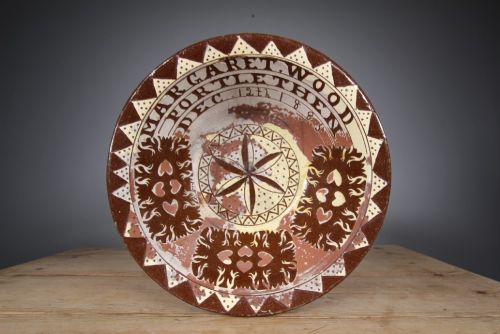
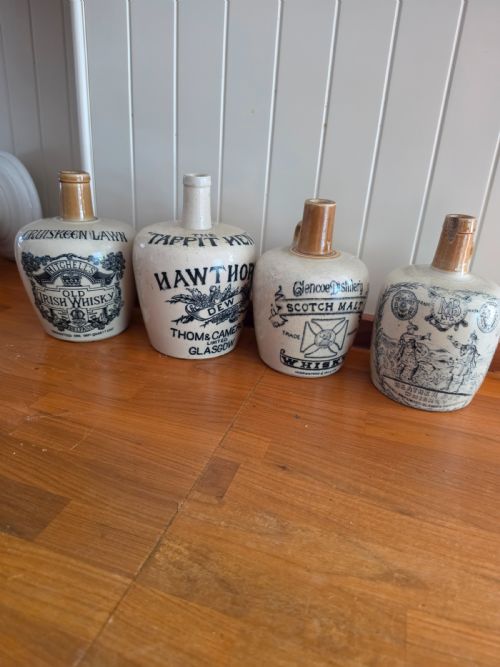
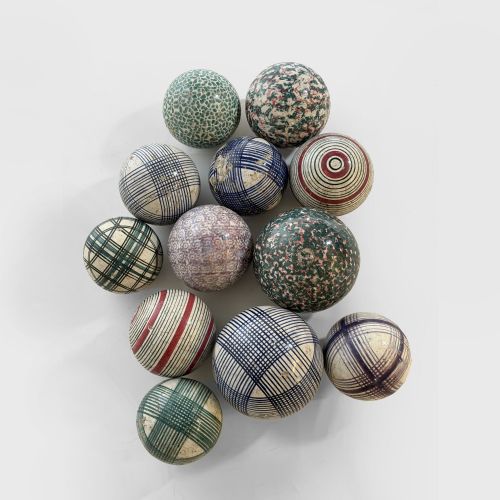
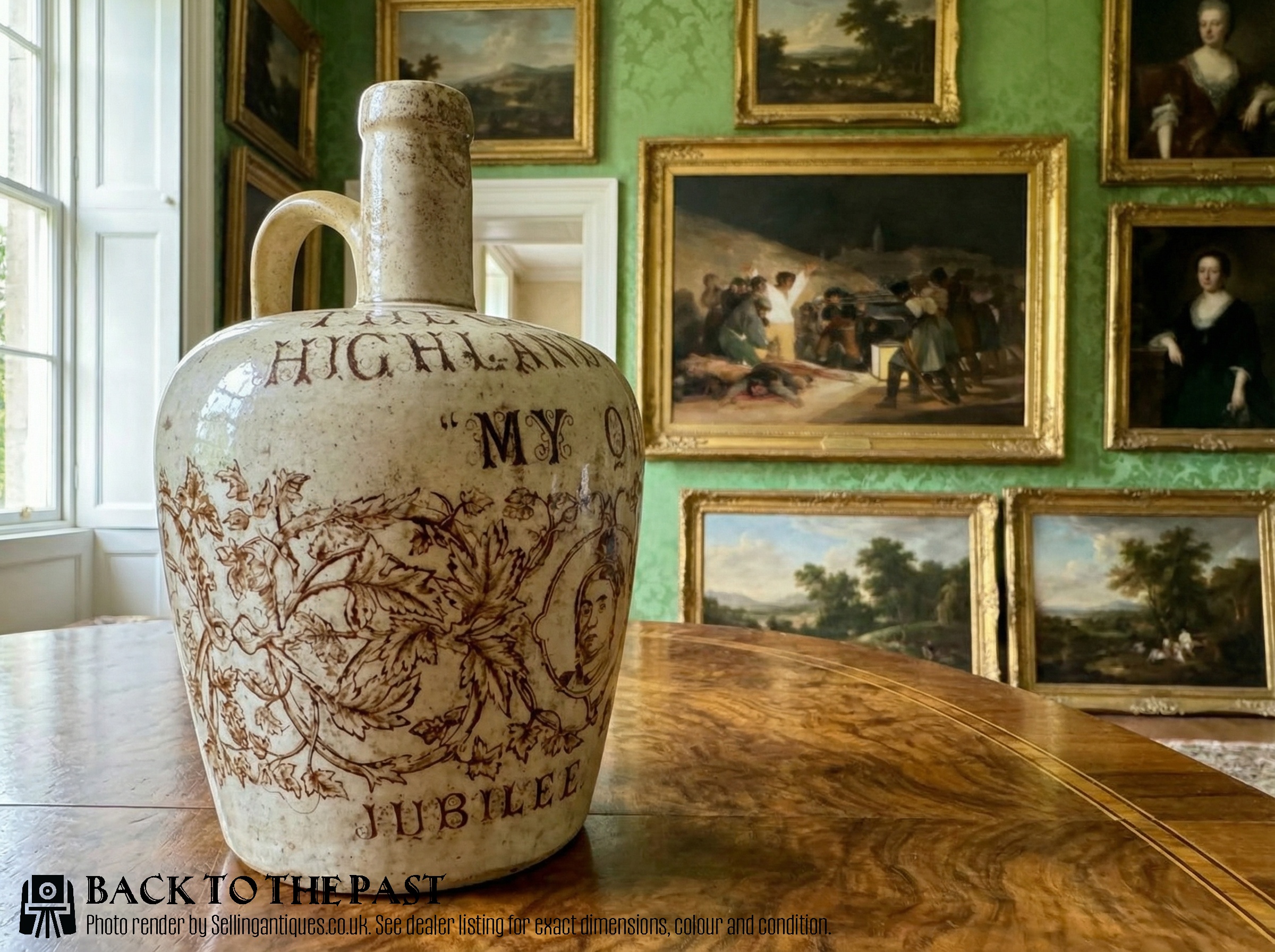
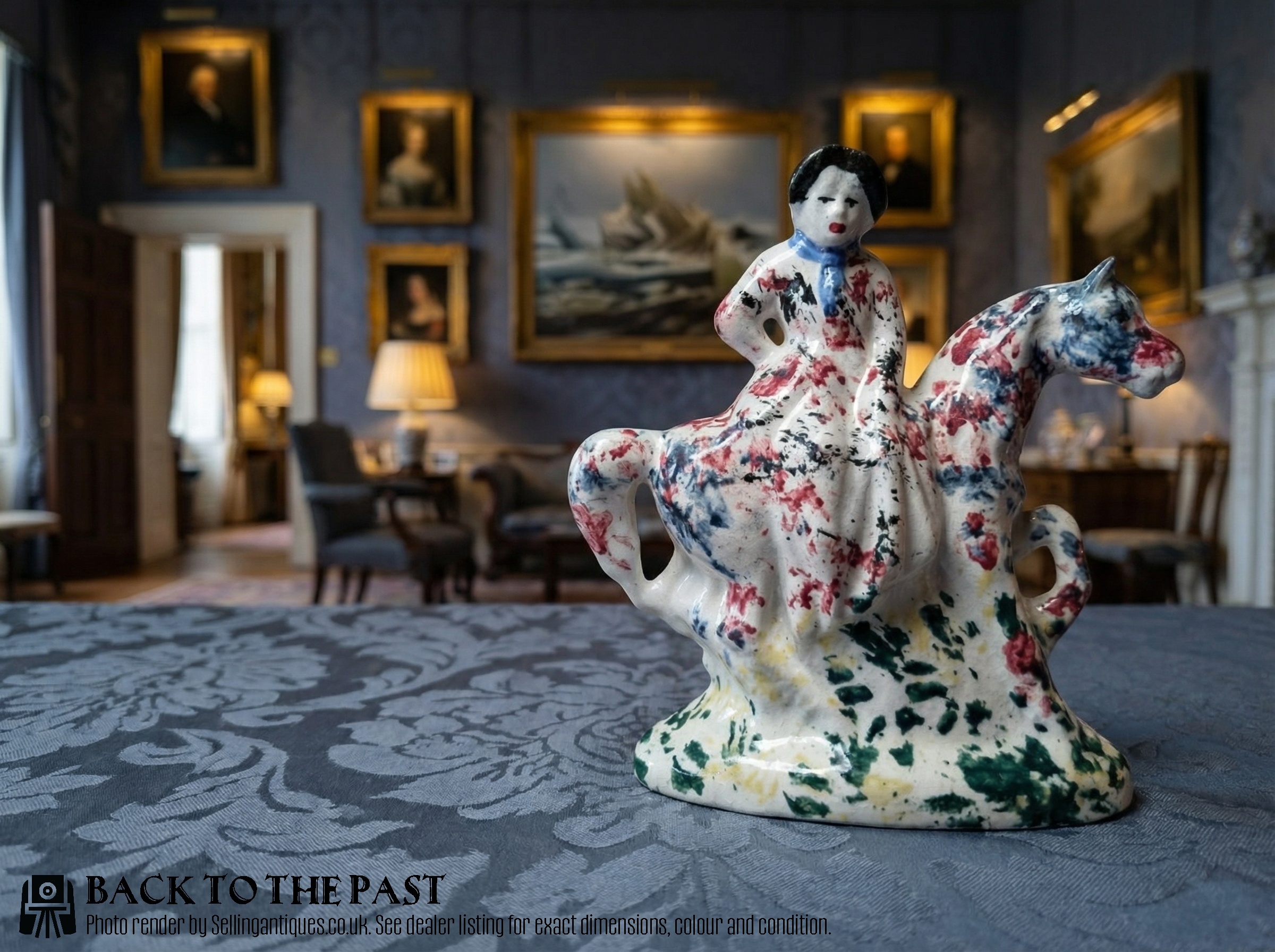
The pieces you meet most often on this page include slipware dairy bowls, stoneware whisky flasks, commemorative dishes, and hand-painted figures depicting Scottish subjects.
Makers and potteries such as Wemyss, Seaton, and Portobello produced both utilitarian dairy vessels and decorative items that reflect Victorian folk art sensibilities.
What varies in quality
The standard of modelling defines the finer figures, where facial expressions and painted details remain crisp rather than crude.
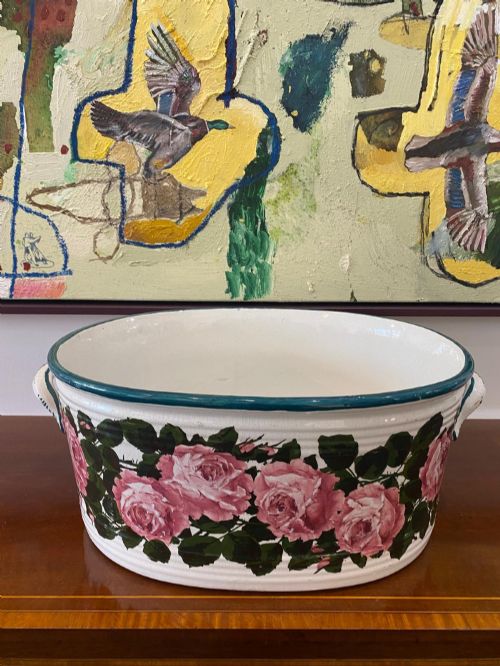
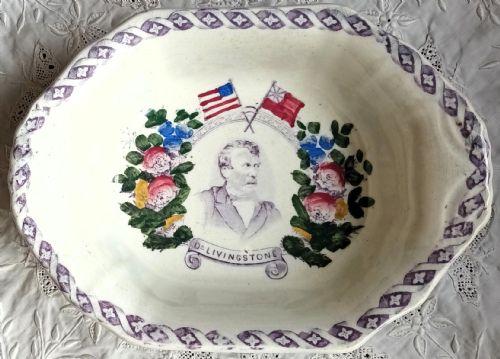
Hand-painted floral patterns, such as the cabbage roses on Wemyss pieces, show varying levels of artistic brushwork and colour saturation.
The preservation of original glazes and surfaces without excessive restoration separates ordinary utility wares from collector pieces.
Listings feature nineteenth-century earthenware, stoneware, and lead glaze across utilitarian dairy bowls and decorative Scottish figures.
Wemyss·Seaton Pottery·Portobello·Port Dundass
The Antique Scottish Pottery Glossary
- Slipware
- Pottery decorated with a liquid clay mixture called slip, trailed or brushed onto the body before firing to create linear patterns.
- Flatback
- A figure moulded with a flat, unpainted rear side intended to stand flush against a mantelpiece or wall.
- Stoneware
- A heavy, dense ceramic fired at high temperatures until vitrified, making the body completely waterproof and durable.
- Majolica
- A colourful lead-glazed earthenware style popular in the Victorian era, known for vibrant tones and botanical relief moulding.
Antique Scottish Pottery: Frequently Asked Questions
How do I identify Wemyss pottery?
Wemyss pieces often display naturalistic painted motifs like cabbage roses or fruit, executed with distinct painterly confidence. They typically date from the late nineteenth or early twentieth century.
Look for specific forms such as troughs, trays, and footbaths, which show a heavier, tactile ceramic body beneath bright glazes.
What were stoneware whisky flasks used for?
These sturdy vessels served as commercial containers for storing and transporting spirits during the nineteenth century. Taverns and merchants utilised them for bulk distribution.
Collectors prize them today for their utilitarian strength, salt-glazed finishes, and stamped advertising inscriptions.
Are flatback figures meant to be viewed from all sides?
Flatback figures feature finished decoration only on the front and sides, leaving the reverse largely flat and plain. Potters designed them this way to sit securely on narrow mantelpieces.
This construction method is a hallmark of nineteenth-century regional and Staffordshire figures.
How should I clean antique earthenware?
Dust these ceramic pieces gently with a dry, soft brush to protect fragile enamel paints and old glazes. Avoid soaking earthenware, as porous bodies can absorb moisture through hairline cracks.
Display them away from direct sunlight and excessive humidity to preserve the painted surfaces.