


Folk Art Ceramic Ornament
These folk art ceramic ornament pieces bring vernacular character into a room, spanning figures, animals, and shoes made across the nineteenth and early twentieth centuries.
Folk Art Ceramic Ornament
A folk art ceramic ornament embodies domestic creativity and regional traditions, spanning individual portraits, animals, and decorative footwear. Buyers seeking this phrase encounter Staffordshire pottery figures, Quimper faience, and French roof tile cats alongside Scandinavian and Dutch porcelain examples.
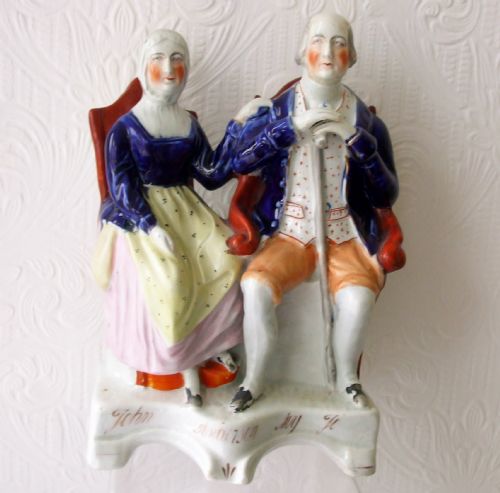
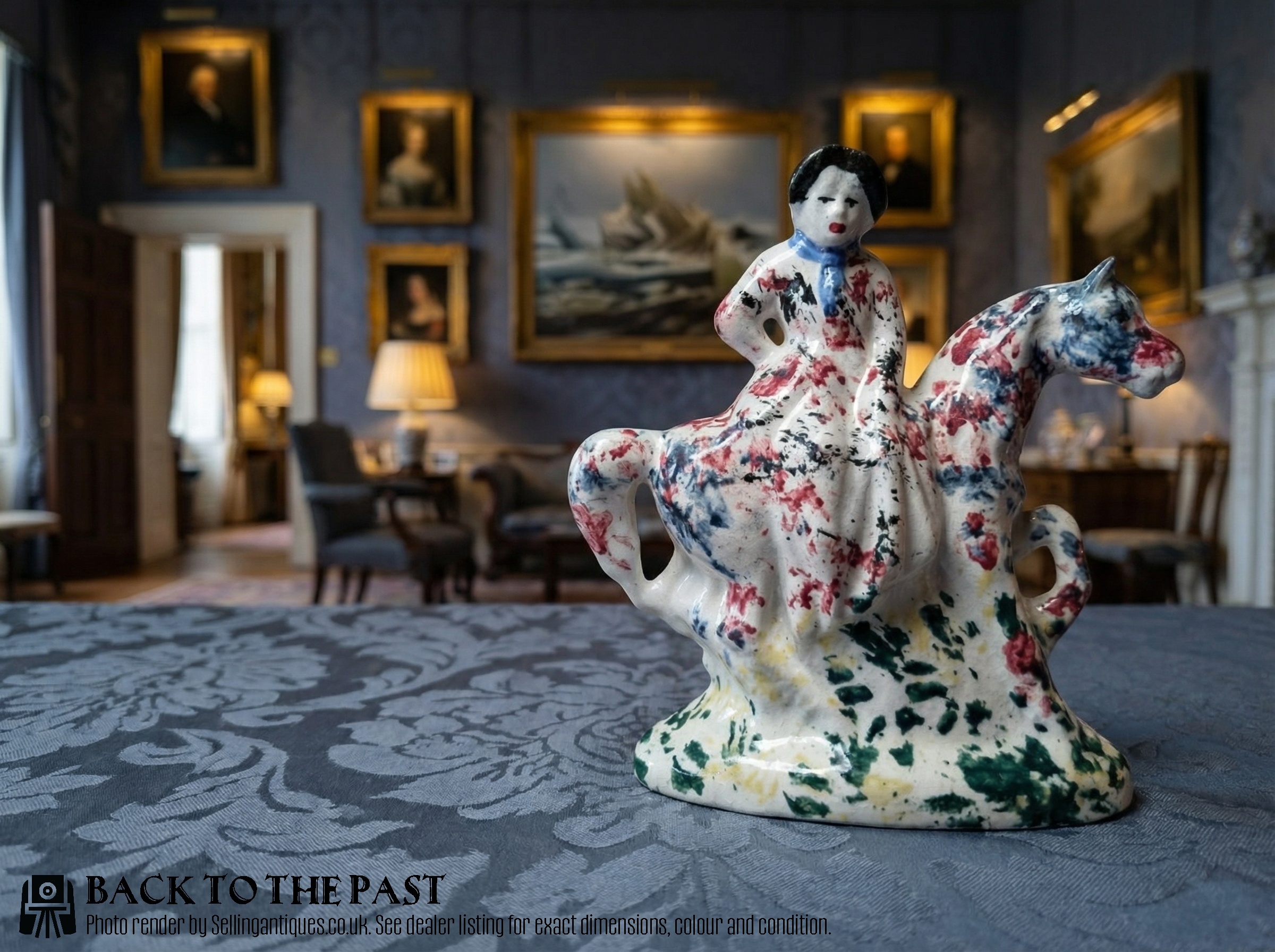
The objects on this page largely comprise nineteenth-century English Staffordshire pieces, including flatbacks, equestrian groups, and narrative subjects like Robin Hood or literary characters. French provincial faience sabots and Portobello figures also appear, offering varied expressions of popular ceramic craft.
Most items date from the Victorian period through the early twentieth century, showing rural and domestic subjects modelled for mantelpieces and shelves. These figures reflect the vernacular tastes of their makers rather than high academic sculpture.
Materials and construction
Makers shaped these pieces from earthenware, terracotta, and porcelain, applying lead glazes, enamel, and enamel paint for surface decoration. Earthenware forms dominate the English Staffordshire and French pottery, providing a porous body suited to bright painted details.
Listings feature earthenware, terracotta, and porcelain materials shaped into decorative figures, animals, and shoes.
Assessing quality in folk art ceramics
Quality rests on the crispness of the moulding and the expressiveness of the hand-painted decoration, which varies from rapid commercial work to more detailed character studies. Stronger pieces retain clear modelling in the faces and garments without blurring from heavy glaze pooling.
The survival of original enamel paint and the stability of the ceramic body distinguish better-preserved examples. Differences in finish arise from workshop traditions, ranging from the smooth glaze of Royal Copenhagen figures to the rustic surface of terracotta roof tiles.
Royal Copenhagen·Rozenburg·Bavent
The Folk Art Ceramic Ornament Glossary
- Flatback
- A ceramic figure modelled with a finished front and a flat, unpainted reverse intended to stand against a wall on a mantelpiece.
- Faience
- Tin-glazed earthenware produced in France and other European regions, typically decorated with painted folk motifs.
- Sabot
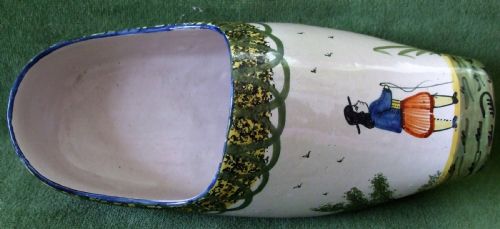
- A traditional wooden shoe shape rendered in ceramic, frequently seen in French Quimper pottery productions.
- Lead glaze
- A glossy coating applied to earthenware before firing that deepens colour and protects the clay body.
Folk Art Ceramic Ornament: Frequently Asked Questions
What is a Staffordshire flatback?
A Staffordshire flatback is a ceramic figure designed during the Victorian era to sit on a mantelpiece or shelf. The back is left unglazed and flat because the maker intended the piece to be viewed solely from the front.
These figures often depict popular heroes, literary characters, or domestic animals, reflecting the popular culture of nineteenth-century Britain.
How do I date an antique ceramic figure?
Dating involves examining the clay body, glaze type, and painting style alongside any factory marks or registry stamps. Victorian pieces typically employ earthenware with hand-applied enamel colours over a lead glaze.
Changes in subject matter and costume details also provide clues to the decade of manufacture, matching the Victorian and early twentieth-century eras seen across these listings.
Where were Quimper sabots made?
Quimper sabots were produced in the Quimper region of France, taking the form of traditional wooden shoes modelled in faience. Potters decorated them with hand-painted regional figures and floral patterns.
These decorative objects served as mantel ornaments or souvenirs in French provincial interiors.
How should I care for antique earthenware?
Antique earthenware requires gentle dusting with a dry, soft cloth to protect fragile enamel paints and old glaze surfaces. Avoid using water or chemical cleaners, which can penetrate porous unglazed areas or lift the hand-painted details.
Keep the pieces out of direct sunlight and away from damp areas to preserve the ceramic body over time.