


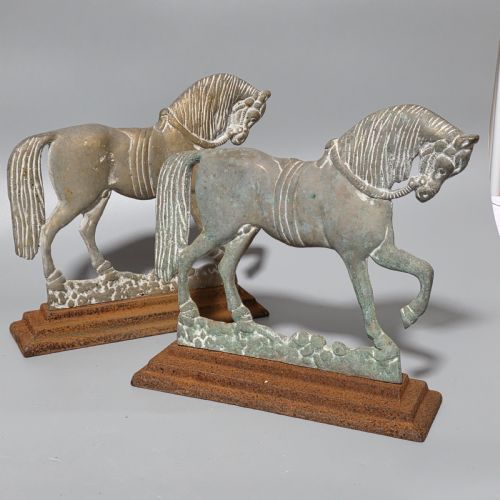


Victorian Equestrian Ornament
A victorian equestrian ornament brings the power and presence of the horse into domestic and architectural spaces.
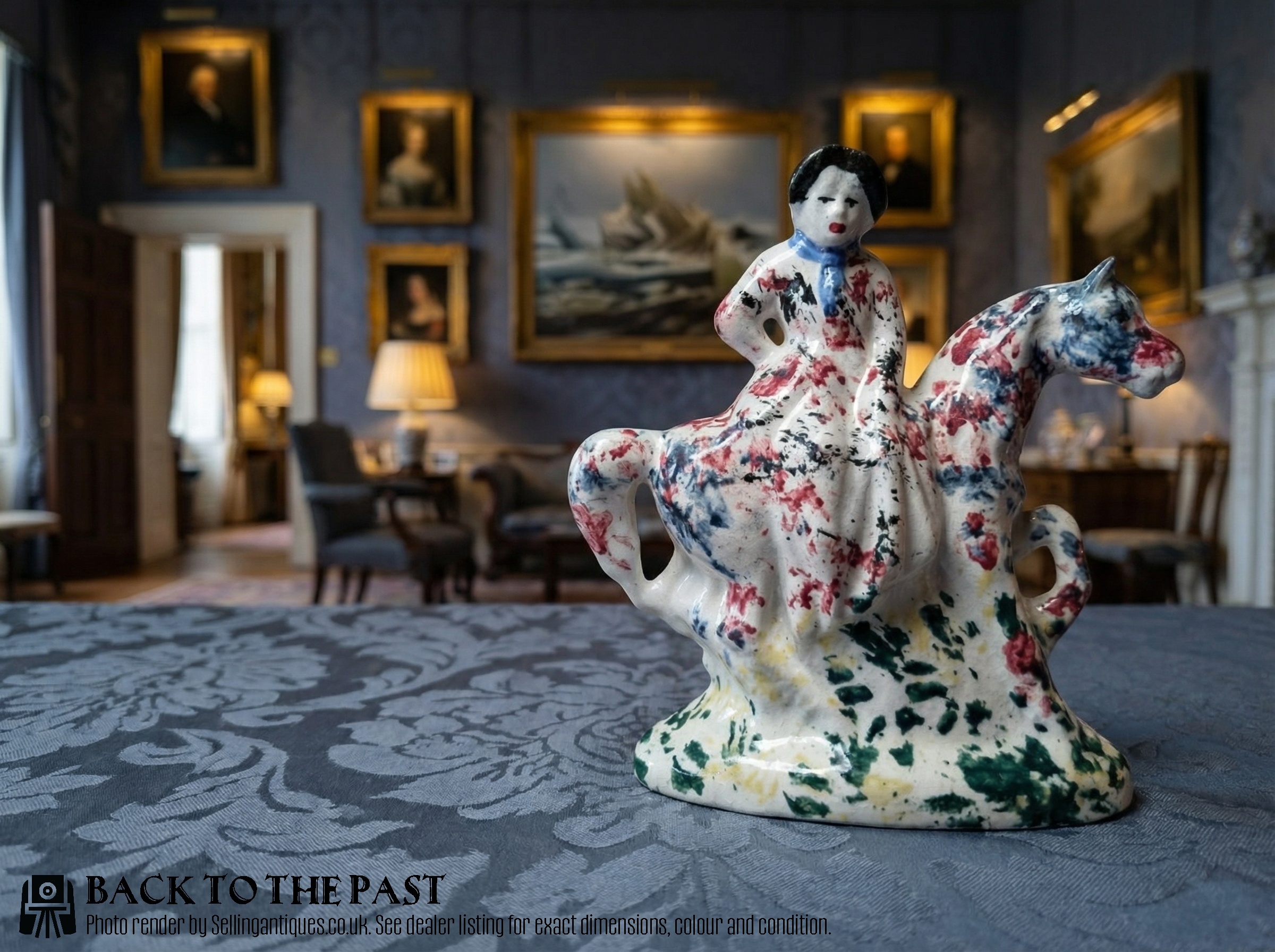
Victorian Equestrian Ornament
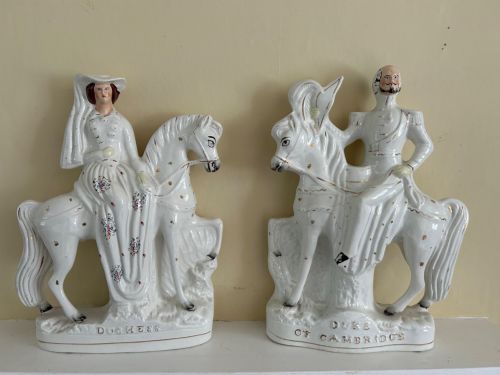
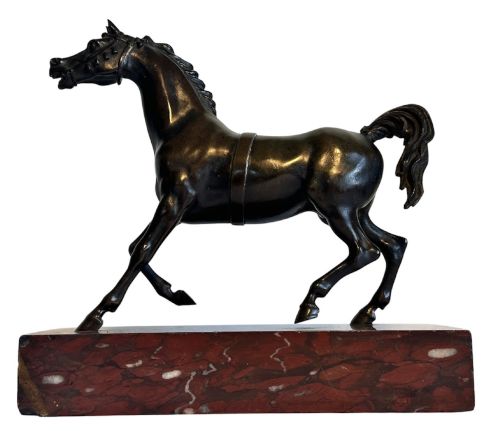
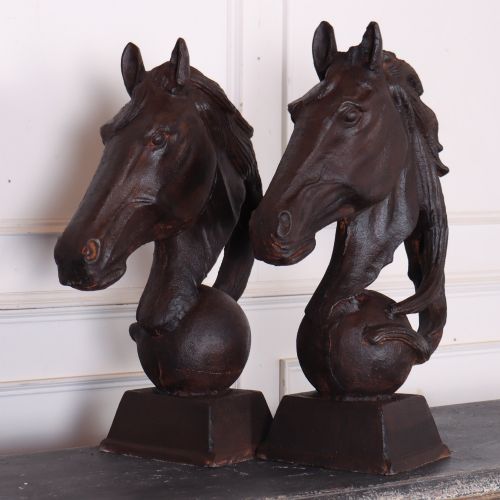
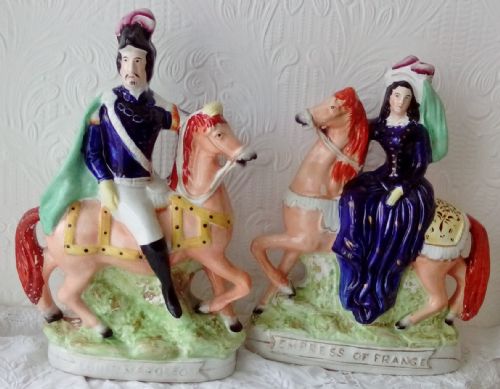
A victorian equestrian ornament encompasses a diverse range of objects, from Staffordshire pottery flatbacks to heavy metal doorstops and bronze sculptures. You will frequently encounter ceramic figures depicting riders, royals, and historical figures on horseback alongside functional brass and cast iron pieces.
The materials span earthenware, glazed ceramics, cast iron, brass, and bronze, reflecting both utilitarian street hardware and parlour display pieces. Many examples capture domestic or political subjects of the nineteenth century, including jockeys, Highlanders, and military commanders.
Moulded pottery figures dominate the selection, often modelled as flatbacks intended to sit flush against a mantelpiece. Alongside these, bronze animalier sculptures and heavy metal doorstops offer sturdy utility and sculptural detail.
Materials and construction methods
Ceramic pieces rely on earthenware and pottery clay, shaped through press moulding and finished with glazes or enamel paint. Staffordshire potters often worked in two-part moulds, leaving hollow backs on mantelpiece figures.
Metal items employ casting techniques in brass, bronze, and cast iron. Iron hitching posts and doorstops utilise heavy sand-casting for durability, while bronze sculptures use the lost-wax method to capture fine musculature and surface texture.
Listings feature 19th-century periods alongside materials such as earthenware, bronze, cast iron, and brass.
Judging the quality of these pieces
Metal castings distinguish themselves through surface detail and patination. Superior bronzes preserve sharp anatomical lines and delicate chasing, while better brass and iron doorstops retain solid weight and clean edges without heavy casting pits.
Pierre Jules·Franz Bergman
The Victorian Equestrian Ornament Glossary
- Flatback
- A ceramic figure with a finished front and a plain, unmodelled back designed to stand against a wall. This construction method saved clay and simplified production for mantelpiece display.
- Animalier
- A nineteenth-century artistic style focusing on realistic depictions of animals, particularly horses and predators. Sculptors in this tradition studied anatomy closely to convey movement and muscle tension.
- Hitching post
- A sturdy post anchored outside a building to tie up horses. Cast iron versions often feature decorative horse heads.
- Doorstop
- A heavy weighted object used to keep doors open. Brass and iron equines served this practical domestic purpose.
- Staffordshire pottery
- Earthenware produced in the potteries of Staffordshire, England. These works include popular portrait figures and folk groups.
Victorian Equestrian Ornament: Frequently Asked Questions
What is a flatback figure?
A flatback figure is a ceramic piece moulded with a detailed front and a flat, unpainted reverse. These were designed specifically to sit securely on narrow mantelpieces.
Peculiar to nineteenth-century Staffordshire production, this method allowed potters to maximise output while creating stable display items for domestic interiors.
How were iron hitching posts used?
Cast iron hitching posts stood outside townhouses and carriage entrances to secure riding horses. Their decorative heads provided a functional anchor for reins.
These architectural elements combined utility with civic display, marking the status of the property owner through durable metalwork.
Are bronze sculptures contemporary with the period?
The bronze sculptures in this category originate from nineteenth-century European foundries. Artists captured realistic animal forms during the height of the animalier movement.
These works were cast using traditional methods and often mounted on marble bases for desk or cabinet display.
How do I care for cast iron and brass?
Metal items require dry environments to prevent oxidation and rust accumulation on iron surfaces. Regular dusting preserves the surface without stripping historical patination.
Avoid harsh chemical cleaners on antique brass and bronze to maintain the natural ageing acquired over decades.