
Antique Equestrian Figurine
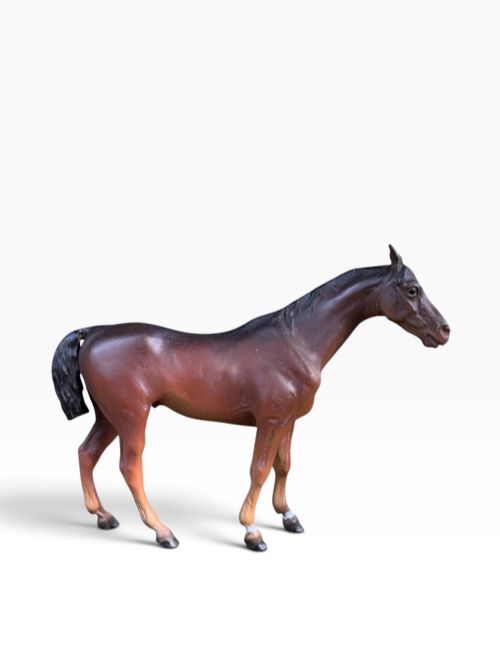
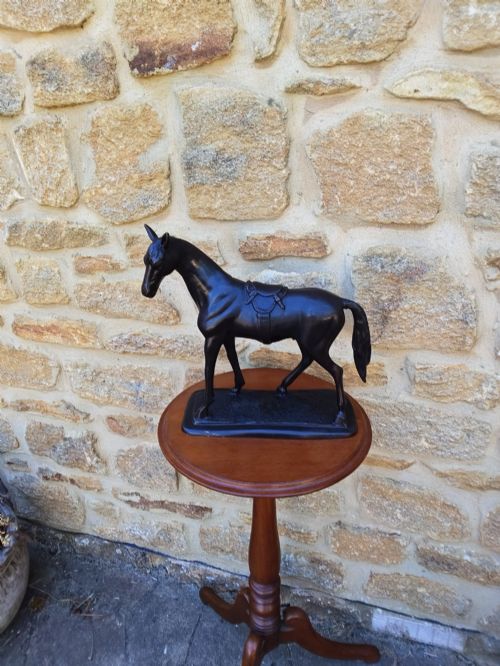
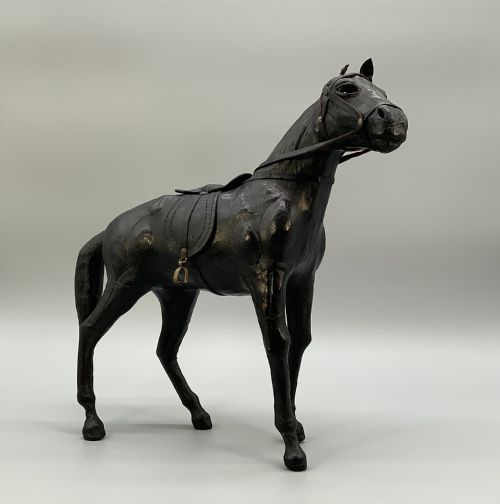
An antique equestrian figurine captures horse and rider or horse alone in bronze, earthenware or brass, giving any room a touch of classic movement.
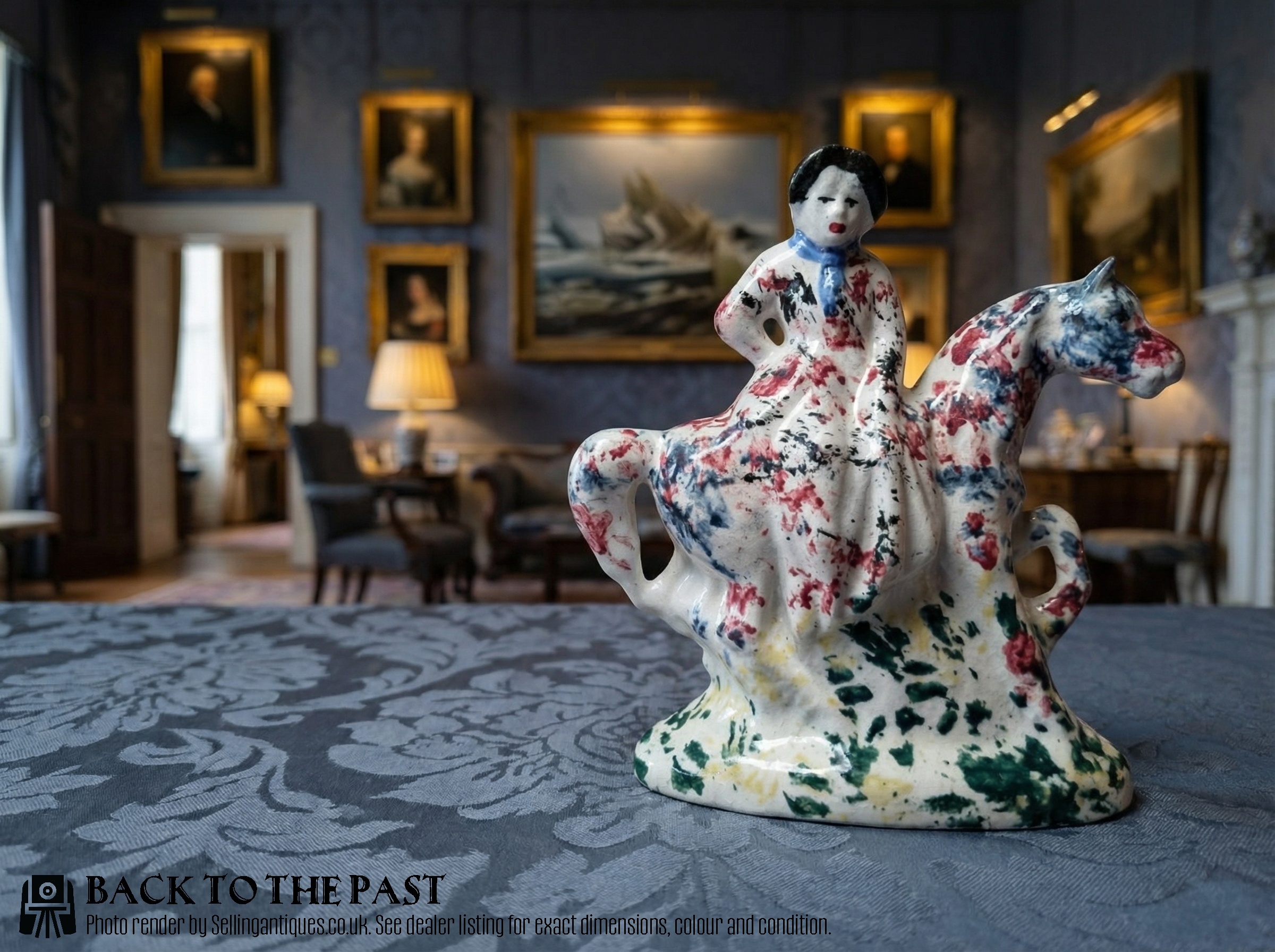
Antique Equestrian Figurine
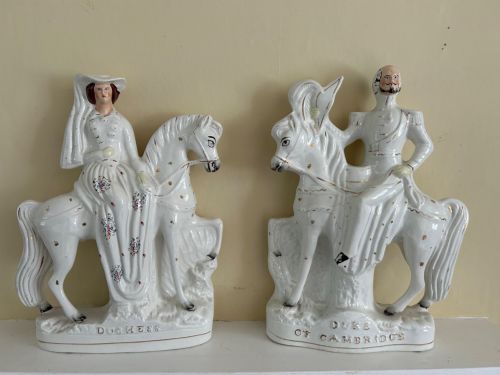
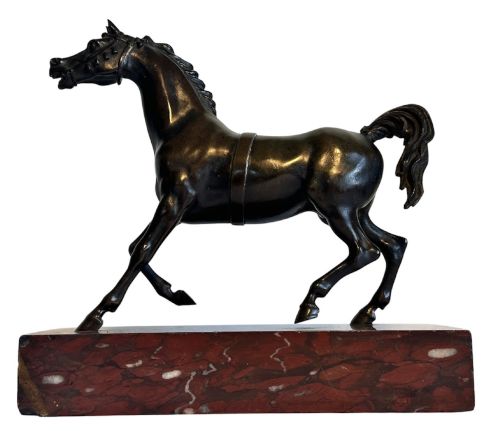
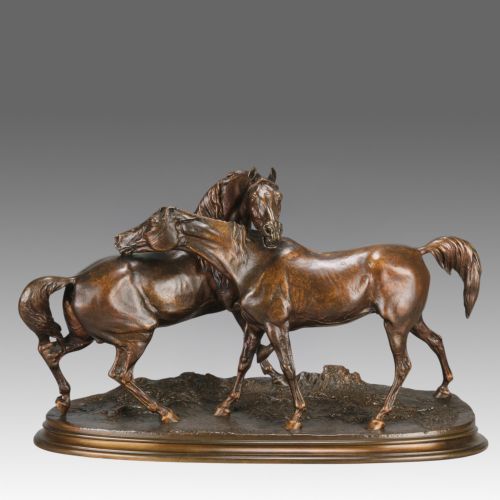
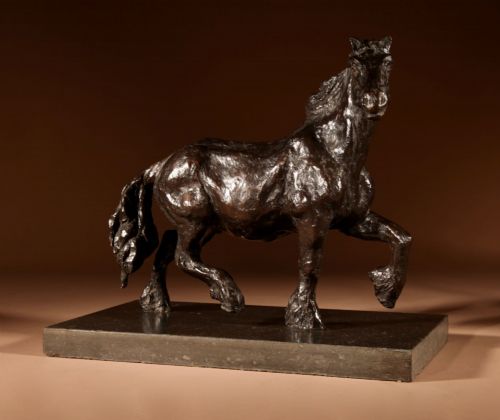
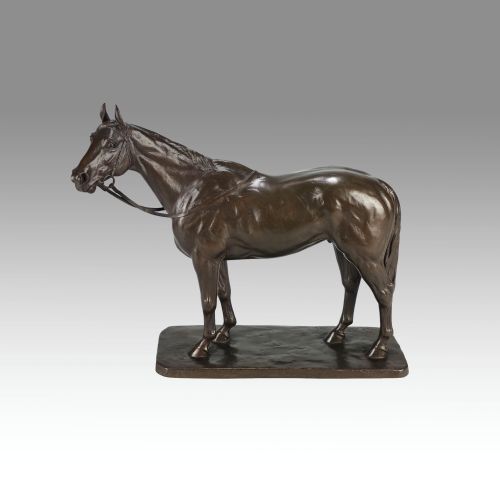
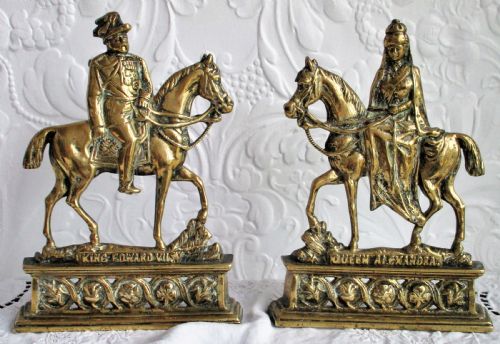
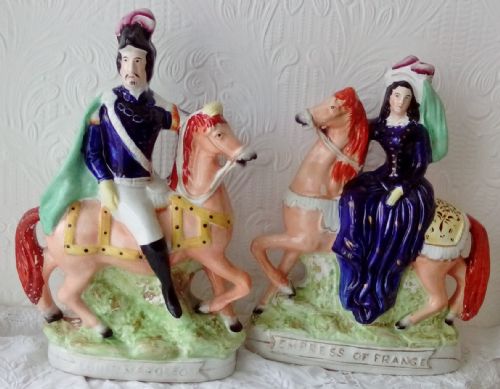
When you search for an antique equestrian figurine, you encounter a range of depictions spanning the nineteenth and early twentieth centuries, from French Animalier bronzes to Staffordshire pottery figures. The most frequent forms on this page are metal sculptures mounted on marble bases and ceramic flatback figures representing historical or royal riders.
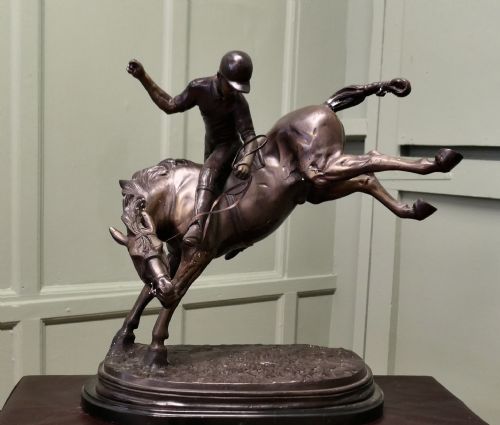
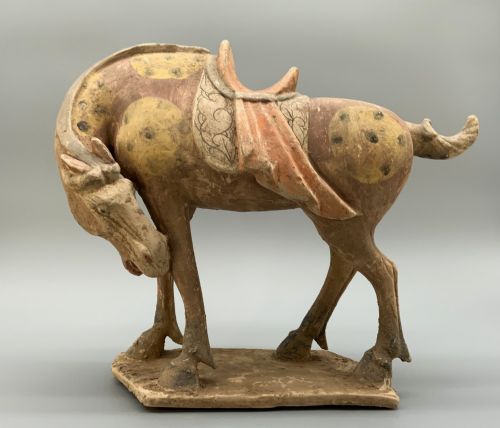
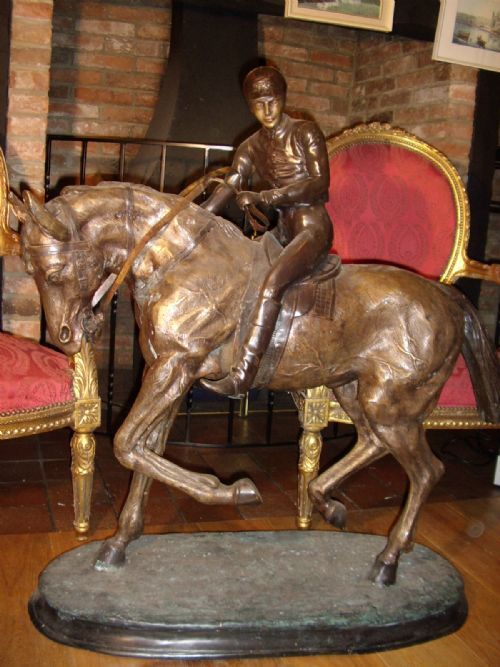
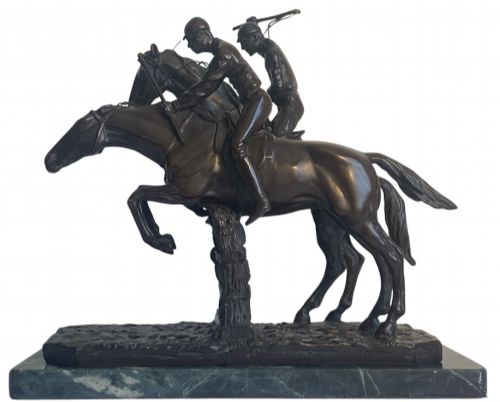
The selection includes subjects like polo players, jockeys, racehorses, and military figures such as Joan of Arc or Charles I on horseback. These pieces originated across Europe and Asia, employing styles from academic realism to Art Deco and folk art.
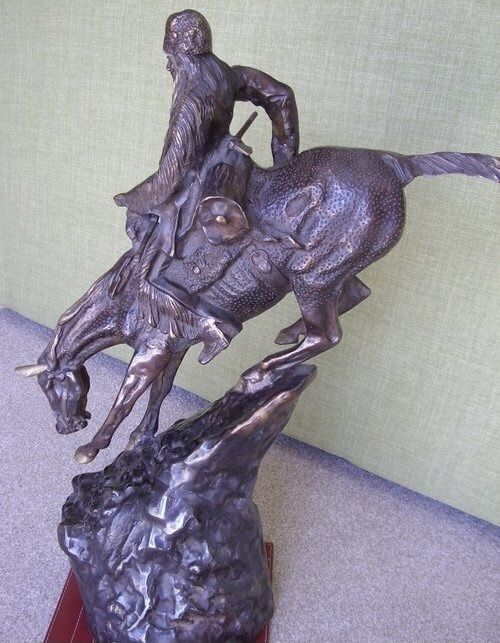
Makers often captured specific moments of motion, such as a bucking broncho, a steeplechase jump, or a draft horse at rest. Collectors find these works serving as bookends, doorstops, chimney ornaments, or standalone cabinet bronzes.
Materials and methods behind the figures
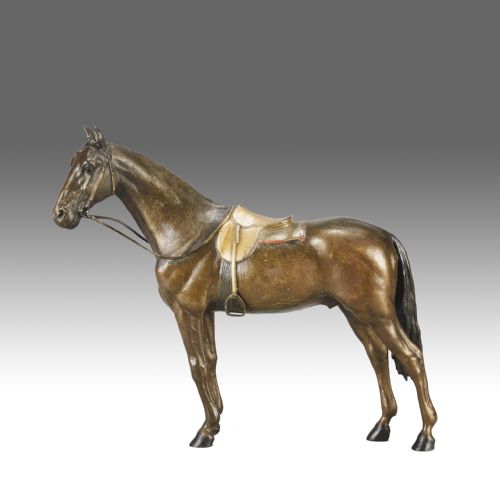
Metal sculptures on this page rely predominantly on bronze casting, utilising processes like lost-wax casting to capture muscular detail in horses and riders. Cold-painted Austrian bronzes add polychrome enamel finishes to metal surfaces, while brass provides a brighter alternative for utilitarian items like doorstops.
Ceramic pieces utilise earthenware bodies shaped into flatback pottery figures, finished with glazes and hand-painted details. Marble and wood frequently serve as heavy plinths or bases to support the weight of metal figures.
A bronze donkey shares shelf space here with thoroughbred racehorses and medieval knights.
Distinguishing qualities across the range
Quality rests in the anatomical accuracy of the horse and the precision of the casting or modeling. Superior bronzes display crisp musculature, clean channelling of reins and tack, and well-finished patination without loss of detail.
Pierre Jules Meme·Franz Bergman·Kunio Ito·John Willis Good·Luigi Secchi·Alfred Dubucand·Pierre Lenordez
The Antique Equestrian Figurine Glossary
- Animalier
- A nineteenth-century artistic movement focusing on the realistic depiction of animals, particularly horses and lions. Practitioners often cast their bronzes in limited foundries.
- Flatback
- A style of ceramic figure moulded with a flat, unglazed or minimally painted back designed to sit flush against a mantelpiece wall. This method saved material and weight during production.
- Cold-painted bronze
- A technique where bronze sculptures are painted with oil-based paints and left to dry naturally rather than fired in a kiln. This finish is prone to flaking if handled improperly.
- Ormolu
- Gilt bronze where a finely ground gold-mercury amalgam is applied to a bronze base. The process produces a rich golden surface found on decorative statuettes.
- Patina
- The surface coloration and sheen that develops on metal over time or through intentional chemical treatment by the maker. It protects the underlying bronze and indicates age.
Antique Equestrian Figurine: Frequently Asked Questions
What is a cold-painted bronze?
A cold-painted bronze is a metal sculpture finished with oil-based colours applied directly to the surface without heat firing. This method yields vibrant hues on garments and tack.
Collectors handle these pieces with care to prevent the delicate enamel or paint layer from chipping off the metal base.
Why are some pottery figures flat on the back?
Potters shaped Staffordshire figures with flat backs so the ceramic pieces could rest securely against cottage mantelpieces and walls. This saved weight and clay during the moulding process.
Such construction marks typical nineteenth-century British earthenware production.
How do I care for a bronze horse sculpture?
Bronze sculptures require dusting with a soft, dry cloth and occasional light cleaning to preserve the patina. Avoid using harsh chemical polishes that strip the original surface coloration.
Keeping the piece away from direct moisture protects any underlying marble bases or metal joints.
What distinguishes Animalier bronzes?
Animalier bronzes focus intently on the natural anatomy and movement of animals rather than idealised human forms. Sculptors studied horses in motion at stables and racecourses to achieve realism.
These nineteenth-century works often carry signatures or foundry stamps on the bronze plinth.