




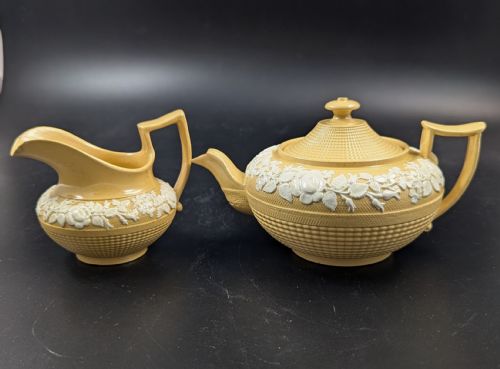

Cream Stoneware Jug
A cream stoneware jug is a sturdy and functional vessel designed for pouring, prized for its durability and tactile surface.
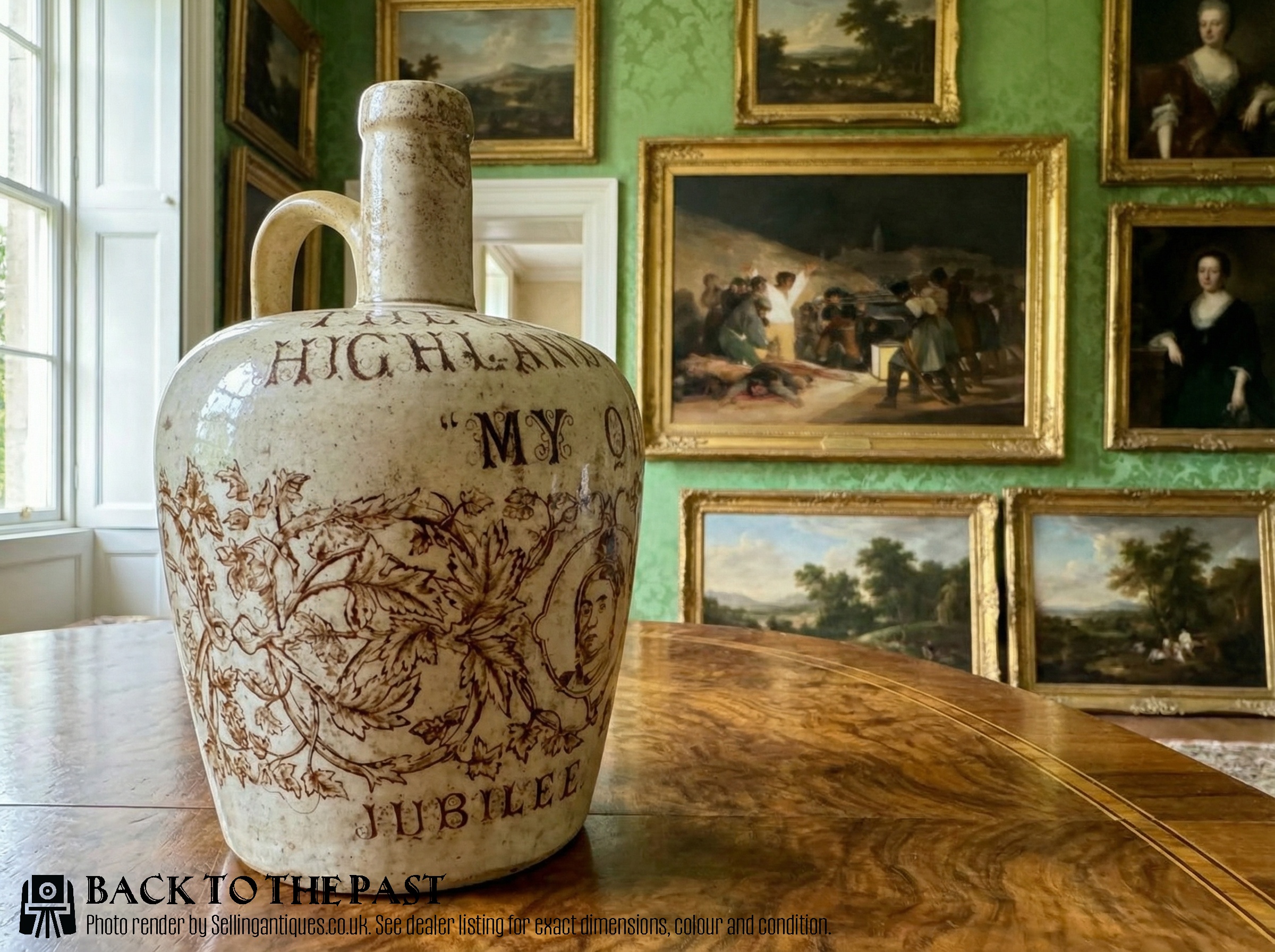
Cream Stoneware Jug
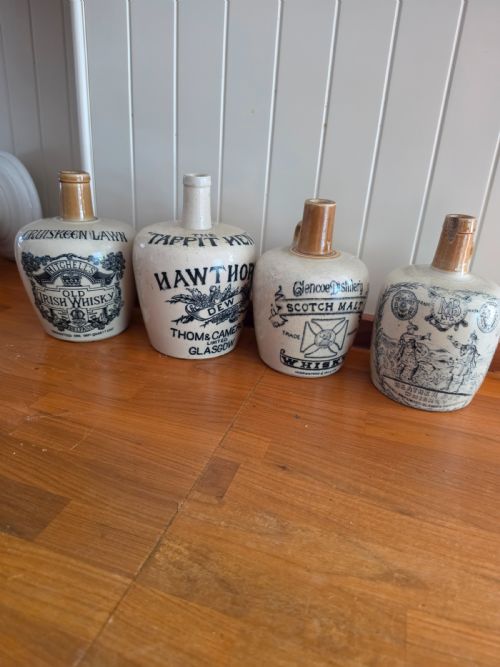
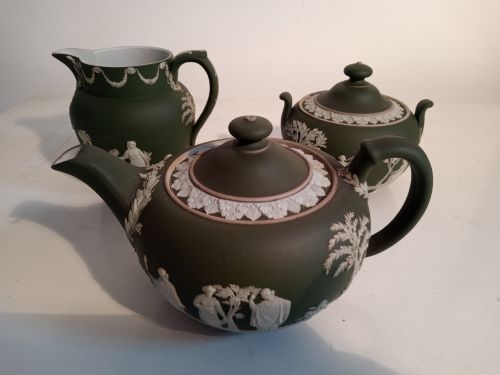
When you search for a cream stoneware jug, you encounter robust utilitarian vessels designed for daily service, table use, or liquid storage. The selection spans the nineteenth century, including Victorian commercial wares, Georgian silver-collared pieces, and French provincial examples.
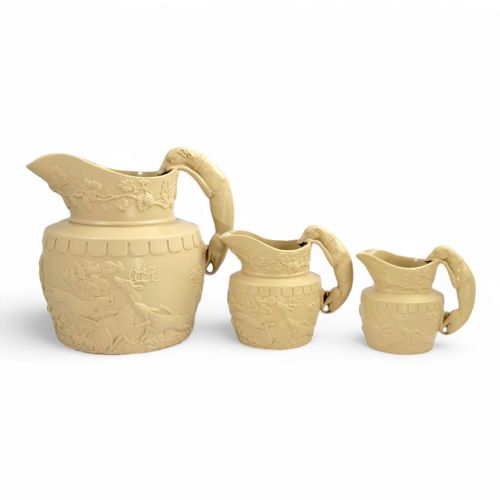
Most entries belong to the nineteenth century, ranging from salt-glazed exhibition pieces to heavy-duty advertising flasks and relief-moulded jugs. Forms include standard cream jugs, pitchers, and larger flagons or decorative bottles rather than delicate tableware.
How they were made
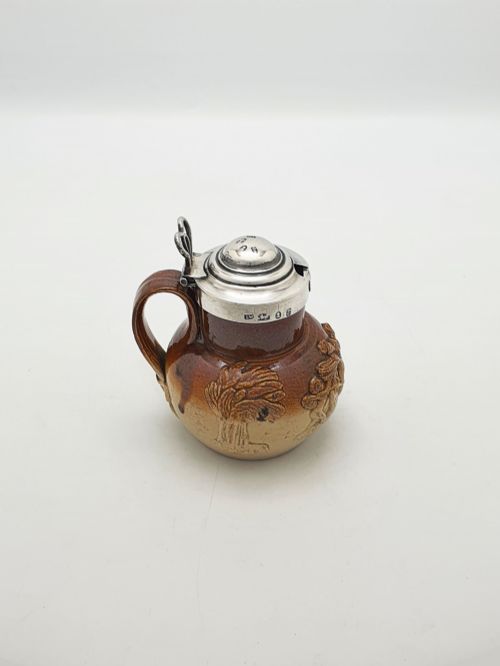
The pieces rely on dense ceramic bodies fired at high temperatures to achieve impermeability, often enhanced with salt glaze finishes that create a textured orange-peel surface. Some incorporate applied sprigged decoration or relief moulding to build up ornamental motifs on the stoneware body.
Mounts and lids frequently utilise sterling silver collars attached with hinged mechanisms to reinforce the rim and secure the contents. Other variants employ contrasting glaze colours or yellow ware bodies shaped into elaborate animal handle formations.
At least one puzzle jug waits to test whether you can drink from it without spilling down your front.
What varies in quality
Quality rests in the crispness of the relief moulding, the evenness of the salt glaze, and the structural integrity of added elements like silver collars or figural handles. Pieces created for exhibition or by established potteries display sharper detail and more refined proportions than standard commercial wares.
The presence of precious metal hardware or specialised manufacturing techniques, such as puzzle openings or intricate sprigging, distinguishes standard utility items from more ambitious decorative productions.
Wedgwood·Doulton Lambeth·Jones and Walley·Phillips and Bagster
The Cream Stoneware Jug Glossary
- Salt glaze
- A vitreous coating formed by throwing common salt into the kiln during high-temperature firing, producing a pitted texture resembling an orange peel. This finish protects the porous ceramic body.
- Stoneware
- A heavy, dense ceramic fired at high temperatures until vitrified, making it completely waterproof without needing interior glazing. It withstands heavy daily use.
- Sprigged
- An ornamental technique where separately moulded clay reliefs are applied to the surface of an unbaked vessel using slip as an adhesive. It creates layered decorative patterns.
- Puzzle jug
- A specialised ceramic drinking vessel featuring a perforated neck and misleading spouts designed to spill liquid unless the drinker covers hidden air holes with their fingers. It provided entertainment in taverns.
- Relief moulded
- A manufacturing process utilising metal or plaster moulds to press raised designs directly into the body of the vessel during shaping. This method allowed for consistent production of classical or naturalistic motifs.
Cream Stoneware Jug: Frequently Asked Questions
How do I clean a stoneware jug?
Wash the piece gently in warm water using a mild detergent and a soft cloth or sponge. Avoid harsh abrasive pads that might scratch the salt-glazed or ceramic surface.
Dry the vessel thoroughly with a soft towel, paying particular attention to any metal collars or hinges to prevent moisture retention.
Can I use these jugs for serving?
Many nineteenth-century vessels remain structurally sound and capable of holding liquids for table service. You should check the interior for any historic repairs or hairline cracks before introducing fresh beverages.
Porter jugs and creamers function well for pouring, while delicate salt-glazed exhibition pieces are better suited for display.
What is a salt glaze finish?
A salt glaze is created by introducing common salt into the kiln at the peak firing temperature, where it vaporizes and reacts with the silica in the clay. This chemical reaction forms a glossy, durable coating with a distinctive textured surface.
The resulting finish resists acids and liquids naturally, which explains why utility vessels and advertising flasks often feature this treatment.
How do I date a stoneware jug?
Examine the manufacturing marks, the style of any applied relief decoration, and the presence of associated hardware like sterling silver collars. Georgian and Victorian examples often carry registry diamond marks or specific maker stamps on the base.
Compare the form and clay density against known regional pottery output from the nineteenth century to narrow down the decade of production.