



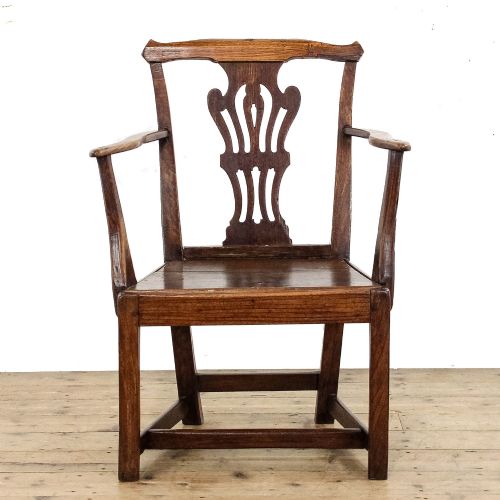
Country Georgian Desk
When you handle a country georgian desk, you hold vernacular timber and practical working surfaces shaped by provincial makers.
Country Georgian Desk
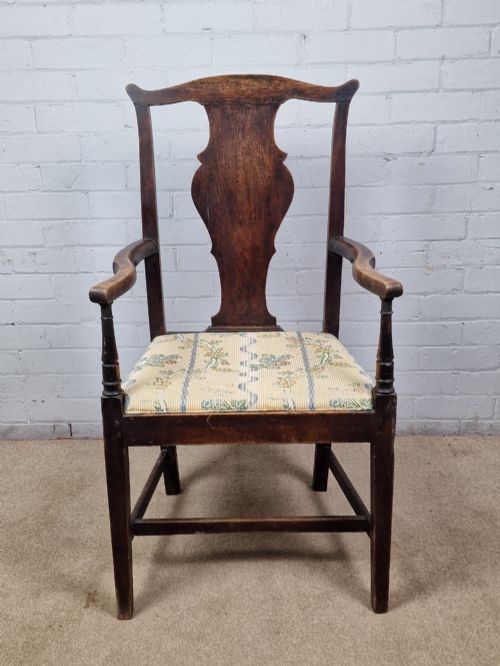
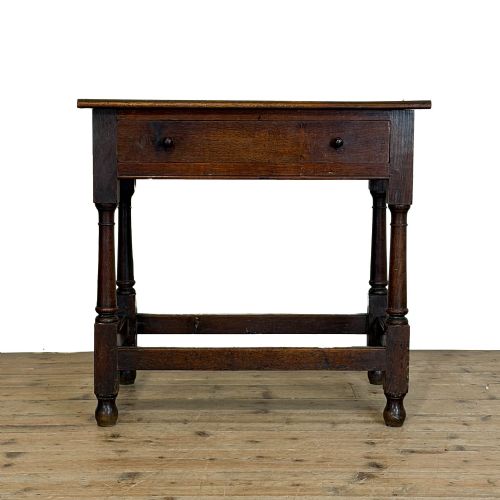
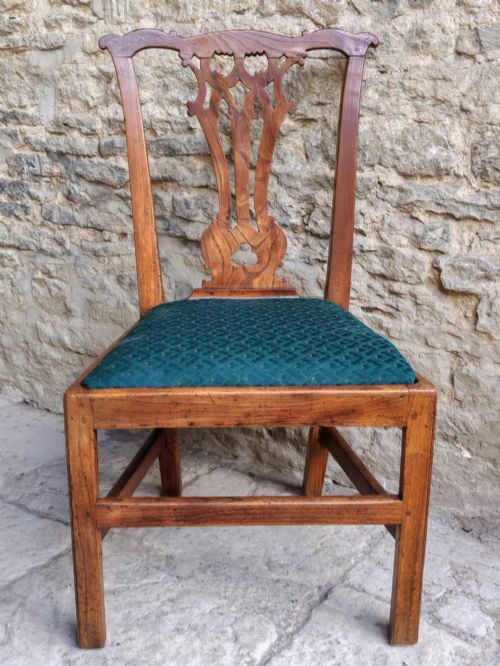
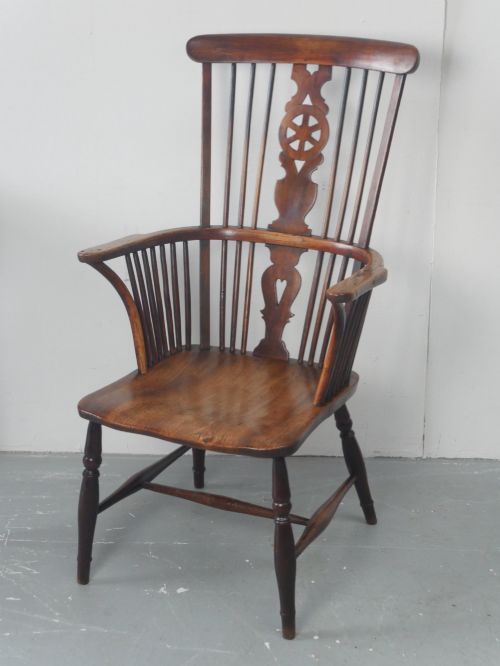
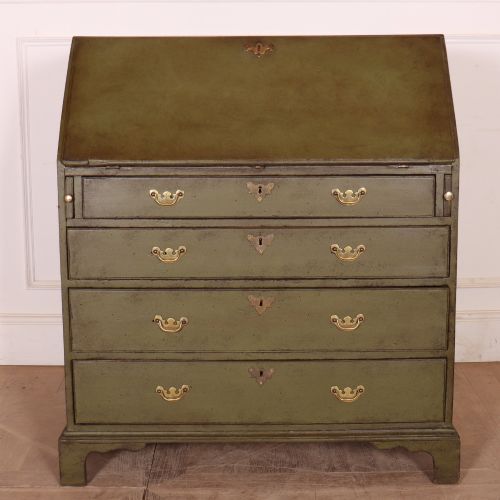
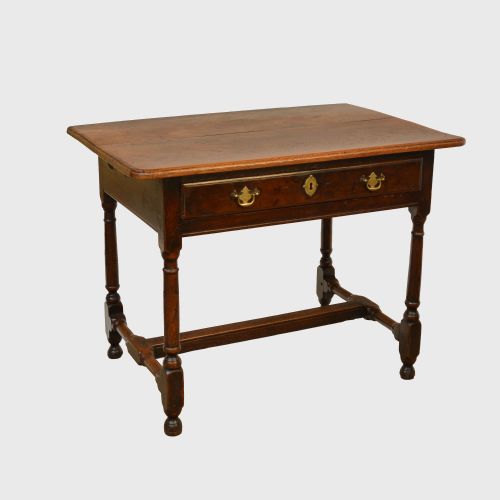
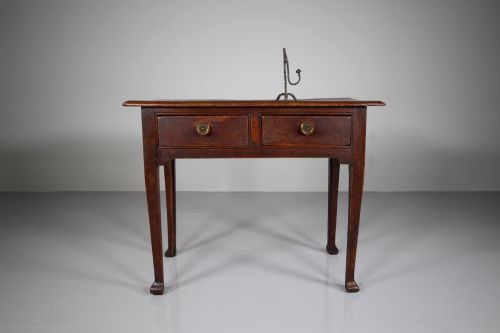
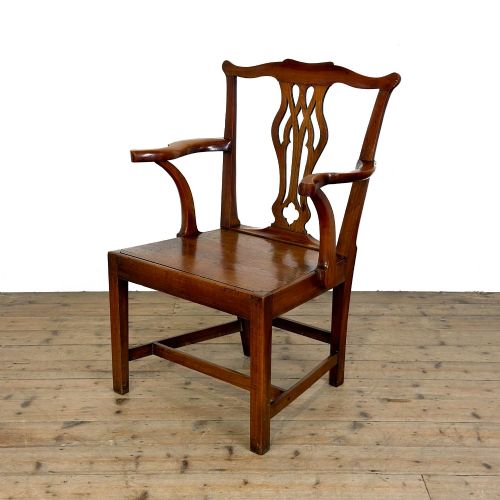
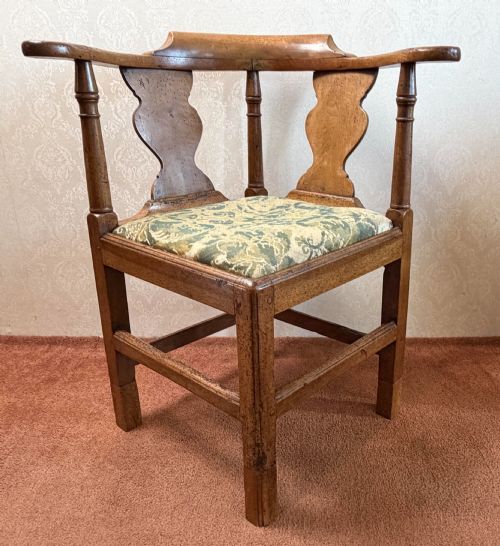
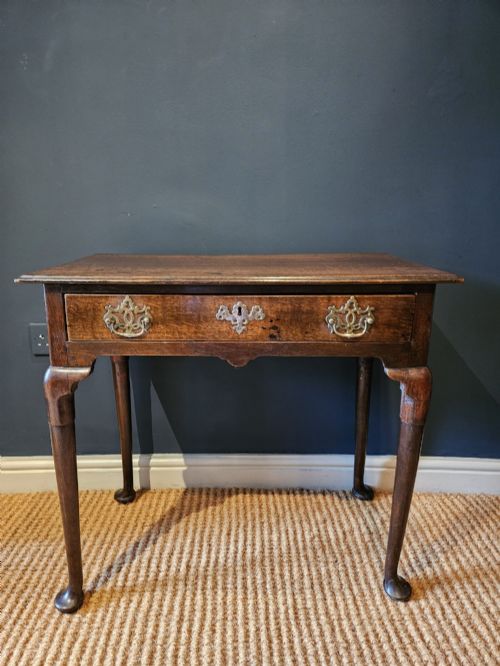
A country georgian desk encompasses practical writing furniture produced in provincial workshops during the eighteenth and nineteenth centuries, taking the form of bureaux, lowboys, table desks, and oak corner desk chairs.
You will most frequently encounter compact oak bureaux with fitted interiors, alongside side tables adapted for writing and sturdy elm or ash elbow chairs designed for writing tasks.
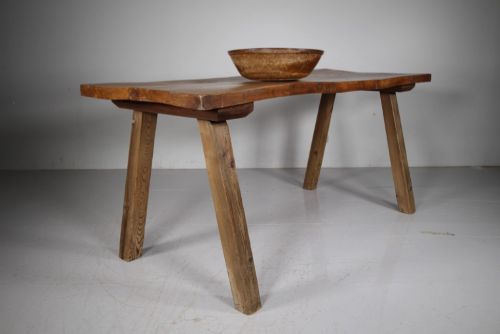
The aesthetic relies on regional utility rather than courtly ornament, showing plain plank tops, visible dovetails, and straightforward local timbers suited to country houses and farmhouses.
How they were made
Local cabinet makers utilised solid indigenous hardwoods such as oak, elm, yew, ash, and fruitwood, often combining two or three timbers within a single piece for structural strength.
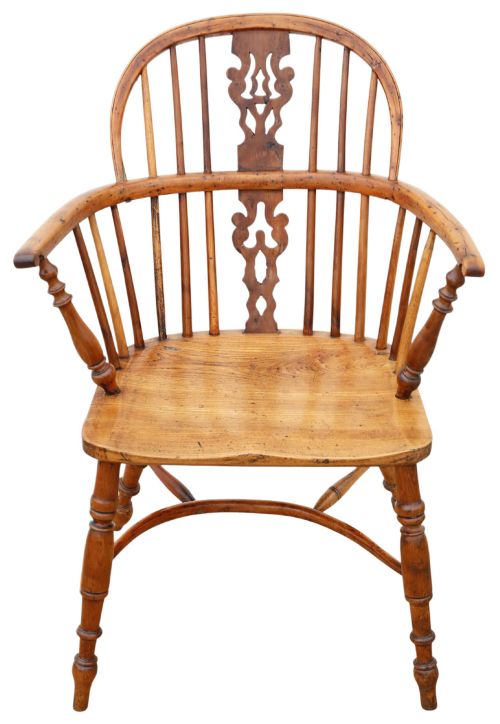
Construction methods depend on pegged mortise and tenon joints, hand-cut dovetails on drawer construction, and steam-bent components for Windsor chair hoops and spindles.
Surfaces receive simple hand-applied finishes, occasional painted decoration, or simple wax dressings that allow the natural grain of the timber to show.
Several armchairs retain ink stains on their wooden arms from generations of provincial letter-writing.
What varies in quality
The standard of a country georgian desk rests upon the choice of timber and the dexterity of the local joiner, where figured yew or quarter-sawn oak elevates the piece above standard utilitarian pine and ash.
Proportions and structural integrity dictate value, separating well-balanced lowboys and crisp bureau interiors from heavy, clumsy provincial repairs or mismatched timber replacements.
The Country Georgian Desk Glossary
- Bureau
- A sloping desk with a hinged fall-front that opens to reveal internal pigeonholes and small drawers. This form provides a secure writing surface and concealed storage for correspondence.
- Lowboy
- A small side table featuring one or more rows of drawers beneath the top. Provincial examples frequently served as compact writing desks in country houses.
- Windsor chair
- A wooden seating form featuring a solid saddle-seat into which legs and back spindles are wedged directly. Regional variations include comb-back and high hoop-back configurations.
- Vernacular
- Objects built by local craftsmen following regional traditions rather than metropolitan academic designs. These pieces prioritise practical function and available local materials.
- Yew
- A dense, highly figured softwood prized for its rich amber colour and grain pattern. Makers selected it for Windsor chair bows and decorative cross-banding.
Country Georgian Desk: Frequently Asked Questions
What defines a country georgian desk?
These pieces comprise provincial writing furniture built during the eighteenth and early nineteenth centuries using regional British timbers.
They lack metropolitan refinement, relying instead on honest construction, solid oak or fruitwood boards, and practical utility.
How do I use a bureau desk?
The hinged writing flap drops forward to create a flat wooden surface for correspondence and reading.
Internal compartments organise papers and inkwells, while lower drawers hold larger documents.
Where were these desks made?
Regional joiners and provincial cabinet makers constructed these items in workshops across the British countryside.
Local timber yards supplied the specific regional woods found in each piece, such as West Country elm or northern oak.
How do I distinguish regional timbers?
Oak displays prominent medullary rays and a sturdy brown tone, while yew exhibits a deep golden-brown hue with tight growth rings.
Elm shows a distinctive interlocking grain pattern that resists splitting under stress.