




Painted Pine Bureau
A painted pine bureau brings practical workspace and rustic character together, offering fitted compartments for writing alongside generous drawer storage.
Painted Pine Bureau
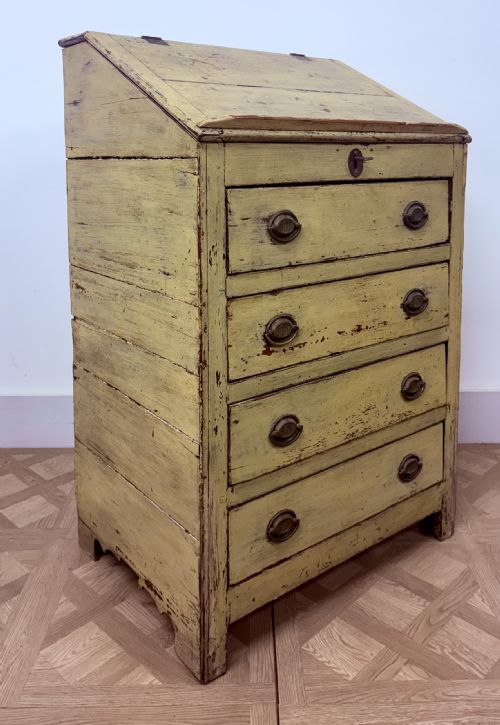
A painted pine bureau combines a writing slope or fall-front desk with a chest of drawers, creating a dual-purpose piece for domestic workspace and storage. You will encounter various forms here, including bureau bookcases, escritoires, and provincial chests of drawers with writing slopes.
The selection spans periods from the eighteenth century through the Victorian era and 1900, with regional pieces originating in England, Sweden, Denmark, and Hungary. Scandinavian country styles appear frequently alongside English country and Georgian examples.
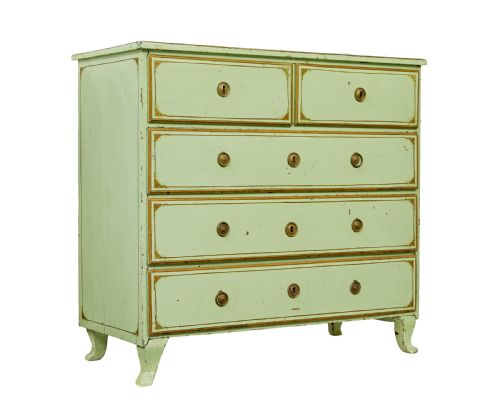
Makers and craftsmen utilised native softwoods, finishing them in original paint, scumble, or decorative treatments that define their provincial and neoclassical appearances.
How they were made
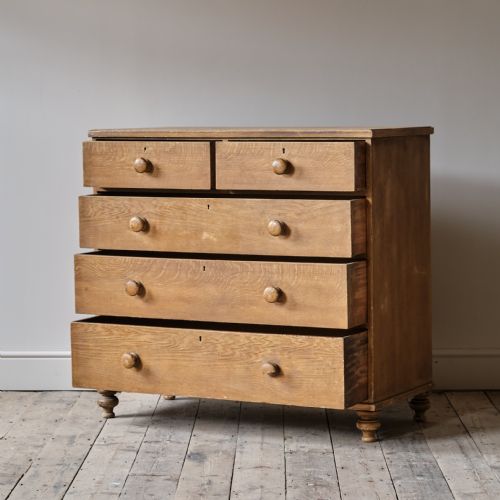
Constructed primarily from pine and painted timber, these bureaux rely on solid softwood carcasses assembled with traditional joinery to support the weight of drawers and writing flaps. Iron and brass hardware, including handles and escutcheons, secure the fittings and drawers.
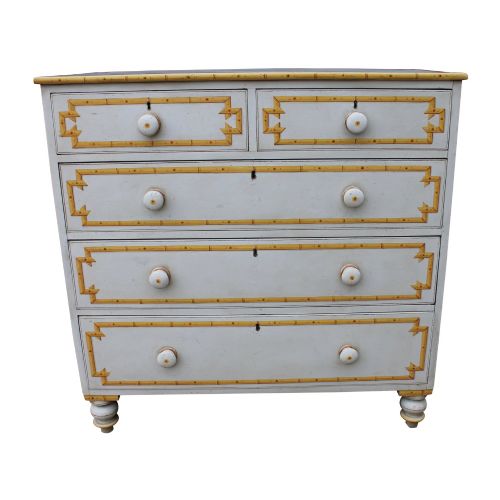
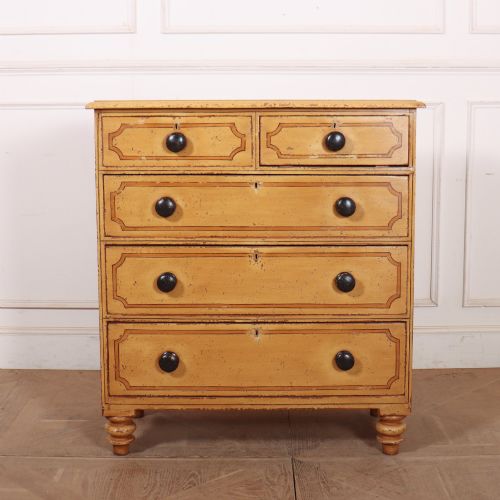
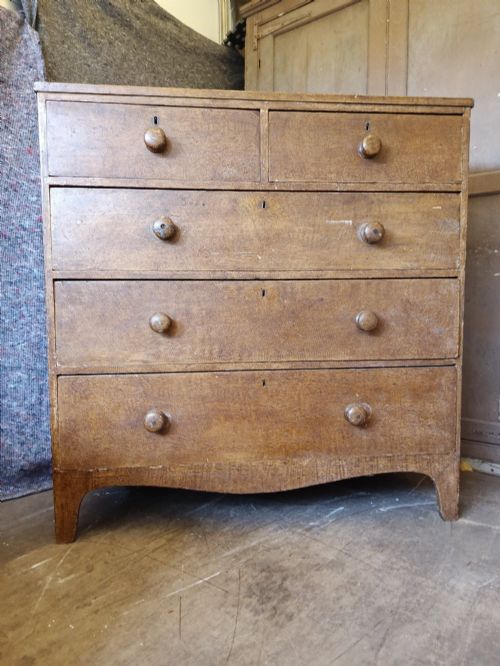
Surfaces receive layers of paint, ranging from original light grey and black finishes to brown scumble and faux bamboo decoration. These coatings were applied over pine substrates, preserving the wood underneath while providing a distinctive decorative skin.
Painted Pine Bureau Retail Price Guide 2026
Typical asking prices for painted pine bureau among the pieces listed under this phrase on Sellingantiques today, from the lower quarter to the upper quarter. They describe what is for sale here now, not the wider market.
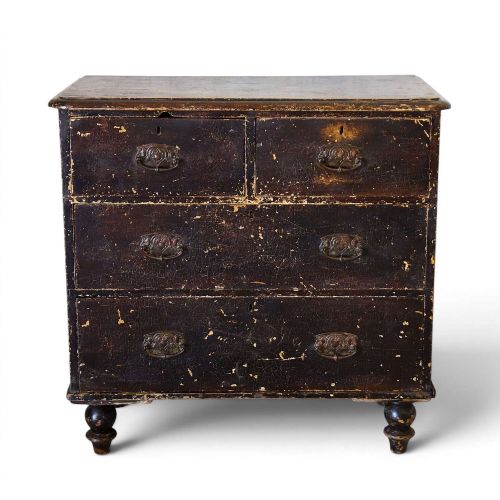
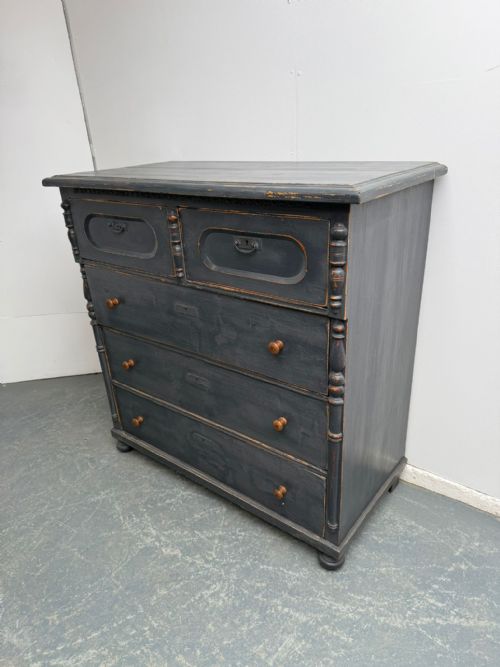
A mint clean Hungarian Victorian painted black chest of drawers sits alongside Swedish Baroque revival pieces.
What varies in quality
The integrity of the original paint surface distinguishes pieces, with untouched historical finishes commanding greater interest than later overpainting or stripped timber. Surviving scumble or regional colour schemes demonstrate the authentic character applied by past decorators.
Construction detail in the drawers, writing compartments, and overall proportions dictates the calibre of the bureau. Pieces maintaining their original brass and iron hardware without heavy replacement hold distinct structural and historical integrity.
The Painted Pine Bureau Glossary
- Bureau
- A desk with a sloping lid that folds down to reveal a writing surface and small compartments. These pieces often sit above a bank of drawers.
- Escritoire
- A writing cabinet or desk, frequently fitted with a drop-front writing surface and internal pigeonholes. This form provides compact storage for correspondence and papers.
- Scumble
- A translucent or semi-opaque layer of paint manipulated over a base coat to create mottled or textured wood-grain effects. Craftsmen utilised this technique to imitate more costly timbers.
- Gustavian
- Swedish neoclassical style characterised by restrained classical ornamentation and pale painted finishes. These pieces reflect lighter, symmetrical proportions derived from French designs.
- Bureau bookcase
- A two-part furniture form combining a lower writing desk with an upper shelving or cabinet section enclosed by doors. This tall construction maximises vertical storage space in a room.
Painted Pine Bureau: Frequently Asked Questions
How do I date a painted pine bureau?
Dating relies on observing construction methods, drawer dovetails, handle styles, and the characteristics of the paint finish. Eighteenth-century pieces display different proportions and joinery compared to Victorian or Gustavian examples.
Examining the secondary woods and interior drawer construction helps clarify the period of manufacture.
Where were these bureaux made?
The selection includes pieces originating from English workshops as well as Scandinavian regions such as Sweden and Denmark. Provincial makers across these areas utilised local pine to construct practical furniture for domestic use.
Regional aesthetic preferences are visible in the choice of paint colours, hardware, and decorative motifs.
How do I care for original paint?
Maintaining original paint requires keeping the furniture away from direct sunlight and excessive humidity. Dusting with a soft, dry cloth preserves the fragile historic surface without introducing moisture.
Avoid chemical cleaning agents that can strip or soften older painted finishes.