

Antique Writing Slope Chest
An antique writing slope chest combines a portable writing surface with secure storage, offering a traditional workspace built for correspondence and document organisation.
Antique Writing Slope Chest
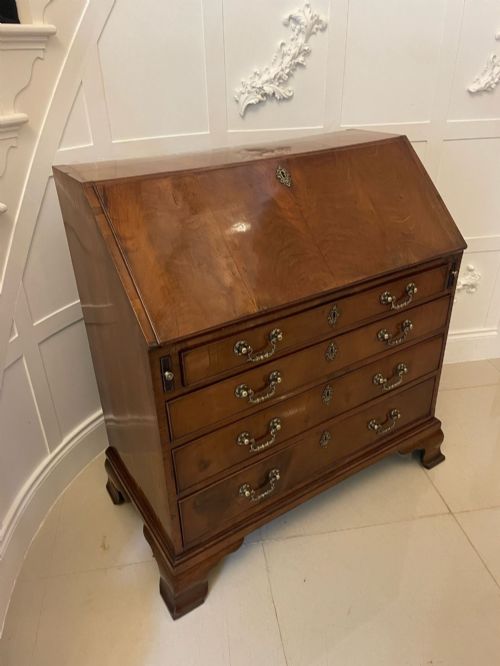
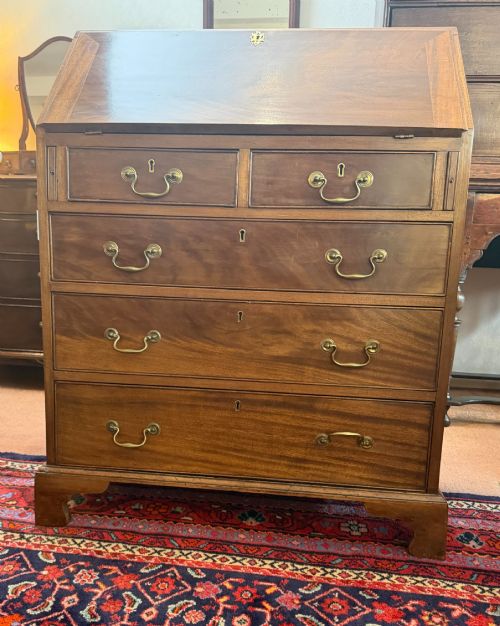
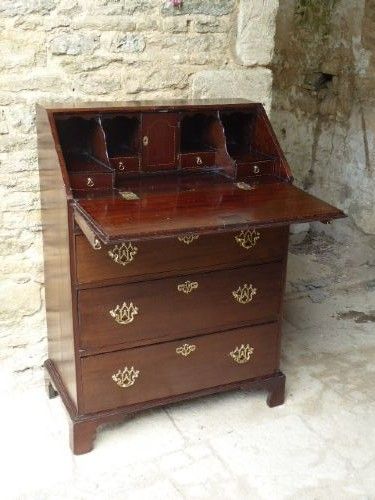
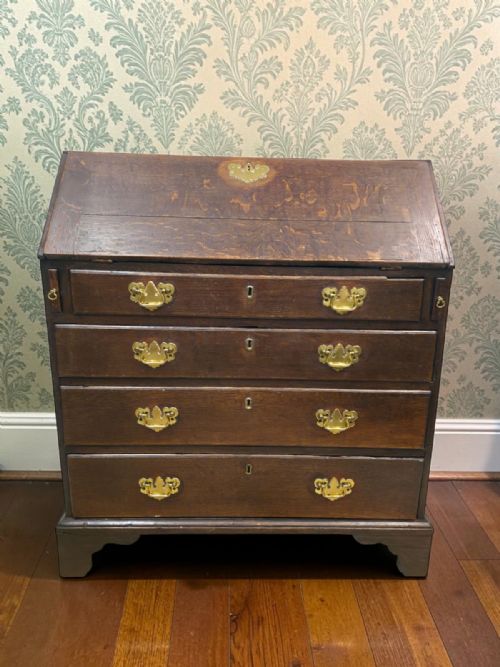
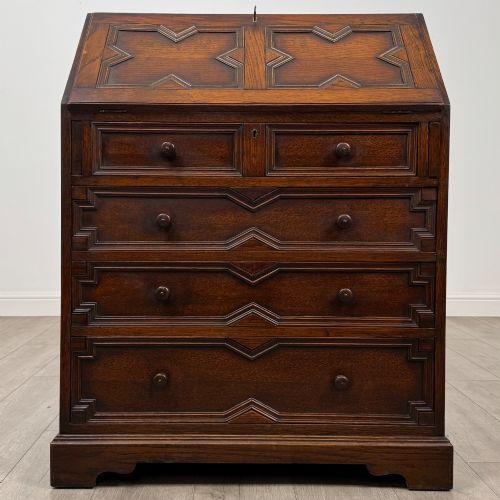
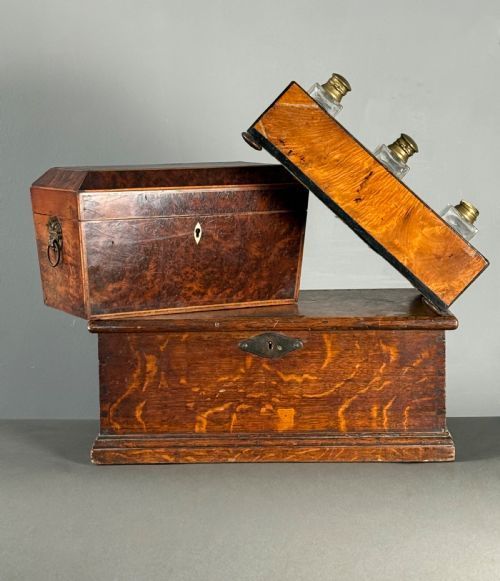
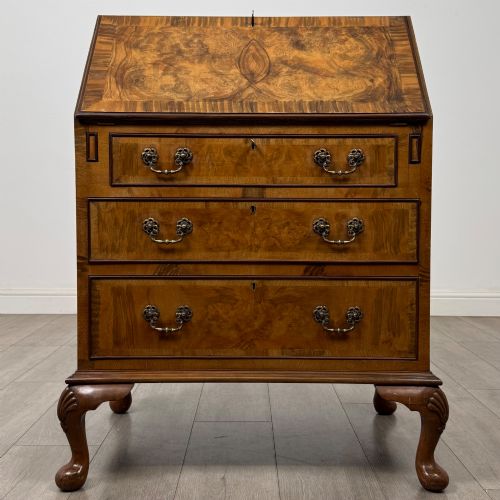
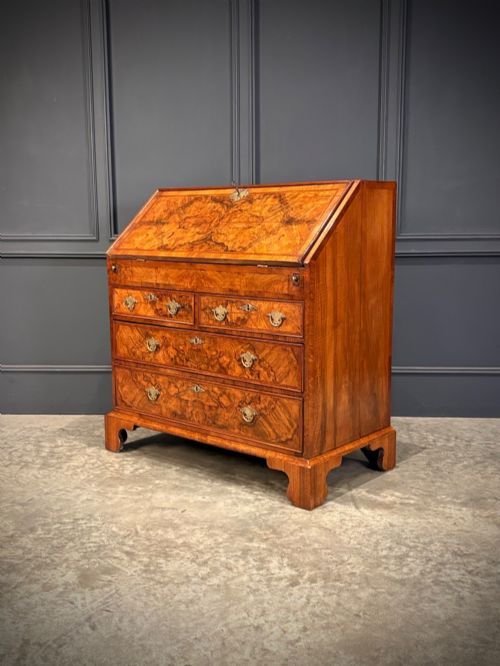
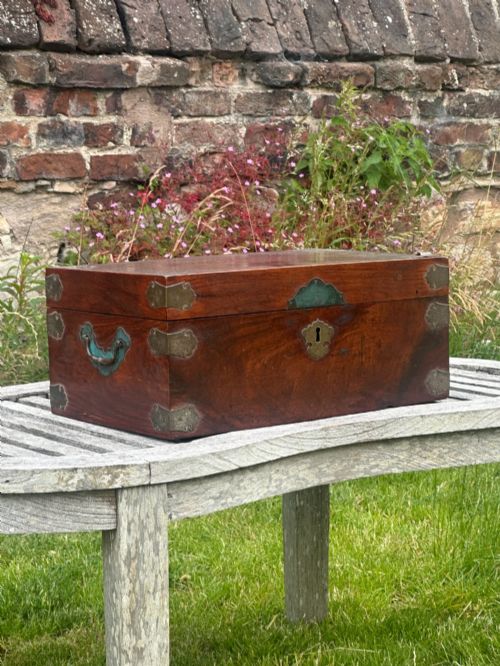
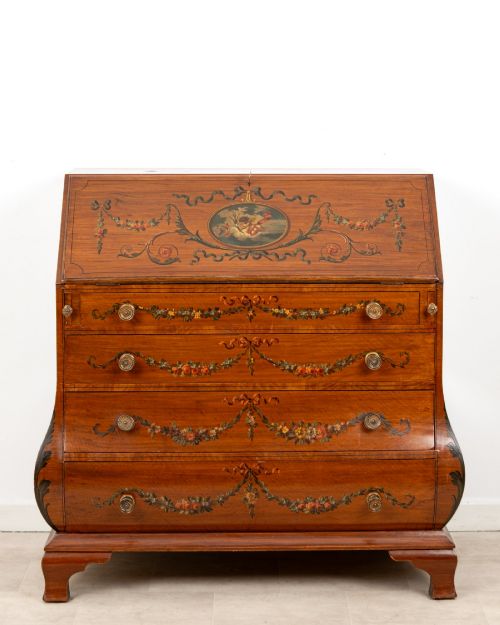
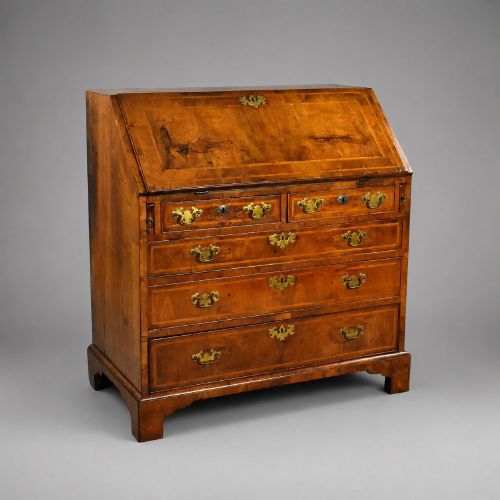
When you search for an antique writing slope chest, you encounter a variety of forms including bureaux, fall-front writing desks, and specialised boxes designed for correspondence. These pieces serve as practical writing stations equipped with internal compartments, small drawers, and slanted lids.
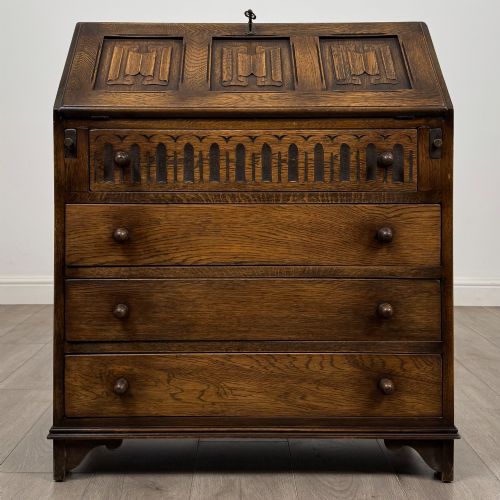
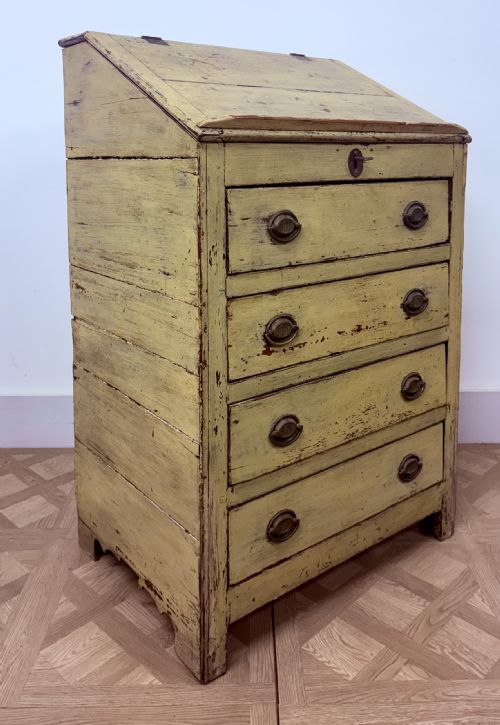
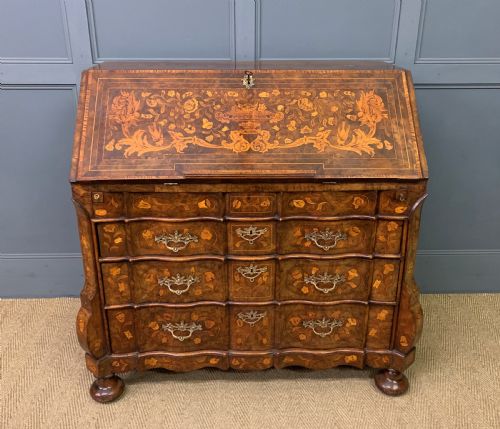
The selections span multiple eras, most frequently appearing in 18th century Georgian designs alongside 17th century oak bible boxes and later Victorian or Edwardian interpretations. Woods range from native oak and elm to imported mahogany, walnut, and rosewood, occasionally featuring marquetry or painted finishes.
Materials and Construction
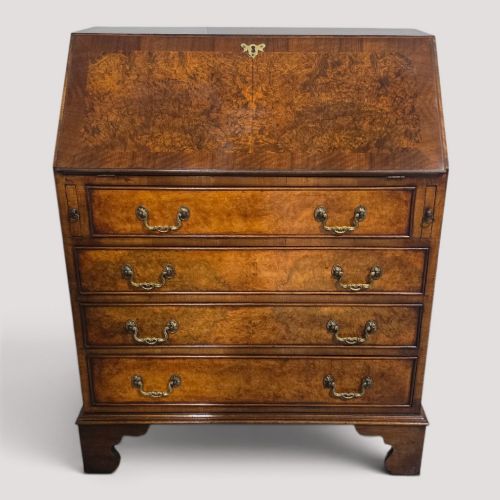
Cabinetmakers utilised solid timbers such as oak, mahogany, walnut, and elm for structural integrity, often applying figured veneers to the exterior surfaces. Dovetail joints secure the drawer construction, while interior pigeonholes and secret compartments display careful hand woodworking techniques.
Hardware elements like brass escutcheons, hinges, and carrying handles provide both functional reinforcement and decorative contrast against the dark wood grains. Ironwork and mother-of-pearl details appear on specific boxes and desks, depending on the origin and period of manufacture.
Antique Writing Slope Chest Retail Price Guide 2026
Typical asking prices for writing slope chest among the pieces listed under this phrase on Sellingantiques today, from the lower quarter to the upper quarter. They describe what is for sale here now, not the wider market.
Materials span native British oak and elm alongside imported mahogany, burr walnut, rosewood, and padouk.
Quality and Execution
The grade of an antique writing slope chest depends on the selection of timber veneers and the precision of the cabinetwork. Pieces featuring highly figured burr walnut, intricate marquetry, or exotic woods like padouk and huanghuali represent a higher tier of craftsmanship.
Original hardware, working locks with keys, and intact interior fittings elevate a piece above examples that have undergone extensive replacement or reconstruction. The crispness of the carving and the alignment of the fall-front writing flap demonstrate the skill of the original workshop.
William Austin
The Antique Writing Slope Chest Glossary
- Bureau
- A desk with a sloping lid that opens to form a writing surface, typically placed over a chest of drawers.
- Fall Front
- A hinged writing flap that drops down into a horizontal position to provide a flat surface for correspondence.
- Marquetry
- Decorative inlay work using various woods, ivory, or shell to create pictorial patterns on furniture surfaces.
- Escutcheon
- A protective brass or metal plate surrounding a keyhole, often shaped to enhance the appearance of drawer fronts.
- Padouk
- A dense tropical hardwood known for its reddish-brown colour, utilised in Anglo-Indian and colonial furniture pieces.
Antique Writing Slope Chest: Frequently Asked Questions
What is a writing slope chest?
A writing slope chest is a piece of furniture or a portable box featuring an angled writing surface. These objects provide internal compartments for paper, ink, and pens.
Many examples incorporate drawers or sit atop a chest base to combine document storage with a functional writing desk.
How do I date an antique bureau?
Dating relies on examining the timber species, construction methods, and hardware styles. Earlier pieces from the seventeenth and eighteenth centuries often feature hand-cut dovetails and native oak or walnut.
Later Victorian and Edwardian examples introduce machine-sawn elements, different secondary woods, and varied decorative motifs like linenfold carving.
Where were these chests made?
The listings include pieces produced across Great Britain, alongside items originating from continental Europe such as Dutch marquetry and Portuguese rosewood.
Other examples reflect global trade, including Anglo-Indian padouk boxes, Chinese huanghuali pieces, and Japanese lacquer writing boxes.
How should I care for wood furniture?
Protect antique wood surfaces by maintaining stable room humidity and avoiding direct sunlight, which can fade fine mahogany and walnut veneers.
Dust regularly with a soft, dry cloth and apply appropriate wax sparingly to maintain the natural sheen of the timber.