


Green Painted Writing Desk
A green painted writing desk brings colour and utility to a room, offering a functional workspace with period character.
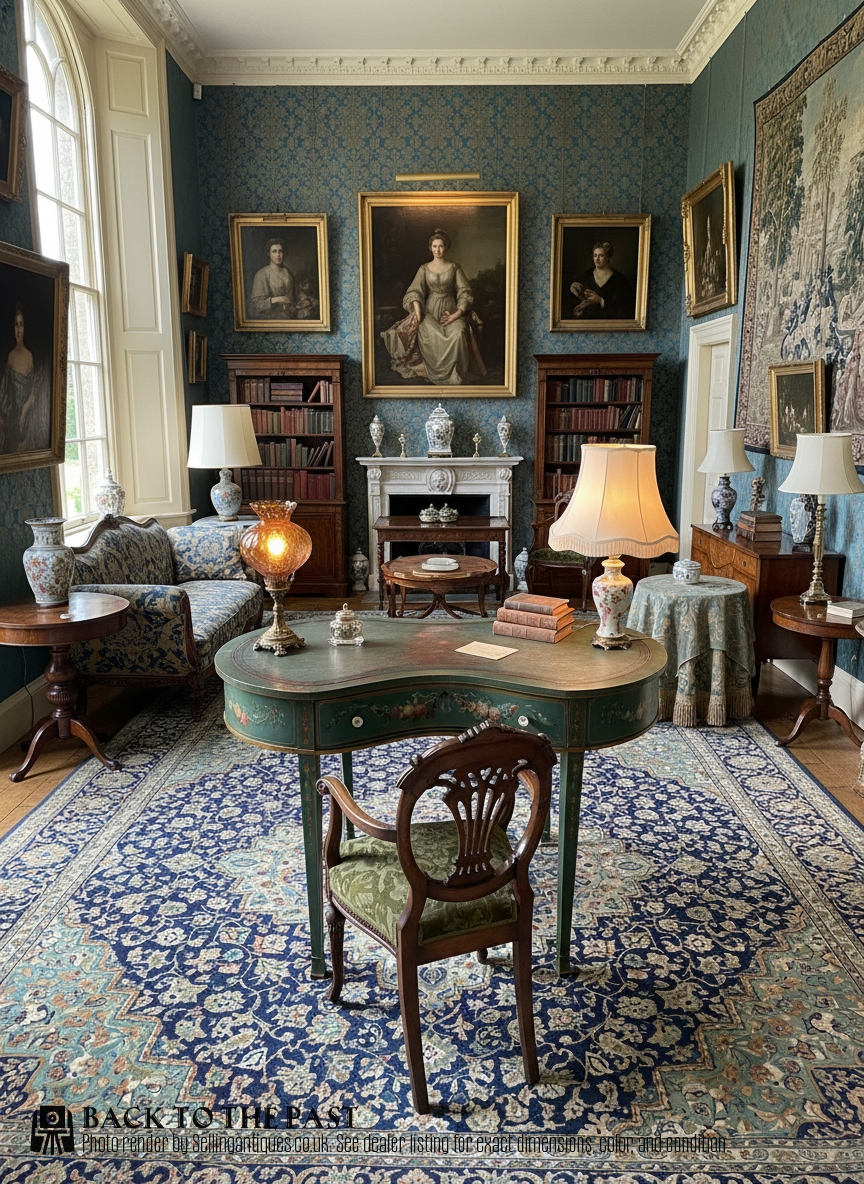
Green Painted Writing Desk
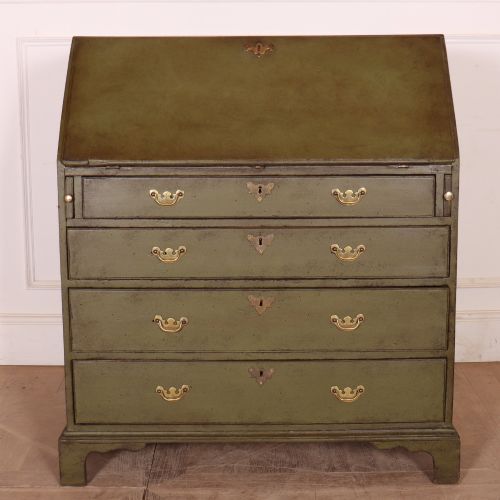
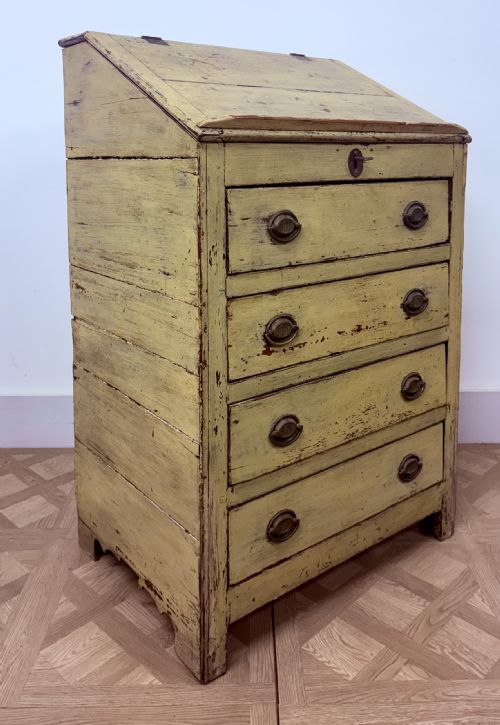
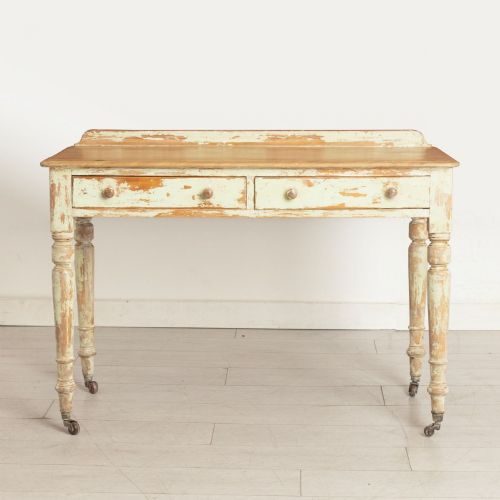
A green painted writing desk takes many forms across the centuries, ranging from compact Edwardian ladies desks to substantial 18th century English bureaux. Buyers exploring this category encounter varied designs including kidney shaped desks, Carlton house writing desks, and provincial chests of drawers fitted with writing slopes.
The selection spans multiple periods from the Georgian era through to the 1920s, incorporating styles such as Regency, Rococo Revival, English Country, and Rustic Farmhouse. Pieces originate from different workshops and often feature decorative painted surfaces that set them apart from standard polished timber furniture.
Alongside standard writing tables and bureaux, related forms appear on the page, including porcelain inkstands and dressing tables with painted finishes. This variety reflects how writing furniture evolved to suit both formal libraries and private drawing rooms.
How they were made
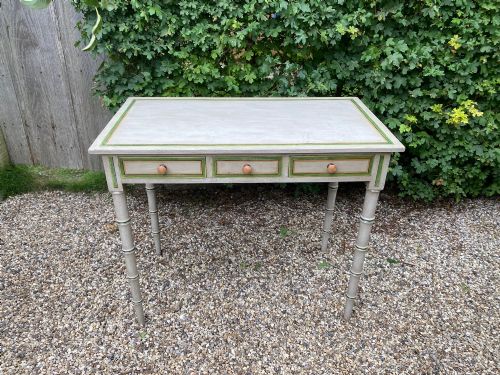
Makers utilised native and imported timbers such as pine, birch, and satinwood as the structural base for these items, often applying layers of paint to achieve the characteristic green finish. Decorative techniques included hand-painted motifs and faux bamboo turning, particularly visible in Regency examples.
Functional elements incorporated brass hardware for handles and escutcheons, alongside inset leather writing surfaces on select tables and desks. Porcelain components also feature in related accessories like desktop inkwells and inkstands from the Georgian and Regency periods.
German porcelain inkstands with pyramidal Schneeballen covers bring miniature piled snowballs directly to the desktop.
What varies in quality
The standard of craftsmanship shows in the timber preparation, the stability of the writing surface, and the preservation of original decorative paintwork rather than later overpainting. Finer examples display balanced proportions, clean drawer construction, and integrated details like inlaid satinwood or finely turned supports.
Accessories and ancillary pieces vary according to the intricacy of their ceramic work or metal mounts, separating standard utilitarian items from more decorative pieces intended for polite company.
The Green Painted Writing Desk Glossary
- Bureau
- A sloping desk with a hinged lid that opens to reveal internal compartments and drawers for writing materials.
- Bonheur du jour
- A light ladies writing desk featuring a small cabinet or superstructure on top.
- Faux bamboo
- Wood turned and painted to imitate the segmented stems of natural bamboo, popular during the Regency period.
- Inkstand
- A portable tray or stand holding inkwells, sanders, and penholders for a desktop.
- Satinwood
- A lustrous yellow-brown timber used for fine cabinet-making and decorative inlay work.
Green Painted Writing Desk: Frequently Asked Questions
What periods do these desks date from?
The pieces span from the 18th century through the Georgian and Victorian eras up to the Edwardian period and the 1920s.
Craftsmanship and construction methods shift noticeably between these eras, reflecting the prevailing styles of each decade.
Are these desks suitable for daily use?
Most items are built for writing and administrative tasks, though interior configurations vary from simple drawers to complex compartments.
Buyers should check dimensions and internal writing heights to ensure comfort during regular work.
How should I care for painted wood surfaces?
Painted furniture benefits from dusting with a soft, dry cloth and protection from direct sunlight and extreme humidity.
Avoiding harsh chemical cleaners preserves the integrity of historic paint layers.
What is a faux bamboo finish?
This technique involves shaping timber into the distinctive joints of bamboo before applying paint to mimic the natural plant.
It appears frequently on Regency furniture designed with exotic or whimsical influences.