


Georgian Chest with Slope
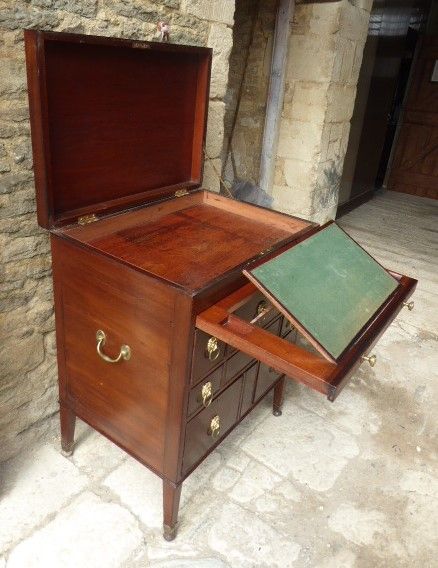
A georgian chest with slope combines practical workspace and deep drawers, offering timeless utility for writing and storage.
Georgian Chest with Slope
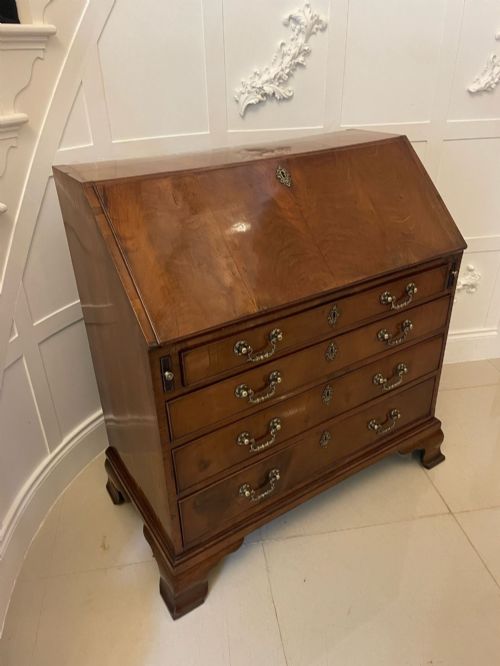
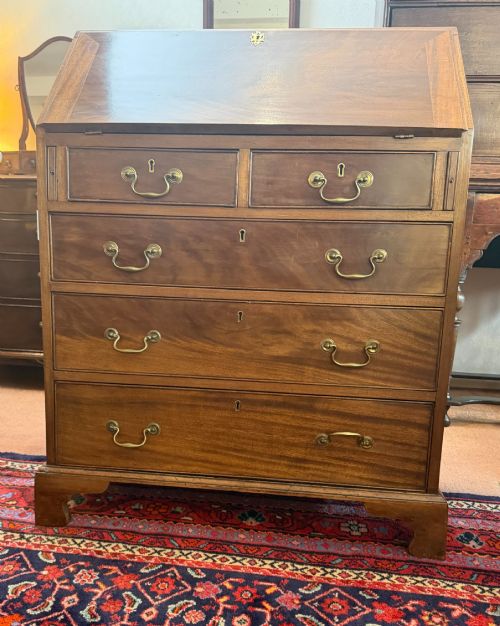
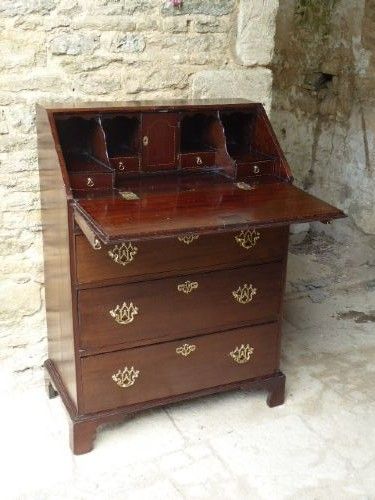
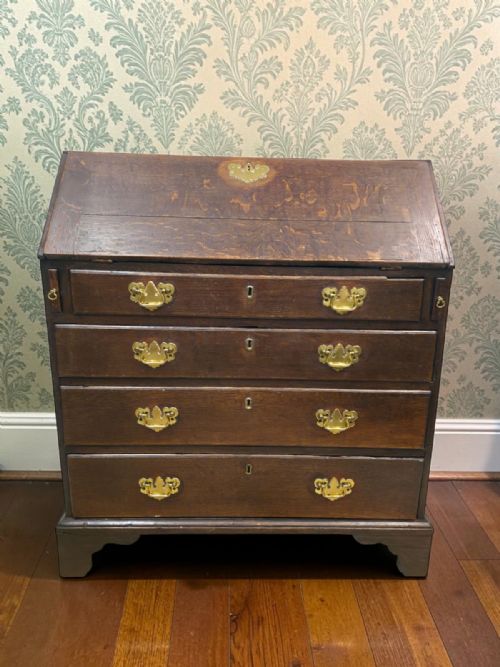
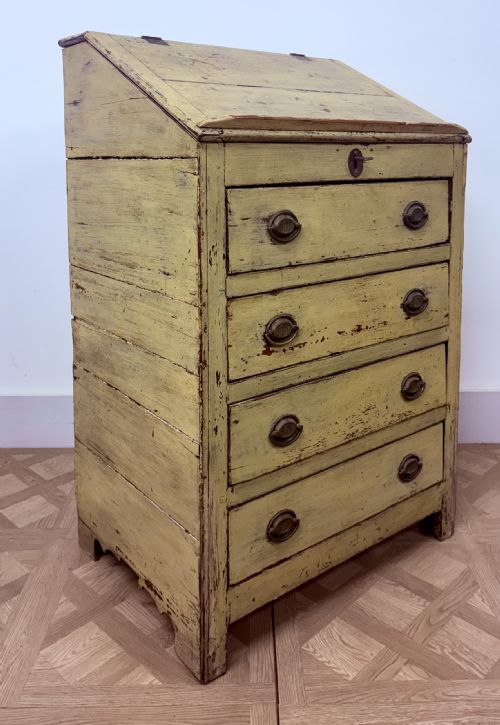
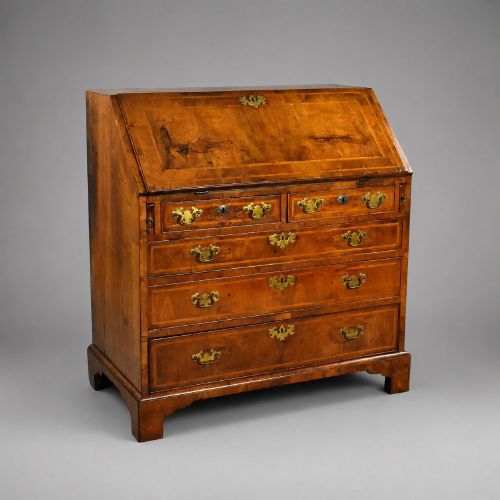
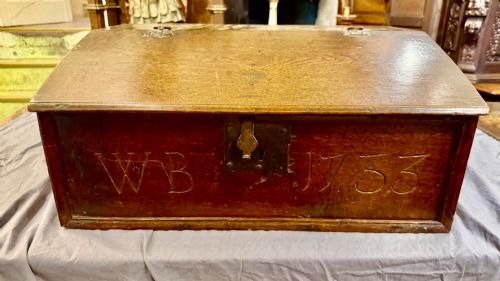
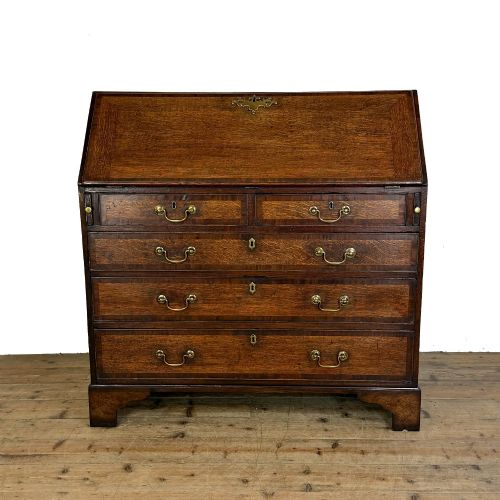
A georgian chest with slope encompasses compact writing desks and drawer units designed for domestic correspondence. These pieces function primarily as drop-front storage furniture, concealing fitted interiors behind a hinged writing surface.
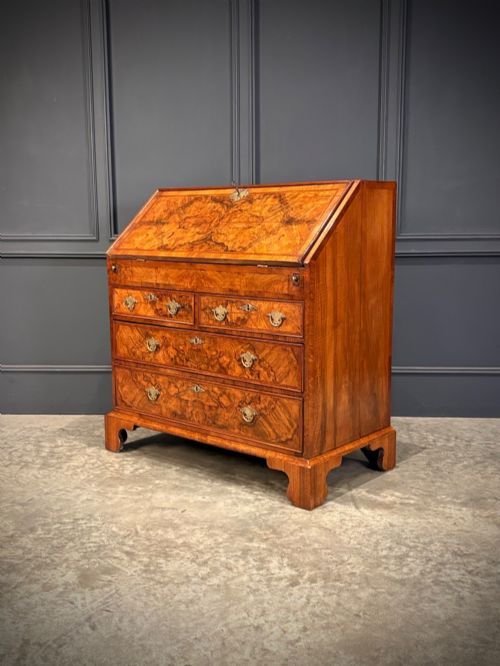
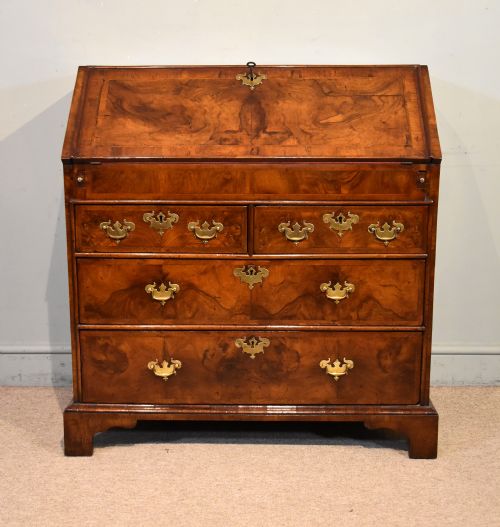
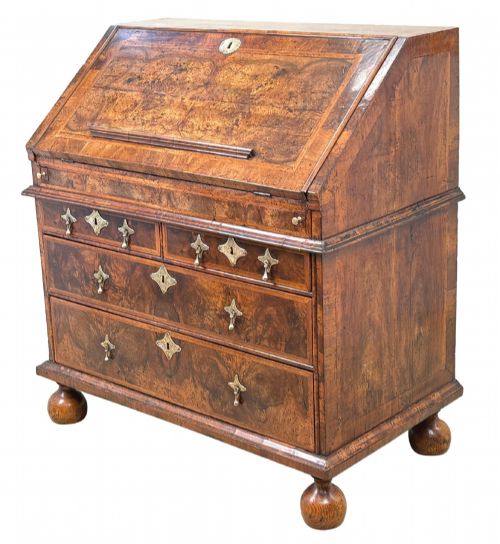
The selections span standard bureaux, secretaires, and provincial writing desks across multiple centuries. Mahogany and oak variants dominate the material output, alongside figured walnut examples from the early eighteenth century.
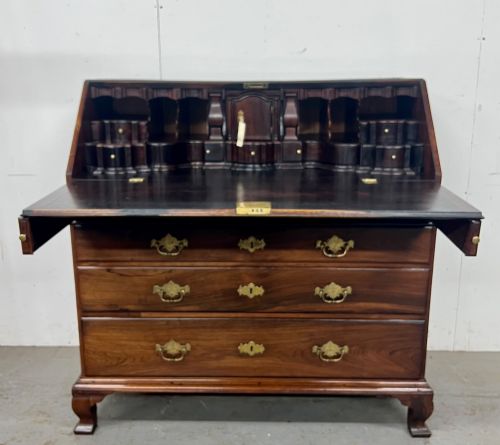
Most items reflect George II and George III stylistic periods, featuring internal drawers, pigeonholes, and occasional hidden compartments. Buyers encounter both solid cabinet timbers and decorative veneered surfaces.
Materials and construction
Cabinetmakers utilised dense hardwoods including mahogany, oak, and walnut, frequently applying fine veneers to primary display surfaces. Solid timbers provided robust structural integrity for drawer carcasses and fall-front writing flaps.
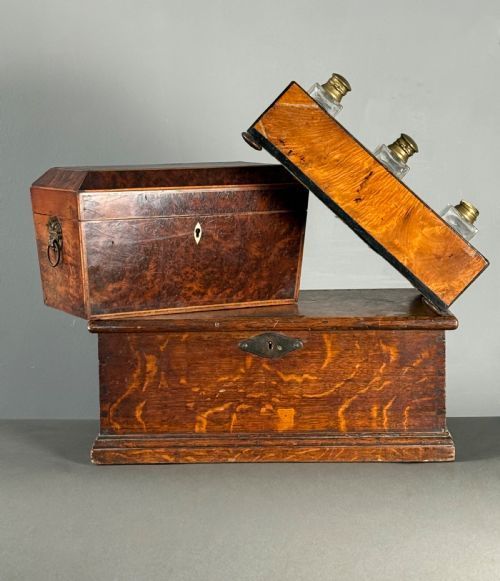
Hardware elements incorporate cast brass handles and escutcheons, alongside original ironwork on early examples. Intricate details extend to boxwood inlay, mother-of-pearl, and bone accents on select decorative boxes.
Several miniature mahogany desks offer diminutive writing spaces designed specifically for travel or compact quarters.
Assessing craftsmanship
The standard of timber selection largely dictates overall refinement, distinguishing figured walnut and burr elm from plain utilitarian oaks. Superior examples exhibit continuous grain matching across drawer fronts and fall-front panels.
Interior complexity separates standard models from exceptional pieces featuring elaborate pigeonholes and secret compartments. Original hardware, fine dovetailing, and intact structural elements elevate the grade of historical furniture.
Giles Grendey
The Georgian Chest with Slope Glossary
- Bureau
- A desk with a sloping hinged lid that drops down to form a writing surface. It typically conceals a fitted interior of small drawers and pigeonholes above standard storage drawers.
- Fall front
- A writing flap hinged at the bottom edge that pulls down into a horizontal position for writing. This panel covers the internal stationery compartments when closed.
- Veneer
- A thin layer of fine wood applied over a secondary timber base to create decorative surface patterns. Figured veneers utilise highly grained wood sections for visual impact.
- Escutcheon
- A protective plate surrounding a keyhole on a drawer or door. Brass represents the predominant metal utilised across these cabinet fittings.
- Dovetail
- A joint formed by interlocking wedge-shaped fingers used in drawer construction. Hand-cut variations indicate traditional cabinetmaking techniques.
Georgian Chest with Slope: Frequently Asked Questions
What is a bureau desk?
A bureau desk combines a set of storage drawers with an integrated writing surface hidden behind a folding flap.
When closed, the sloping front protects stationery and keeps the room tidy.
How do I date a bureau?
Dating relies on timber choices, construction methods, and stylistic cues like bracket feet or handles.
Walnut pieces often point to earlier decades, while mahogany gains popularity later in the century.
Where were these desks used?
These pieces served as private writing stations in domestic parlours, libraries, and bedrooms.
Owners stored personal correspondence, ledgers, and valuable documents within the secure internal compartments.
How do I care for wood?
Maintain timber surfaces by keeping them away from direct heat sources and strong sunlight.
Apply traditional wax sparingly to preserve the natural lustre of mahogany and walnut finishes.