

Corner Display Cupboard
A corner display cupboard maximises overlooked angles by turning empty junctions into focal points for treasured objects.
Corner Display Cupboard
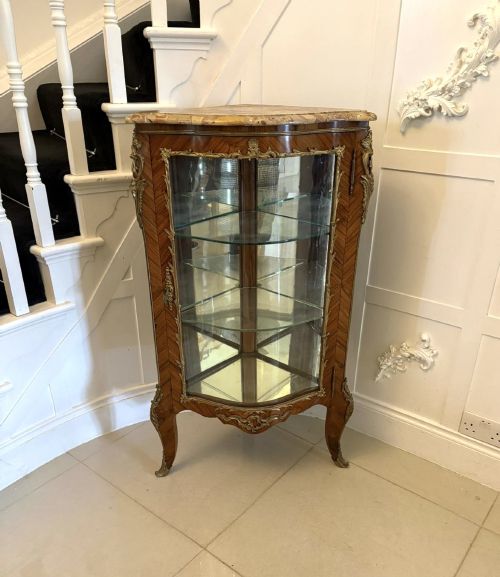
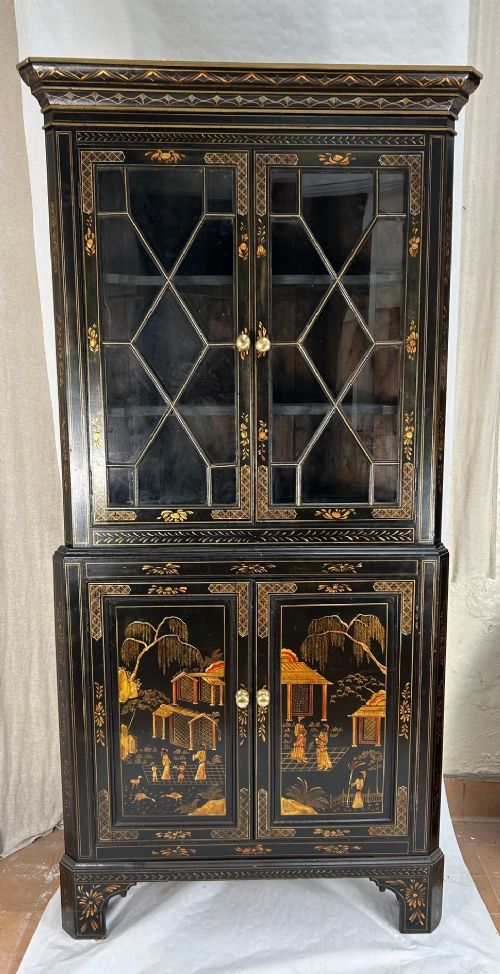
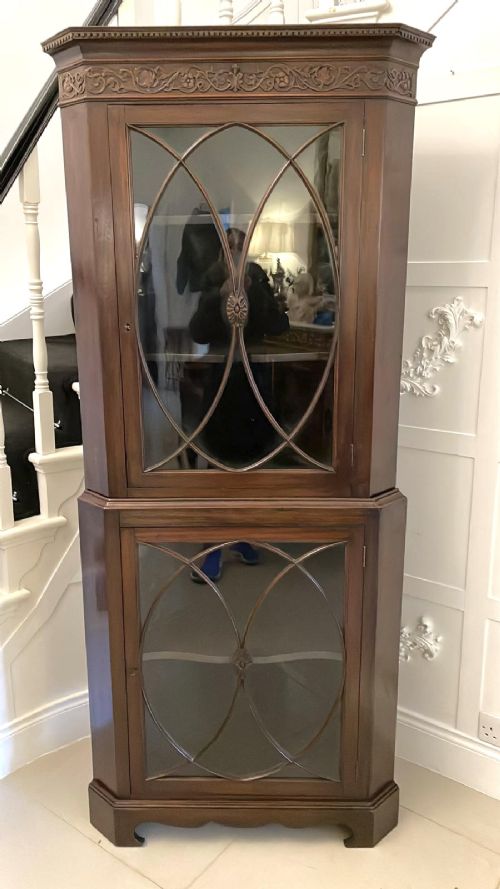
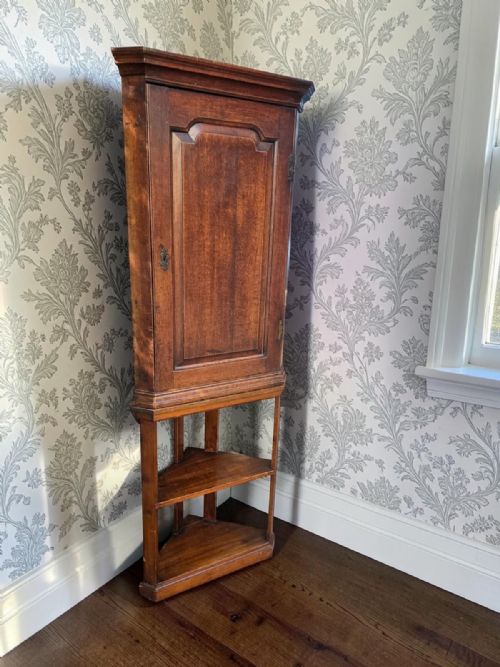
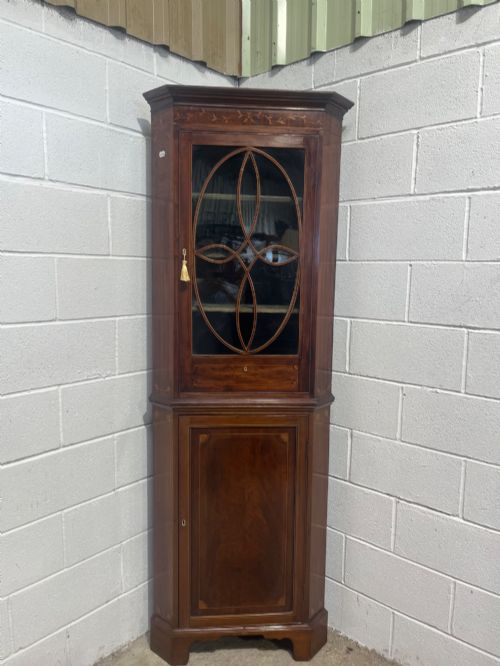
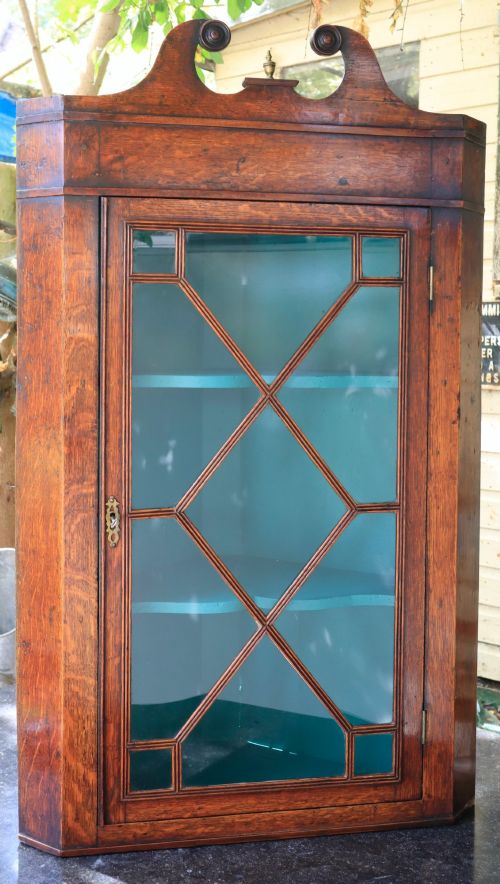
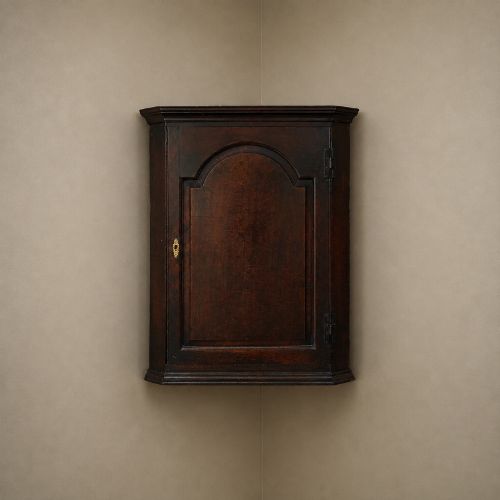
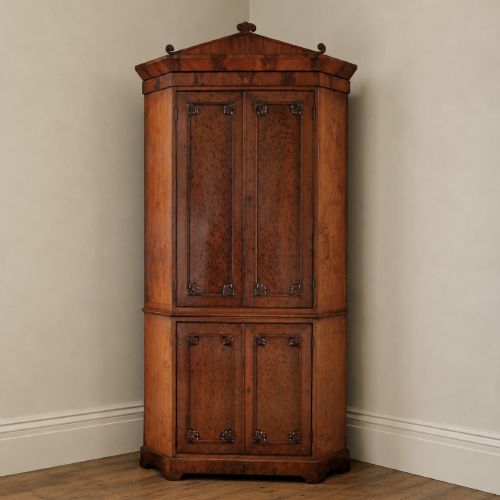
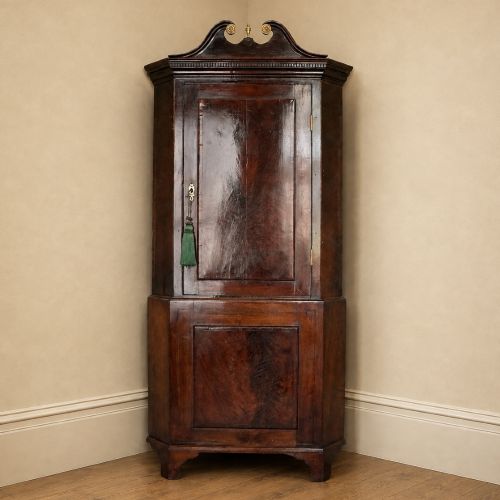
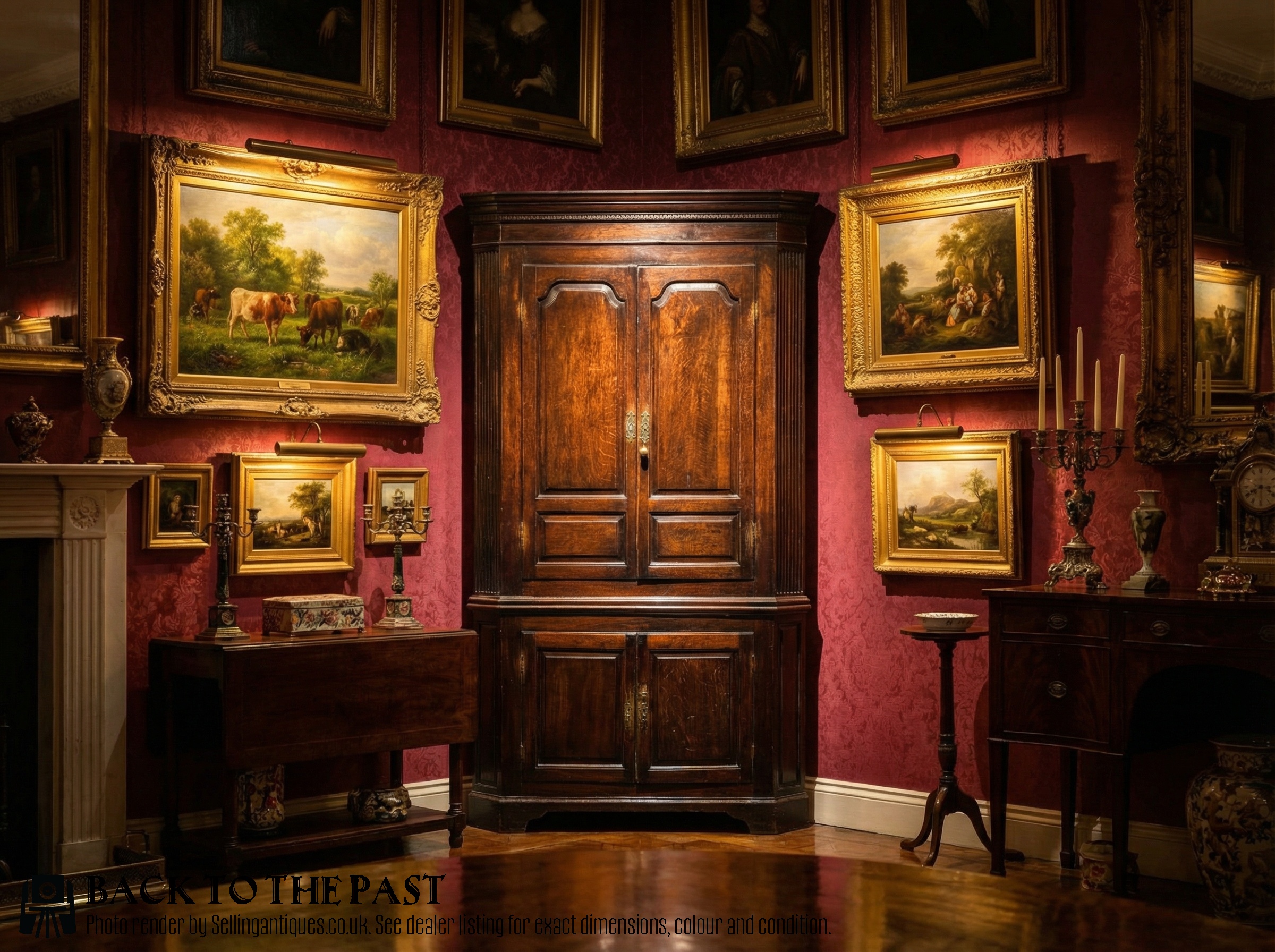
A corner display cupboard is a specialised storage piece designed to fit neatly into the ninety-degree junction of two walls, making practical use of otherwise dead architectural space. These items appear in various formats across the evidence, including wall-hanging versions, single-piece floor-standing units, and taller two-part constructions.
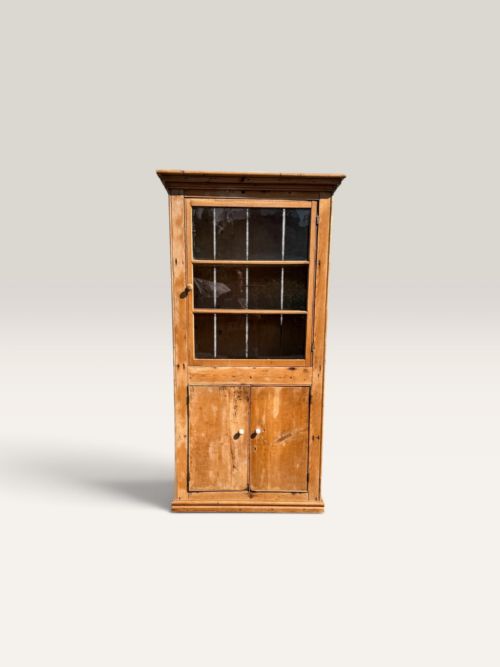
The versions most commonly met on this page date from the Georgian and Victorian eras through to the Edwardian period, constructed predominantly in timber such as mahogany, oak, and pine. Many examples incorporate glazed doors or open shelving specifically arranged to showcase ceramics, glassware, and small ornaments.
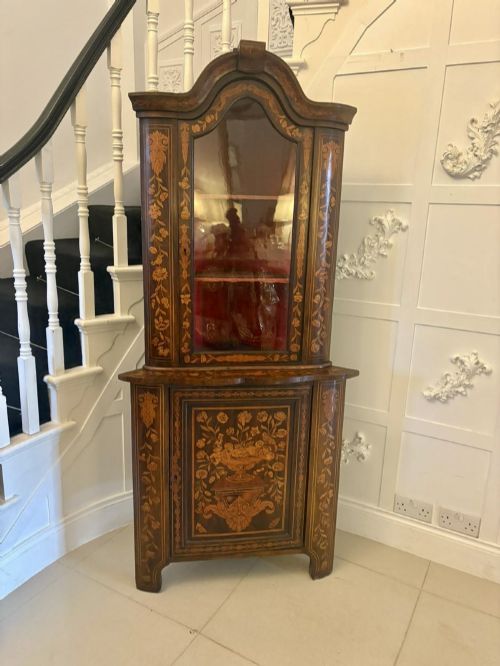
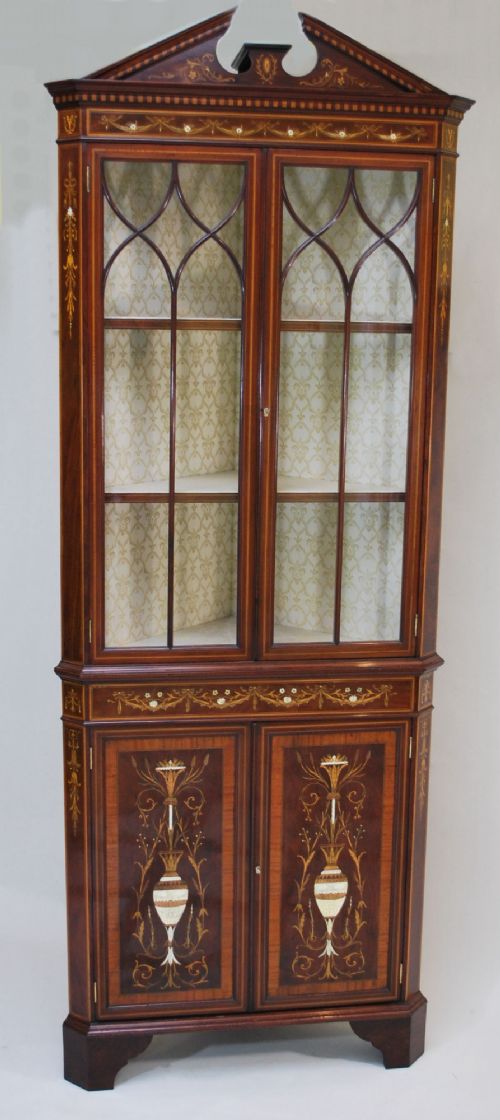
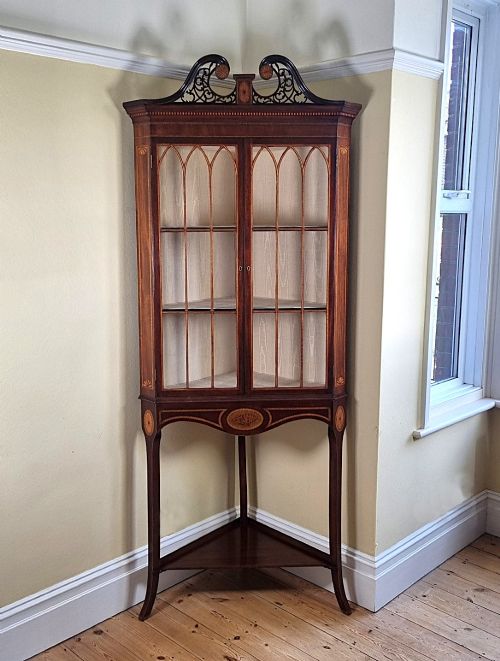
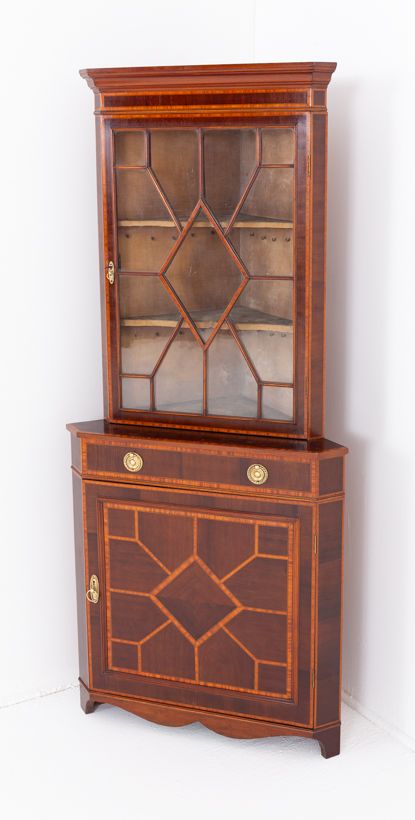
Formats range from simple panelled doors on eighteenth-century country oak cupboards to elaborate glazed display doors with satinwood inlay on late nineteenth-century and Edwardian pieces. Buyers encounter both single-height wall cabinets and imposing double-height standing cabinets that command a room.

How they were made
Makers utilised solid timbers such as oak, mahogany, walnut, and pine for the main carcase, often employing sturdy construction methods like dovetailing for internal shelving and drawers. Exterior surfaces frequently display decorative treatments including marquetry inlay, satinwood banding, and painted finishes.
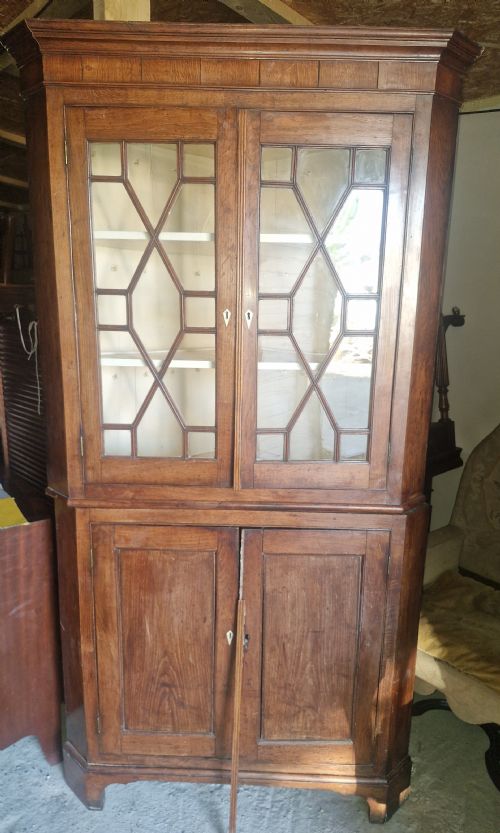
Glazing techniques played a central role, particularly through the use of astragal bars that divided glass panes into geometric patterns. Metal hardware, including brass hinges, key escutcheons, and working locks with keys, completed the construction of these functional storage pieces.
Corner Display Cupboard Retail Price Guide 2026
Typical asking prices for corner display cupboard among the pieces listed under this phrase on Sellingantiques today, from the lower quarter to the upper quarter. They describe what is for sale here now, not the wider market.
Several pieces preserve their original working keys, ensuring the tiny brass locks still secure the treasures displayed inside.
What varies in quality
The selection of timber underpins the overall standard of a piece, distinguishing dense, richly figured mahogany or quarter-sawn oak from utilitarian pine or secondary woods. Superior craftsmanship reveals itself in crisp joinery, well-fitted doors that swing true, and finely executed decorative details such as hand-cut stringing and delicate inlay.
Proportion and scale also dictate superiority, with master cabinetmakers achieving harmonious balance in architectural cornices, bow fronts, and serpentine shapes. Original glass panels, intact brass fittings, and matching working keys further elevate the standing of individual examples.
Edwards and Roberts
The Corner Display Cupboard Glossary
- Astragal glazing
- A method of dividing a glass door into smaller panes using slender wooden mouldings known as glazing bars. This technique defines many Georgian and revival display cabinets.
- Bow front
- A cabinet front that curves outward in a convex shape, softening the hard angles of the room. This form appears frequently in mahogany and walnut pieces.
- Two-part form
- A cabinet constructed as two separate stacked sections, typically consisting of a glazed display upper section resting on a cupboard or drawer base. This design facilitates moving large floor-standing units.
- Marquetry
- The art of applying decorative veneer pieces in wood, shell, or ivory to form intricate pictorial or geometric patterns on the surface. It is commonly found on Edwardian and late Victorian iterations.
- Cornice
- The ornamental moulding that crowns the top of a cabinet, often stepped or dentil-carved in Georgian examples. It provides an architectural finish to the piece.
Corner Display Cupboard: Frequently Asked Questions
How do I choose between wall-hanging and floor-standing models?
Wall-hanging versions suit smaller rooms or spaces where floor area remains at a premium, offering eye-level display without crowding the footprint of the interior. They fasten directly to structural walls and work particularly well above side tables or seating.
Floor-standing or two-part models provide substantial capacity and create a strong architectural presence in a corner. These taller pieces anchor larger reception rooms and accommodate larger collections behind glass doors.
Were these cupboards used for food or display?
Earlier eighteenth-century iterations often served as corner cupboards for storing porcelain, tableware, or provisions in dining rooms and parlours. Many retained solid panelled doors before glass-fronted display versions became dominant.
As the nineteenth century progressed, the emphasis shifted firmly toward display, with glazed doors specifically intended to protect and exhibit curated sets of china and glassware.
How do I identify a Georgian piece from a later revival?
Authentic Georgian pieces exhibit the construction traits, timber ageing, and hand-tooled surfaces typical of the eighteenth century, such as pegged joints and hand-cut dovetails. They often utilise native oak or early imported mahogany without modern machine marks.
Revival pieces, such as those from the Sheraton Revival period around nineteen-hundred, display machine-sawn timbers, standardised hardware, and specific revival stylistic markers that emulate earlier aesthetics.
How do I care for timber finishes and glass?
Maintain wooden surfaces by applying appropriate wax polish sparingly to nourish the grain without building up heavy residue. Keep pieces away from direct sunlight and strong heat sources to prevent timber shrinkage and veneer lifting.
Clean glass panels with standard non-ammonia window cleaner applied to a cloth rather than sprayed directly, protecting the surrounding timber frame and historic glazing bars from moisture damage.