

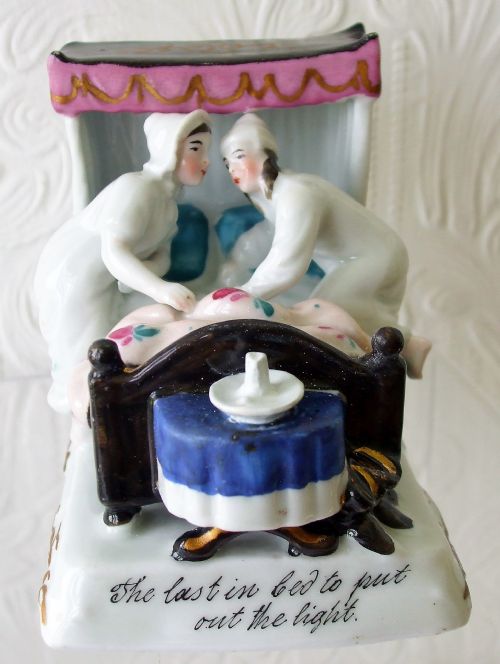


Continental Porcelain Figurine
These continental porcelain figurine pieces are decorative sculptures capturing human and animal figures from European kilns, offering a glimpse into historical tastes.

Continental Porcelain Figurine
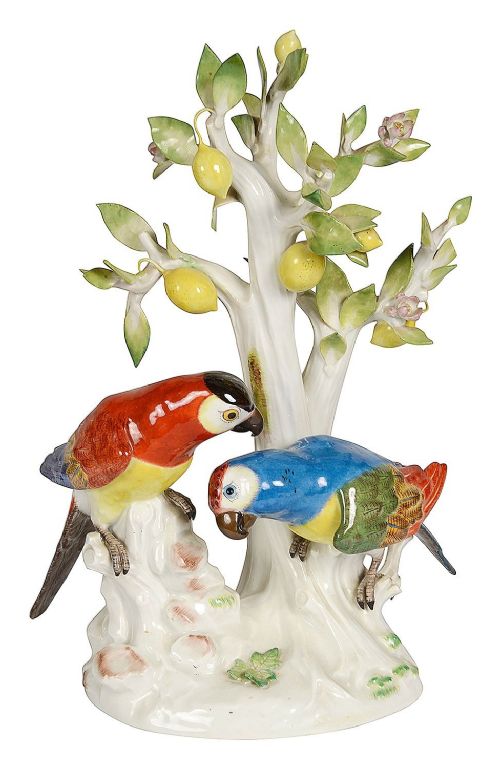
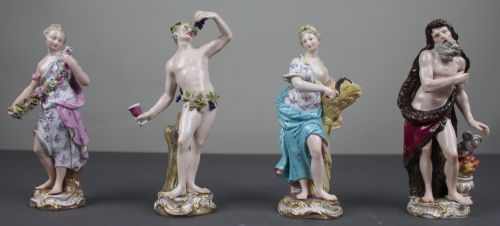
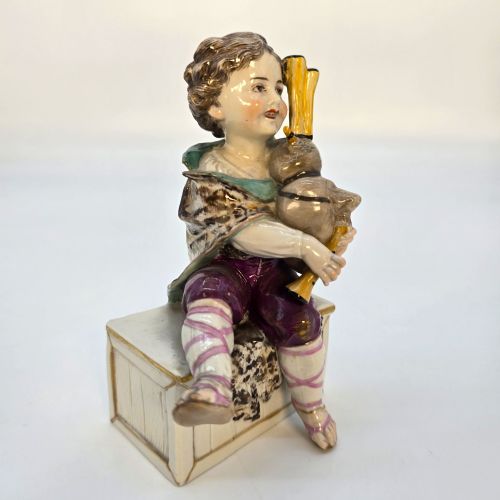
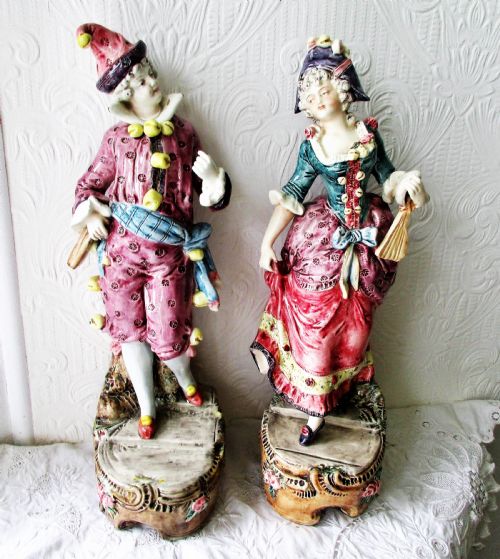
When you search for continental porcelain figurine, you are looking at glazed ceramic sculptures originating from European factories during the eighteenth and nineteenth centuries. The examples encountered on this page span styles from rococo revival to Victorian, depicting human figures, scenes and animals.
The selection includes specific nineteenth century German models alongside eighteenth century compositions. Forms range from single figures to pairs and larger decorative groups, often drawing inspiration from classical or pastoral themes.
Makers represented include Meissen and Samson, working within established European ceramic traditions. These pieces function primarily as decorative objects rather than utilitarian items.
What Varies in Quality
The distinction between standard and superior pieces rests on the crispness of the modelling and the precision of the hand-applied enamel work. Earlier eighteenth century examples often display finer anatomical detail and more subtle facial expressions than later mass-produced variants.
Continental Porcelain Figurine Retail Price Guide 2026
Typical asking prices for continental porcelain figurine among the pieces listed under this phrase on Sellingantiques today, from the lower quarter to the upper quarter. They describe what is for sale here now, not the wider market.
Listings incorporate materials such as enamel, gold leaf, hard-paste porcelain and earthenware across nineteenth and eighteenth century periods.
Meissen·Acier·Greuze·Samson
The Continental Porcelain Figurine Glossary
- Hard-paste porcelain
- A dense, vitrified ceramic material composed of kaolin and petuntse fired at very high temperatures. It forms the robust structural body of many European figurines.
- Enamel
- Vitreous coloured glass fused to the porcelain surface during a secondary low-temperature firing. It provides the permanent pigments used for clothing and facial details.
- Gold leaf
- Extremely thin sheets of beaten gold applied to highlighted areas of the sculpture. This metal embellishment enhances the decorative richness of the garments and bases.
- Glaze
- A glassy coating fused to the ceramic body during firing to seal the porous clay and provide a smooth sheen. It protects the painted enamel decoration underneath.
- Rococo revival
- A nineteenth century decorative style reviving the asymmetrical scrolls, shell motifs and pastel palettes of the mid eighteenth century. It influences the curved bases and flamboyant postures of many Victorian figures.
Continental Porcelain Figurine: Frequently Asked Questions
What periods do these porcelain figurines come from?
The pieces span from the mid eighteenth century through the nineteenth century, with specific examples dated around eighteen-fifty and eighteen-ninety.
Earlier items date to the seventeen-fifties, while later nineteenth century pieces reflect Victorian and rococo revival aesthetic trends.
How were these decorative figures originally displayed?
They were designed as ornamental objects for display on mantelpieces, sideboards and display cabinets within prosperous European homes.
Many were produced as pairs or matched groups to create symmetrical arrangements in formal reception rooms.
What materials make up continental porcelain figurines?
The primary body consists of hard-paste porcelain or earthenware, shaped into detailed human and animal forms.
Surfaces are finished with a protective glaze, coloured enamels and occasional gold leaf or gilt highlights.
How do you distinguish different factory styles?
Factory attribution relies on modelling techniques, the character of the glaze and specific decorative motifs associated with European kilns.
Styles range from the delicate eighteenth century rococo pieces to heavier Victorian interpretations and nineteenth century revival works.