


Colonial Rosewood Table
A colonial rosewood table brings dense grain, intricate carving and global history straight into a room.
Colonial Rosewood Table
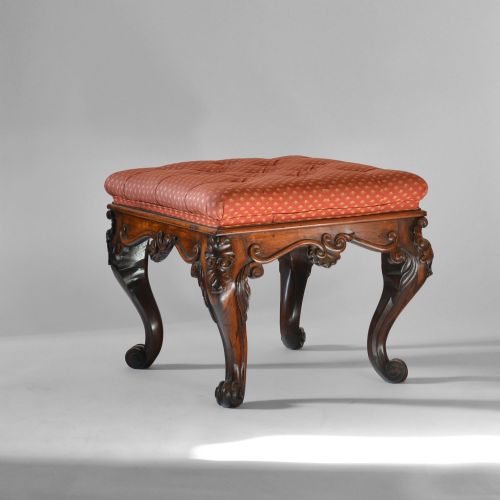
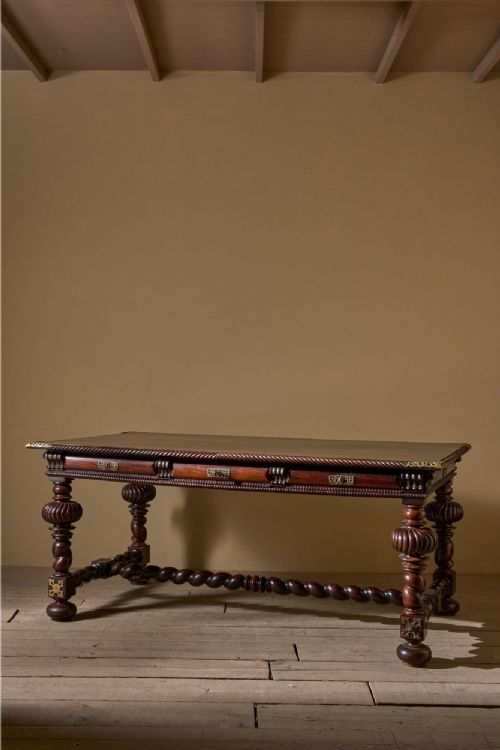
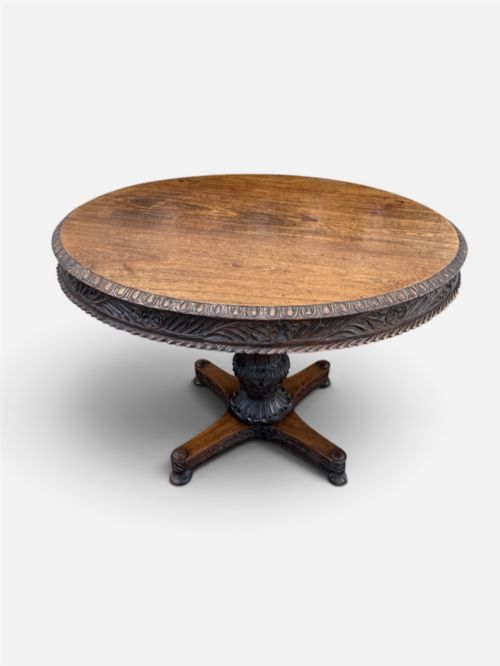
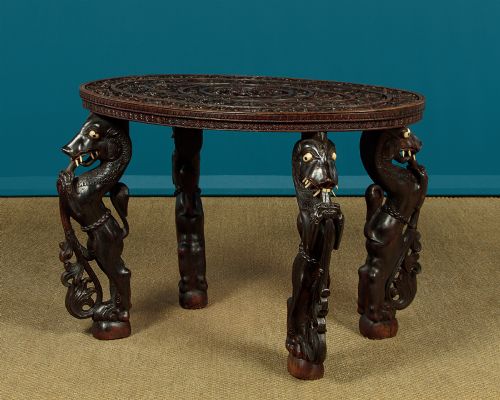
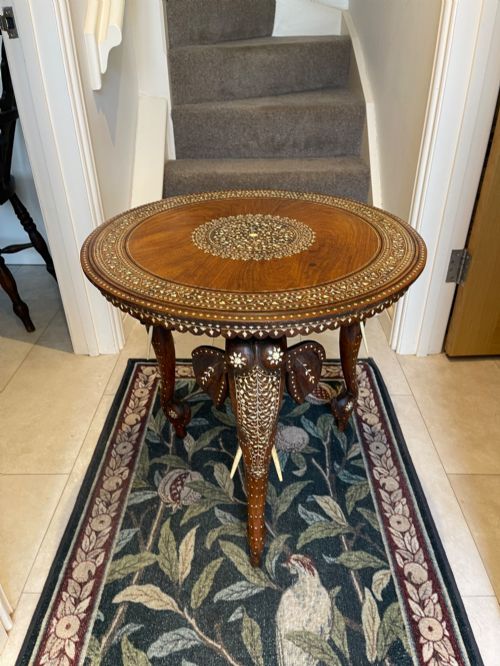
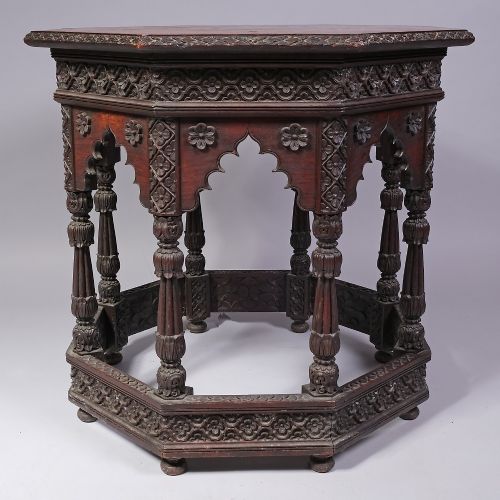
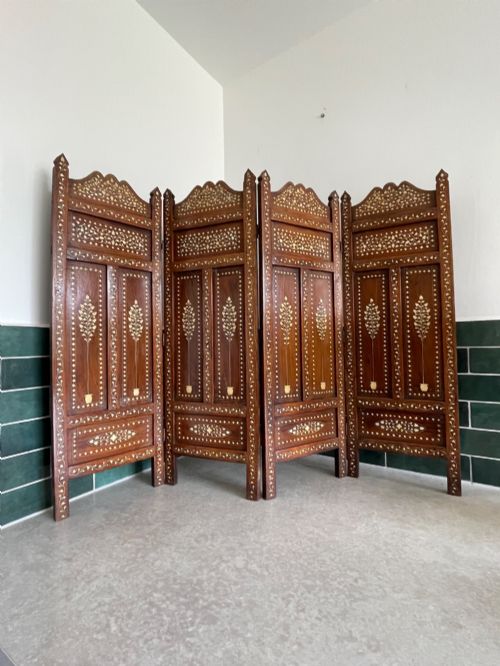
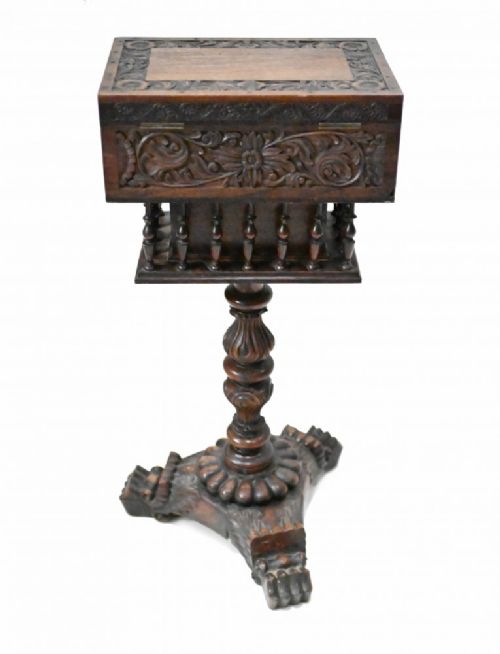
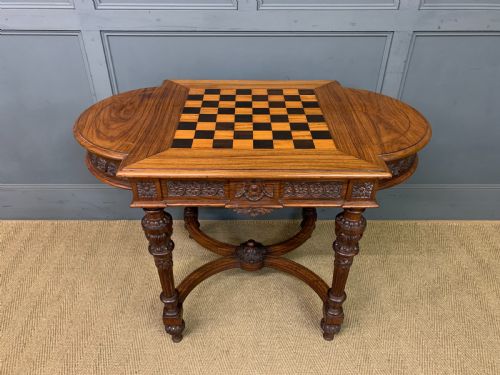
A colonial rosewood table spans several distinct forms created during the nineteenth century across British and Portuguese territories. The pieces seen here include heavy centre tables, occasional tables, console tables and smaller folding or tilt-top designs.
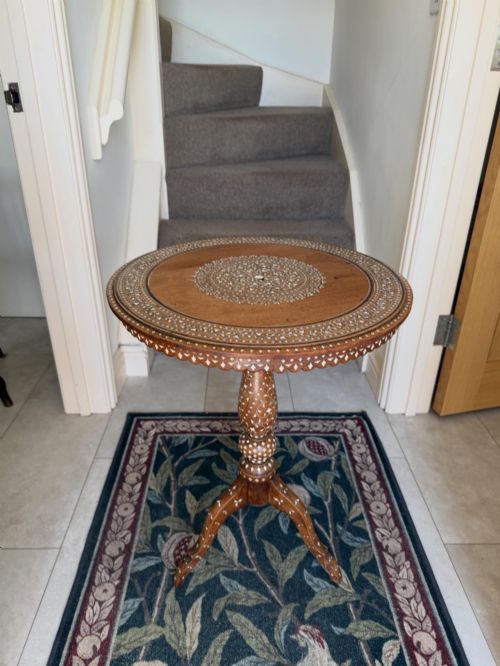
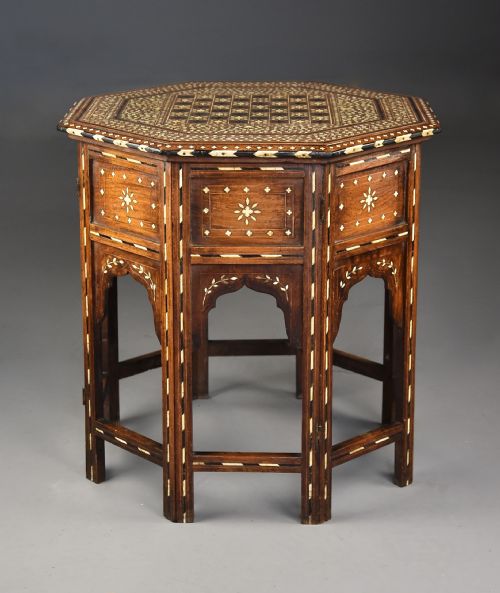
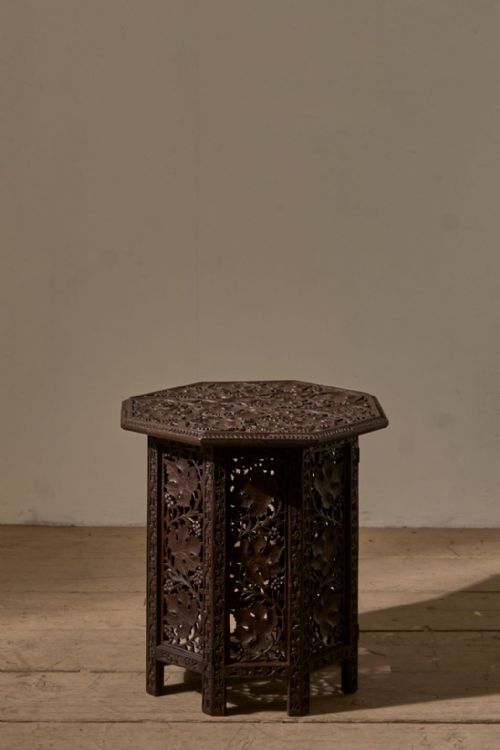
Anglo-Indian and Portuguese colonial makers produced these works in rosewood, padouk and teak, often integrating regional carving traditions with European furniture shapes. Buyers frequently encounter octagonal occasional tables, carved side tables and pedestal forms from this tradition.
The objects serve practical domestic functions while displaying dense floral, leaf and animal motifs. Their origins abroad mean they combine robust tropical timbers with exceptional decorative detail.
Materials and Construction
Craftsmen built these tables using dense tropical timbers such as rosewood, padouk and teak, selected for their stability and rich natural colour. These woods allowed for deep, crisp carving that retained sharp relief over generations.
Many examples incorporate intricate inlay work using bone, brass, ebony and mother-of-pearl to highlight geometric patterns and botanical motifs. Joinery combined traditional pegging methods with robust framing to support heavy solid timber tops.
Assessing Quality
Quality rests primarily on the depth and crispness of the hand carving rather than mere surface ornament. Superior pieces display undercut foliage, sharply defined animal figures and harmonious proportions across the entire frame.
The selection of the timber also dictates the tier of the piece, with richly figured solid rosewood and precise contrasting inlay marking out the finest examples. Structural integrity and original surface finishes further separate standard production from masterwork output.
The Colonial Rosewood Table Glossary
- Anglo-Indian
- Furniture made in India during the British colonial period, combining British forms with local carving styles.
- Hoshiarpur
- A North Indian city renowned for intricate wood inlay work using bone, brass and shesham or rosewood.
- Tilt-top
- A table mechanism allowing the top to hinge vertically for storage against a wall when not in use.
- Pedestal table
- A table supported by a single central column resting on a tripod or platform base.
- Padouk
- A heavy, durable tropical hardwood with a distinctive reddish hue, frequently utilised in colonial furniture making.
Colonial Rosewood Table: Frequently Asked Questions
How do I date a colonial rosewood table?
Dating relies on stylistic clues, construction methods and timber choices recorded across the nineteenth century. Pieces often correspond to specific periods like the Victorian era or distinct decades.
Examining the underside, joinery marks and the complexity of the inlay or carving helps narrow the decade of production. Comparative pieces from archives provide reliable benchmarks for dating.
Where were these tables made?
These tables originated in various colonial territories, primarily across regions of India and Portuguese settlements. Workshops in centres like Hoshiarpur specialised in intricate inlaid occasional and octagonal forms.
Other pieces reflect Portuguese colonial influence, utilising European domestic forms adapted by local artisans using native tropical hardwoods.
How do I care for a rosewood surface?
Rosewood requires stable indoor humidity and protection from direct sunlight to prevent timber movement or fading. Regular dusting with a soft, dry cloth preserves the polished surface finish.
Avoid liquid polishes containing silicone, choosing instead traditional beeswax applied sparingly when the timber appears dry.