

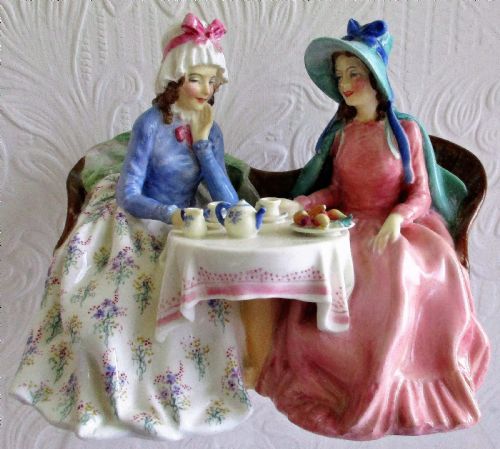
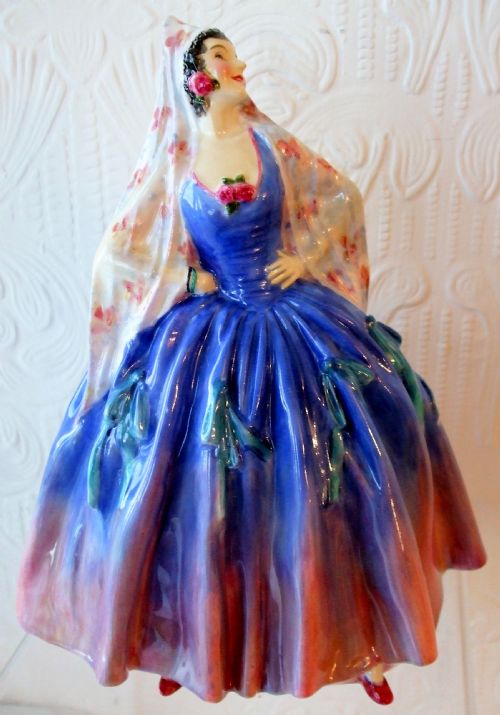

Collectable Porcelain Ornament
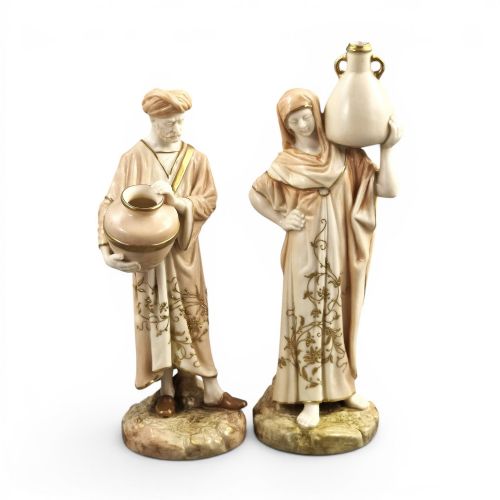
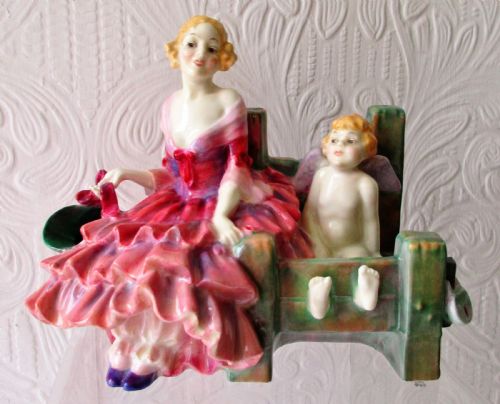
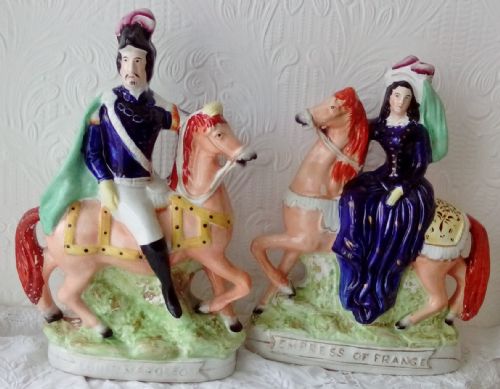
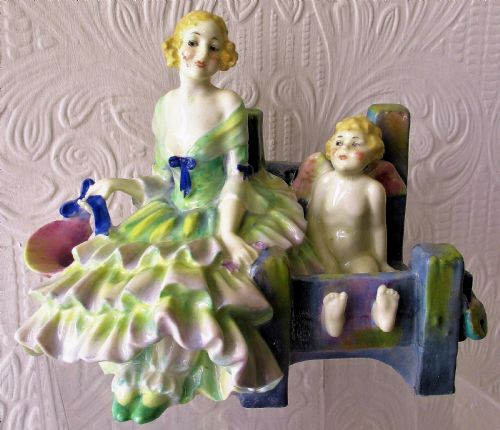
A collectable porcelain ornament brings character to a room through finely modelled figures and animals shaped across centuries of kiln work.
Collectable Porcelain Ornament
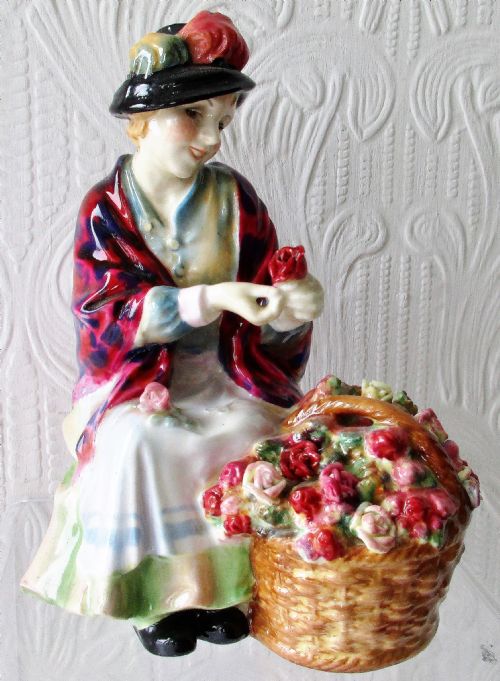
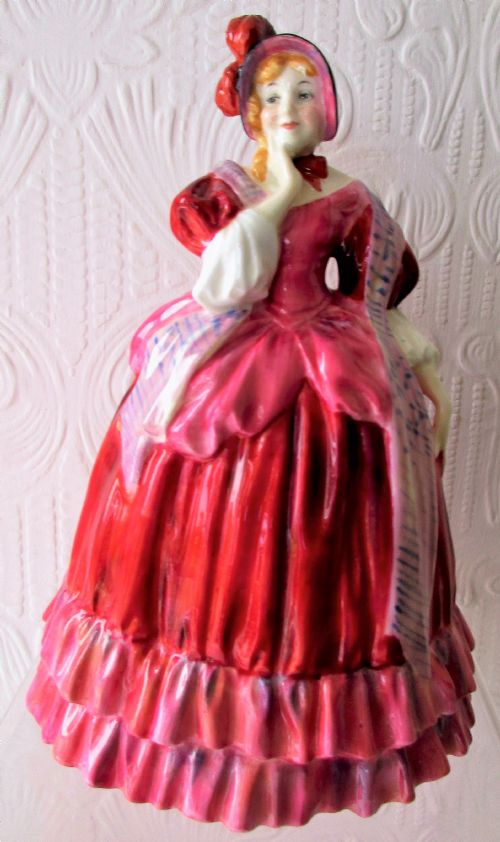
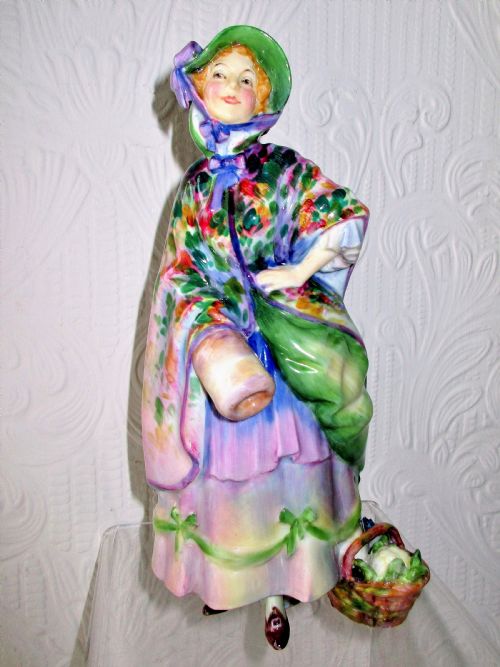
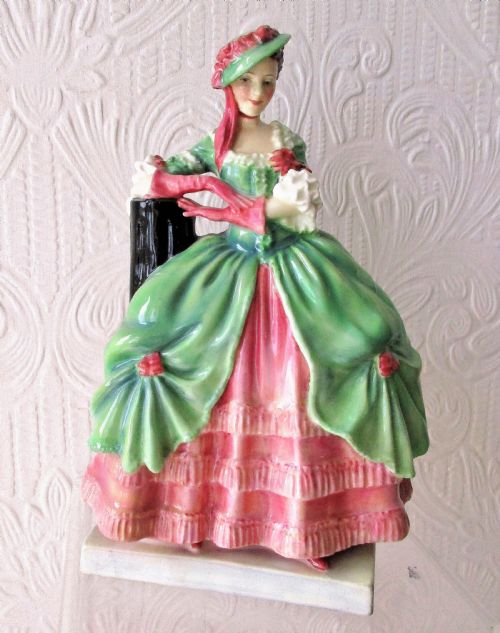
A collectable porcelain ornament encompasses small figurative sculptures, candle snuffers, and pastille burners shaped from ceramic materials. Buyers searching this phrase encounter everything from Georgian animal models to Art Deco dancers.
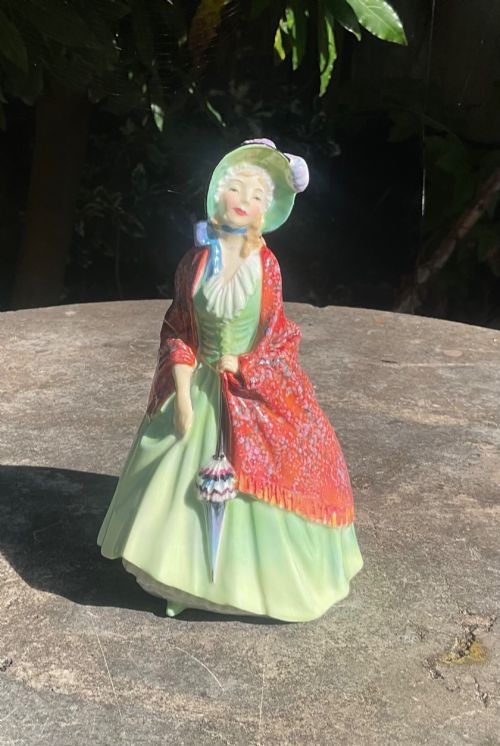
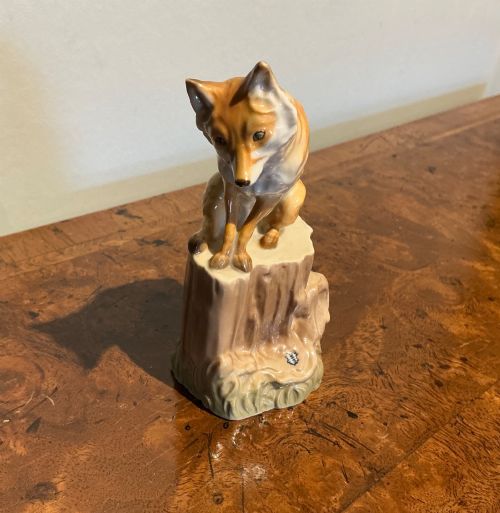
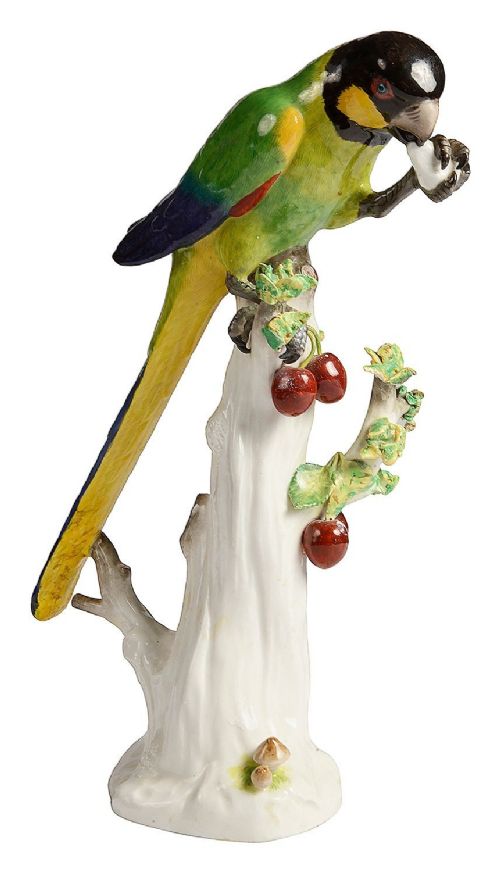
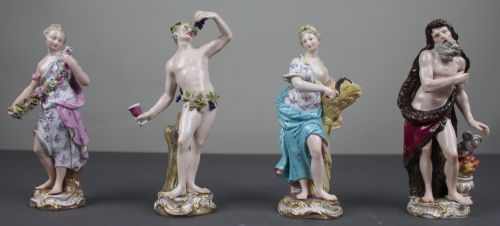
The selections span English potteries, German manufactories, and French workshops. Figures range from named Royal Doulton ladies to eighteenth-century Derby animal pairs and Meissen birds perched on tree trunks.
Materials and methods
Pieces are formed from porcelain, bone china, or hard-paste porcelain, then coated in ceramic glaze or enamel colours. Many incorporate gold leaf highlights to accentuate details on garments and bases.
Moulding and hand-modelling shape the figures before high-temperature firing sets the body. Skilled artists then apply hand-painted enamels and glazes, sometimes adding fine brushwork for facial expressions and textiles.
Listings feature hard-paste porcelain, bone china, and enamel across periods from the eighteenth century to the mid-twentieth century.
Distinctions in standard
The richness of the glaze and the complexity of the polychrome palette separate workshop tiers. Early figures rely on delicate underglaze blue or carefully controlled overglaze enamel placement.
Royal Doulton·Nymphenburg·Meissen·Royal Worcester·Derby·Royal Copenhagen·Samson of Paris·Wedgwood·Royal Dux
The Collectable Porcelain Ornament Glossary
- Hard-paste porcelain
- A dense, vitrified ceramic composition fired at very high temperatures. It resists scratching and provides a durable base for detailed figures.
- Bone china
- An English body containing bone ash that yields a translucent finish. It allows for thin casting without losing structural strength.
- Enamel
- Vitreous pigments applied over the glaze and fired at lower temperatures. This technique permits a wide palette of bright surface colours.
- Pastille burner
- A small ceramic vessel designed to diffuse scented smoke through openings. Many take the form of miniature cottages or figures.
- Candle snuffer
- A functional figurine fitted with a conical cap on a long handle. Makers often shape these as animals or historical characters.
Collectable Porcelain Ornament: Frequently Asked Questions
What periods do these porcelain figures date from?
The pieces span from the mid-eighteenth century through the Victorian and Edwardian eras into the nineteen-thirties and forties. Earlier examples often originate from Derby, Meissen, or Longton Hall.
Later pieces include twentieth-century English character figures and continental Art Deco works. Each era brings distinct modelling styles and glaze compositions.
How were pastille burners used?
Pastille burners functioned as household deodorisers in Georgian and Victorian rooms. Users placed a scented paste pellet inside the hollow ceramic base or cottage.
Heat from a small interior source caused the pastille to smoulder. Fragrant smoke then drifted through the chimneys or windows of the porcelain ornament.
Are candle snuffers functional?
Candle snuffers combined utility with decorative display on mantelpieces. The hollow bonnet or figure head extinguished candle flames without smoking the room.
Most surviving examples retain their original proportions and painted enamel surfaces. Collectors display them alongside standard figurines and animal models.
How do I identify a Meissen bird figure?
Meissen figures of birds and animals usually feature naturalistic poses perched upon tree trunks. Eighteenth and nineteenth-century examples display characteristic underglaze blue crossed swords marks.
The modelling shows careful attention to feather texture and posture. Enamel colours are applied with a restrained palette reflecting natural bird plumage.