

Glazed Porcelain Statues
These glazed porcelain statues bring character and history to a room through centuries of skilled sculptural work.
Glazed Porcelain Statues
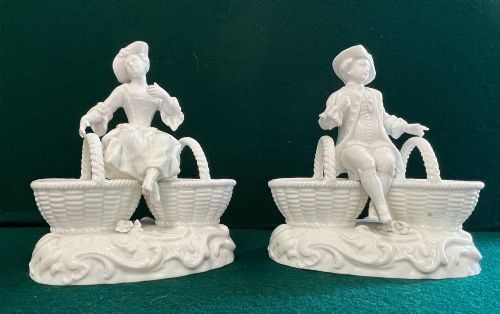
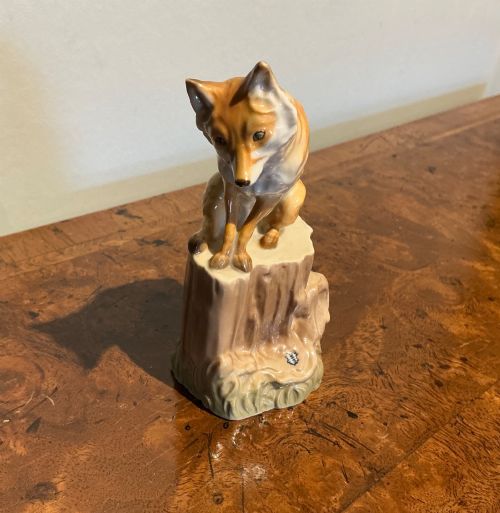
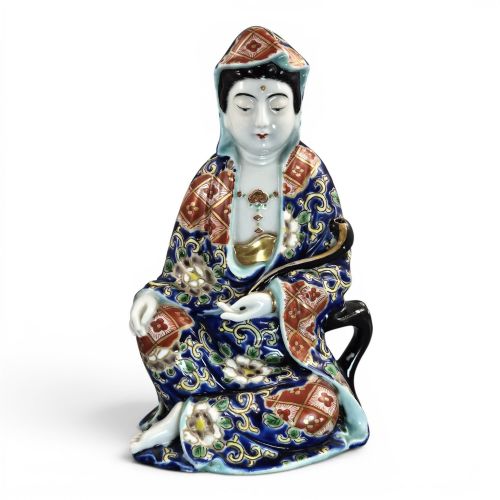
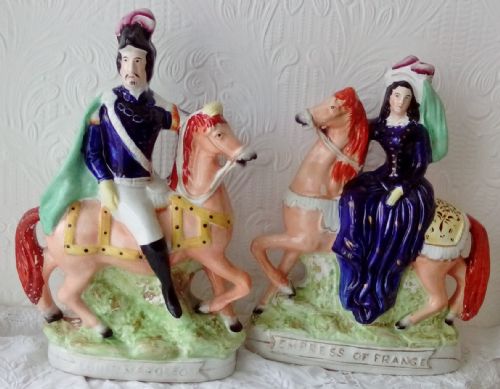
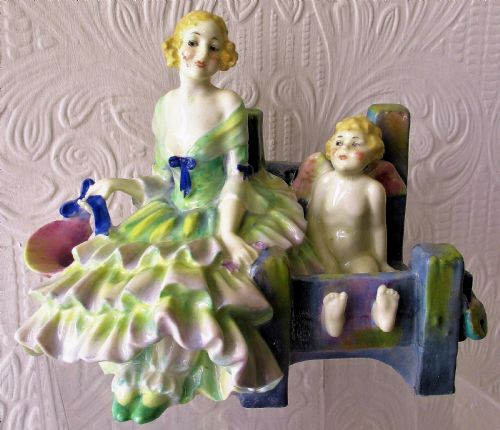
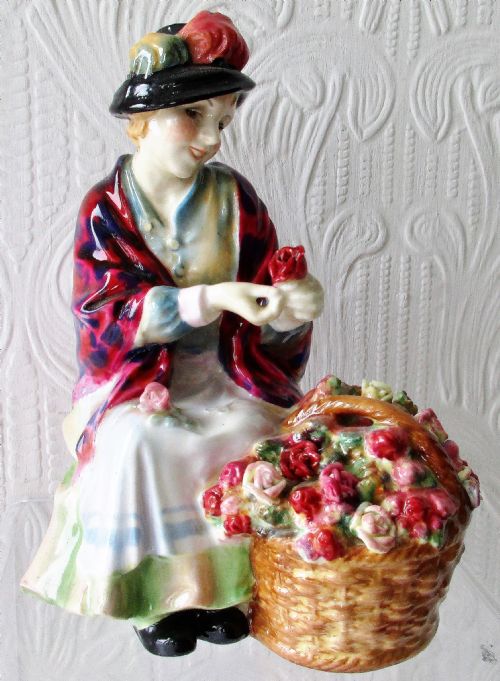
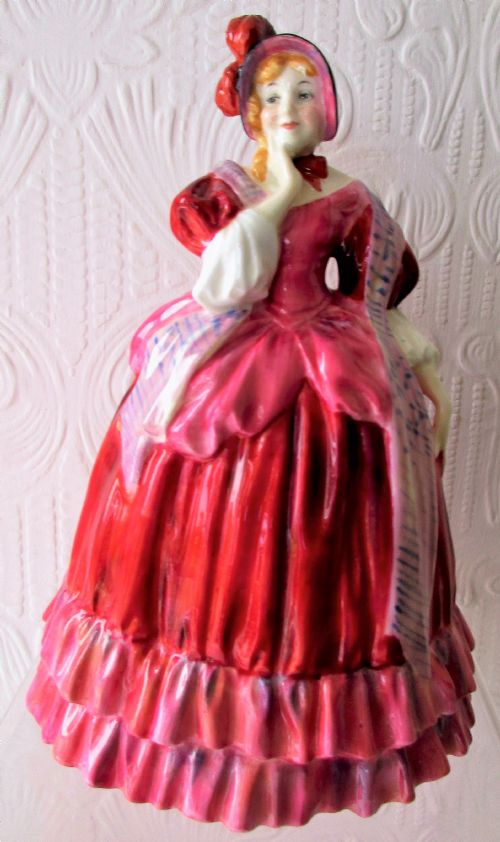
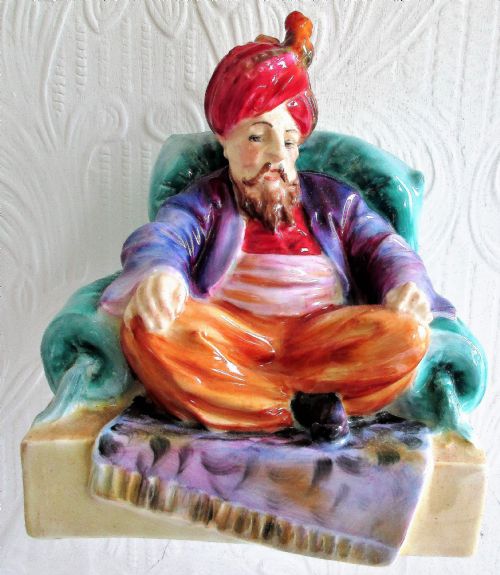
When searching for glazed porcelain statues, buyers encounter a diverse selection of sculptural pieces spanning the nineteenth century through the interwar decades. The selection includes figures of animals, human subjects, and mythological characters from European manufactories and Asian workshops.
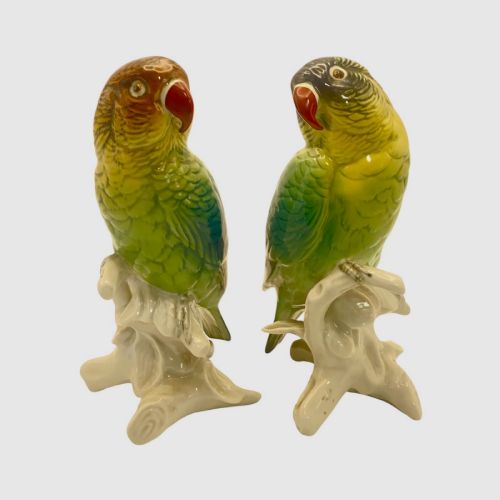
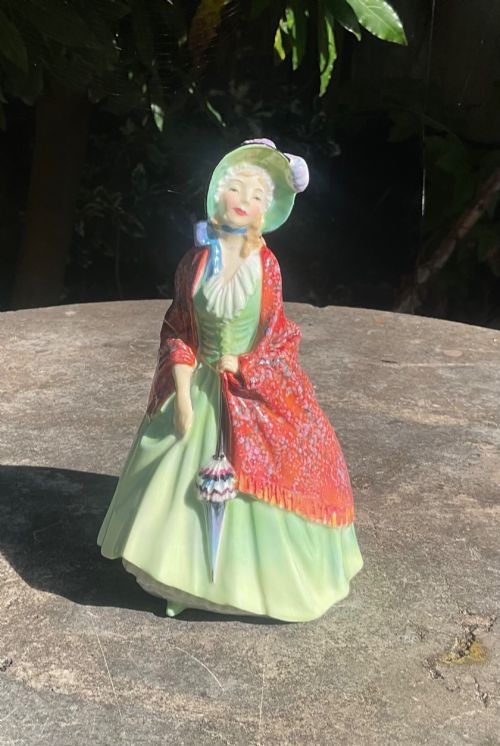
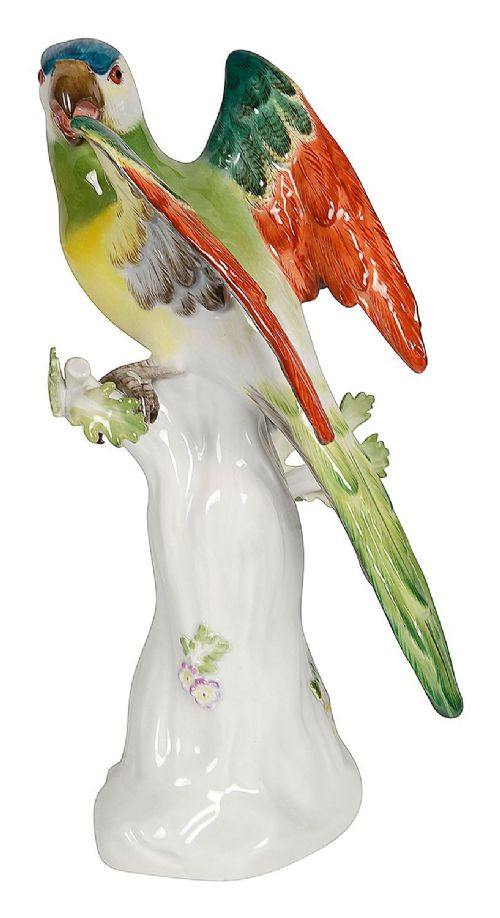
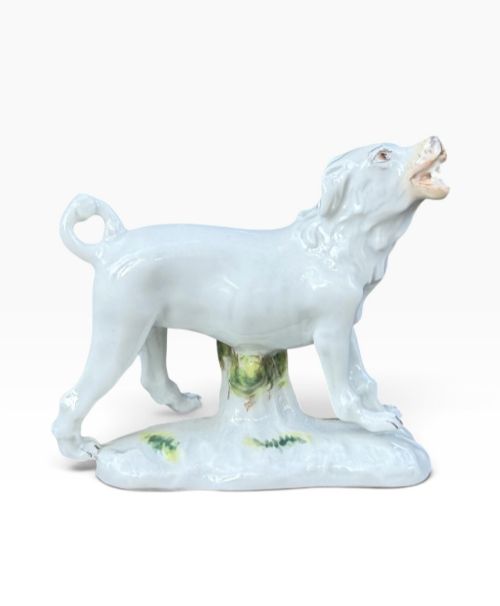
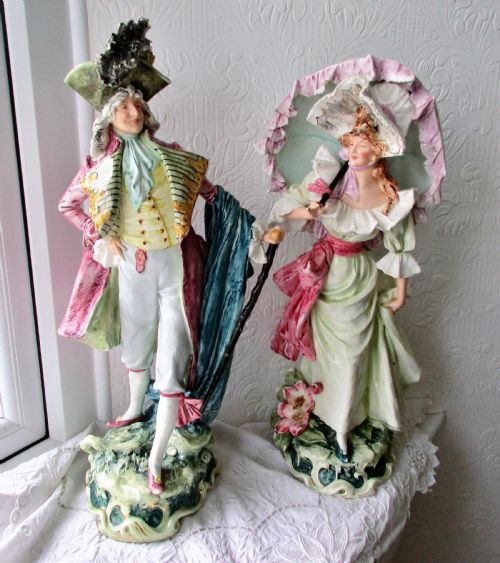
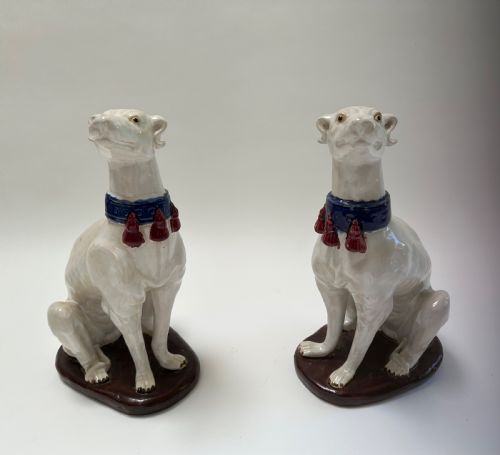
European examples range from Meissen parrots and dogs to Royal Doulton ladies and Staffordshire greyhounds. Pieces often reflect prevailing tastes such as Victorian sentimentality, Art Nouveau fluidity, and Art Deco geometry.
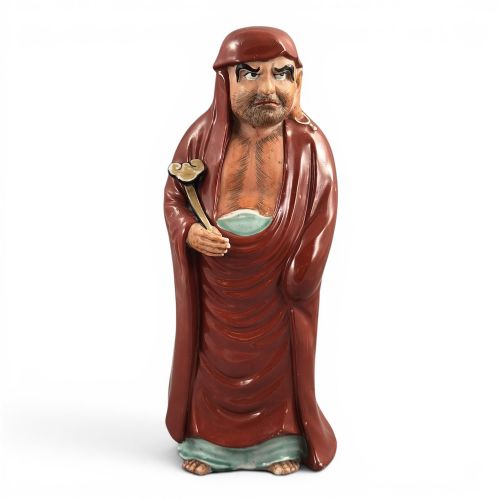
Asian contributions feature Japanese Kutani and Satsuma figures alongside Chinese Qing dynasty foo dogs and ducks. These works utilise traditional glazing methods, bringing distinct regional styles into the selection.
How they were made
Makers shaped these pieces from ceramic materials including porcelain, earthenware, and fine paste before applying liquid glazes and enamels. Artisans frequently added hand-painted details and gilding over the fired surface to create depth and contrast.
Many European and Asian factories employed complex mould-casting and modelling techniques, often engaging named sculptors to design the initial forms. Firing took place in high-temperature kilns to set the vitrified body and fix the glossy finish.
Several dogs sit patiently on this page, including greyhounds serving as ink-ready quill holders.
What varies in quality
The standard of a piece rests primarily on the sharpness of the modelled detail and the precision of the hand-painting. Superior examples display clean lines without distortion from the kiln, alongside subtle tonal variations in the enamel work.
Meissen·Karl Ens·Royal Doulton·Nymphenburg·Royal Dux Bohemia·Rosenthal·Wedgwood and Co
The Glazed Porcelain Statues Glossary
- Blanc de Chine
- A type of white porcelain originating from China, notable for its creamy glaze and smooth finish. It was frequently used for religious and figural subjects.
- Sancai
- A three-colour lead glaze technique common in Chinese ceramics, typically combining amber, green, and creamy white tones. This glaze runs slightly during the firing process to create natural patterns.
- Okimono
- A Japanese display piece or ornament designed for traditional interior spaces. These figures often depict deities, historical figures, or animals with high attention to carved detail.
- Bisque
- Unglazed fired porcelain that has a matte, biscuit-like texture resembling marble. It was widely utilised for portrait busts and classical figures.
- Enamel
- Coloured vitreous glass applied over the fired glaze and fixed in a muffle kiln. This technique allowed makers to achieve vibrant hues on decorative figures.
Glazed Porcelain Statues: Frequently Asked Questions
How do I identify older porcelain figures?
Examination of the base often reveals factory marks, impressed numbers, or painted symbols that connect the piece to a specific period of production.
The style of the modelling and the characteristics of the glaze also offer strong clues to the era in which the figure was made.
Were these figures meant for display?
Most of these ceramic pieces served as decorative ornaments on mantelpieces, sideboards, and occasional tables in period homes.
Some specialised forms, such as quill holders and incense holders, combined sculptural display with practical functions.
How should I clean glazed porcelain?
Dusting gently with a soft, dry brush keeps the surface clear without risking delicate hand-painted details or protruding elements.
Moisture should be avoided, particularly on antique pieces where enamels or gilding might be vulnerable to harsh cleaning agents.