


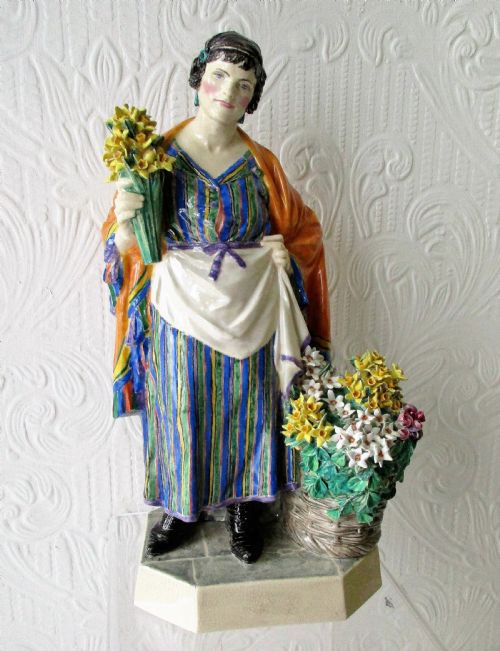
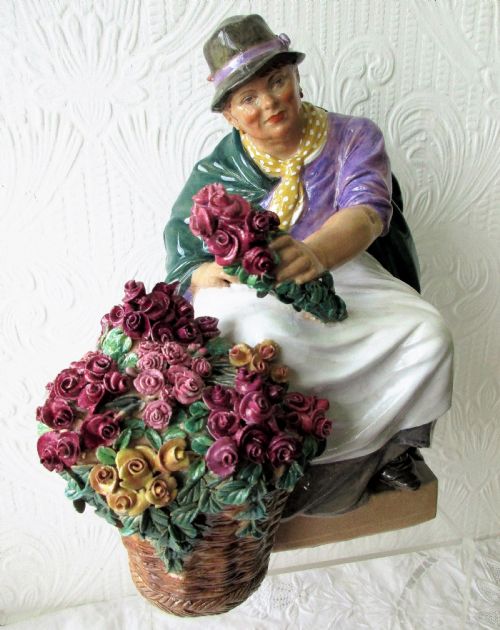
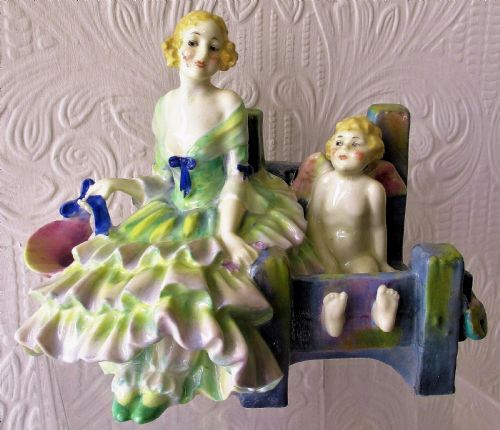
Collectable Ceramic Figurine
These collectable ceramic figurine examples span the eighteenth century to the mid-twentieth, bringing together porcelain, bone china and earthenware pieces from major European factories and studios.
Collectable Ceramic Figurine
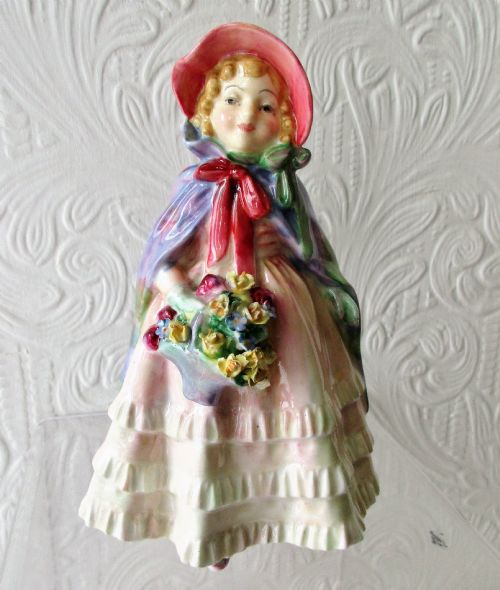
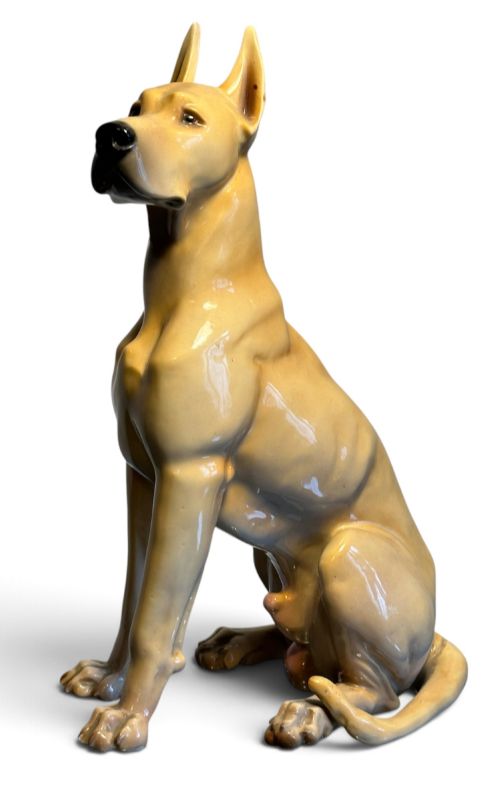
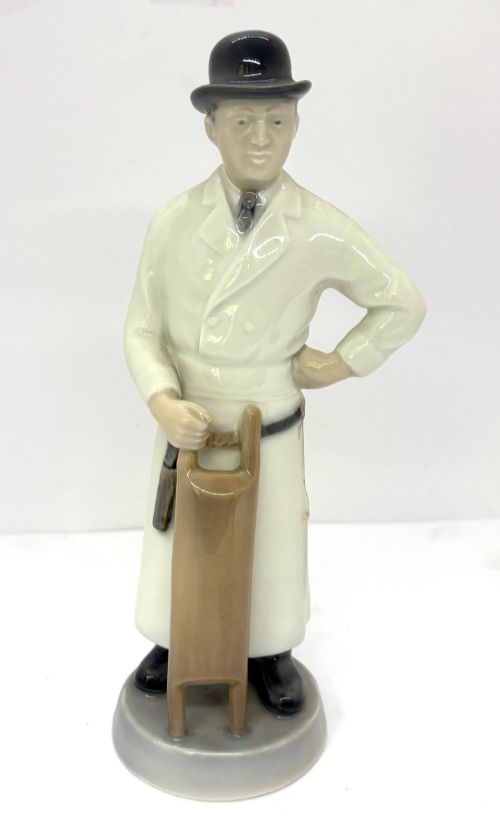
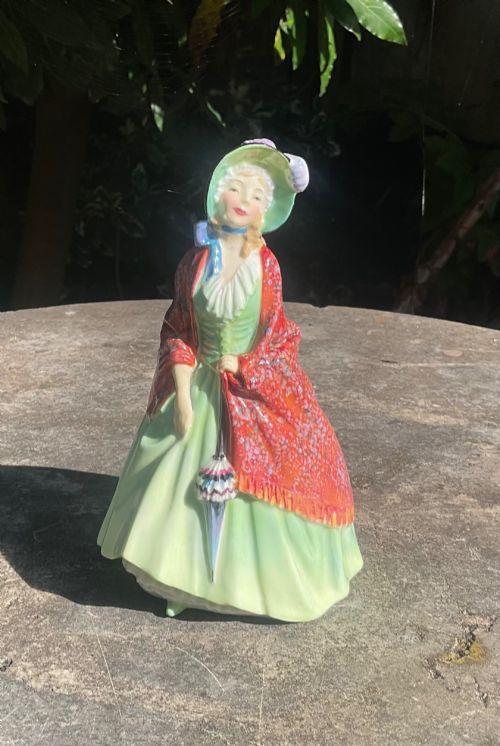
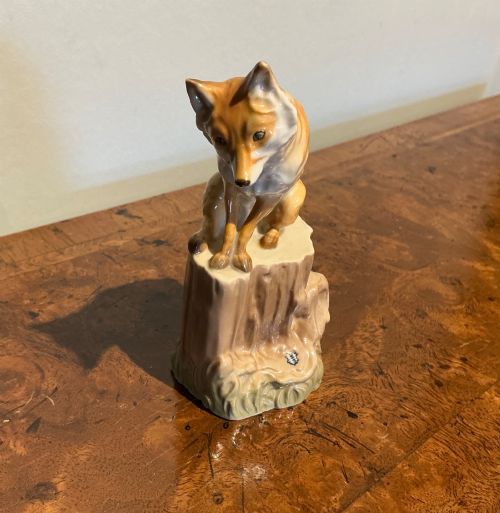
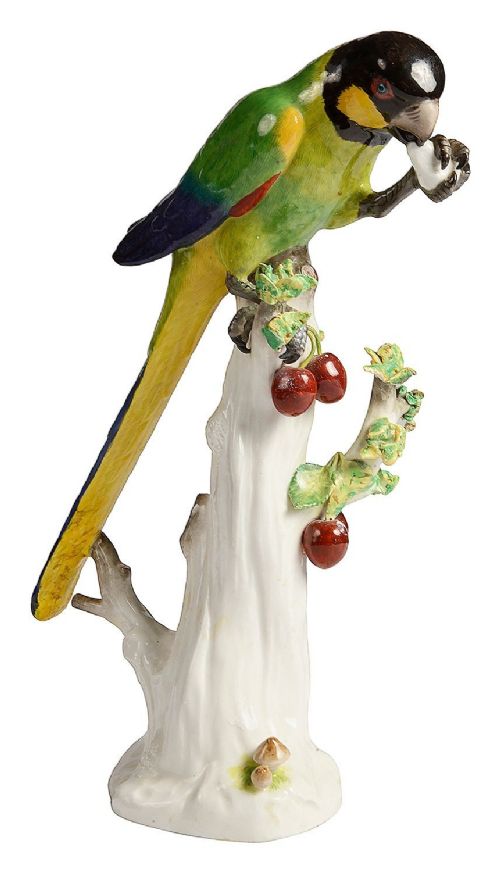
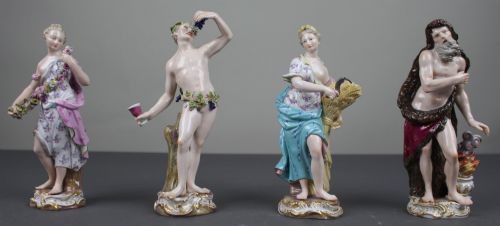
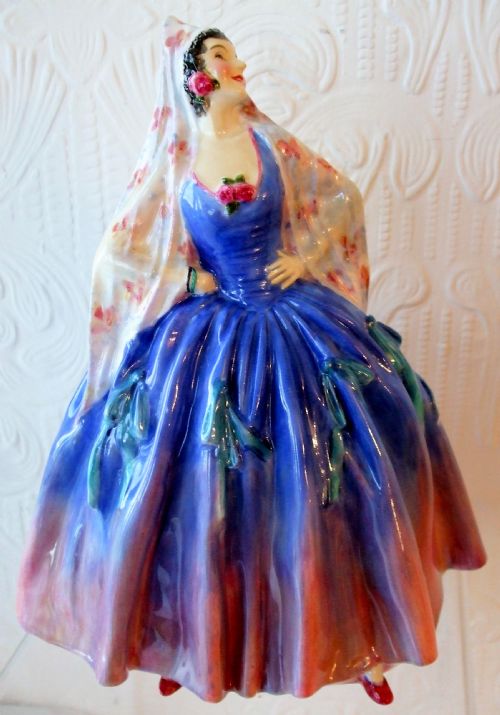
A collectable ceramic figurine captures human figures, animals and literary characters across periods spanning the Georgian era, the nineteenth century and the Art Deco years. The most frequently met examples on this page are mid-twentieth-century porcelain figures produced by English makers, alongside continental European porcelain and Staffordshire pottery works.
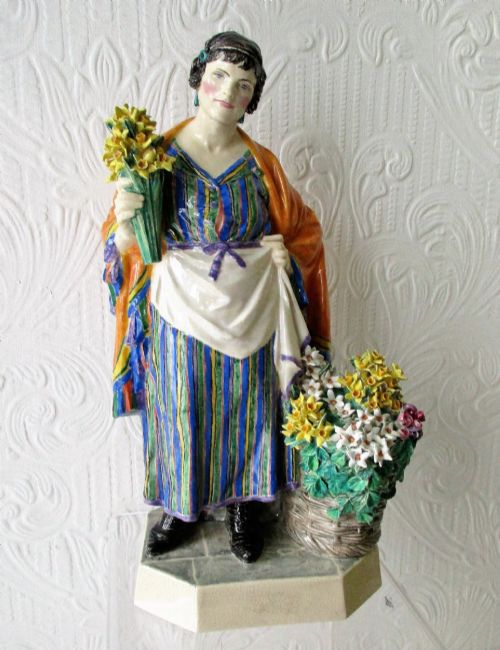
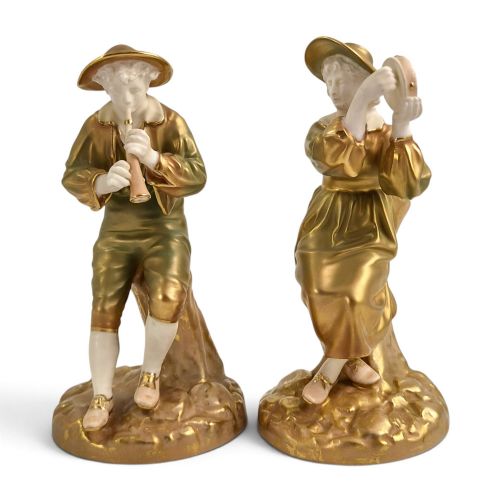
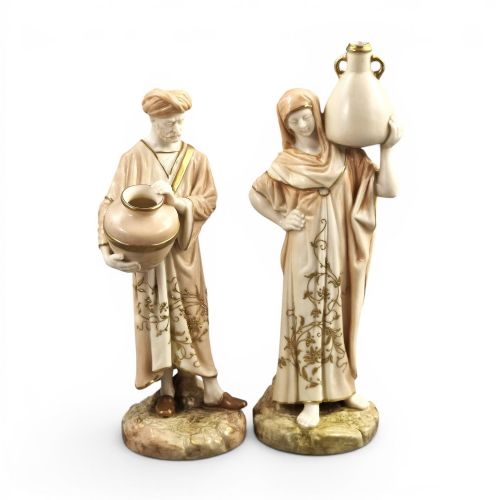
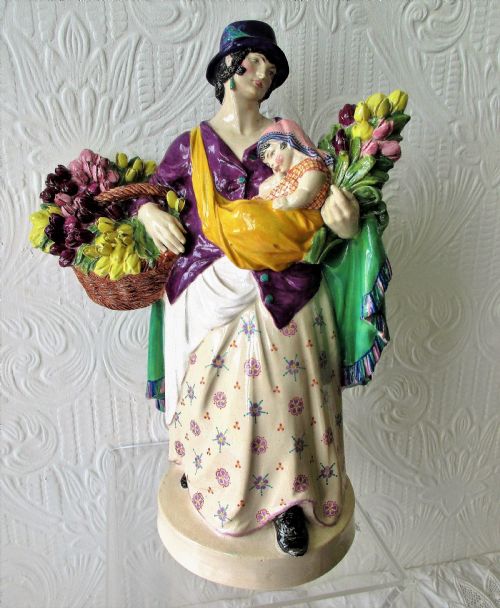
The physical forms vary from decorative table figures and candle snuffers to studio pottery models, half dolls and toby jugs. Makers ranging from Meissen and Derby to Royal Doulton and Royal Worcester provide a diverse landscape of subjects, including dancers, musicians, market sellers and historical figures.
Dating ranges from mid-eighteenth-century porcelain figures to Edwardian and 1930s bone china releases. Buyers encounter everything from rococo revival pastorals to modernist Art Deco flapper figures, each carrying the distinct modelling style of its decade of origin.
Materials and methods in ceramic modelling
The medium relies primarily on porcelain, bone china and earthenware, shaped into moulds or hand-modelled by studio potters before undergoing kiln firing. Many pieces incorporate glazed porcelain or plain ceramic bodies that receive subsequent hand-painted decoration.
Enamel colours and surface details are fixed through secondary firing processes, whilst selected highlights employ gold leaf or intricate hand-brushing. Factories like Meissen and Royal Worcester utilised specialised glaze formulations to achieve distinct textures, from the high gloss of standard porcelain to the soft matte finish of blush ivory wares.
Collectable Ceramic Figurine Retail Price Guide 2026
Typical asking prices for collectable ceramic figurine among the pieces listed under this phrase on Sellingantiques today, from the lower quarter to the upper quarter. They describe what is for sale here now, not the wider market.
Listings span multiple eras of ceramic production, including Georgian, Victorian, Edwardian, Art Deco and 1930s periods.
Assessing detail and execution
Mass-produced or later editions can exhibit softer moulding lines and simplified decoration where fine brushwork is replaced by transfer printing. The precision of the original sculptor's model and the clarity retained through the mould-making process ultimately separate exceptional studio and factory pieces from standard decorative wares.
Royal Doulton·Meissen·Royal Worcester·Charles Vyse·Derby·Royal Copenhagen
The Collectable Ceramic Figurine Glossary
- Bone china
- A type of soft-paste porcelain containing bone ash, which yields a strong, bright white body used extensively by English potteries.
- Enamel
- Opaque vitreous compositions applied over the glazed ceramic surface and fused in a kiln to provide coloured decoration.
- Earthenware
- Porous pottery fired at lower temperatures than porcelain, typically finished with an opaque glaze as seen in traditional Staffordshire figures.
- Half doll
- A bust-length porcelain figure manufactured without lower limbs, historically utilised as a cover for tea cosies, powder boxes or cigarette strikers.
- Glaze
- A glassy layer fused to the ceramic body through firing, sealing the porous clay and providing a protective surface shine.
Collectable Ceramic Figurine: Frequently Asked Questions
How do I date a ceramic figurine?
Dating relies upon factory stamps, impressed numbers, and the stylistic attributes of the period in which the piece was modelled. Markings specific to individual decades help narrow the production window.
Changes in glaze chemistry, body composition and decorator marks across the eighteenth, nineteenth and twentieth centuries provide further chronological clues for the collector.
What is the difference between porcelain and earthenware figures?
Porcelain is fired at high temperatures to produce a vitrified, non-porous body that often has a translucent quality when held to the light. Earthenware uses a different clay mixture fired at lower temperatures.
Earthenware figures, such as nineteenth-century Staffordshire pieces, are opaque and typically heavier, finished with an opaque tin or lead glaze.
How should I display my figures?
Displaying figures requires stable, level shelving away from direct sunlight to protect hand-painted enamel colours from fading over time. Enclosed cabinets protect delicate extremities and complex modelling from accidental damage.
Ensuring adequate spacing prevents crowding and allows the individual details of each piece to be appreciated without risk of impact.
What are studio pottery figures?
Studio pottery figures are individual works created by independent artists rather than large commercial factories. Makers like Charles Vyse produced limited modelled subjects with distinct personal artistic visions.
These pieces often feature experimental glazes and hand-modelled characteristics that set them apart from mass-produced factory output.