


Antique Doulton Porcelain
Antique doulton porcelain brings together hand-painted cabinet dishes, decorative figures and vases from the Victorian era through the mid-twentieth century.
Antique Doulton Porcelain
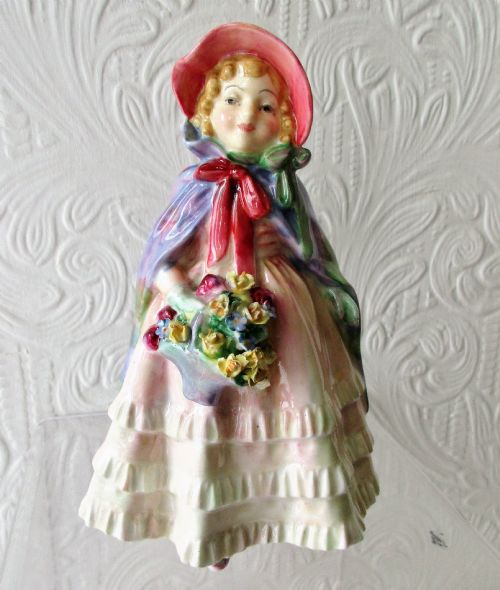
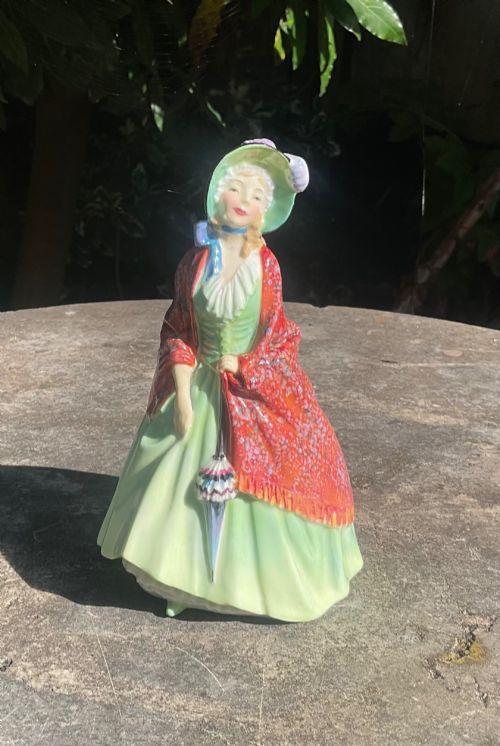
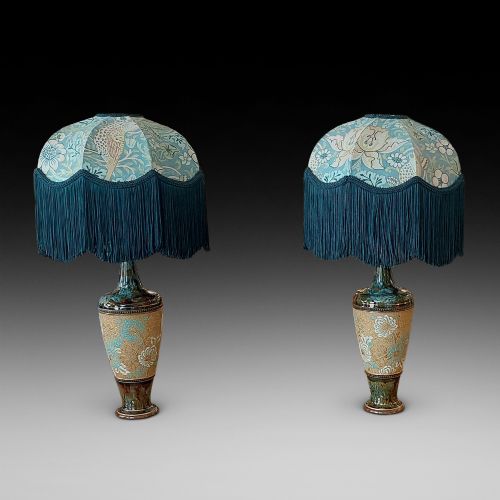
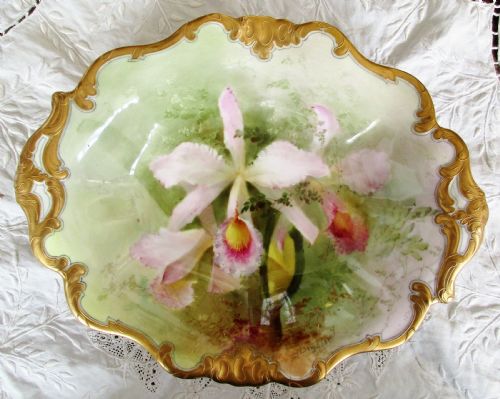
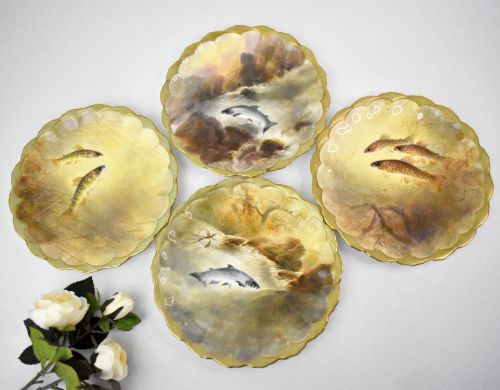
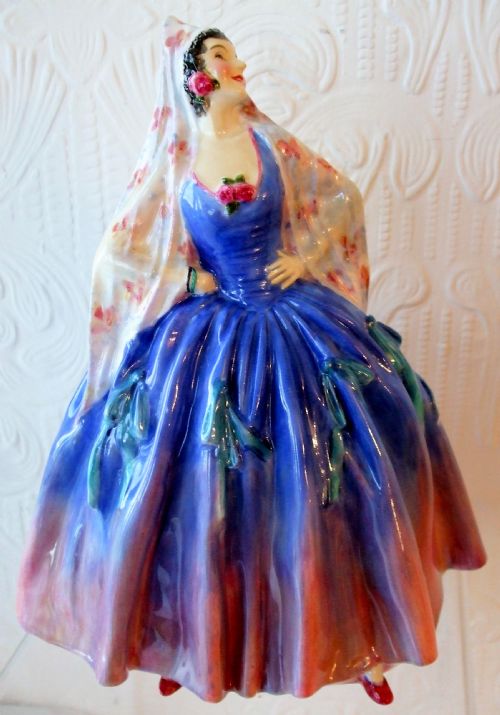
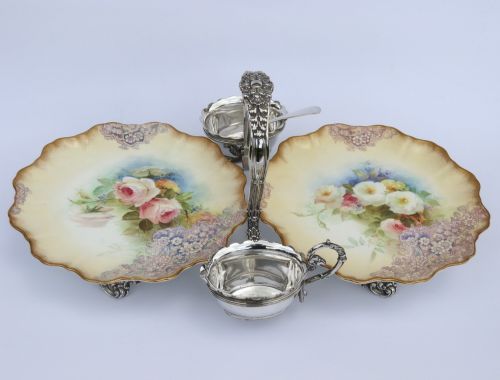
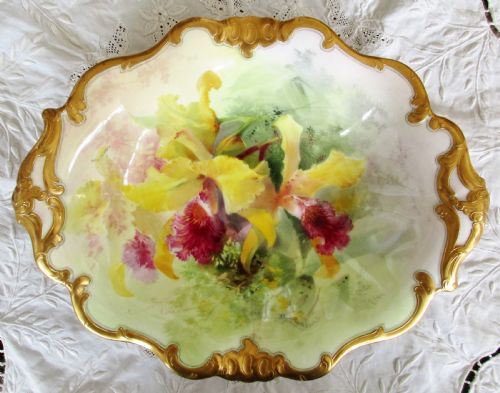
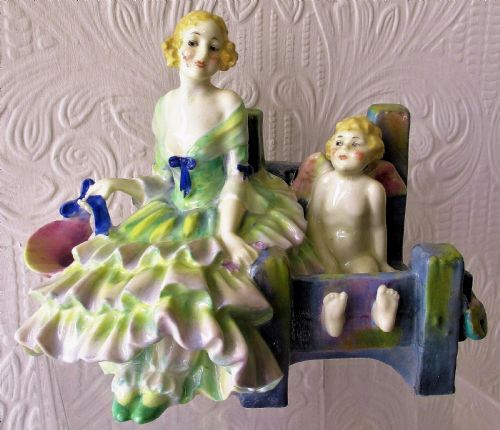
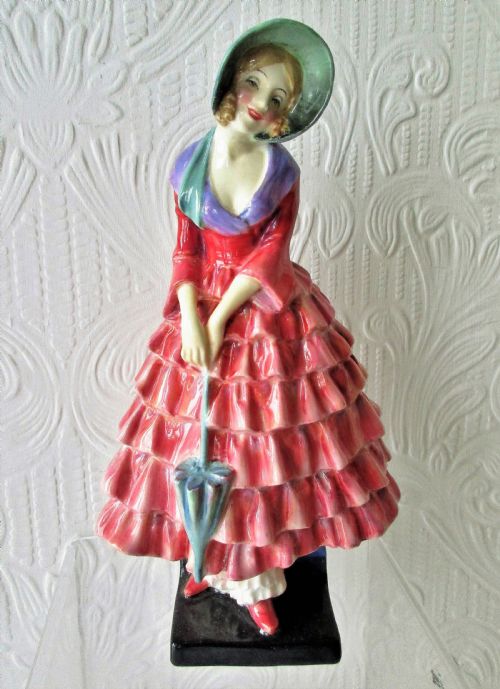
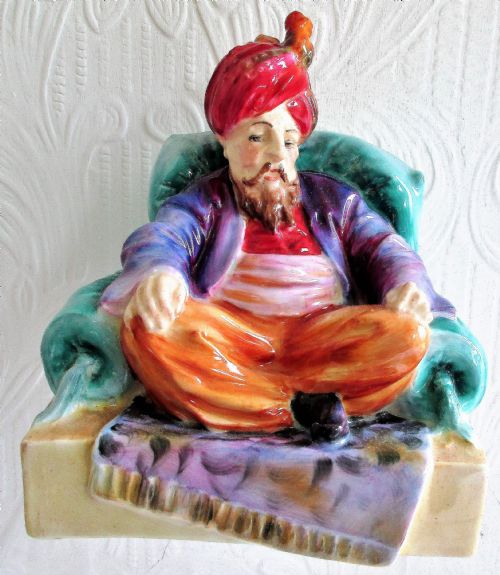
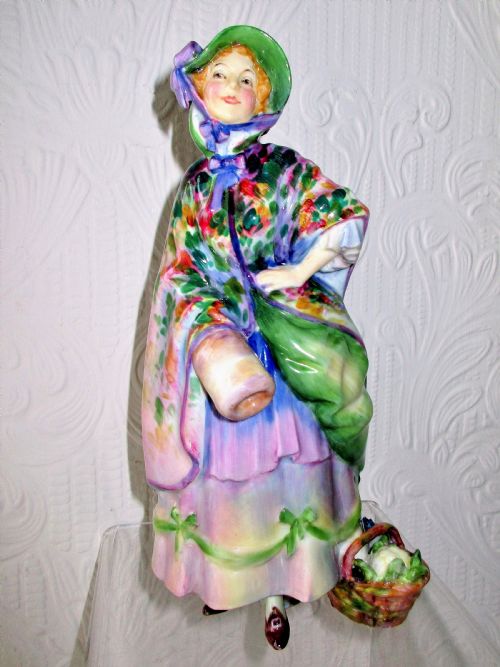
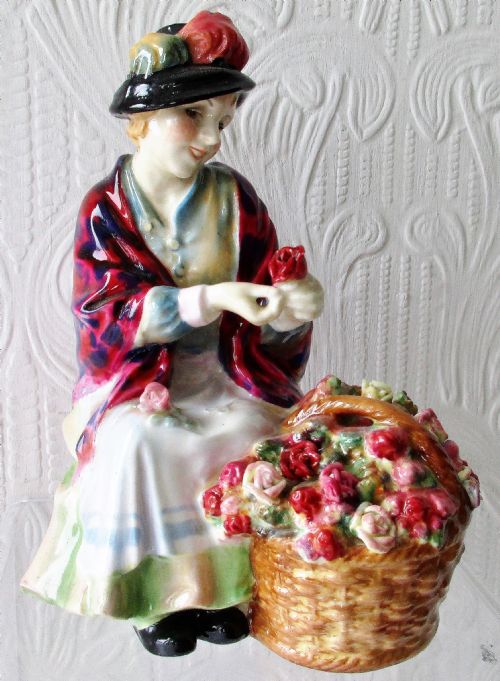
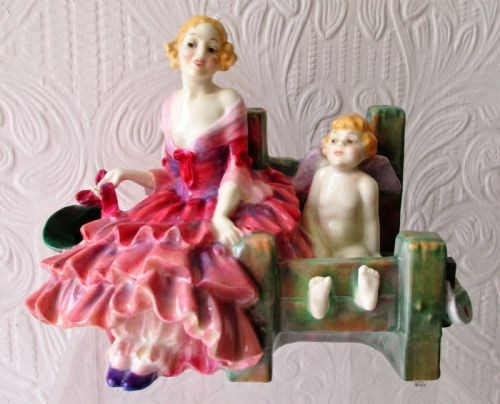
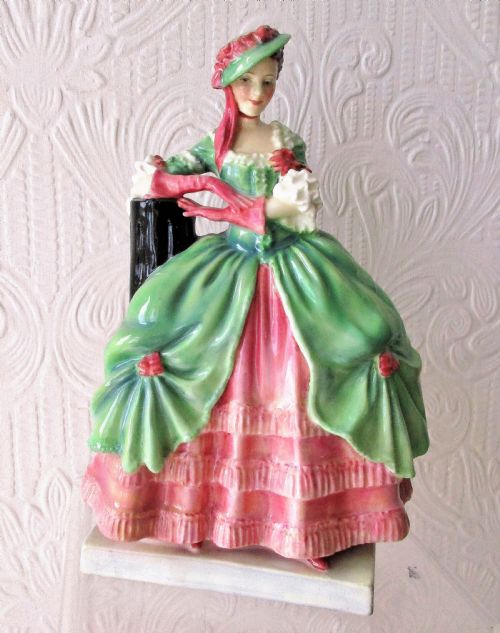
When searching for antique doulton porcelain, collectors encounter a diverse range of objects spanning multiple decades of British ceramic production. The selection encompasses finely painted cabinet dishes, decorative vases, and characterful porcelain figurines.
Figurines from the 1930s and 1940s feature prominently, often bearing specific HN numbers and titles like Granny's Shawl or Chloe. Alongside these figural pieces, functional and decorative vessels showcase the varied output of the manufacturer across different periods.
The objects originate from distinct stylistic movements, moving from Victorian and Late Victorian designs into Edwardian, Art Nouveau, and English Art Deco styles. Pieces span periods from the 1880s through to 1940, reflecting changing tastes in British ceramics.
How they were made
Makers utilised ceramic, earthenware, porcelain, and bone china as the primary bodies for these decorative items. Artisans applied glazes, enamel, and gold leaf to enrich the surfaces of vases, dishes, and figures.
Many items incorporate hand-painted details executed by notable artists working for the pottery. Techniques involve careful application of colour and gilding, sometimes combined with specialised stoneware bases such as Slaters Patent.
Antique Doulton Porcelain Retail Price Guide 2026
Typical asking prices for doulton porcelain among the pieces listed under this phrase on Sellingantiques today, from the lower quarter to the upper quarter. They describe what is for sale here now, not the wider market.
Object forms include cabinet dishes, decorative bowls, ewers, jardiniere sets, and named porcelain figurines.
What varies in quality
The distinction between standard production items and superior pieces often lies in the complexity and execution of the painted decoration. Hand-painted botanical studies or figural works by known artists elevate the status of a dish or vase significantly above plain wares.
The precision of the modelling in porcelain figurines and the vibrancy of the enamel and gilt application determine the overall refinement of an object. Earlier Victorian iterations and specific early year versions of figures demonstrate distinct craftsmanship levels compared to later editions.
David Dewsberry·Joseph Birbeck Senior·John H Plant·R Allen
The Antique Doulton Porcelain Glossary
- Porcelain
- A fine, hard ceramic material fired at high temperatures, offering a smooth white body suitable for detailed painting.
- Bone china
- A type of porcelain containing bone ash, known for its high strength, chip resistance, and translucent quality.
- Cabinet dish
- A decorative plate intended for display in a cabinet rather than for dining purposes, frequently featuring elaborate painted scenes.
- Enamel
- Opaque vitreous material fused to the ceramic surface to add colourful, durable decoration.
- HN number
- A numbering system introduced by the pottery for its figures and animal models, useful for dating and identification.
Antique Doulton Porcelain: Frequently Asked Questions
What are HN numbers on figures?
The letters HN stand for Harry Nixon, a chief artist at the factory, and precede a registration number assigned to individual figurine designs. This system helps collectors identify the exact model and year a figurine was first introduced.
First year versions often carry particular significance for those collecting specific figural series from the 1930s.
Are cabinet dishes meant for use?
Cabinet dishes are primarily decorative items created to be displayed in glass-fronted cabinets rather than used for serving food. Their delicate hand-painted surfaces and gilt borders are susceptible to wear from daily handling.
Displaying them upright on plate stands allows the intricate artwork, such as floral or botanical studies, to be safely appreciated.
How should I display porcelain vases?
Porcelain vases benefit from placement in stable environments away from direct sunlight and heavy foot traffic. Ensuring they rest on secure, level surfaces protects their glazed and gilded finishes from accidental knocks.
Grouping items by period, such as Victorian or Edwardian pieces, creates a cohesive display that highlights differences in form and glaze.