



Vintage China Figure
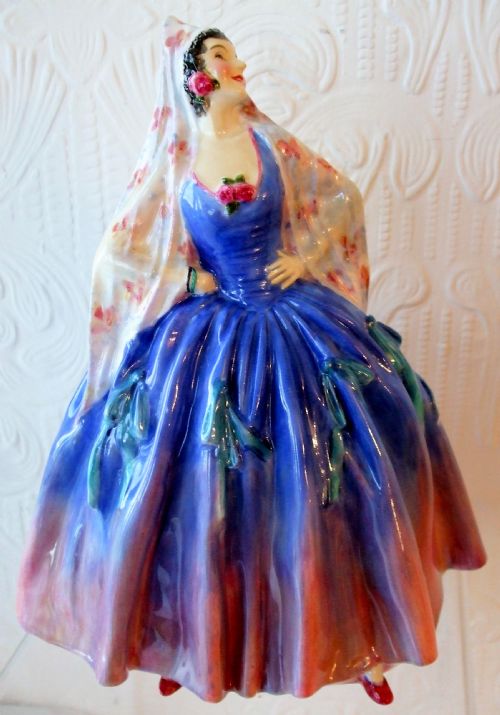
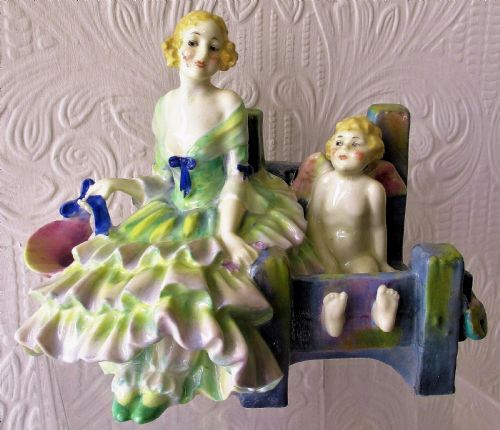
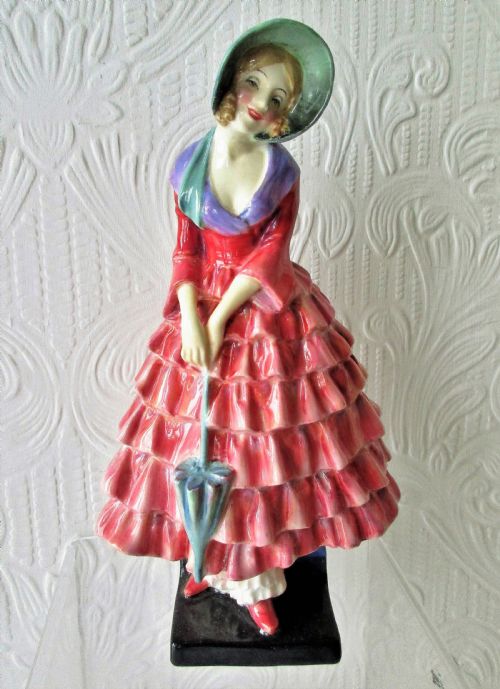
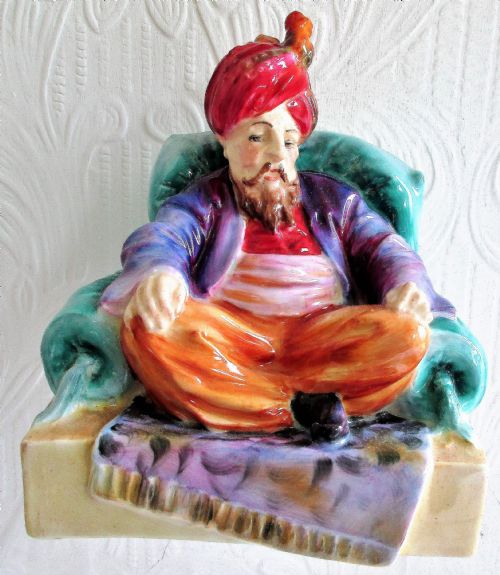
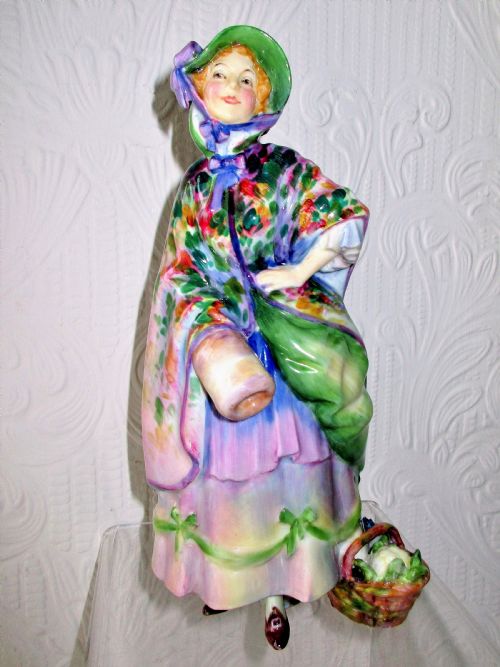
A vintage china figure brings character to a room, capturing human and animal forms across periods from the nineteenth century to the mid-twentieth.
Vintage China Figure
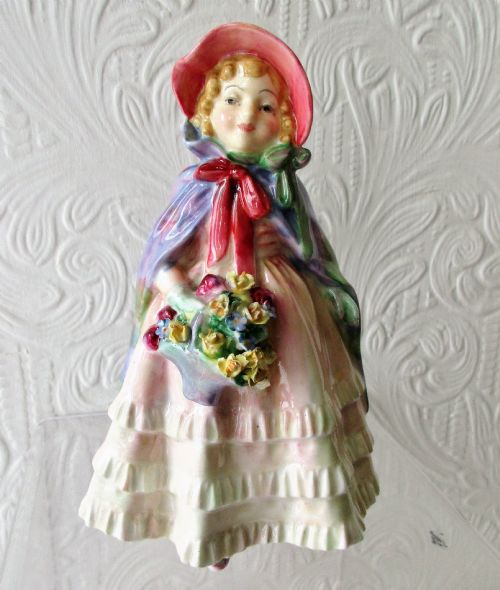
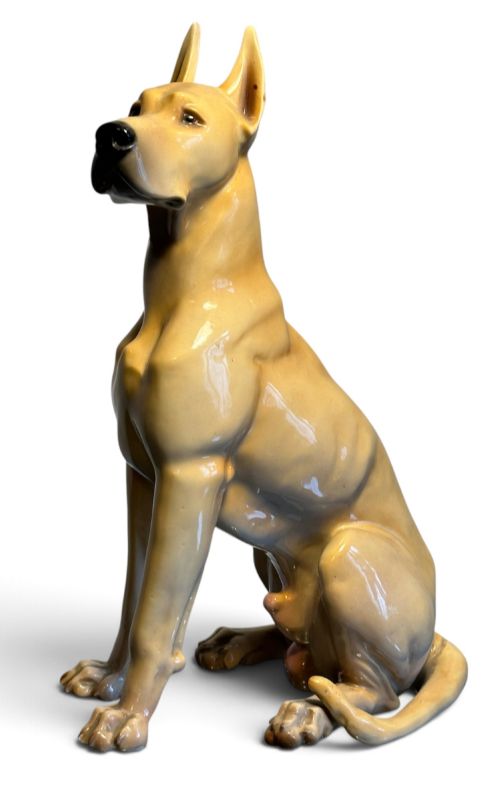
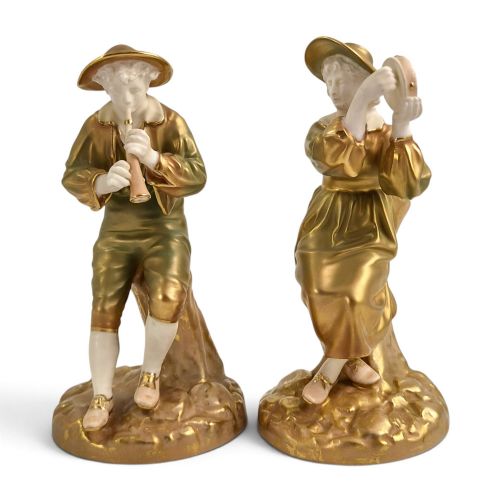
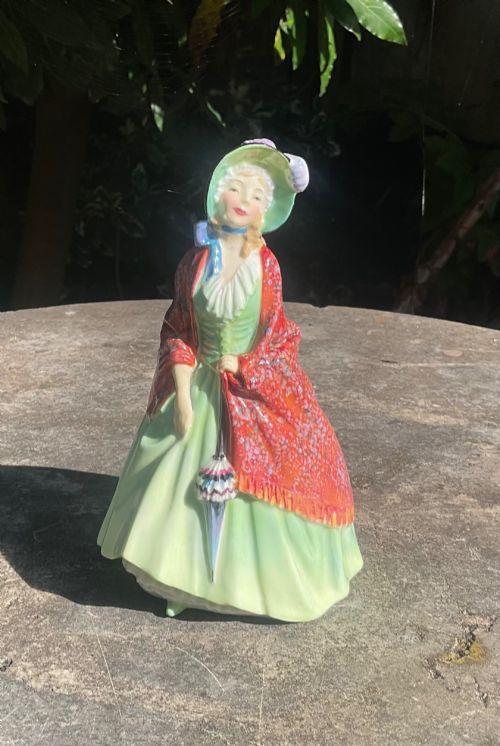
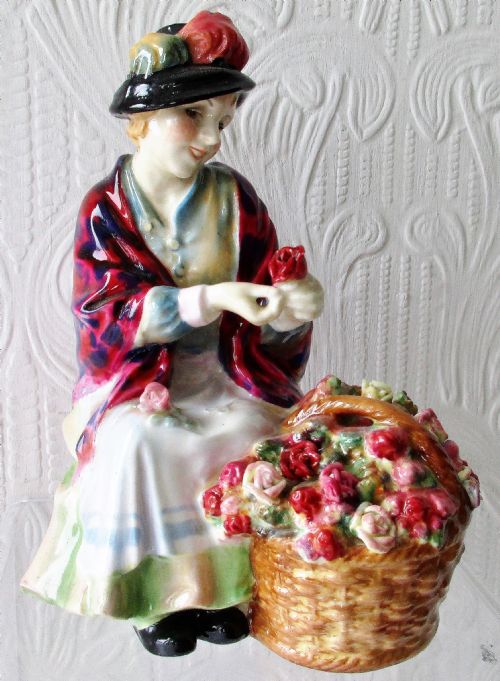
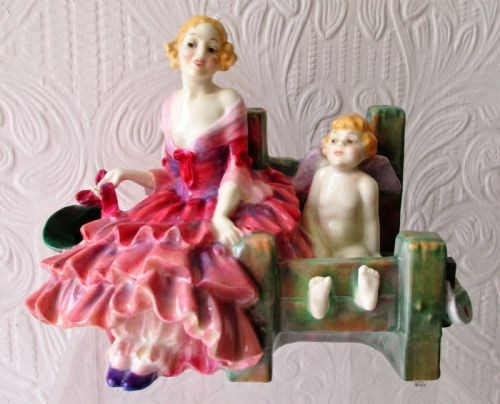
A vintage china figure search leads you to porcelain, bone china, and ceramic sculptures depicting characters, musicians, and animals. The selection spans the nineteenth century through the Edwardian era and the 1930s and 1940s, capturing distinct stylistic shifts.
The versions most commonly met on this page include detailed English porcelain figurines by factories such as Royal Doulton and Royal Worcester, alongside continental pieces and decorative earthenware. These sculptural works range from single modelled characters to paired groups engaged in daily or historic scenes.
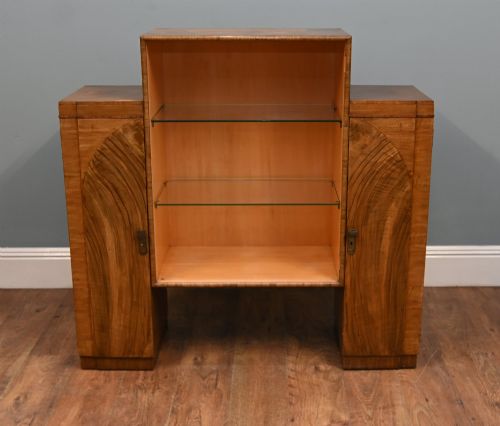
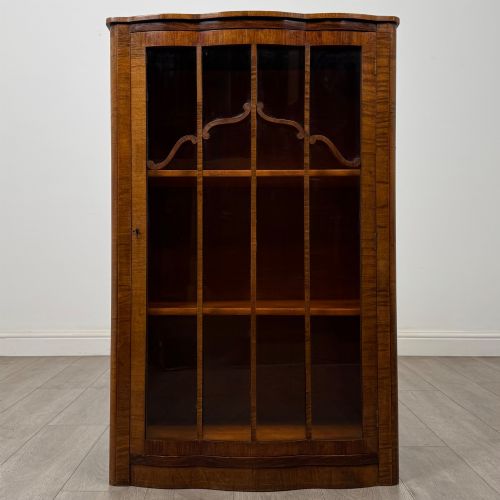
Alongside the ceramic works, the listings also include complementary display furniture such as walnut cabinets and vitrines designed to house them. This grouping allows collectors to find both the figures themselves and the period furniture suited to displaying them properly.
How they were made
Makers utilised fine porcelain, bone china, and ceramic bodies, shaping them into complex multi-part moulds before applying hand-painted enamel colours and glazes. Many pieces required multiple firings in kilns to fix the intricate pigments and glossy finishes onto the ceramic surface.
Detailed elements such as applied lace, delicate fingers, and intricate garments demanded exceptional hand-modelling skills from studio artisans. The combination of slip-casting and meticulous hand-finishing defined the production standards of major European potteries.
Vintage China Figure Retail Price Guide 2026
Typical asking prices for vintage china figure among the pieces listed under this phrase on Sellingantiques today, from the lower quarter to the upper quarter. They describe what is for sale here now, not the wider market.
Keep an eye out for ceramic cats wearing waistcoats and dogs sitting politely in armchairs, proving that Victorians loved anthropomorphism.
What varies in quality
The standard of a vintage china figure rests on the crispness of the moulding and the sensitivity of the hand-painted details. Finer examples display subtle facial expressions, precisely rendered fingers and clothing folds, and cleanly applied polychrome enamels without bleeding.
Early editions and first-year production runs command greater attention from collectors due to the sharpness of the initial ceramic moulds before wear occurred. The complexity of the subject, such as multi-figure groups or intricate lace details, also distinguishes standard production from superior artistic achievements.
Royal Doulton·Royal Worcester·Nymphenburg Porcelain·Ernst Bohne Soehne·Helena Wolfsohn Dresden
The Vintage China Figure Glossary
- Bone china
- A type of soft-paste porcelain containing bone ash, developed in England to improve strength and translucency. It allows for thin-walled figures with a characteristic warm white tone.
- Glaze
- A glassy coating fused to the ceramic body through firing, providing a protective waterproof seal and a lustrous finish. The thickness and clarity of the glaze affect how light reflects off the figure.
- Slip
- Liquid clay suspension used in casting or joining ceramic parts before firing. Artisans pour slip into moulds to create hollow sculptural forms with consistent wall thickness.
- Vitrine
- A glass-fronted display cabinet designed to protect and showcase delicate ceramics. Period walnut vitrines from the Art Deco era are frequently used to house collections of figures.
Vintage China Figure: Frequently Asked Questions
How do I identify the date of a china figure?
Makers often stamped or painted factory marks, shape numbers, and registration letters on the unglazed base of the piece. Comparing these specific ciphers and pattern codes against factory records helps narrow down the production decade.
Style indicators such as Art Deco geometries or Victorian costume details also provide strong clues to the era of manufacture. Consulting established ceramic reference books will clarify the active dates for particular marks.
What is the difference between porcelain and bone china?
Traditional porcelain uses a mixture of kaolin clay and petuntse fired at high temperatures to achieve a hard, vitreous, and often semi-translucent body. Bone china incorporates calcined animal bone into the paste, which increases strength and creates a softer white background for painted enamels.
Both materials were utilised extensively by European potteries throughout the nineteenth and twentieth centuries. Bone china became particularly favoured in English factories for delicate figurine production.
How should I display vintage ceramic figures?
These figures benefit from stable placement inside enclosed display cabinets or glass-fronted vitrines to protect them from dust and accidental knocks. Direct sunlight should be avoided to prevent any fading of hand-painted enamel colours over time.
Ensure the display surface is level and secure, particularly for figures with high centres of gravity or delicate extended limbs. Proper ambient humidity also helps preserve the integrity of older ceramic bodies.
Are painted details on figures original?
Original factory decoration was fixed permanently through a low-temperature kiln firing after the enamel colours were applied. Under magnification, genuine hand-painted details show brushwork integrated smoothly into the glazed surface.
Restored areas or later touch-ups often sit proud of the original glaze and may fluoresce differently under ultraviolet light. Examining the continuity of the painting style across the entire piece confirms its authenticity.