



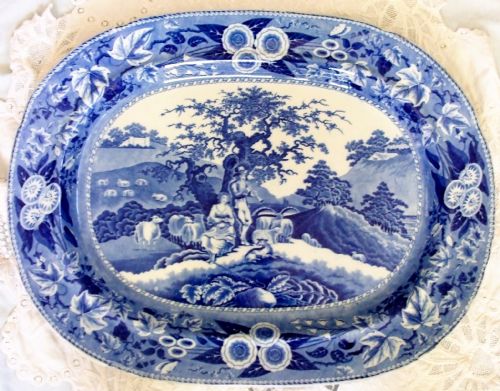
Cobalt White Ceramic Dish
A cobalt white ceramic dish brings together deep blue pigment and bright white ground across centuries of global pottery traditions.
Cobalt White Ceramic Dish
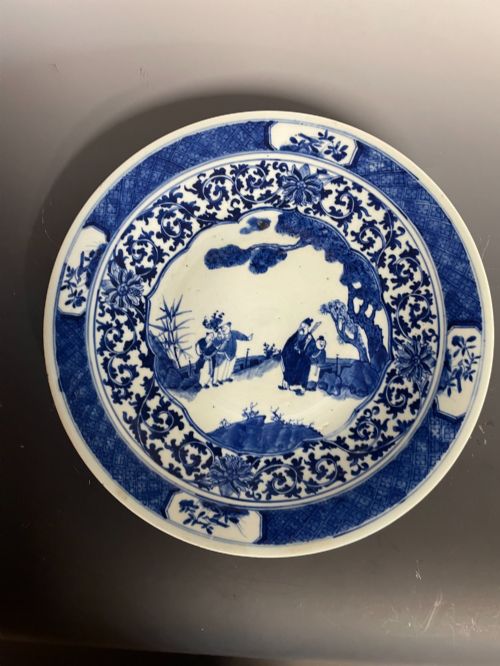
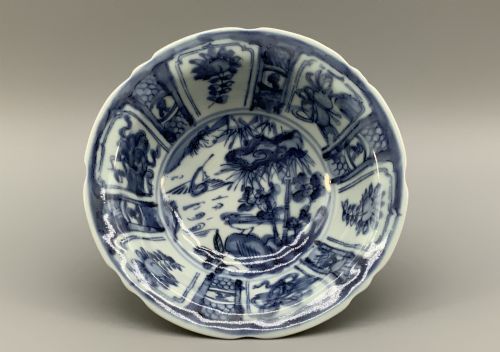
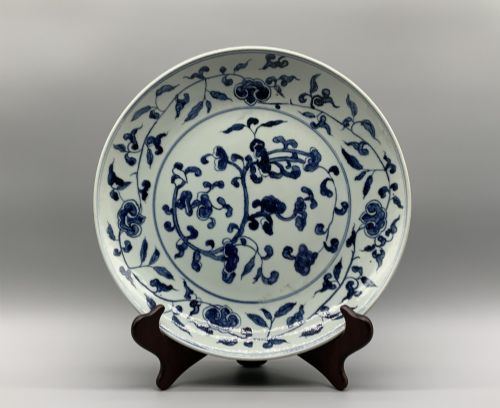
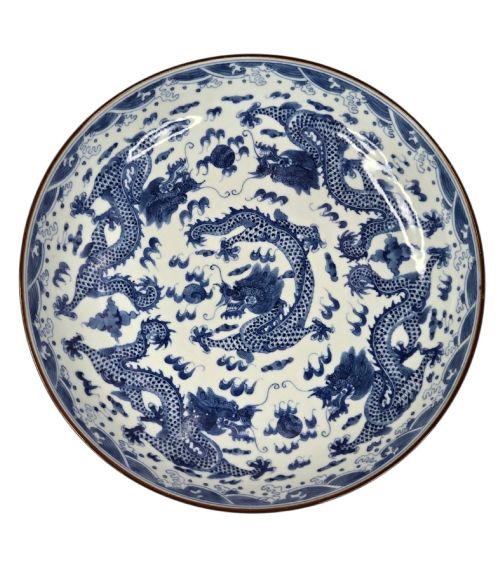
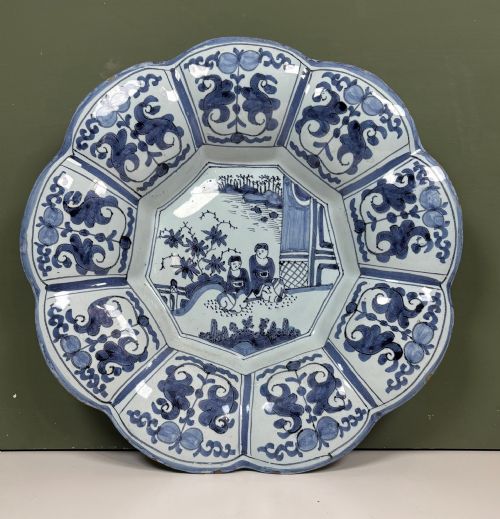
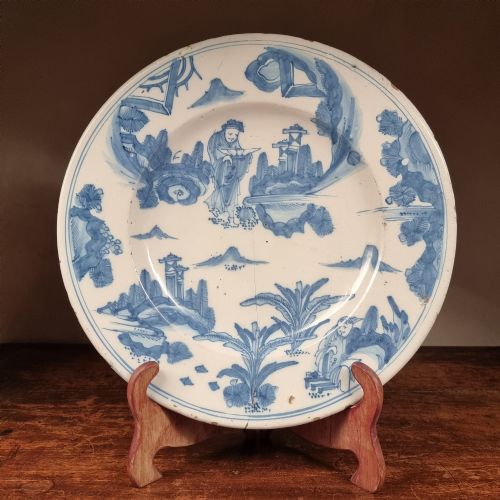
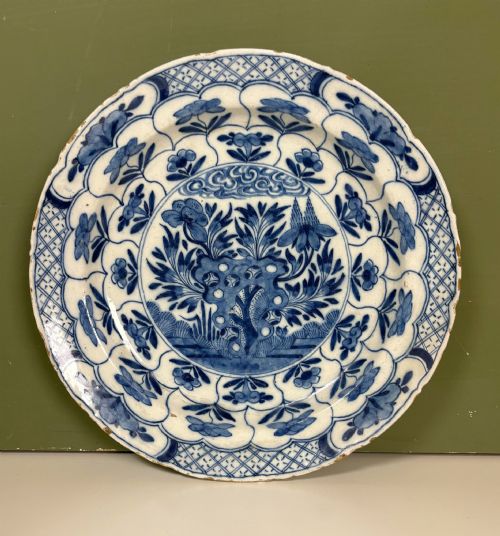
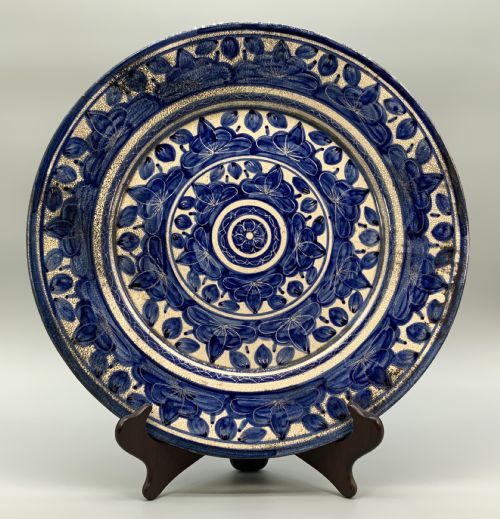
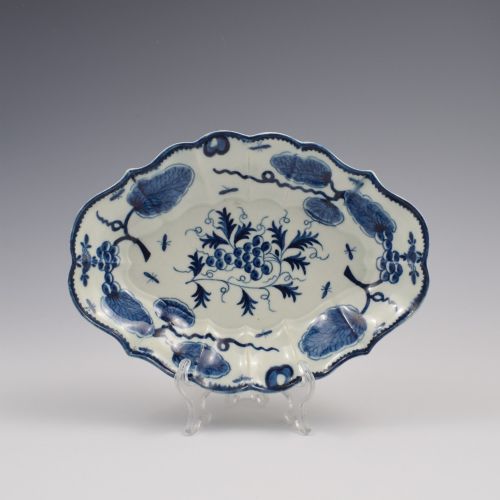
A cobalt white ceramic dish encompasses chargers, platters, bowls, and tureens shaped from earthenware, porcelain, and stoneware. When searching this phrase, a buyer encounters domestic and decorative vessels originating from English factories, Dutch potteries, Continental kilns, and Asian export workshops.
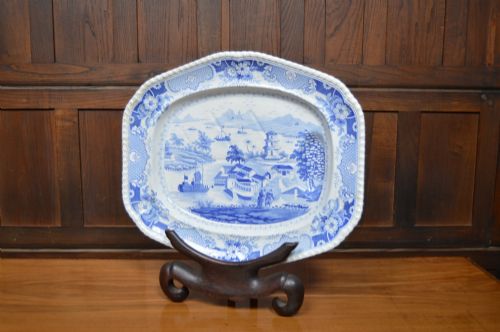
The versions most frequently met on this page span the seventeenth century through to the Victorian era. These pieces include English transferware platters, Chinese export porcelain chargers, and Dutch delftware dishes displaying traditional blue and white motifs.
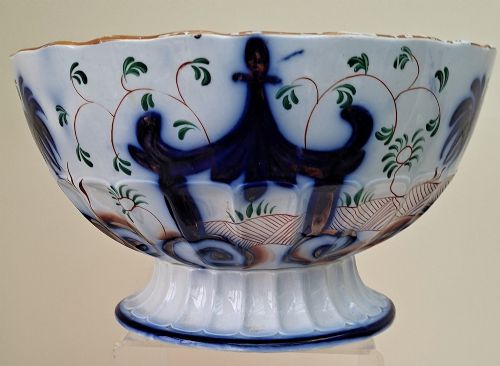
Forms range from shallow bowls and flat plates to deep chargers and handled tureens. Makers adapted these vessels for serving food, displaying on walls, or holding dry goods within formal dining rooms.
Materials and Technique
Potters applied cobalt pigment or cobalt oxide directly onto a prepared white ground or tin glaze before firing the vessel in a kiln. This mineral pigment withstands high temperatures, resulting in deep blue designs that contrast sharply with the white ceramic body.
Manufacturers shaped objects using earthenware, ironstone, stoneware, or hard-paste porcelain depending on the period and origin. English potteries utilised transfer printing techniques for complex scenes, whilst Asian and European artisans painted intricate patterns by hand.
Listings feature periods spanning from the 17th century through the Victorian era alongside Qing Dynasty examples.
Judging Quality
Depth and clarity of the cobalt pigment separate superior vessels from standard wares. Artisans achieved varied saturation levels, where precise brushwork or sharp transfer lines indicate skilled production.
The smoothness of the white glaze and the structural integrity of the ceramic body dictate the refinement of the piece. Superior examples maintain clean foot rims, balanced proportions, and minimal kiln distortion despite intense firing processes.
J. W. R.·J. & R. Riley·J. & R. Clews·John Ridgway·Doulton Burslem
The Cobalt White Ceramic Dish Glossary
- Charger
- A large decorative plate or platter typically displayed on a wall or sideboard rather than used for serving food at the dining table. These substantial pieces provide a wide surface area for complex painted or printed scenes.
- Tin Glaze
- An opaque white ceramic glaze containing tin oxide, which provides a smooth background for cobalt painting on European delftware and faience. This technique creates a milky surface that accepts painted decoration directly.
- Transferware
- Pottery decorated by pressing an engraved copper plate onto tissue paper, then transferring the ink impression onto the unglazed or biscuity ceramic surface before glazing and firing. This method allowed factories to produce intricate pictorial patterns consistently.
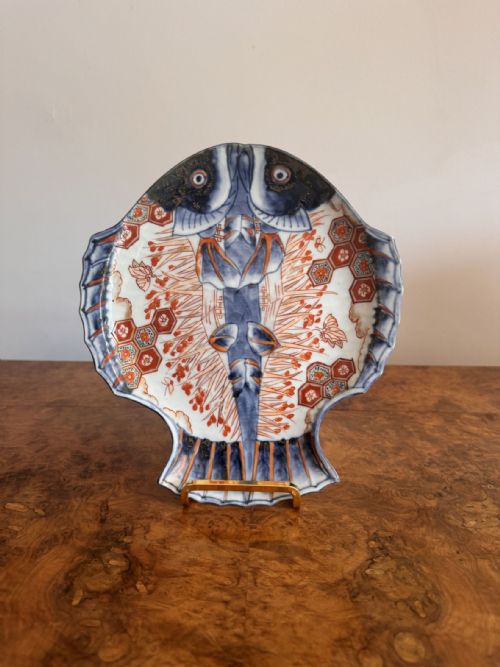
- Imari
- A style of Japanese porcelain featuring underglaze blue combined with iron red, gilt, and other colours, originating from the town of Arita. Export versions often display rich floral and panelled designs.
- Tureen
- A deep covered bowl designed for serving soups, sauces, or vegetables at the table. These vessels frequently feature matching covers, handles, and shaped stands.
Cobalt White Ceramic Dish: Frequently Asked Questions
What is a cobalt white ceramic dish?
A cobalt white ceramic dish is a vessel decorated with blue cobalt pigment on a white ground, encompassing plates, chargers, and platters.
These items range from functional dining wares to ornamental chargers produced across European and Asian kilns.
How were these dishes used historically?
Many of these pieces served practical functions at dining tables for meat, vegetables, and desserts.
Larger chargers and platters were also utilised for display on sideboards or hung on walls in prosperous households.
How do I care for antique ceramic dishes?
Careful handling and gentle hand washing preserve the delicate glazes and earthenware bodies of these older vessels.
Displaying them away from direct heat sources and using padded wall hangers prevents accidental structural damage.
How can I tell the period of a piece?
Examining the ceramic body, glaze consistency, and foot rim helps determine the manufacturing era.
Maker marks, transfer patterns, and stylistic traits such as Kangxi period motifs or Victorian transferware borders further refine the date.