


Traditional Blue White Porcelain
Traditional blue white porcelain combines cobalt pigment with fine ceramic bodies to create enduring vessels and domestic objects that anchor a room.
Traditional Blue White Porcelain
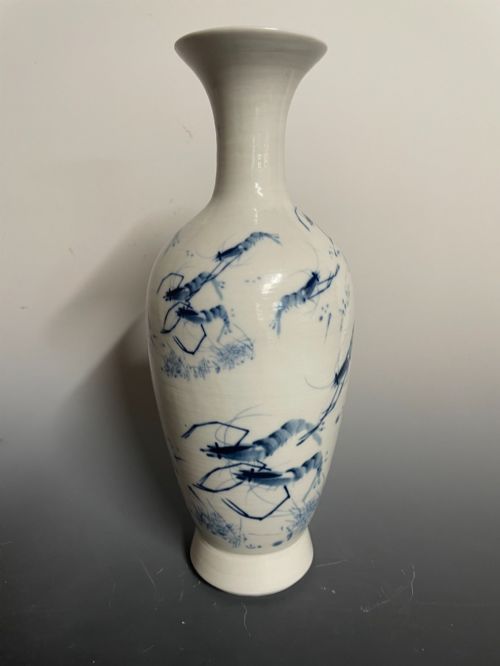
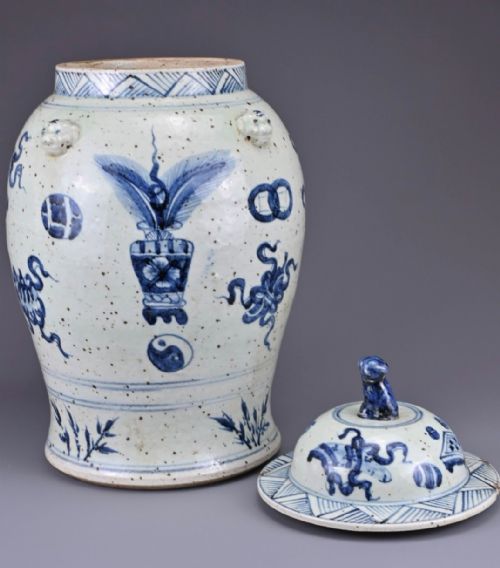
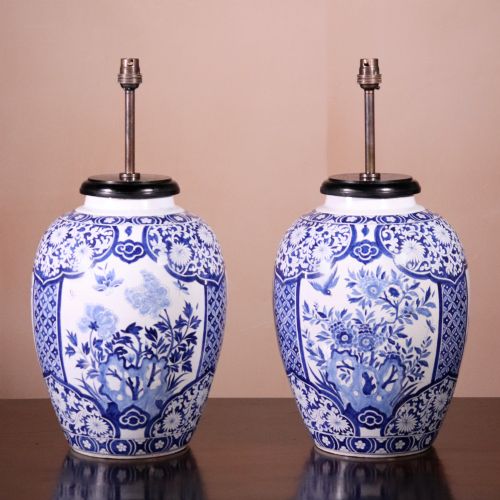
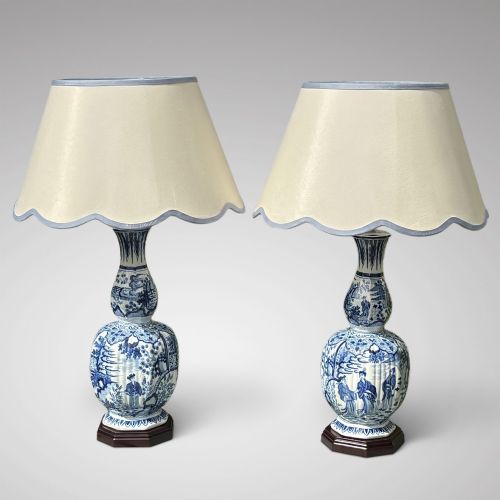
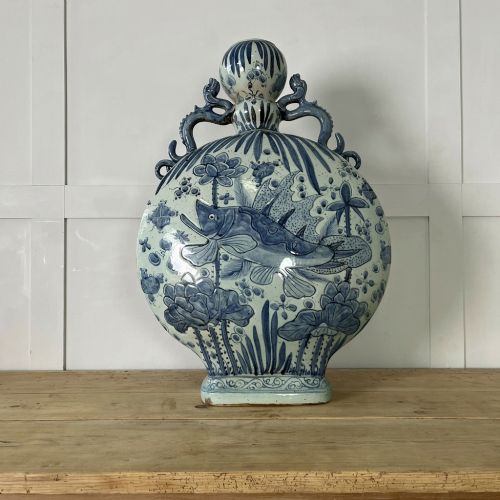
Traditional blue white porcelain encompasses vessels, plates, and decorative objects shaped from refined ceramic bodies and finished with cobalt decoration under a clear glaze. Buyers encountering this selection will frequently find Chinese export vases, ginger jars, and table lamps spanning the eighteenth, nineteenth, and early twentieth centuries.
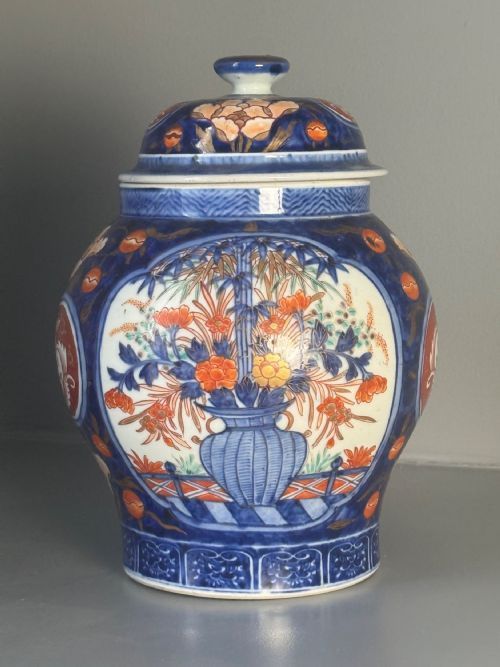
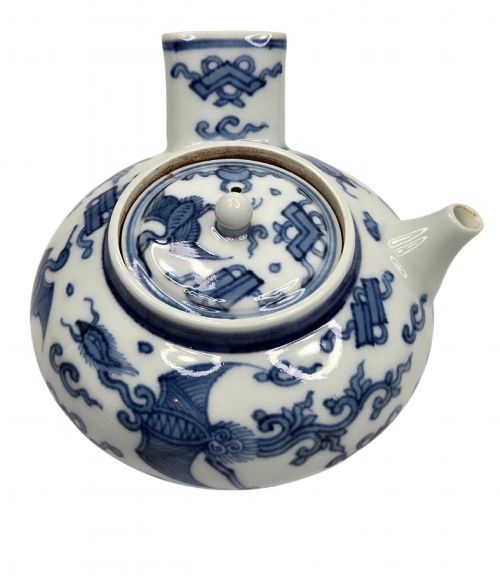
The category extends beyond Chinese production to include Japanese Imari wares, Dutch Delft items, and Victorian utility pieces that adapt the classic palette to domestic use. Vases, jars, and plates dominate the forms, alongside functional items such as toilets, inkstands, and wash sets.
Pieces originate from various stylistic traditions, ranging from strict Qing dynasty export designs to European interpretations like the Willow pattern. This mix reflects global trade routes and local manufacturing adaptations over multiple centuries.
How they were made
Potters painted cobalt blue pigment directly onto the unfired ceramic body before applying a transparent glaze and firing the piece at high temperatures. This underglaze technique protected the pigment from wear and caused the blue decoration to fuse permanently with the white ground.
Makers shaped the porcelain clay using throwing wheels or moulds, depending on whether the object was a symmetrical bottle vase or a moulded jar. Some items incorporated crackle glazes or additional brass and wood mountings added during later adaptations.
Materials across the selection include ceramic, earthenware, brass, wood, and enamel alongside traditional porcelain.
What varies in quality
The clarity and depth of the cobalt pigment dictate much of the visual appeal, separating sharp, controlled brushwork from blurred or muddy designs. Superior pieces display vibrant blue tones that sit crisply beneath a smooth, unblemished glaze.
Finishing touches on the ceramic body, such as well-defined foot rims and balanced proportions, distinguish masterworks from utilitarian production. The precision of painted details, including dragons, florals, or geometric borders, reflects the skill of the individual decorator.
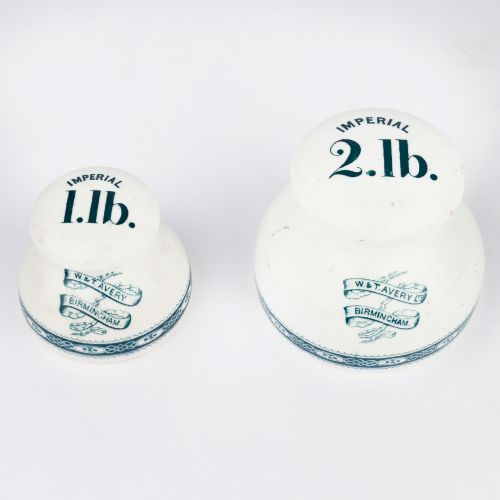
W & T Avery
The Traditional Blue White Porcelain Glossary
- Cobalt glaze
- A blue metallic pigment applied to ceramic pieces before firing to produce the characteristic blue and white colour scheme. It withstands high kiln temperatures without losing its hue.
- Meiping
- A high-shouldered vase form originally designed for holding plum branches. These vessels taper gracefully toward the base and feature a small, narrow neck.
- Imari
- A style of Japanese porcelain exported to Europe, known for its palette of cobalt blue and iron red, often highlighted with gold. Production centred around the port of Imari in Hizen province.
- Crackleware
- Pottery or porcelain intentionally covered in a network of fine microscopic cracks within the glaze. This effect occurs due to the differential cooling rates of the clay body and the surface glaze.
- Kamcheng
- A covered ceramic jar traditionally used in Southeast Asia for storing food or personal items. These pieces typically feature robust handles and vibrant underglaze blue decoration.
Traditional Blue White Porcelain: Frequently Asked Questions
Can these converted lamps be rewired?
Most lamp conversions retain the original ceramic body while housing modern electrical wiring running through the centre or via a fitted brass bracket. A qualified electrician can replace old cords and lamp holders safely.
Check that the wiring method does not require drilling new holes into fragile antique porcelain before proceeding with updates.
How do I date traditional blue white porcelain?
Examine the style of the painted decoration, the foot rim construction, and any reign marks or seals stamped on the base. Stylistic clues often point toward specific periods such as the Qing dynasty or the Victorian era.
Compare the glaze texture and weight of the ceramic body against known production standards from different centuries.
Were these jars used for storage?
Ginger jars and similar covered vessels originally served to transport and store spices, herbs, and preserved foods across trade routes. Their tight-fitting lids helped keep contents dry and fresh.
Later Victorian and Edwardian examples often functioned purely as decorative ornaments rather than functional kitchenware.