
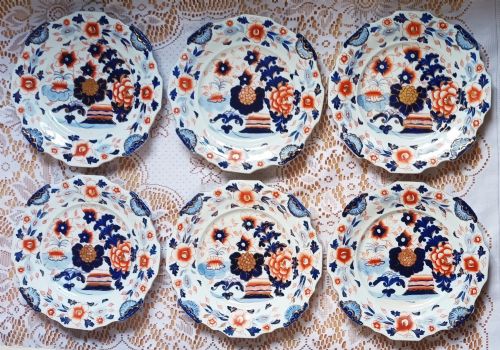


Blue Ironstone Plate
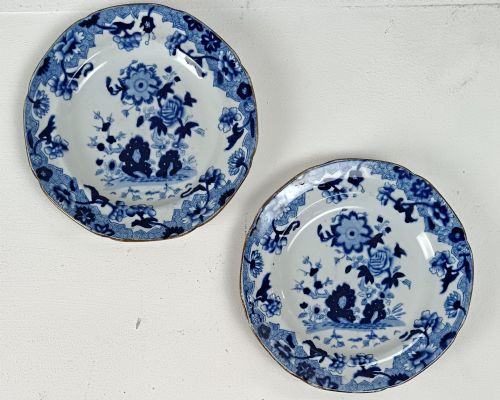
A blue ironstone plate provides a sturdy surface for daily use while displaying deep cobalt decoration.
Blue Ironstone Plate
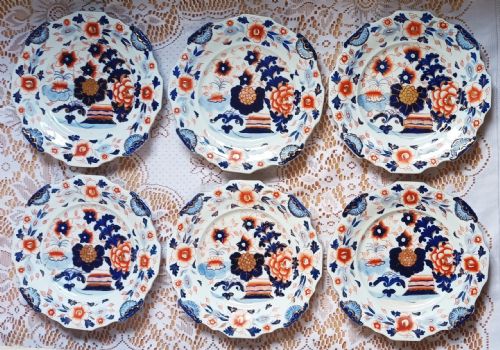
A blue ironstone plate represents a durable ceramic form designed for utilitarian and display purposes during the nineteenth century. These pieces appear frequently in sets of plates, soup bowls, and serving platters spanning the Georgian and Victorian eras.
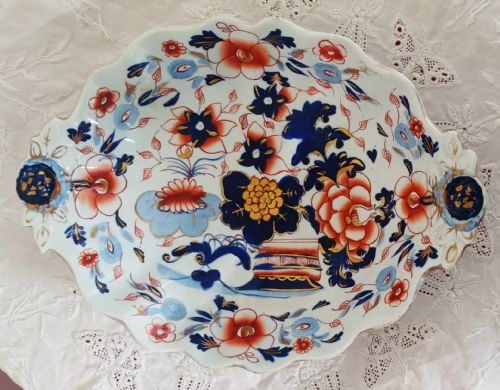
The objects combine heavy earthenware bodies with distinct blue transfer-printed patterns or hand-painted motifs. Collectors encounter forms ranging from standard tea plates and dessert plates to large meat platters and cheese dishes.
How they were made
Potters utilised ironstone china, ceramic, and earthenware bodies to create a dense and resilient fabric capable of withstanding heavy daily use. Artisans applied glaze and enamel surfaces alongside cobalt pigments to achieve the characteristic blue patterns.
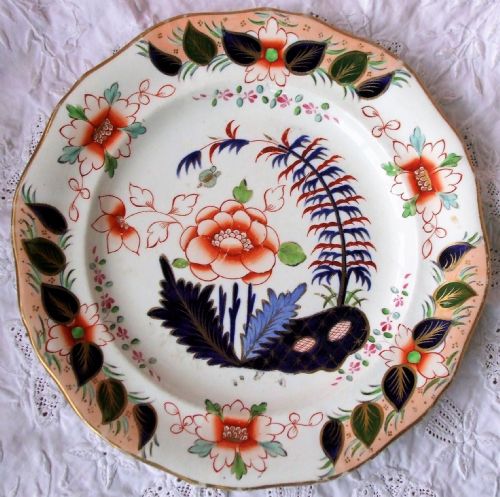
Certain examples incorporate gold leaf and gilding to accentuate the moulded borders and transfer-printed scenes. Kiln firing fixed the earthenware bodies and glazes into a solid mass.
A pottery advertising scale plate weighed out trade goods before sitting quietly as a nineteenth-century office curiosity.
What varies in quality
Quality rests in the crispness of the blue transfer printing and the precision of hand-painted enamel details across the surface. Pieces decorated with additional gilding or complex patterns such as Imari and Chinoiserie reflect higher workshop ambition.
The weight and consistency of the ironstone china body also distinguish utilitarian wares from finer service pieces intended for display in country houses.
Spode·John Davenport of Longport·John Ridgway·Mason
The Blue Ironstone Plate Glossary
- Ironstone
- A patented ceramic body invented to provide a durable alternative to porcelain. It contains feldspar and china stone.
- Comport
- A raised dish or bowl used for serving fruit or sweets at the table. These pieces stand on a central foot.
- Transfer printing
- A method of applying detailed designs to ceramics using an engraved copper plate and tissue paper. This technique allowed for consistent pattern repetition.
- Ashet
- A Scottish term for a large meat platter or serving dish. These large platters formed part of nineteenth-century dinner services.
Blue Ironstone Plate: Frequently Asked Questions
How do I care for a blue ironstone plate?
Wash these ceramic pieces gently by hand using warm water and mild soap. Avoid soaking antique items with gilt highlights or delicate enamel.
Store plates in a secure rack or with felt separators between items to protect the glaze and edges from chipping.
Can I use these plates for serving food?
Many nineteenth-century ironstone plates remain sturdy enough for regular dining use. Their dense earthenware bodies handle warm food without difficulty.
Inspect pieces for old hairline cracks before serving acidic foods, as historic glazes can absorb stains over time.
How do I tell Georgian pieces from Victorian ones?
Georgian examples often display early nineteenth-century Regency motifs like Japan patterns and hand-painted Chinese-inspired scenes. Makers during this period frequently used specific patent marks.
Victorian pieces tend to show heavier commercial production methods, including standard Willow patterns and advertising scales.
What is the difference between a plate and a platter?
Plates are smaller flat or slightly rimmed vessels designed for individual portions of food, tea, or dessert. They appear often in matched sets.
Platters and ashets are significantly larger oblong or circular serving dishes intended for joint meats and poultry at the centre of the table.