







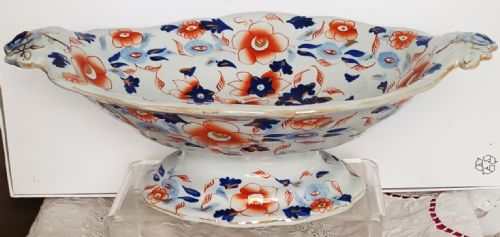
Cobalt Red Imari Dishes
Cobalt red imari dishes bring together rich ceramics and striking decorative patterns that appeal to collectors seeking traditional craftsmanship.
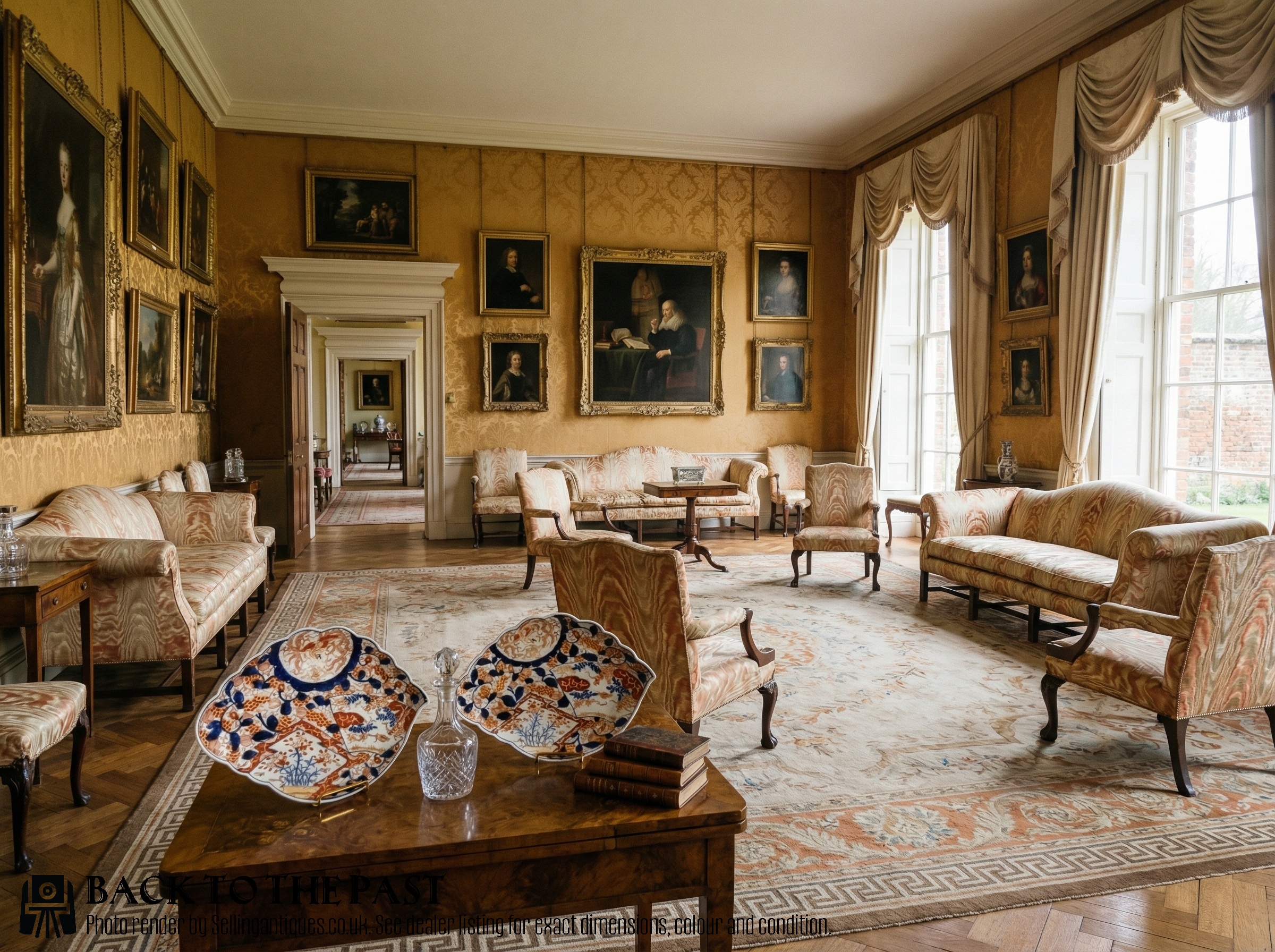
Cobalt Red Imari Dishes
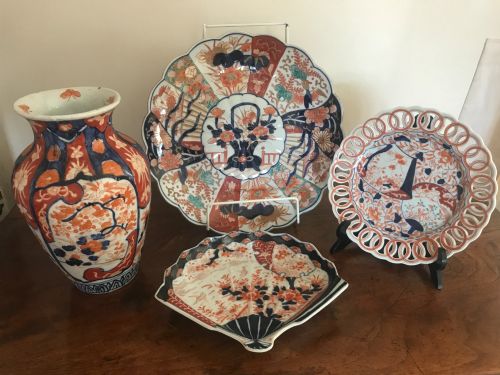
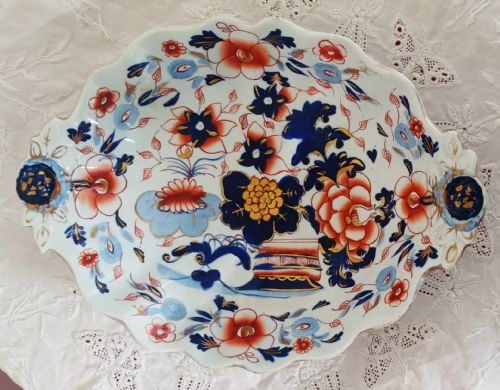
Cobalt red imari dishes encompass a variety of porcelain and ceramic forms, including chargers, bowls, and serving plates produced across the nineteenth and twentieth centuries. These pieces reflect both Japanese Meiji period origins and English interpretations such as Georgian ironstone Japan patterns.
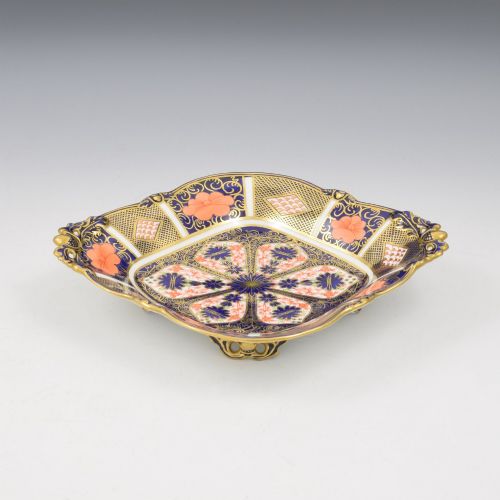
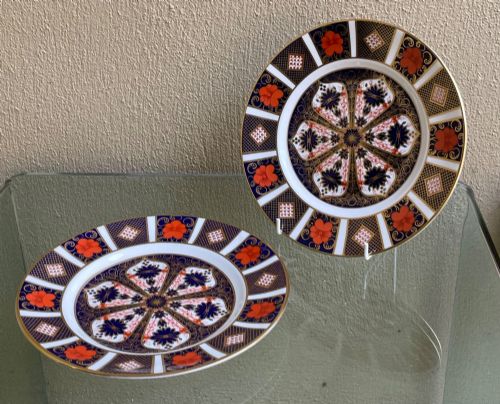
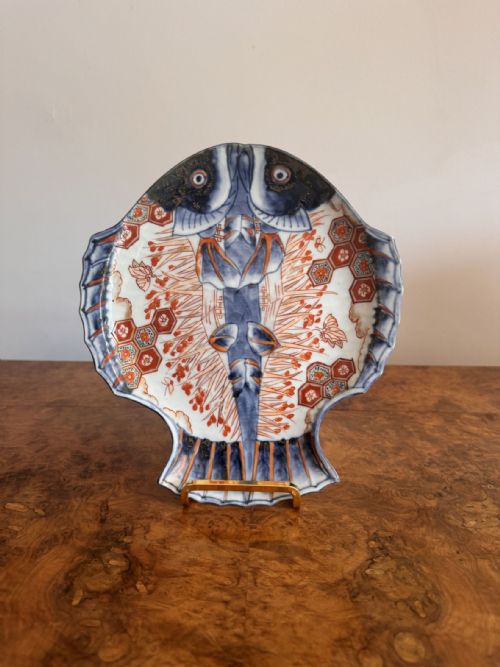
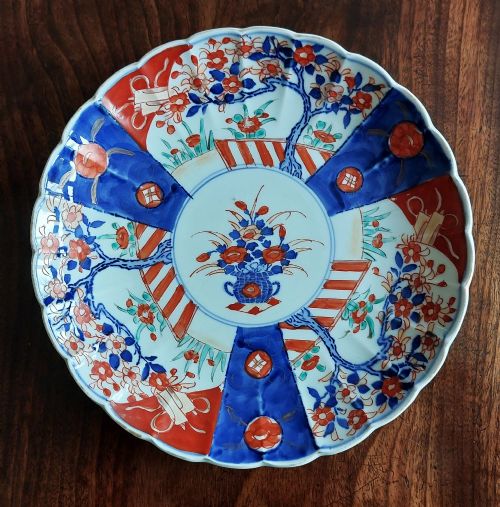
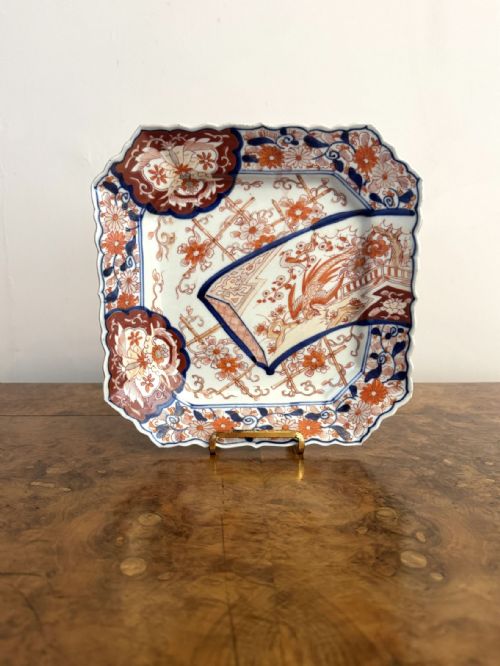
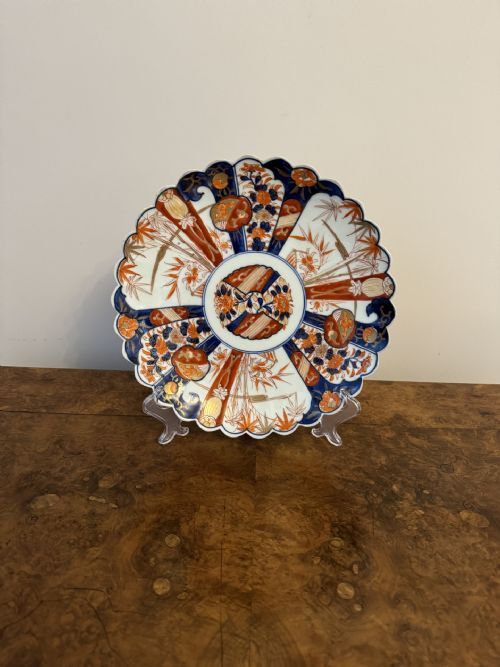
Buyers will most frequently encounter Japanese Imari plates and chargers featuring scalloped edges, hexagonal or square shapes, and fish or bird motifs. English makers like Royal Crown Derby also provide bone china serving dishes following classic Imari patterns.
How they were made
Potters shaped porcelain and ceramic bodies into chargers, plates, and bowls, often employing moulded or scallop-edged designs alongside geometric shapes. Kiln-fired glazes provided the durable base for subsequent enamel work.
Artisans applied cobalt blue pigments and red enamels, frequently integrating gold leaf, gilt, and gilding highlights to create the characteristic rich palette seen on these items.
Certain plates abandon standard geometry entirely to take the distinct, scalloped form of a swimming fish.
What varies in quality
The refinement of the painted enamel work and the precision of the cobalt blue application distinguish superior examples from standard production. Artisans who executed intricate motifs, such as the Seven Lucky Gods or exotic birds, achieved greater artistic depth.
The complexity of the physical form, from simple round plates to moulded fish shapes and heavily scalloped chargers, also indicates the level of skill involved in shaping the porcelain.
The Cobalt Red Imari Dishes Glossary
- Imari Style
- A decorative ceramic aesthetic characterised by cobalt blue, iron red, and often gilt ornamentation. This style originated in Japan and later influenced English potteries.
- Charger
- A large decorative plate utilised primarily for display or ceremonial serving rather than daily dining. These pieces often measure significantly wider than standard dinner plates.
- Comport
- A footed dish or low stand designed for serving fruit or sweets at the table. English Georgian examples frequently adopt Japan-inspired transferware and enamel patterns.
- Meiji Period
- The era in Japanese history spanning from 1868 to 1912, noted for prolific porcelain production exported to Western markets. Pieces from this time frequently display detailed enamel birds and deities.
Cobalt Red Imari Dishes: Frequently Asked Questions
How do I identify Japanese Imari from English Imari?
Japanese pieces from the nineteenth century generally utilise traditional porcelain bodies with hand-painted cobalt and red enamel detailing depicting floral or figurative scenes. English versions, such as those by Royal Crown Derby, typically employ bone china or ironstone and often display pattern numbers.
Examining the base and the weight of the ceramic helps differentiate the lighter feel of traditional Japanese porcelain from heavier English ironstone bodies.
What is a charger plate?
A charger is a large decorative plate that traditionally served as a base setting for other courses during formal meals. In antique collections, these large pieces function mainly as wall plates or centrepiece displays.
Their expansive surface area allowed artisans to paint elaborate narrative scenes, such as the Seven Lucky Gods, in rich cobalt and red enamels.
How should I care for antique porcelain dishes?
Antique porcelain and enamel dishes require gentle hand washing in lukewarm water with mild soap. Avoid soaking pieces with gilt or gold leaf highlights to preserve the metallic finish.
Displaying chargers on secure wall hangers or sturdy plate stands prevents accidental knocks and surface scratches.
What subjects appear on these dishes?
Common motifs include exotic birds, floral arrangements, and traditional Japanese figures such as the Seven Lucky Gods. Some items feature geometric borders or take unusual physical forms like fish and hexagonal shapes.
These varied designs reflect both traditional Eastern symbolism and the Victorian taste for decorative orientalism.