








Cobalt Red Imari Dish
A cobalt red imari dish brings vibrant colour and intricate pattern to a room, drawing the eye with rich iron red and cobalt blue pigments.

Cobalt Red Imari Dish
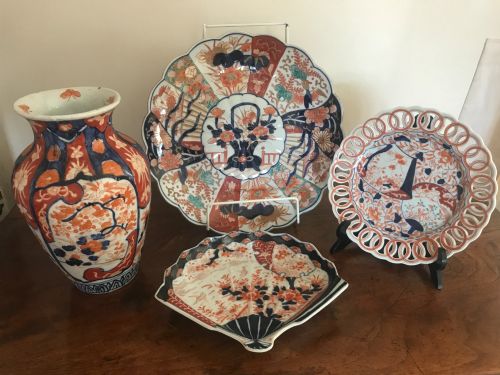
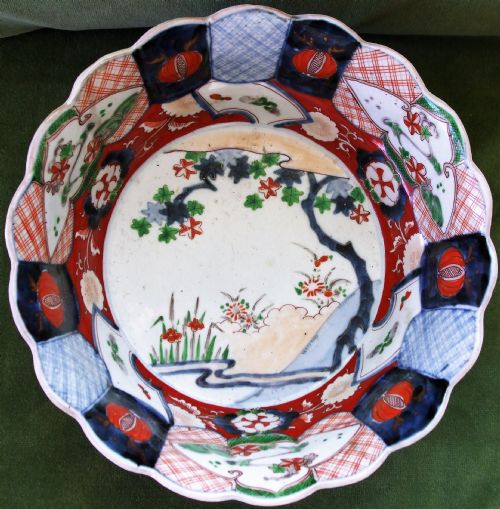
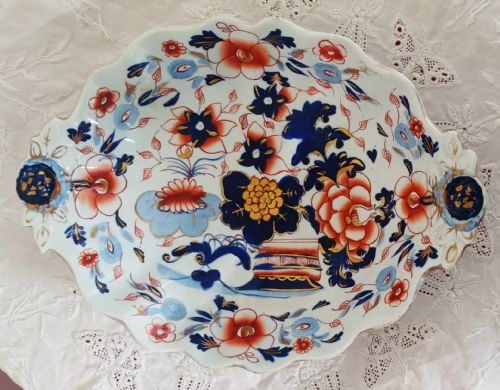
A cobalt red imari dish represents a distinct decorative tradition originating in Japan and later interpreted by English potteries. When searching for a cobalt red imari dish, buyers encounter various forms including chargers, serving dishes, and scalloped plates.
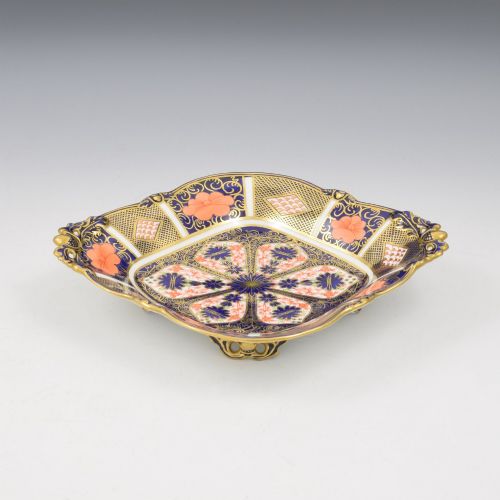
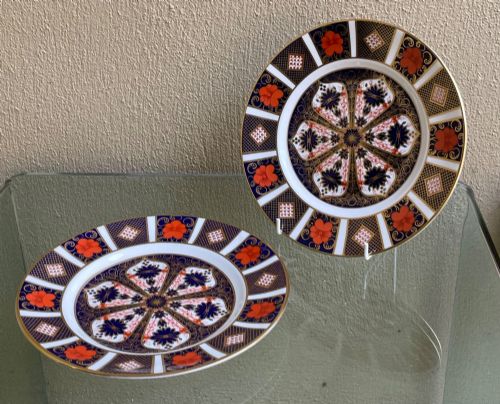
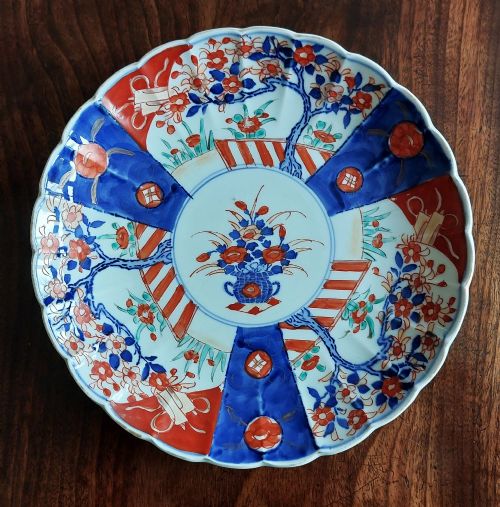
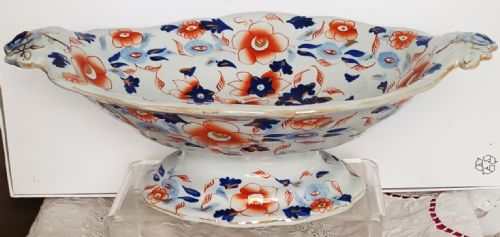
The pieces appearing on this page span the nineteenth and twentieth centuries, originating from Japanese Meiji workshops as well as English makers producing Japan patterns. Bowls, comports, and flat plates dominate the selection, often featuring scalloped edges or unconventional geometric shapes.
Japanese examples present traditional motifs such as exotic birds and deities, whilst English iterations utilise ironstone china and bone china. Both traditions rely on the high-contrast palette that defines the style.
Materials and construction
Makers shaped porcelain, ceramic, bone china, and ironstone into chargers, bowls, and plates, frequently employing moulded or scalloped edges. Artisans then applied underglaze blue and iron red enamel directly to the body.
Gold leaf, gilt, and gilding provide metallic accents across many items, highlighting specific details within the intricate patterns. A protective glaze seals the pigments, giving the surface a smooth and durable finish.
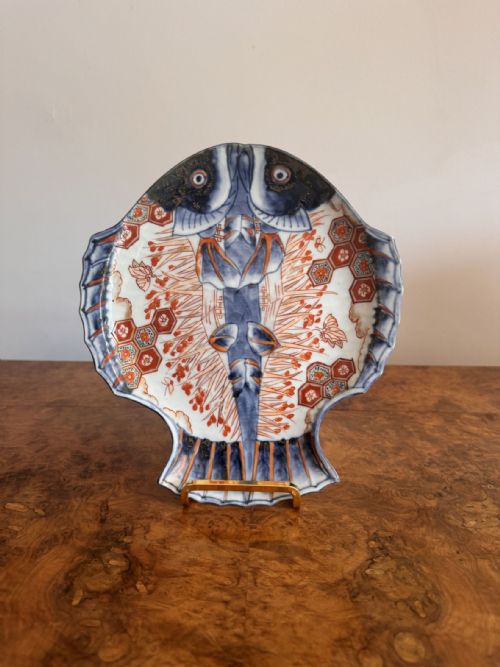
One remarkably shaped plate takes the literal form of a swimming fish, complete with scales painted in iron red.
Judging quality in imari ceramics
Quality rests upon the precision of the hand-painted decoration and the crispness of the porcelain body or ironstone moulding. Finer pieces display meticulous brushwork in the cobalt blue and iron red, with carefully aligned gilt accents.
Unusual shapes, such as fish forms, hexagonal plates, or square dishes, require advanced ceramic moulding techniques that elevate a piece above standard circular plates. The depth and vibrancy of the enamel colours also distinguish superior examples.
Royal Crown Derby
The Cobalt Red Imari Dish Glossary
- Imari
- A style of ceramic decoration originating in Japan, characterised by a palette of cobalt blue and iron red, often supplemented with gold. English potteries later reproduced this aesthetic.
- Charger
- A large decorative plate intended for display rather than for serving food at the table. These items measure larger than standard dining plates.
- Comport
- A raised dish or bowl on a footed base, used historically for serving fruit or sweets. English examples in ironstone often adopt the Japan pattern.
- Meiji Period
- The era of Japanese history spanning from eighteen sixty-eight to nineteen twelve, known for prolific ceramic production exported to Western markets. Pieces from this time frequently feature birds and deities.
- Ironstone China
- A type of durable ceramic developed in nineteenth-century England as a robust alternative to porcelain. It forms a heavy base for enamelled patterns.
Cobalt Red Imari Dish: Frequently Asked Questions
What is an imari dish?
An imari dish is a decorative ceramic piece featuring a distinctive palette of cobalt blue and iron red, frequently accented with gold. The style originated in Japan and influenced later English porcelain production.
These dishes were made as plates, bowls, and chargers, serving primarily as decorative display items rather than utilitarian tableware in modern homes.
How do I date a Japanese imari piece?
Dating relies on stylistic markers and the period of manufacture, such as the Meiji era in Japan. Nineteenth-century examples often display hand-painted birds, floral motifs, or figures rendered in dense enamel.
Examining the foot ring, the weight of the porcelain, and the vibrancy of the cobalt blue and iron red pigments also helps establish the age of a piece.
Were these dishes meant for food?
While initially produced as tableware, many larger chargers and decorative dishes were intended for display on walls or sideboards. Scalloped edges and delicate gilding suggest they held a decorative function in period interiors.
English comports and low comports offered functional service for fruit, whereas Japanese plates served both aesthetic and practical roles.
How do English and Japanese imari differ?
Japanese imari pieces utilise traditional porcelain bodies decorated with hand-painted cobalt blue and iron red during the Edo and Meiji periods. The motifs often incorporate Japanese iconography and natural scenes.
English makers such as Royal Crown Derby adapted the aesthetic onto bone china and ironstone china, creating distinct Japan patterns suited to European tastes.