







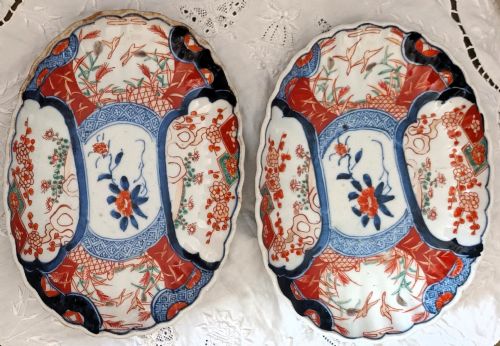
Floral Porcelain Wall Plates
These floral porcelain wall plates bring hand-painted botanicals and rich glazes into interior schemes, spanning centuries of global ceramic artistry.

Floral Porcelain Wall Plates
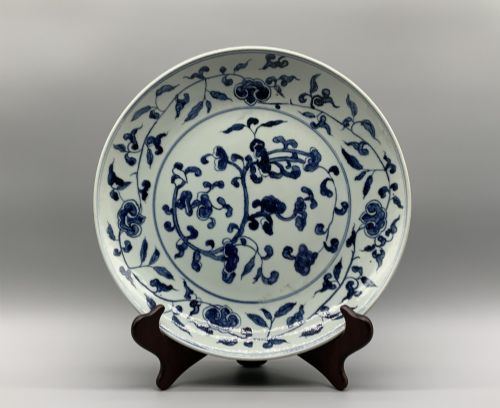
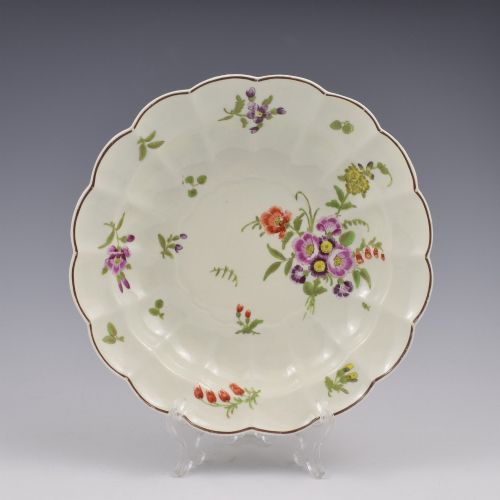
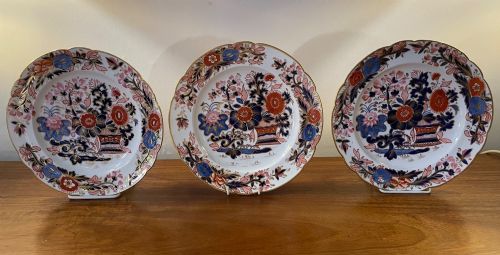
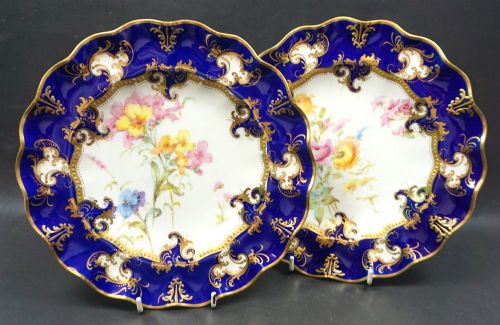
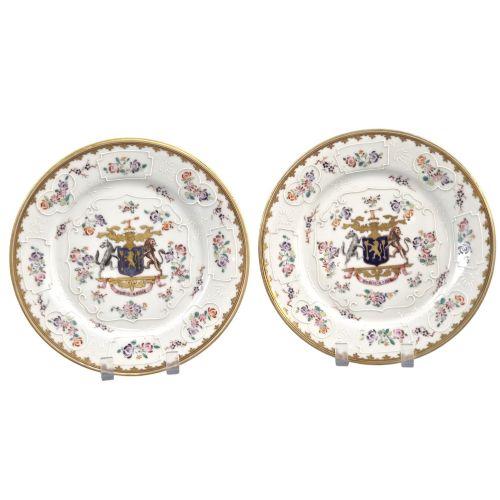
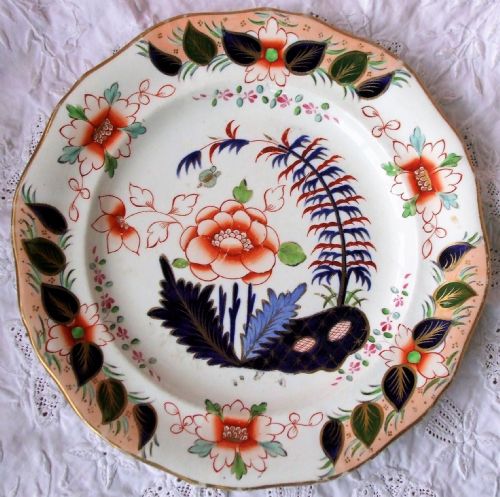
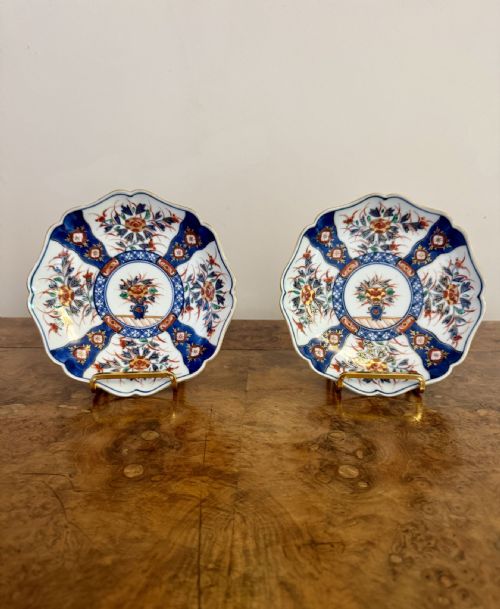
When searching for floral porcelain wall plates, buyers encounter a diverse array of decorative dishes, chargers, and cabinet plates designed primarily for display rather than dining. The selection draws heavily on Japanese Imari and Arita wares alongside 18th and 19th-century English and French productions.
The objects take various forms, from large scalloped chargers to cabinet plates and dessert dishes. Pieces range from the early periods of Chinese export and English porcelain to late 19th-century Japanese Meiji examples and Victorian British porcelain.
Many items incorporate floral motifs alongside traditional landscapes or armorial crests, rendered in palettes that mix cobalt blue, iron red, and gilt highlights. These plates offer a direct connection to historical kiln traditions from Asia and Europe.
Materials and Techniques
The construction relies on hard-paste and soft-paste porcelain, ceramic bodies, and ironstone, combined with cobalt glaze and enamel paints. Artisans applied hand-painted pigments beneath and over the glaze before subjecting the pieces to high-temperature kiln firings.
Gilding and gold leaf often accent the painted designs, while specialised techniques such as moriage build raised enamel details onto the surface. These methods create the textured, multi-layered floral patterns seen across the inventory.
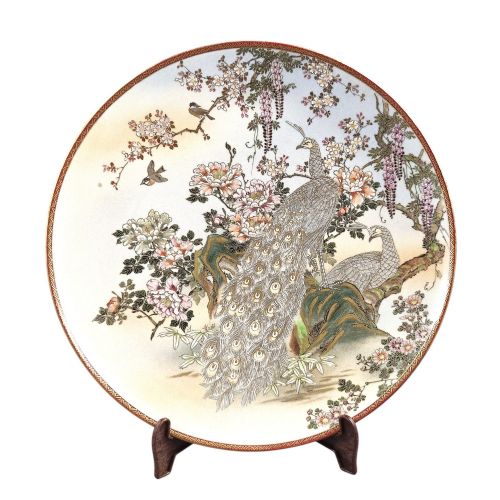
Peacocks strut through wisteria and peonies on Meiji chargers, bringing avian royalty directly to your dining room walls.
Distinctions in Quality
Quality separates through the precision and depth of the hand-painted brushwork, particularly in complex floral and bird motifs. Superior examples display crisp definition in the cobalt blue and enamels, showing deliberate control rather than hasty execution.
The integrity of the glaze and the preservation of the gilding or gold leaf dictate the visual impact of each plate. Pieces retaining crisp contours and vibrant, unrubbed palettes demonstrate superior preservation and craftsmanship from their respective periods.
Royal Crown Derby·John Davenport·Copeland·Minton·Furstenberg
The Floral Porcelain Wall Plates Glossary
- Imari
- A style of Japanese export porcelain characterised by a palette of cobalt blue, iron red, and gold. It originated in Arita and heavily influenced European ceramic design.
- Charger
- A large decorative plate traditionally used for ceremonial display rather than serving food. They form the focal point of many wall-hanging arrangements.
- Moriage
- A Japanese ceramic technique using slip-trailing to create raised, textured decoration. This method adds a tactile dimension to floral and animal motifs.
- Cabinet Plate
- A fine decorative plate intended for display in a glass-fronted cabinet or on a wall. These pieces often feature superior hand-painted artistry.
- Ironstone
- A type of heavy, durable ceramic developed in Britain as a robust alternative to porcelain. It readily accepts transfer-printed and hand-painted floral designs.
Floral Porcelain Wall Plates: Frequently Asked Questions
How do I hang antique plates on walls safely?
Use spring-loaded brass plate hangers that distribute weight evenly across the rim without causing structural stress. Ensure the wall fixing securely anchors into a stud or uses an appropriate cavity wall plug.
Avoid adhesive hangers that attach directly to the unglazed foot ring, as these can fail over time. Periodically check the tension of the springs to maintain a secure grip.
Were these plates originally meant for daily use?
Many larger chargers and cabinet plates were produced purely for decorative display in dining rooms and drawing rooms. Smaller dessert and tableware plates saw actual use at the table before transitioning into decorative collections.
Assessing the wear on the central well often reveals whether a piece served practical dining functions or remained preserved on display. Heavily gilded cabinet plates usually avoided heavy utility.
How can I distinguish Japanese Imari from European copies?
Examine the paste, weight, and base of the piece for clues regarding its geographical origin. Japanese wares often display characteristic spur marks and a slightly greyer or more translucent body.
European factories like those in England and France adopted the Imari palette enthusiastically during the Georgian and Victorian eras. Their potting techniques and body composition typically differ from East Asian export porcelain.
What does Dr Wall period Worcester mean?
The Dr Wall period refers to the formative years of the Worcester porcelain factory, operating under the guidance of Dr John Wall. Pieces from this era date to the 18th century and are prized for their soft-paste bodies and delicate painting.
Items carrying this attribution represent early British ceramic innovation. They command attention from collectors due to their refined potting and historical significance.