





Traditional Japanese Ceramic Charger
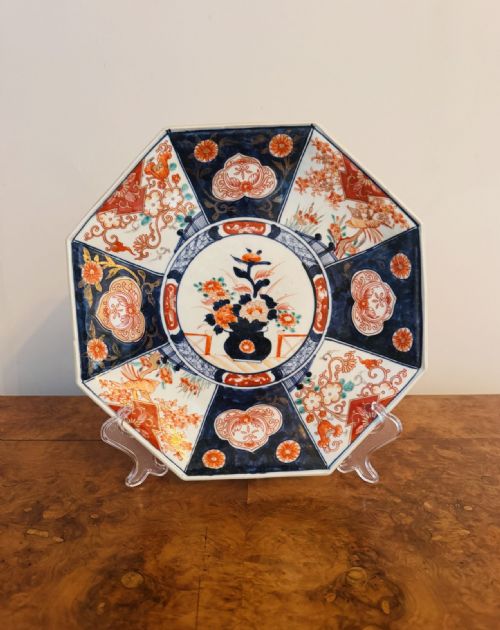
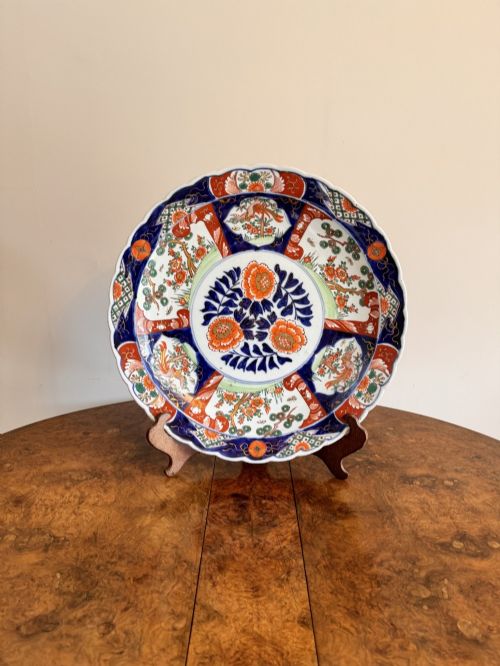
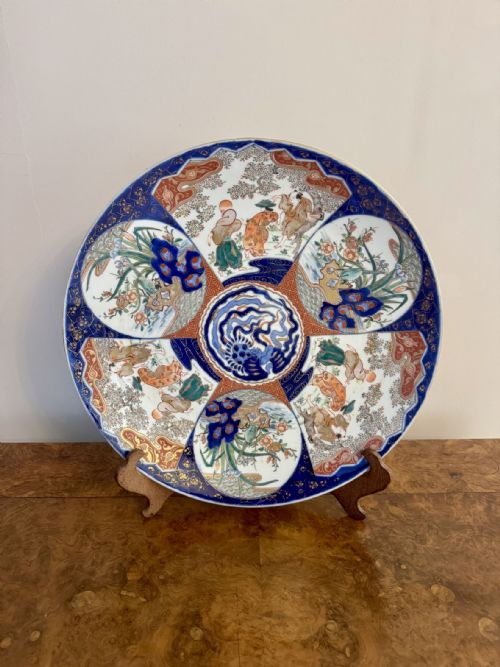
A traditional japanese ceramic charger brings bold hand-painted palettes of cobalt underglaze and gilt iron-red directly to a sideboard or wall.

Traditional Japanese Ceramic Charger
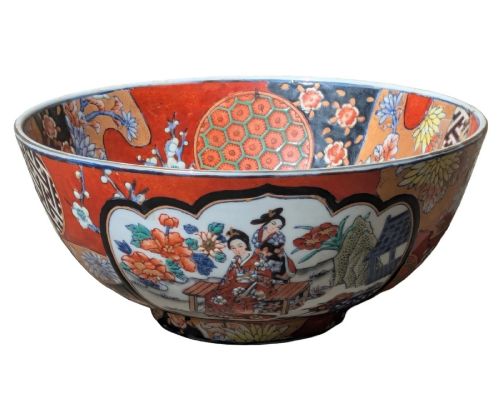
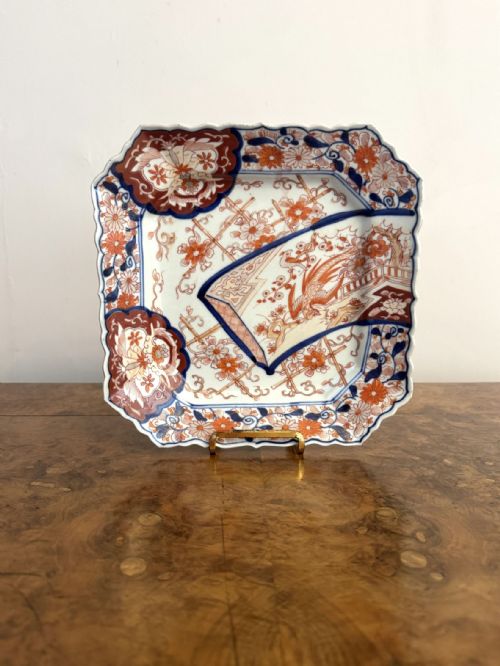
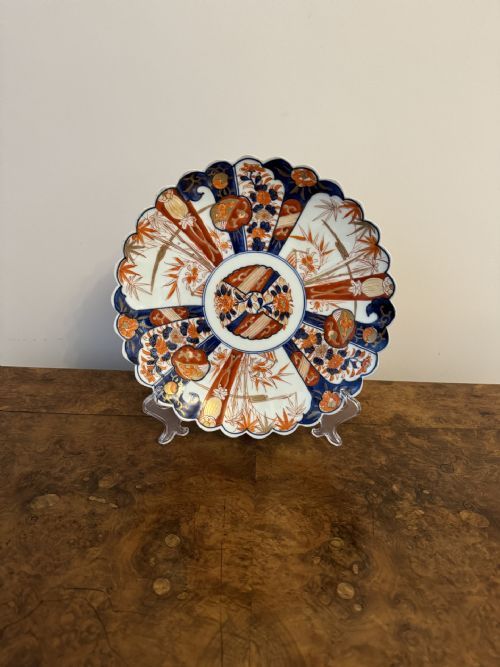
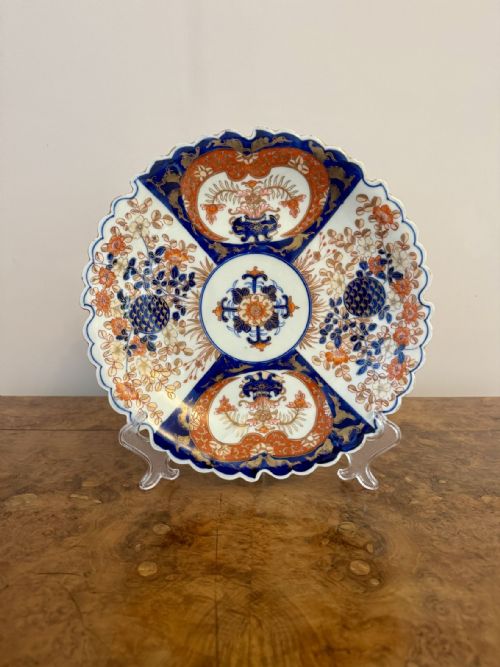
When you search for a traditional japanese ceramic charger, you encounter large decorative plates and platters designed primarily for display rather than dining. The examples you meet on this page lean heavily towards Japanese Imari porcelain, spanning the late seventeenth century through the Meiji period and into the early twentieth century.
The forms vary from classic circular chargers and scalloped plates to unusual square-shaped dishes. These ceramics serve as substantial focal points in a room, combining utility and decorative artistry from distinct historical eras.
How they were made
Potters shaped these pieces from white ceramic paste and porcelain, firing them to create a durable base. Artisans then applied cobalt underglaze details before secondary firings for enamel and gold leaf additions.
Gilding and intricate enamel painting brought high contrast to the surfaces. The integration of cobalt underglaze with rich gilt highlights defines the manufacturing technique of these traditional wares.
Traditional Japanese Ceramic Charger Retail Price Guide 2026
Typical asking prices for traditional japanese ceramic charger among the pieces listed under this phrase on Sellingantiques today, from the lower quarter to the upper quarter. They describe what is for sale here now, not the wider market.
Listings span multiple eras from the 17th century through the Victorian period and into the 1930s, utilising porcelain, glaze, and gold leaf.
What varies in quality
The precision and depth of the hand-painted brushwork separate superior plates from simpler output. Crisp cobalt underglaze coupled with generous, intact gold leaf elevation signals elevated workshop standards.
Form complexity also dictates distinction, as square shapes and scalloped edges require greater technical skill from the potter. Weight, porcelain translucency, and the vibrancy of the enamel palette complete the assessment.
The Traditional Japanese Ceramic Charger Glossary
- Imari
- A style of Japanese porcelain decorated in underglaze blue, iron red, and gold, named after the port from which it was shipped to the West. This palette dominates the available plates and chargers.
- Cobalt Underglaze
- A blue pigment applied to the raw ceramic body before glazing and firing, yielding a permanent indigo tone. It forms the structural foundation of traditional Imari designs.
- Charger
- A large decorative plate or platter originally used for ceremonial dining or formal display on a sideboard. These pieces measure larger than standard dinner plates.
- Gilt
- A thin layer of gold applied to the surface of the ceramic or enamel design to add reflective warmth. Gold leaf highlights details within the painted motifs.
Traditional Japanese Ceramic Charger: Frequently Asked Questions
What is a traditional japanese ceramic charger?
A traditional japanese ceramic charger is a large decorative plate or platter intended for display on walls, tables, or stands. These pieces are recognised by their generous diameter and robust porcelain body.
They function primarily as ornamental art rather than tableware. The large surface area allows artisans to execute complex painted compositions.
How do I date a traditional japanese ceramic charger?
Dating relies on stylistic markers, materials, and associated period terms such as the Edo or Meiji eras. Seventeenth-century pieces often show specific Arita characteristics, while later Victorian and 1900 examples reflect mass export production.
Examining the foot ring, glaze texture, and pigment saturation provides further clues to the manufacturing decade. Comparing the piece to documented historical examples narrows the timeline.
Where were these chargers made?
Many of these ceramics originated in the Hizen province around Arita, the historic centre of Japanese porcelain production. From there, goods travelled to the port of Imari for export to Western markets.
This regional hub developed specialised kilns that perfected the combination of cobalt underglaze and enamel painting. The output satisfied growing international demand for decorative Japanese wares.
How should I display a charger?
Display chargers securely using wall-mounted plate hangers designed for heavy porcelain items. Alternatively, sturdy tabletop display stands allow the piece to rest safely on a sideboard or mantelpiece.
Position the charger away from high-traffic zones to prevent accidental knocks. Ensure the display method supports the full weight of the ceramic plate.