








Japanese Decorative Display Plates
These japanese decorative display plates bring intricate Meiji period artistry and vibrant hand-painted porcelain into modern interiors.

Japanese Decorative Display Plates
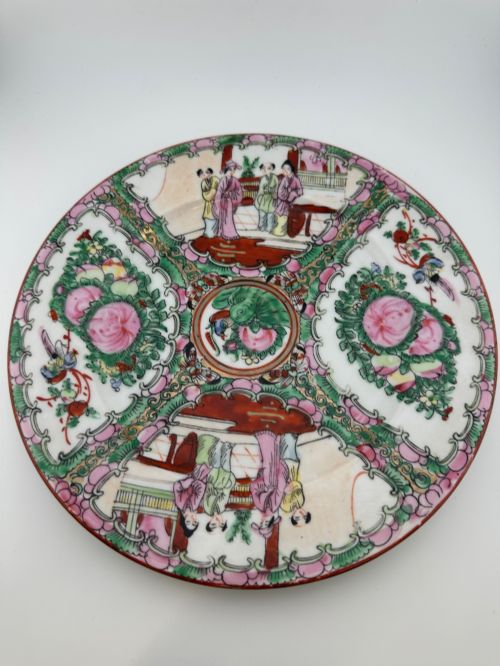
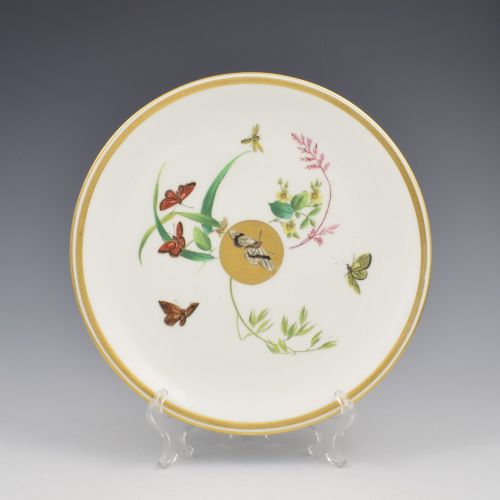
Japanese decorative display plates encompass large chargers, cabinet plates, and platters created primarily during the late nineteenth and early twentieth centuries. These pieces reflect the rich output of the Meiji period, alongside related Victorian interpretations of Japanese style.
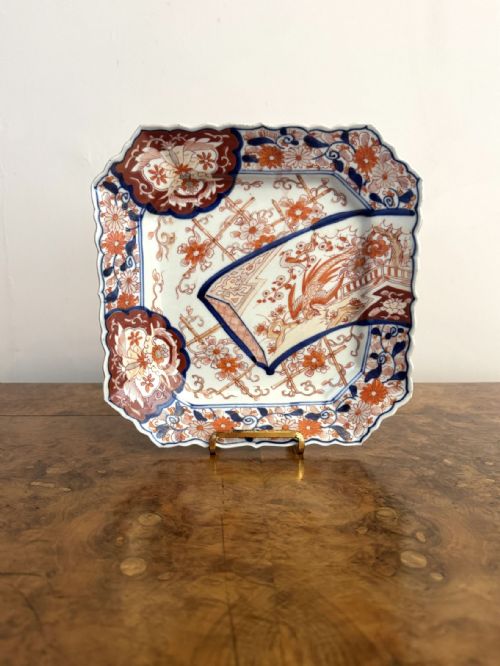
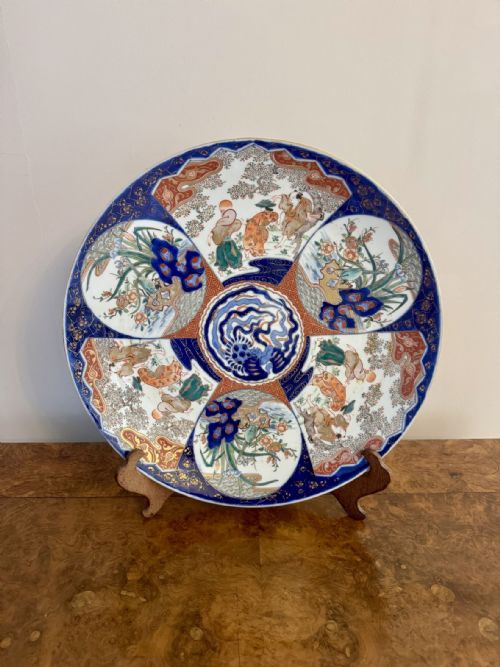
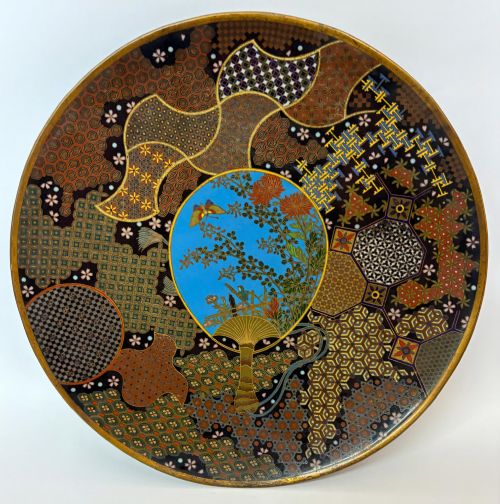
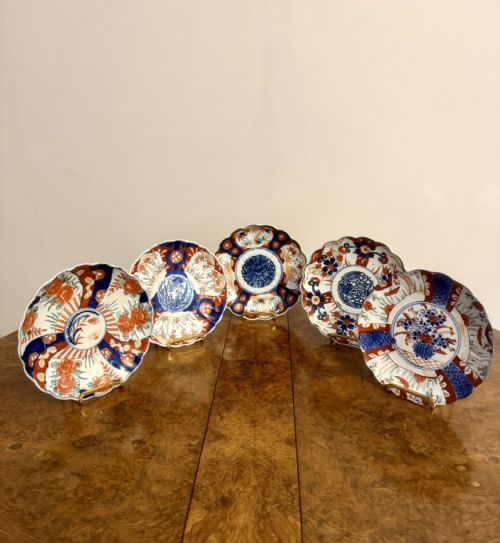
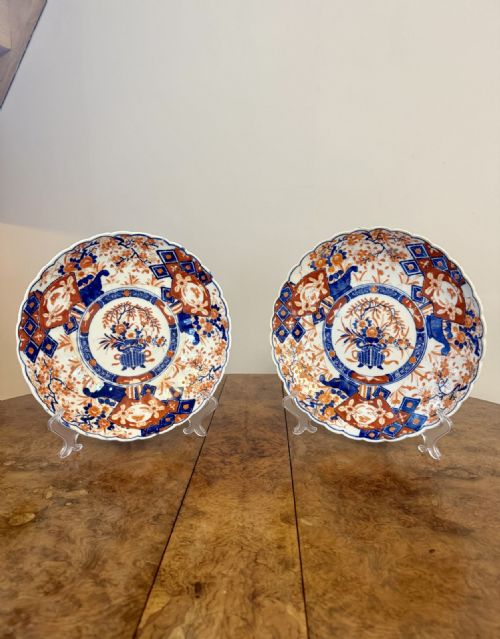
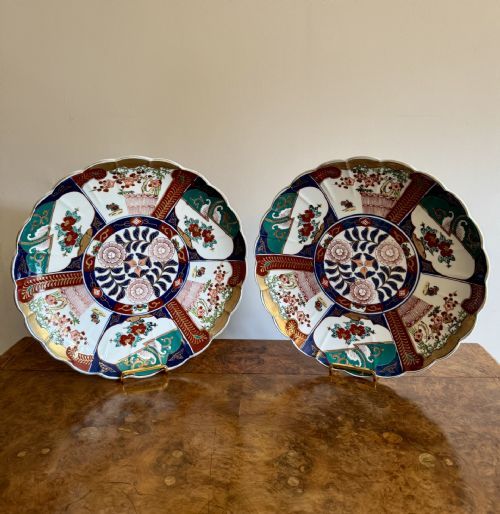
The selection here centres heavily on Japanese Imari porcelain alongside detailed cloisonne enamel works on copper or porcelain bases. Buyers encounter scalloped edges, square forms, and large chargers depicting birds, deities, and floral motifs.
How they were made
Potters and artisans utilised porcelain and earthenware as the primary foundation for hand-painted underglaze blue and overglaze iron-red and gold leaf decoration. The resulting ceramic surfaces display crisp pigment application alongside moulded and scalloped profiles.
Cloisonne pieces relied upon thin copper wires soldered to metal or porcelain bases to form cells, which workers then filled with coloured enamel pastes before firing and polishing. This technique allowed for detailed depictions of flora, fauna, and narrative scenes.
Listings feature items spanning the Victorian era through the Meiji and Taisho periods, utilising materials including copper, brass, glaze, and gold leaf.
What varies in quality
Quality rests upon the precision of the hand painting and the complexity of the enamel work or gilding. Superior examples demonstrate meticulous brushwork, finely balanced compositions, and intricate wirework in cloisonne pieces that elevate them beyond standard commercial output.
The depth of colour, richness of the glaze, and clarity of the firing distinguish exceptional chargers and plates. Finer specimens maintain crisp detail across complex motifs like the Seven Lucky Gods or detailed avian and botanical studies.
Koshida
The Japanese Decorative Display Plates Glossary
- Imari
- A style of Japanese porcelain featuring a distinctive palette of underglaze blue, iron-red, and gilt details. It originated in Arita and became widely exported during the Meiji period.
- Cloisonne
- A decorative metalwork technique where wire partitions hold enamel pastes before firing. Japanese examples from the Meiji era achieved remarkable pictorial depth.
- Charger
- A large decorative plate intended for display on a wall or sideboard rather than for dining use. These pieces often measure over thirty centimetres in diameter.
- Meiji Period
- The era of Japanese history lasting from 1868 to 1912, marked by the opening of trade with the West and exceptional craftsmanship in ceramics and metalwork.
- Totai Shippo
- A specialised technique where cloisonne enamel is applied directly onto a porcelain body rather than a metal base. This created unusual textured surfaces resembling tree bark.
Japanese Decorative Display Plates: Frequently Asked Questions
How do I display a large charger safely?
Large chargers and platters require sturdy plate hangers designed specifically for heavy porcelain or metal objects. Ensure the wall fixing secures firmly into masonry or a stud.
Alternatively, use a dedicated tabletop display stand with a wide base to distribute the weight evenly.
What is the difference between Imari and Satsuma ware?
Imari pieces consist of hard-paste porcelain decorated with underglaze blue, iron-red, and gold, often featuring geometric and floral patterns. They have a resonant ring when tapped.
Satsuma ware utilises an earthenware body with a characteristic ivory-coloured cracked glaze and finely detailed polychrome enamel painting.
How do I clean antique cloisonne and porcelain?
Dust porcelain and cloisonne surfaces gently with a soft, dry microfibre cloth. Avoid harsh chemical cleaners or submersion in water, particularly for older pieces.
Enamel and gilt details on nineteenth-century pieces remain sensitive to abrasive materials and excessive moisture.
Were these plates meant for dining?
Larger examples, particularly chargers and heavy platters, served primarily as decorative showpieces for Japanese households and the export market. Smaller cabinet plates and dishes saw limited use in domestic settings but were largely collected for display.