







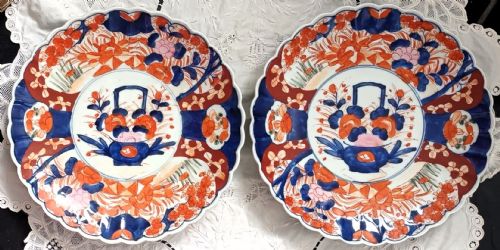
Cobalt Red Ceramic Charger
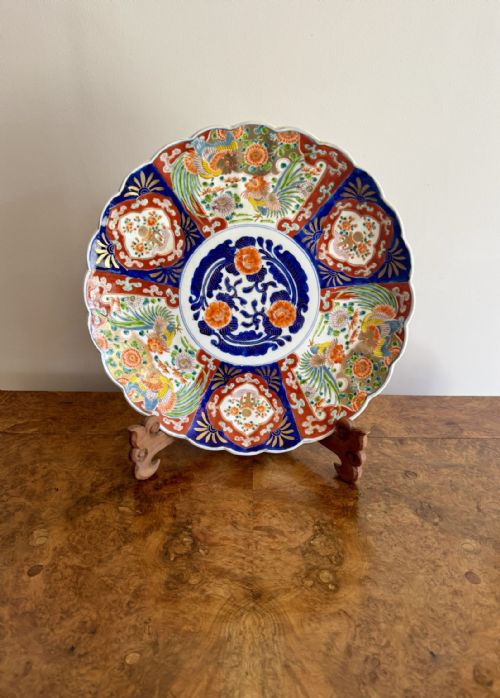
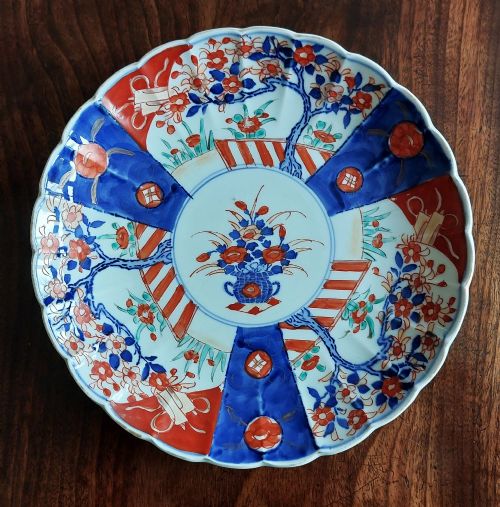
These cobalt red ceramic charger selections are large decorative display pieces prized for their striking blue and red palette.
Cobalt Red Ceramic Charger
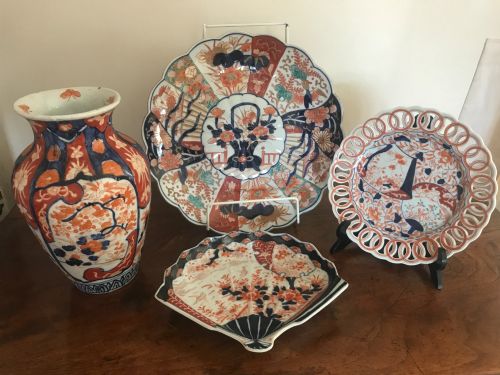
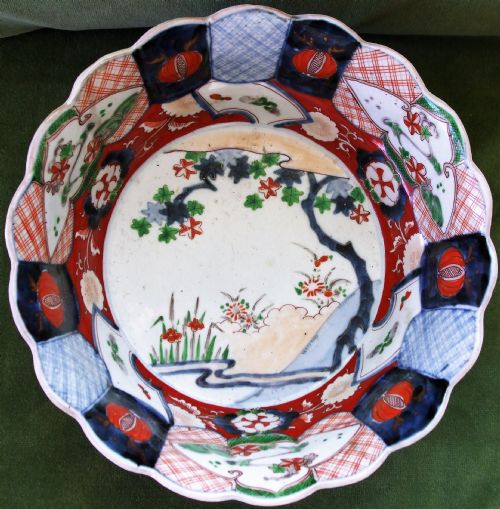
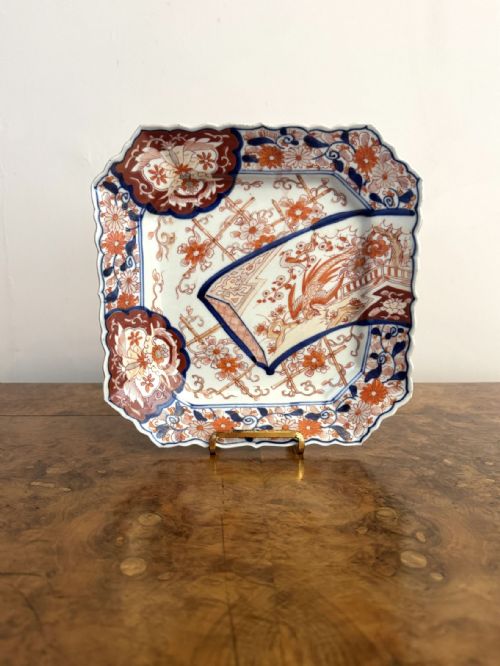
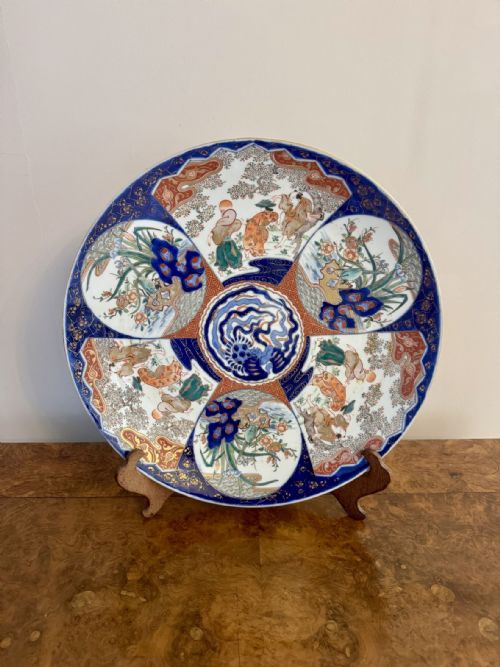
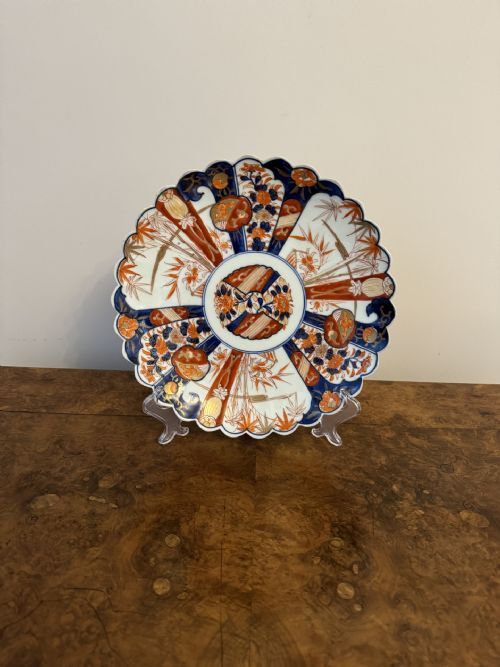
When a buyer investigates a cobalt red ceramic charger, they are looking at large decorative plates, chargers, and bowls originating primarily from the nineteenth century and the Meiji period. These items span various forms including round scalloped edges, square plates, and hexagonal dishes.
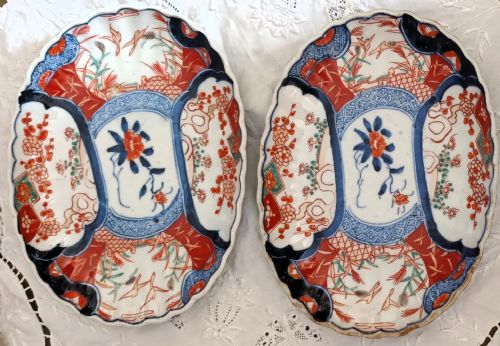
The pieces on this page are overwhelmingly Japanese Imari ceramics, created during the nineteenth century and around nineteen hundred. They are intended for wall display or tabletop presentation, featuring complex patterns that draw the eye.
Buyers will encounter single chargers alongside matched pairs and larger collections of plates. The forms range from standard circular chargers to unusual square and scalloped configurations.
How they were made
Makers utilised porcelain and ceramic bodies finished with ceramic glaze and cobalt underglaze to establish the foundation of each piece. Artisans then applied intricate hand-painted designs often enriched with enamel and gold leaf or gilt details.
Firing techniques in kilns during the Meiji period and nineteenth century allowed the cobalt underglaze to fuse permanently beneath the shiny glaze layer. Subsequent overglaze work added the characteristic red and metallic highlights that define the aesthetic.
Listings span the nineteenth century and the Meiji period, featuring materials such as porcelain, cobalt underglaze, enamel, and gold leaf.
What varies in quality
The standard of craftsmanship is judged by the precision of the hand-painted brushwork and the vibrancy of the cobalt underglaze and red enamel. Superior pieces exhibit crisp detailing in depictions such as exotic birds or figures like the Seven Lucky Gods.
Form complexity also distinguishes the range, with unusual square, hexagonal, or deeply scalloped edges requiring greater skill from the potter than simple circular platters. The preservation of original gold leaf and enamel highlights marks the difference between average items and exceptional examples.
The Cobalt Red Ceramic Charger Glossary
- Imari
- A style of Japanese export porcelain traditionally decorated in underglaze blue, iron red, and gold. This style originated in the town of Arita and became immensely popular in the West.
- Meiji Period
- The era in Japanese history spanning from eighteen sixty-eight to nineteen twelve, characterised by the opening of trade with the West. Ceramics from this time show remarkable technical refinement.
- Cobalt Underglaze
- A blue pigment applied to the raw ceramic body before glazing and firing at high temperatures. This method ensures the pigment remains permanent and protected beneath the glass-like surface.
- Charger
- A large decorative plate utilised historically for ceremonial dining or purely for display on sideboards and walls. These oversized vessels provide a wide canvas for intricate artwork.
- Scallop Edge
- A decorative rim shaped into a series of continuous curves resembling the edge of a scallop shell. Potters often combined this rim style with hand-painted panels.
Cobalt Red Ceramic Charger: Frequently Asked Questions
How were cobalt red ceramic chargers used?
These large vessels served primarily as decorative display pieces on walls, tables, and cabinets rather than for everyday dining.
Their substantial size and rich colour palette made them centrepieces in formal interiors during the nineteenth century.
What is Japanese Imari?
Imari refers to porcelain manufactured in the town of Arita and exported through the port of Imari during the Edo and Meiji periods.
It is instantly recognisable by its distinctive combination of cobalt blue, iron red, and gilded highlights.
How do I date a Meiji period piece?
Meiji period items align with the reign of the Emperor Meiji between eighteen sixty-eight and nineteen twelve.
Stylistic cues, such as dense polychrome decoration and fine porcelain bodies, help narrow down the production era.
Can these chargers be hung on walls?
Many chargers feature heavy porcelain bodies designed with display in mind, though appropriate hardware must be used.
Collectors often mount them securely using specialised wire hangers that distribute the weight evenly along the rim.