





Cobalt Blue Wall Display Plate
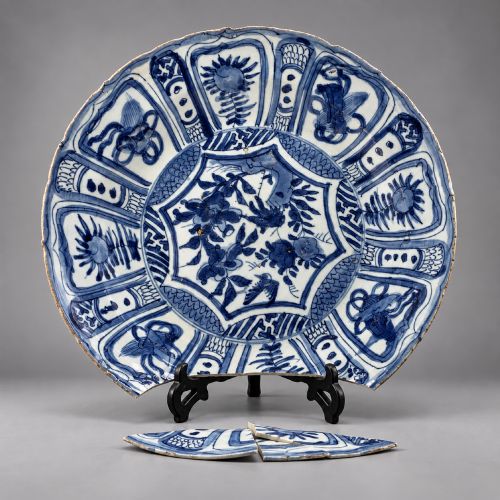
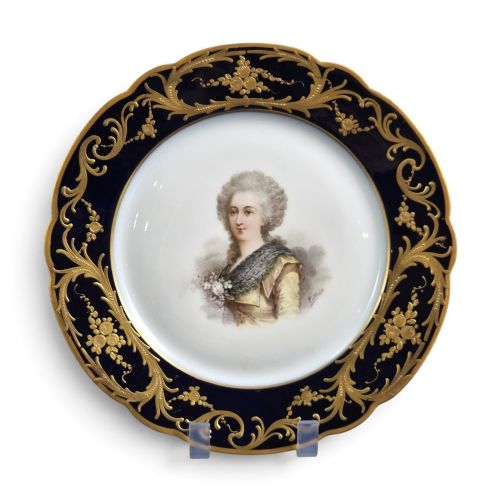
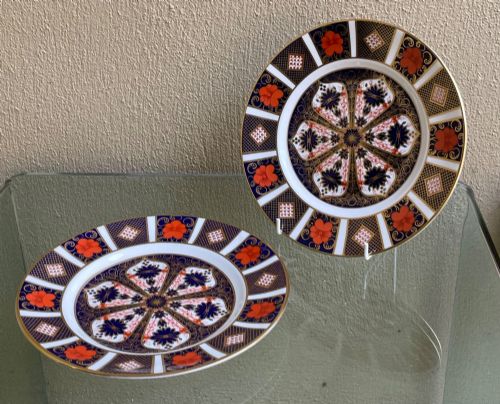
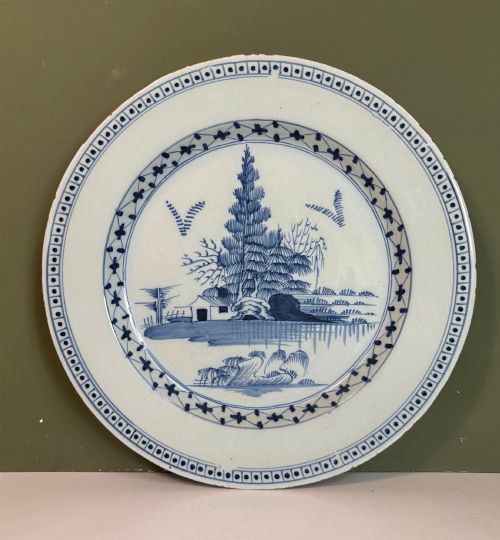
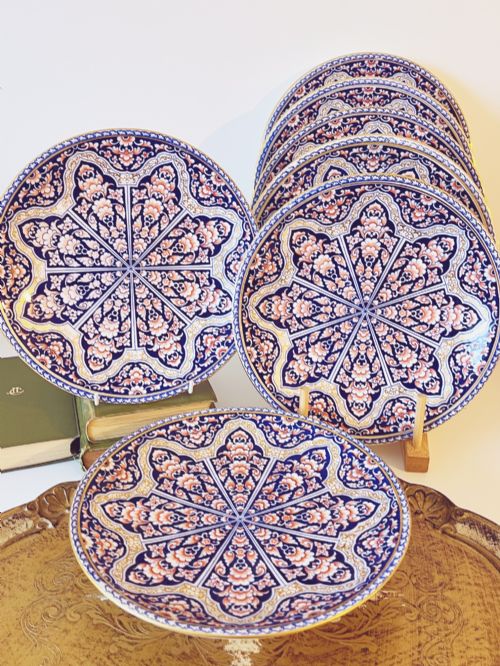
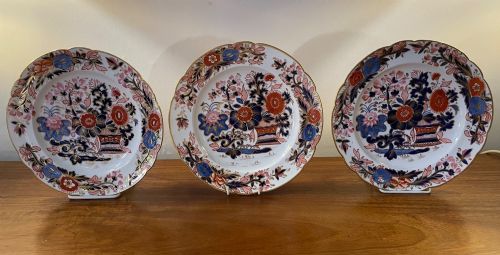
These cobalt blue wall display plates bring deep indigo pigment and decorative heft to a room, ranging from Japanese Imari chargers to English cabinet pieces.
Cobalt Blue Wall Display Plate
A cobalt blue wall display plate is a ceramic vessel chosen primarily for vertical display rather than dining use. The selection spans centuries of production, taking the form of large chargers, cabinet plates, and decorative dishes.
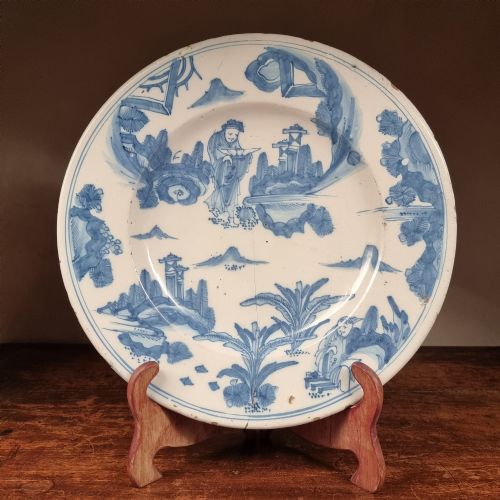
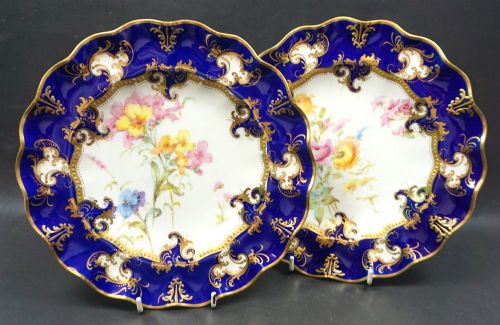
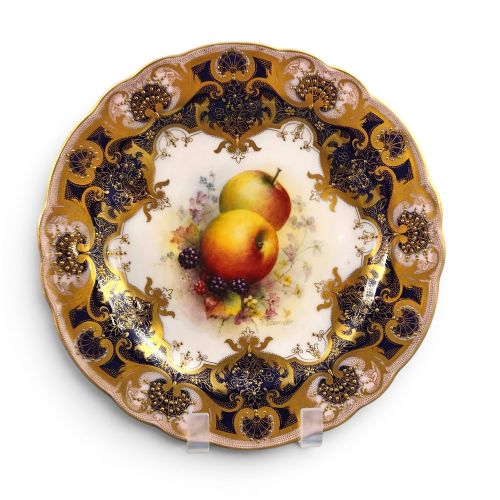
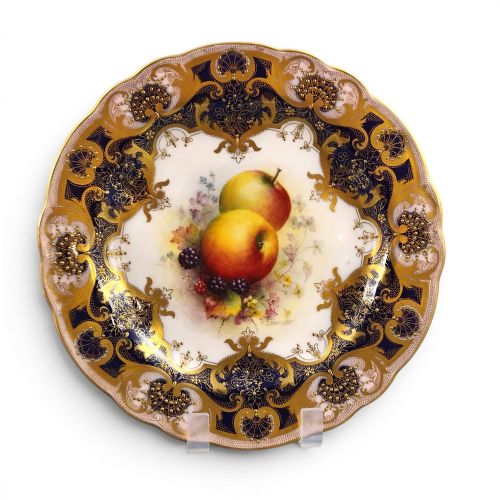
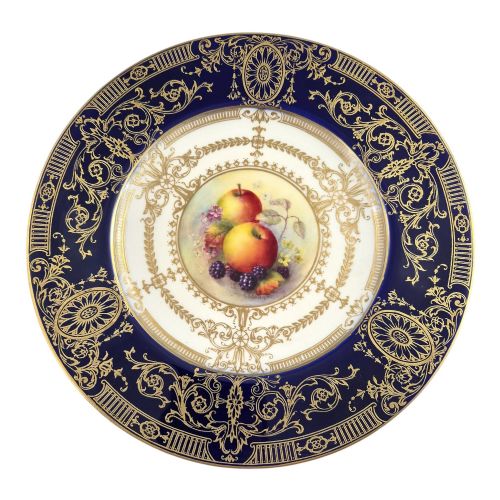
Japanese Imari works from the Meiji period and 18th-century Dutch or English Delft feature most prominently on this page. Alongside these sit Victorian and 20th-century English porcelain pieces, including hand-painted fruit studies.
Origins stretch from Arita kilns in Japan to European manufactories like Royal Crown Derby, Royal Worcester, and Coalport. Each maker applied deep cobalt blues under or over the glaze, often paired with iron red and gold leaf.
How they were made
Potters shaped porcelain, bone china, ironstone, and earthenware bodies before applying cobalt oxide pigments directly to the raw clay or tin glaze. Firing at high temperatures fixed the deep blue colour beneath a clear glossy surface.
Many items received secondary or tertiary kiln firings to set overglaze enamel colours and gold leaf details. Artisans then polished the gilt highlights to catch the light against the dark blue ground.
Listings feature Japanese Meiji period Imari porcelain alongside 18th-century Dutch Delft chargers.
What varies in quality
Quality rests upon the crispness of the cobalt painting and the depth of the glaze. Master painters achieved subtle shading within the blue fields, whereas lesser examples rely on flat, uniform washes of colour.
The precision of the secondary gilding and enamel work distinguishes standard production from exceptional studio output. Weight, resonance, and balance in the ceramic body further separate mass-produced wares from fine cabinet porcelain.
Royal Crown Derby·Royal Worcester·Darte Brothers·Coalport
The Cobalt Blue Wall Display Plate Glossary
- Charger
- A large decorative plate traditionally meant for sideboard display rather than individual dining use. These substantial pieces anchor a wall arrangement.
- Imari
- A style of Japanese export porcelain originating in Arita, defined by a palette of cobalt blue, iron red, and gold. European factories frequently copied these vibrant patterns.
- Delft
- Tin-glazed earthenware produced in Dutch and English potteries during the seventeenth and eighteenth centuries. It typically presents blue painted motifs on a milky white opaque ground.
- Ironstone
- A heavy, durable type of earthenware patented in the nineteenth century to imitate true porcelain. It tolerates daily wear while accepting intricate transfer-printed or hand-painted designs.
- Cabinet plate
- A high-status ceramic piece created solely for display in a glass-fronted cabinet or on a wall. These items often showcase intricate hand-painted scenery or armorial crests.
Cobalt Blue Wall Display Plate: Frequently Asked Questions
How do I hang a heavy charger?
Heavy ceramic chargers require coated wire spring hangers that distribute weight evenly around the rim without biting into the earthenware body. Ensure the wall fixing engages directly with a stud or proper masonry plug.
Avoid adhesive disc hangers on large 18th-century or 19th-century pieces. Secure hardware protects both the wall and the glaze from accidental impacts.
Are these plates safe for food?
Most antique display plates serve a purely visual function and feature surface glazes unsuited for modern culinary use. Older ironstone and earthenware can also absorb liquids through micro-fissures in the glaze.
Keep these items strictly to walls, plate racks, and display cabinets. Their value lies in the artistry of the blue pigment and enamel work.
How do I tell Delft from Imari?
Delft relies on tin-glazed earthenware with opaque white surfaces supporting loose blue brushwork, often European in origin. Imari uses true porcelain with a distinct palette of deep cobalt blue, iron red, and gilt highlights originating from Japan.
Weight, body translucency, and the presence of metallic gold separate the two traditions. Examining the unglazed foot rim clarifies the underlying ceramic body.
How should I clean my display plate?
Dust surfaces gently with a dry microfibre cloth to remove household particles without disturbing the glaze. Avoid abrasive cleaners or soaking pieces with historic ironstone or earthenware bodies.
Harsh detergents can strip delicate overglaze gold leaf and enamel highlights. Minimal dry cleaning preserves the original finish.