




Japanese Style Ceramic Plate
A japanese style ceramic plate brings intricate Eastern motifs and rich palettes into Western interiors, offering a tangible link to centuries of global design exchange.
Japanese Style Ceramic Plate
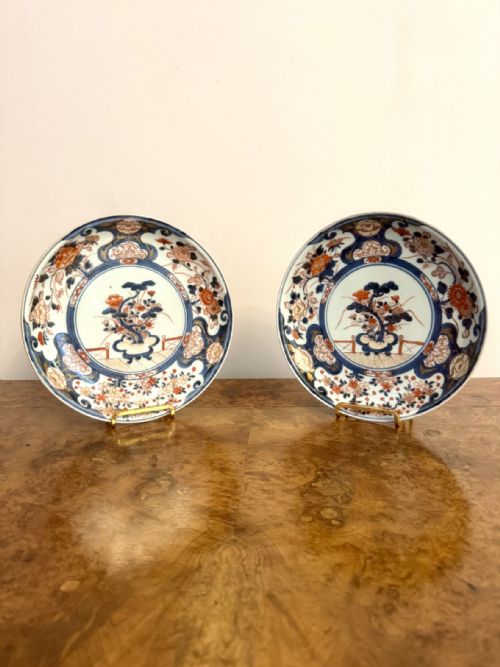
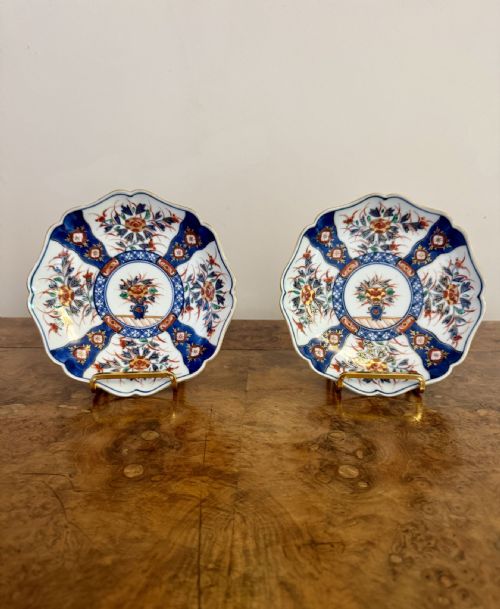
When searching for a japanese style ceramic plate, you encounter objects spanning both imported East Asian wares and British interpretations created during the Aesthetic Movement. The selection here leans heavily towards Japanese Imari porcelain chargers and plates alongside nineteenth century English ceramic adaptations.
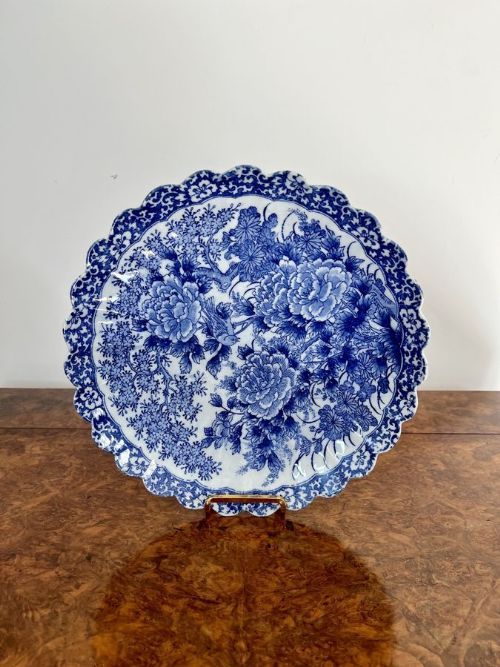
Forms range from traditional circular vessels and large scalloped chargers to unusual fan shaped and hexagonal plates. These pieces served both functional dining purposes and purely decorative display within period homes.
Materials and production methods
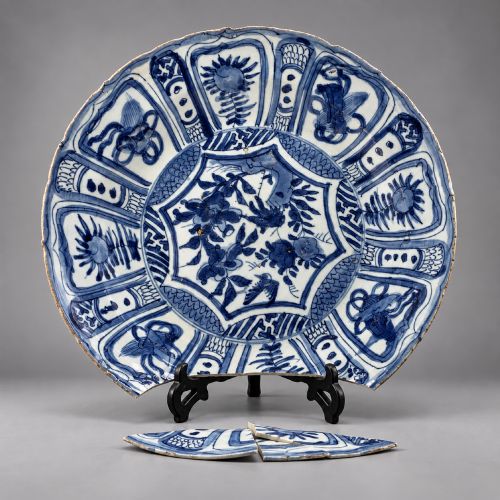
Production relies primarily on porcelain and earthenware bodies finished with cobalt underglaze, enamel paint, and gilding. Artisans applied hand painted details in saturated palettes, frequently incorporating gold leaf and gilt highlights to enrich the visual depth.
Firing techniques allowed cobalt blue pigments to fuse beneath the glaze while enamel colours and gilding sat above it. This combination created the characteristic layered contrast seen across both European factory outputs and traditional Japanese kilns.
Listings span multiple eras from the eighteenth century through the Victorian period to the early twentieth century, incorporating both porcelain and earthenware.
Evaluating craftsmanship and detail
Quality rests in the precision of the hand painting and the complexity of the composition. Superior examples display crisp cobalt underglaze work paired with meticulously applied enamel and gold leaf.
The sophistication of the form also distinguishes individual pieces, with scalloped edges, hexagonal contours, and unusual shapes demanding greater skill from the potter and decorator.
The Japanese Style Ceramic Plate Glossary
- Imari palette
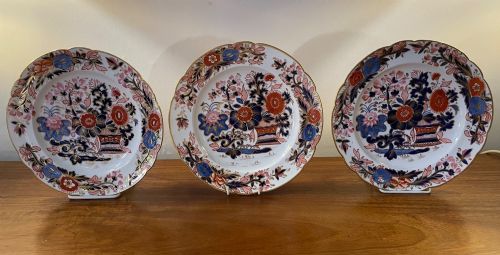
- A traditional decorative scheme utilising cobalt blue, iron red, and gilt highlights. This palette originated in Japan and heavily influenced European porcelain factories.
- Aesthetic Movement
- A nineteenth century artistic movement that rejected rigid Victorian industrial design in favour of Asian inspired motifs and natural forms. It encouraged asymmetry and decorative refinement in domestic ceramics.
- Cobalt underglaze
- A blue pigment applied to ceramic bodies before glazing and firing. This method ensures the colour remains permanent and protected beneath a glassy surface.
- Charger
- A large decorative plate utilised historically for formal service or display on sideboards. These substantial vessels often showcase the most elaborate painted compositions.
- Kakiemon style
- A Japanese ceramic aesthetic characterised by restrained asymmetrical designs of birds, flowers, and quails on a milky white porcelain ground.
Japanese Style Ceramic Plate: Frequently Asked Questions
How do I identify a true Imari plate?
Look for the characteristic triad of cobalt blue, iron red, and gilt detailing across the decorated surface. These colours interact within structured panels or floral motifs.
European factories frequently copied this aesthetic during the nineteenth century, meaning examination of the paste and glaze is necessary to distinguish British ceramic interpretations from Japanese originals.
What is the Aesthetic Movement connection?
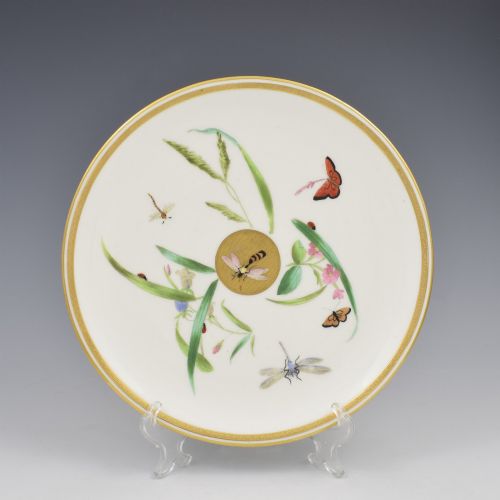
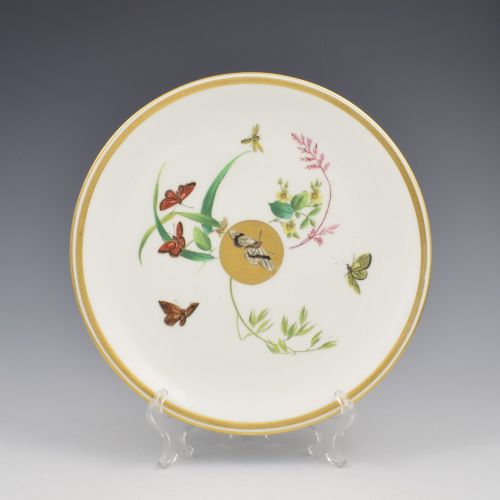
British potteries such as Minton embraced Japanese design philosophies during the late nineteenth century. They produced dessert plates featuring asymmetrical motifs like suns, insects, and butterflies.
These pieces combined traditional European ceramic manufacturing with the decorative principles of Japanese art.
Were these plates meant for dining?
While standard plates and tableware sets saw use at the table, larger examples and chargers were primarily intended for display. Cabinet plates and heavy chargers decorated walls or sat on sideboards to showcase wealth and taste.
Unusual shapes like fan or shell designs further emphasised their decorative role in period interiors.
How should I display these plates?
Display them securely using appropriate wall hangers or stable plate stands that support their weight. Avoid positioning them in direct, strong sunlight to preserve the vibrancy of the enamel colours and gold leaf over time.