
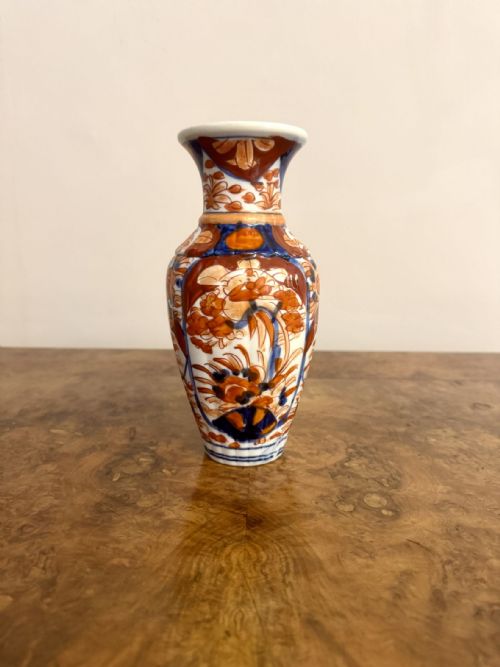
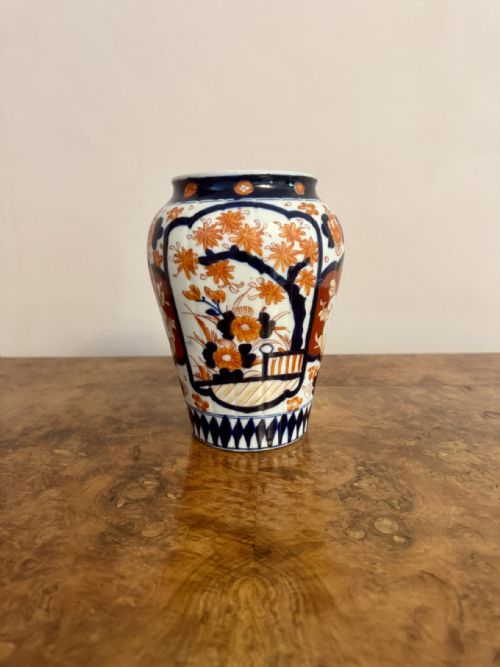
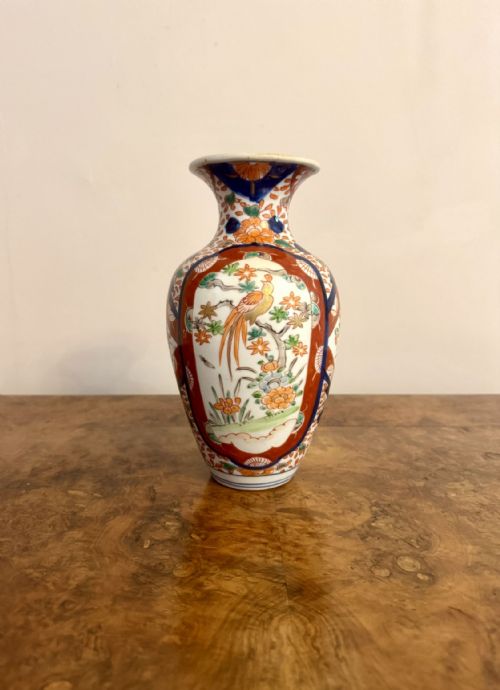
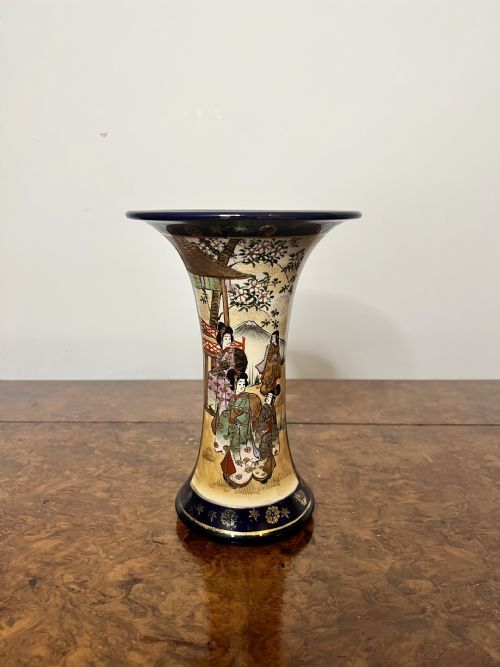


Cobalt Blue Pottery Vase
A cobalt blue pottery vase brings deep saturated colour and historical weight to a room, drawing the eye directly through its rich pigment and varied form.
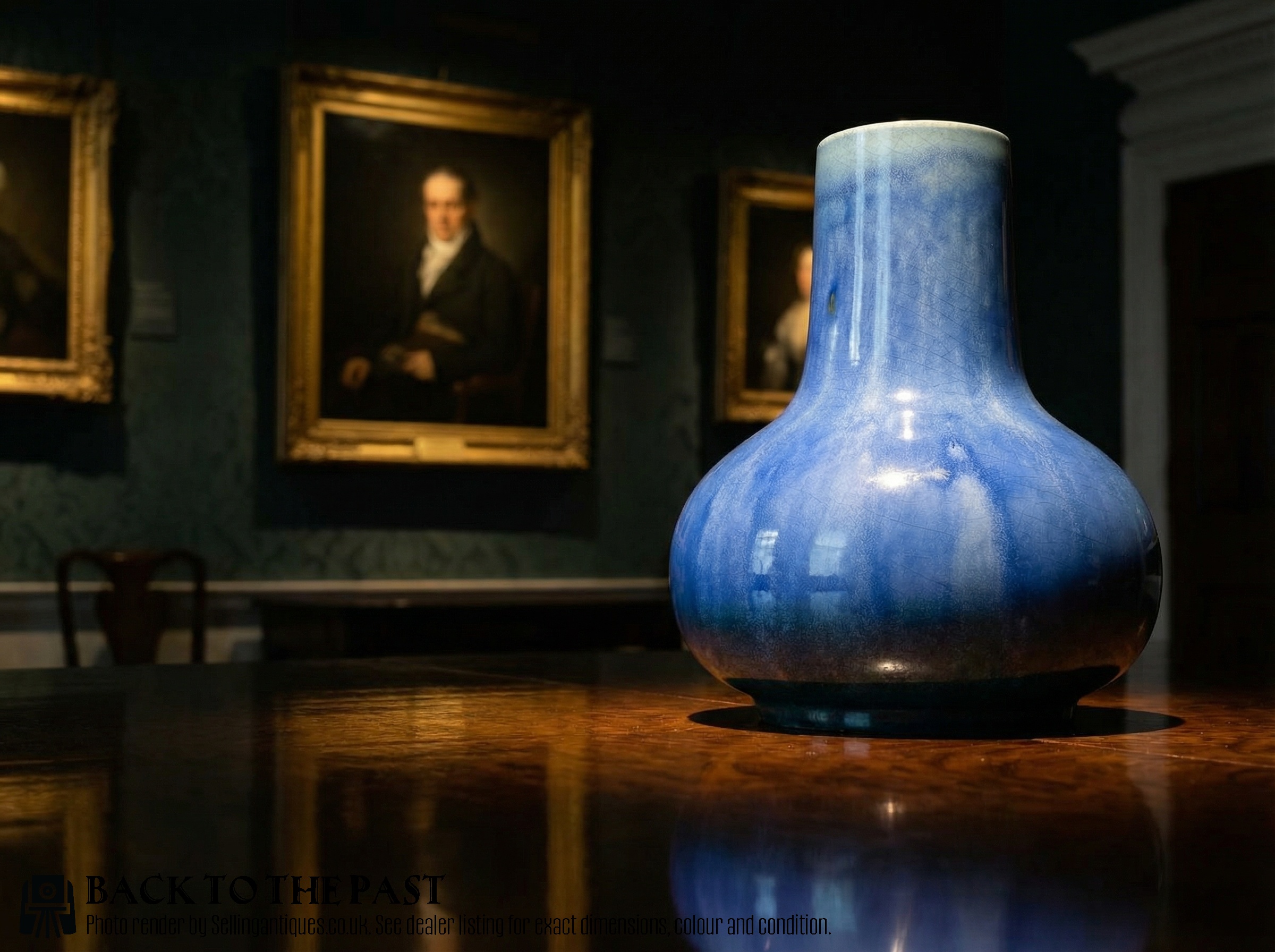
Cobalt Blue Pottery Vase
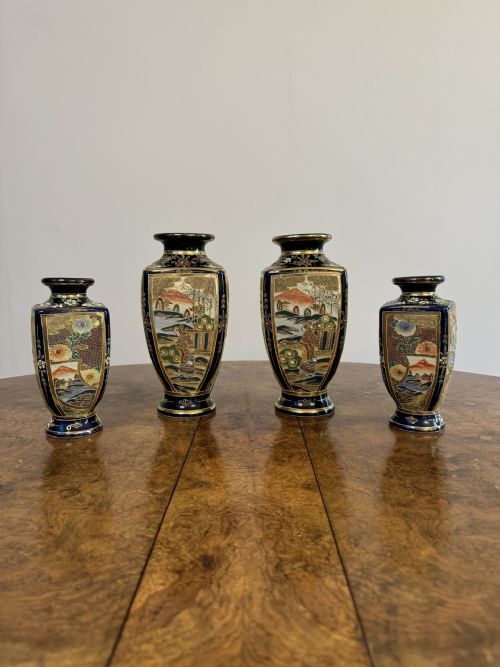
A cobalt blue pottery vase encompasses a diverse range of ceramic and earthenware vessels produced across the nineteenth and twentieth centuries, alongside earlier examples. Buyers searching this phrase encounter everything from Japanese Imari and Satsuma wares to British studio and commercial pottery.
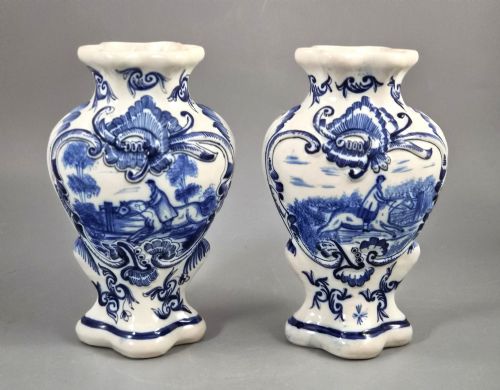
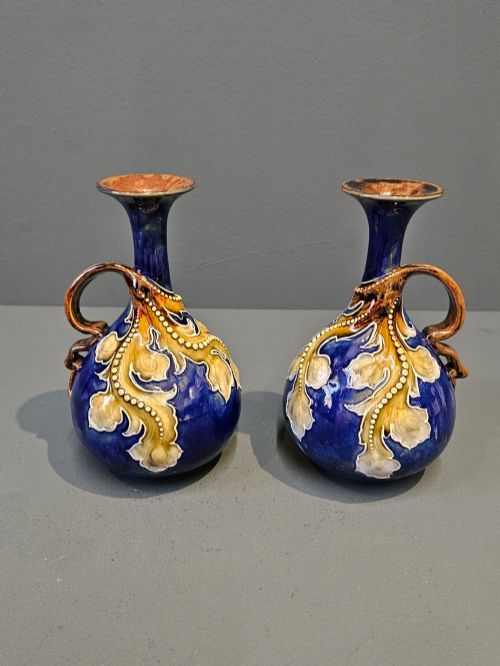
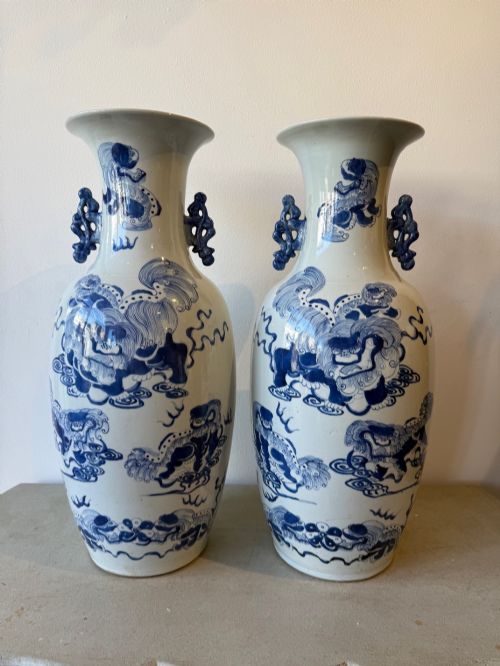
The selection frequently includes English salt-glazed stonewares, French faience, and Chinese blue and white porcelain alongside Japanese export pieces. These vessels appear in forms varying from simple bottle shapes and ewers to large garniture sets and covered jars.
Originating from periods spanning the eighteenth century through to the Art Deco era, these items demonstrate international trade and stylistic exchange. Victorian and Edwardian examples sit alongside Meiji Period imports and Qing Dynasty ceramics.
How they were made
Potters achieved the characteristic deep blue coloration by applying cobalt oxide beneath or over the glaze before firing the ceramic body in a kiln. Earthenware, stoneware, and porcelain bodies provided the structural base for these decorative finishes.
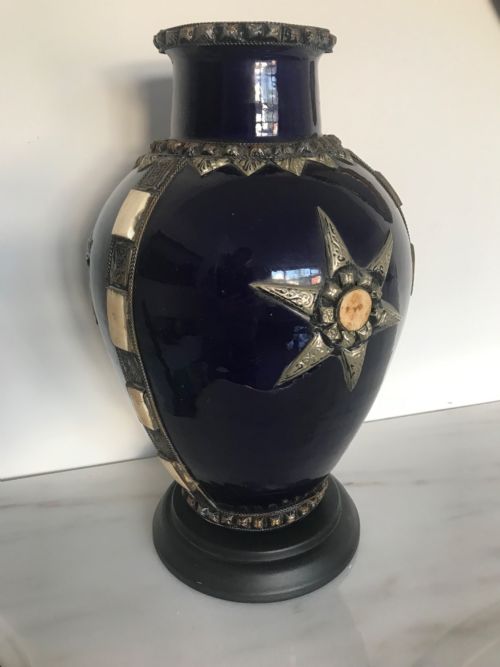
Many pieces incorporate intricate surface decoration, utilising enamel, gold leaf, and raised moriage paste to build texture and contrast against the blue ground. Hand-painted motifs and silver mounts frequently complete the construction of these decorative vessels.
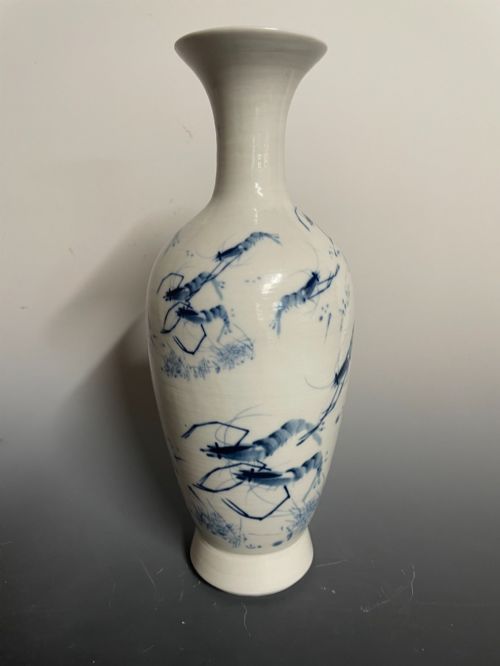
Listings feature periods from the 17th Century to Art Deco, encompassing Japanese Imari, Victorian stoneware, and Chinese blue and white porcelain.
What varies in quality
The distinction between standard production items and superior examples lies in the precision of the hand-painting and the depth of the glaze. Master decorators executed finer brushwork and more complex figural or landscape scenes, particularly evident in Satsuma and Imari works.
Structural complexity and the richness of secondary materials also dictate overall merit. Heavy gilding, intricate moulded reliefs, and signed workshop marks elevate individual pieces far above basic utilitarian pottery.
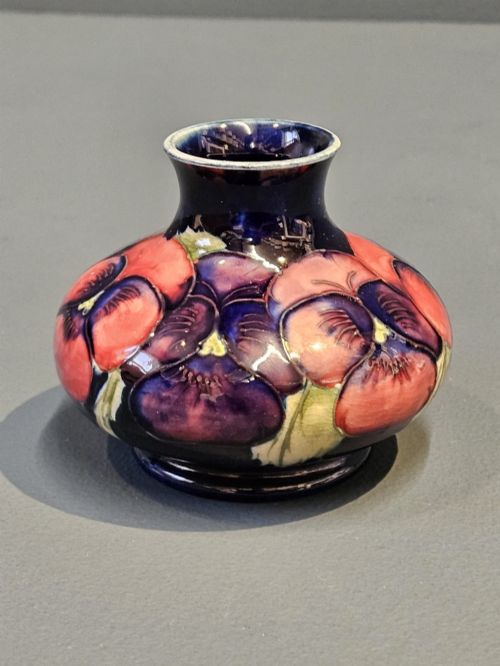
Fourmaintraux-Courquin·Doulton Lambeth·Moorcroft·Royal Crown Derby·Kinkozan·Nanzan
The Cobalt Blue Pottery Vase Glossary
- Imari
- A style of Japanese export porcelain characterised by a palette of cobalt blue, iron red, and gold. It was widely produced during the Meiji Period for Western markets.
- Satsuma
- A type of Japanese earthenware featuring a crackle-glaze ivory body heavily decorated with enamels and gilding. Pieces often depict court figures or dense landscapes.
- Moriage
- A decorative technique in Japanese ceramics where slip is piped onto the surface to create raised designs. This provides a tactile element beneath the glaze and gold leaf.
- Faience
- European tin-glazed earthenware decorated with opaque metal oxide glazes. It often mimics the appearance of fine porcelain.
- Ewer
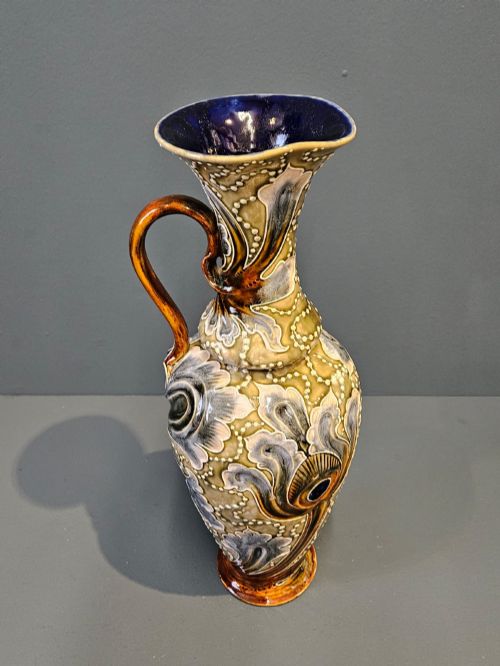
- A large jug with a wide spout and handled body designed for pouring liquids. In decorative contexts, it functions primarily as an ornamental vessel.
Cobalt Blue Pottery Vase: Frequently Asked Questions
How do I identify a Meiji Period vase?
Meiji Period vases typically display precise hand-painted decoration, often combining cobalt grounds with extensive gilding and Japanese motifs. Many incorporate specific artist signatures or workshop seals on the base.
Examining the weight and the crackle texture of the glaze helps distinguish these nineteenth-century items from later reproductions.
Where were Doulton Lambeth vases made?
Doulton Lambeth vases originated from the famous London pottery works associated with the Arts and Crafts movement. Individual artists frequently signed their work, adding distinct character to the salt-glazed and stoneware bodies.
These pieces reflect late Victorian manufacturing techniques combined with hand-thrown artistic execution.
What is the difference between porcelain and earthenware?
Porcelain is a dense, vitrified ceramic fired at high temperatures until it becomes non-porous and sonorous. Earthenware uses a softer, more porous clay body that requires an impermeable glaze to hold liquids.
Both materials served as canvases for rich cobalt blue decoration across different historical periods.
How should I display a large ceramic vase?
Large vases require sturdy support on low tables or architectural pedestals where their full height and circumference remain visible. Positioning them away from high-traffic walkways protects fragile elements like raised moriage or silver mounts.
Natural light enhances the depth of the cobalt glaze without risking heat damage from direct sunlight.