


Victorian Pottery Urn
When you handle a victorian pottery urn, you hold pieces that span revivalist taste and studio innovation, shaped by nineteenth-century kilns.
Victorian Pottery Urn
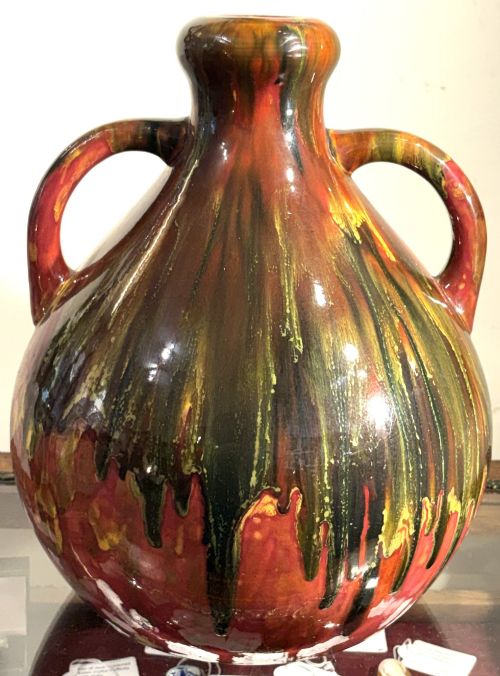
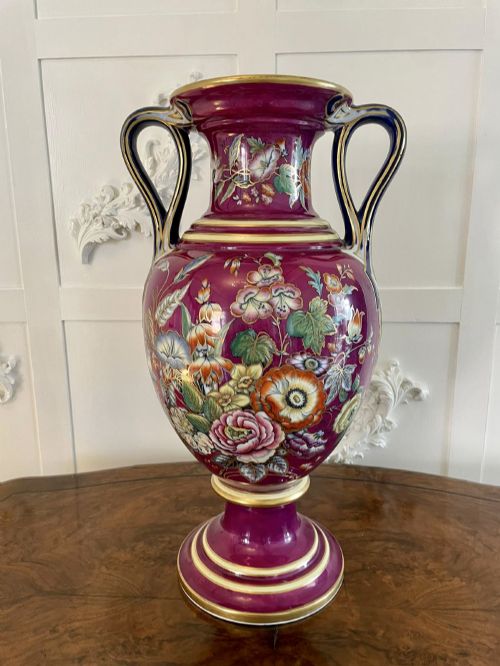
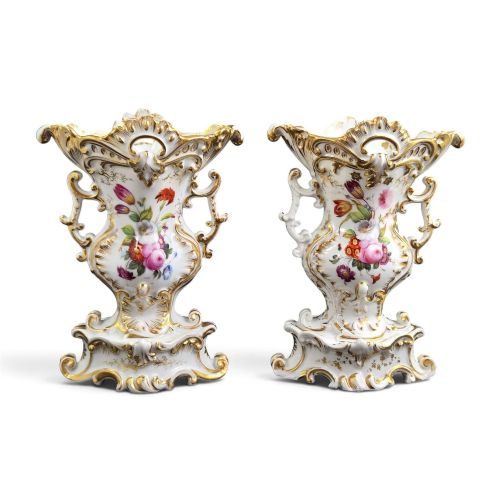
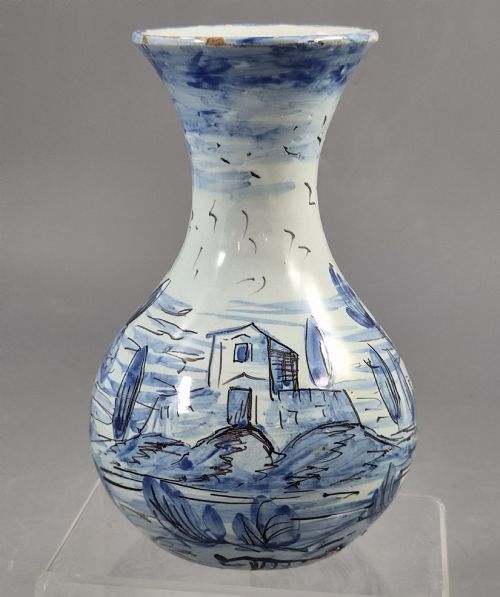
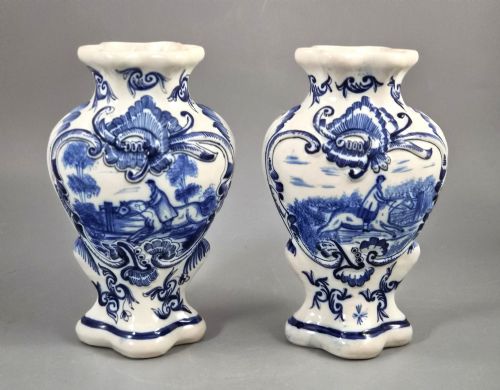
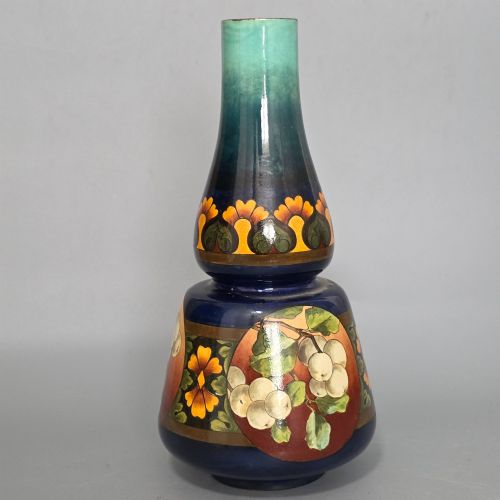
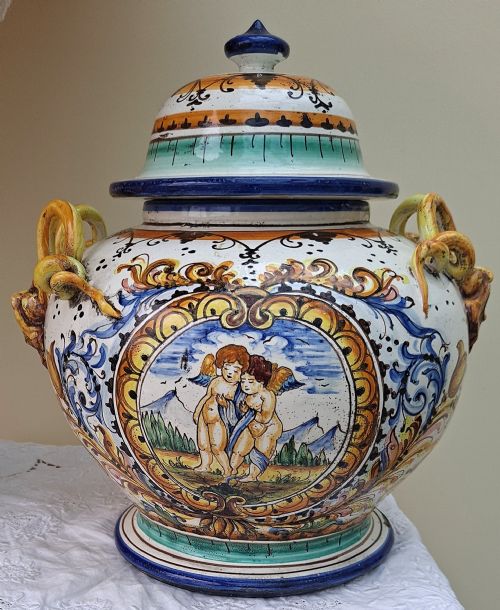
A victorian pottery urn encompasses decorative vessels, jardinieres, and cabinet vases produced across the nineteenth century and into the early twentieth. You will frequently encounter English salt-glazed wares, Continental maiolica, and studio earthenware on this page.
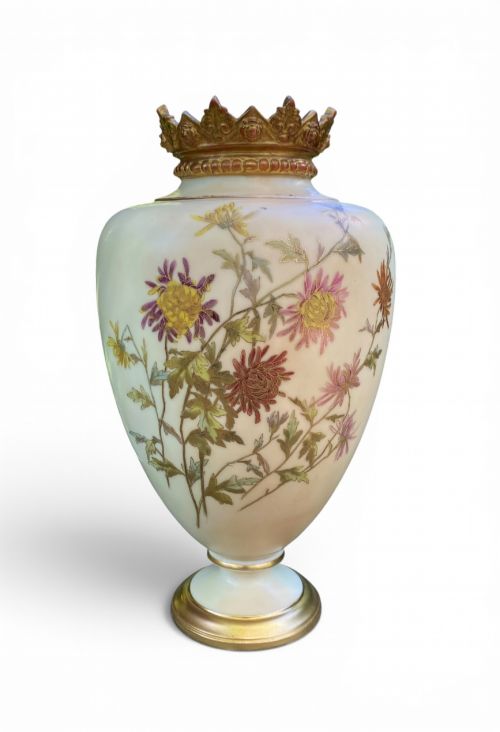
Makers ranged from large British factories like Doulton and Minton to European potteries and Japanese export studios. These items served primarily as ornamental centerpieces, mantel displays, or indoor plant holders for contemporary domestic interiors.
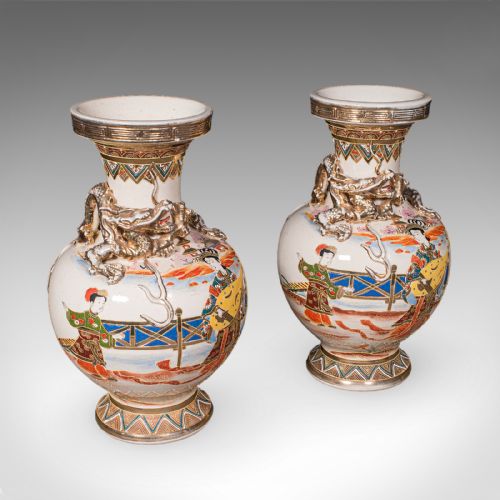
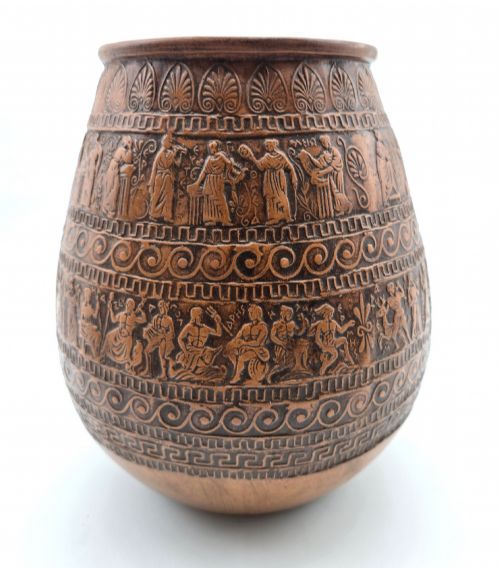
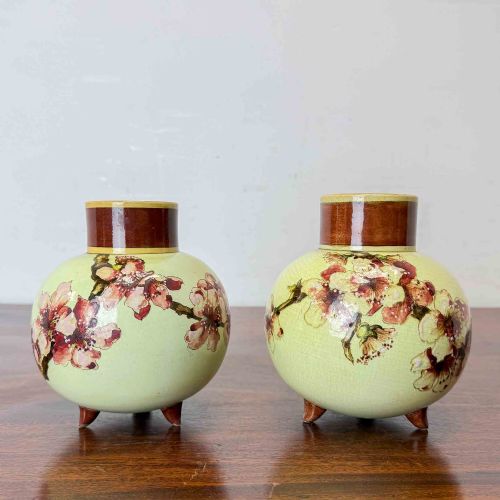
The forms draw heavily on historical revivals, incorporating classical terracotta shapes, Renaissance motifs, and Japanese Satsuma aesthetics. They reflect a period of immense experimentation in ceramic bodies, glazes, and surface decoration.
How they were made
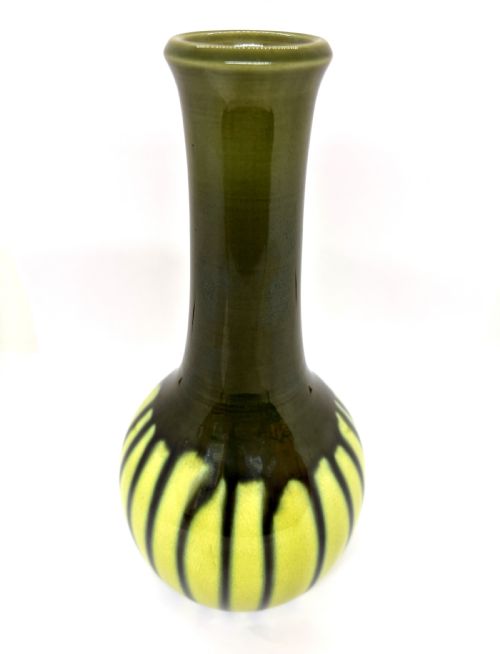
Potters utilised a range of ceramic bodies including earthenware, porcelain, ironstone, and heavy stoneware, often shaped by hand or cast in moulds before firing. Glazes were applied to achieve specific textures, running from high-gloss enamel and gilt highlights to tactile salt-glazes and metallic lustre.
Decoration relied on complex techniques such as slip-trailing, hand-painting with enamel colours, and impressed patterns like those found on Slaterware. Relief moulding brought classical figures, floral sprays, and grotesque motifs into sharp three-dimensional focus.
Listings feature earthenware, stoneware, porcelain, and terracotta across nineteenth-century styles.
What varies in quality
The distinction between standard commercial output and exceptional studio work lies in the crispness of the moulded relief and the control demonstrated during firing. Painted details, whether delicate floral sprays or Chinoiserie scenes, show greater nuance in superior examples.
The ambition of the form itself dictates worth, moving from simple utilitarian planters to monumental, twin-handled vases with complex glaze chemistry. Signature work by known studio artists or established ceramic houses elevates the standing of individual pieces.
Jacob Petit·Burmantoft's Pottery·Doulton Lambeth·Royal Worcester·Minton·William Moorcroft·Clement Massier·Julius Dressler
The Victorian Pottery Urn Glossary
- Maiolica
- Tin-glazed earthenware decorated with colourful pigments on an opaque white background, popular in Renaissance revivals.
- Slaterware
- A Doulton technique where lace or fabrics were pressed into damp clay to create textured surfaces, often finished with gold and bronze highlights.
- Satsuma
- Japanese earthenware pottery featuring a crackle-glaze ivory body decorated with intricate enamels and gilt.
- Faience
- French tin-glazed earthenware produced by various factories across the nineteenth century.
- Jasper
- A fine-grained, unglazed stoneware developed by Wedgwood, typically featuring white classical reliefs against a coloured background.
- Lustre
- A type of ceramic glaze that imparts a metallic sheen through the reduction of metallic oxides during firing.
Victorian Pottery Urn: Frequently Asked Questions
What is a victorian pottery urn?
These objects are ceramic vessels produced during the nineteenth century for decorative display rather than utility. They include cabinet pieces, jardinieres, and heavy vases shaped by historical revival styles.
Potters drew on classical, Renaissance, and Japanese aesthetic traditions, applying diverse glaze methods like salt-glazing and majolica. They formed a central part of Victorian domestic ornamentation.
How do I identify a Victorian ceramic maker?
Makers usually marked their pieces with impressed stamps, painted monograms, or paper labels on the base. British factories like Doulton and Minton utilised distinct factory ciphers that changed across decades.
Individual artists working within larger potteries often added their own initials alongside the corporate mark. Consulting contemporary registry marks can help narrow down the year of production.
Were these urns used for plants?
Many larger vessels and jardinieres were specifically designed to house potted palms, ferns, and floral arrangements inside nineteenth-century parlours. Watertight ceramic bodies and heavy stoneware protected interior furniture from moisture.
Smaller urns and handled vases remained strictly decorative, displayed on mantelpieces, pedestals, or cabinets. Their primary role was to showcase wealth and artistic taste.
What distinguishes Majolica from earthenware?
Majolica specifically refers to pottery finished with an opaque tin-lead glaze that accepts bright, blended enamel colours during firing. Standard earthenware often relied on simpler transparent leads or salt-glazes.
Victorian majolica, popularised by makers like Minton, is particularly noted for its rich, saturated tones and heavy moulded relief work. It often depicts naturalistic, mythological, or classical subjects.