
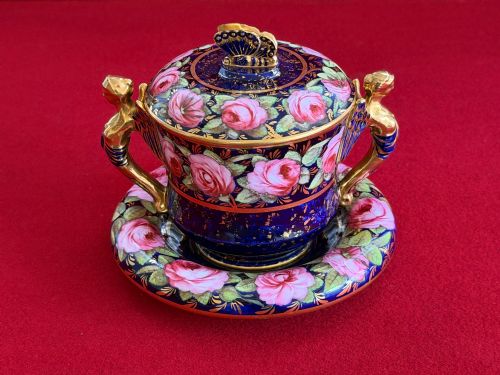
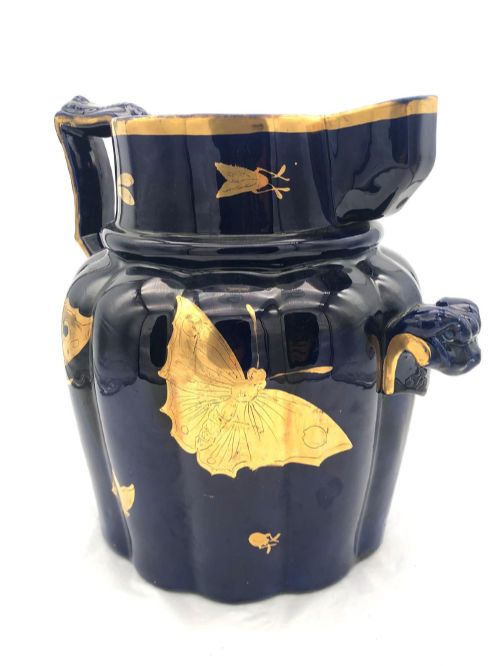
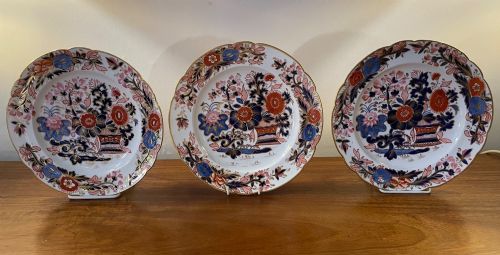
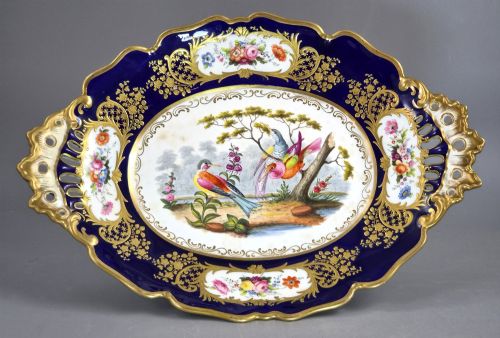
Cobalt Blue Gilt Ceramic
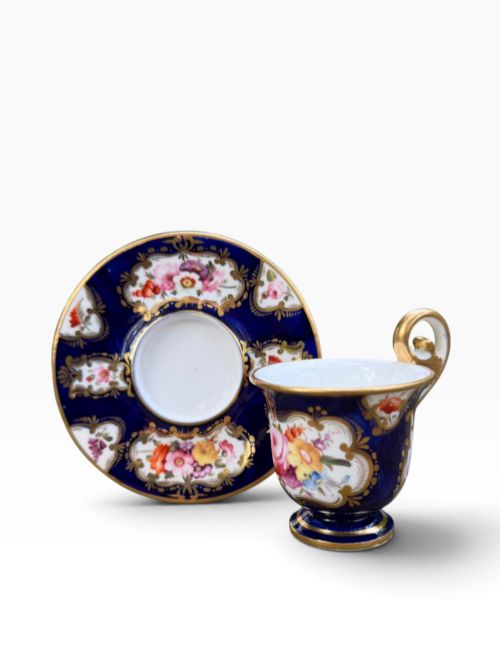
Cobalt blue gilt ceramic items combine deep blue glazes with applied gold leaf to create striking historic tableware and display pieces.
Cobalt Blue Gilt Ceramic
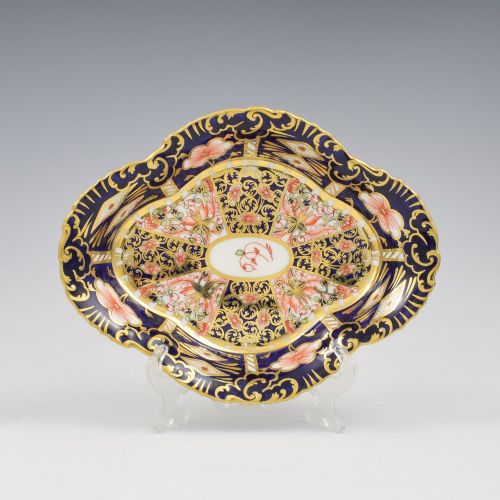
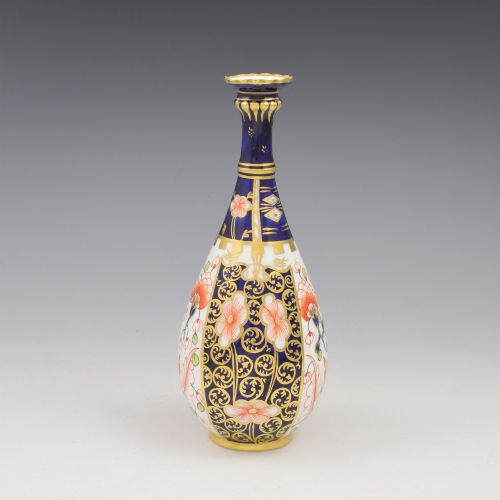
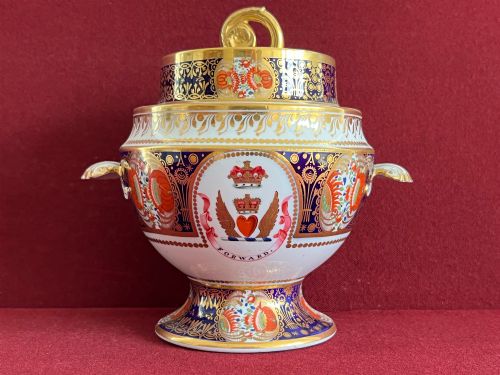
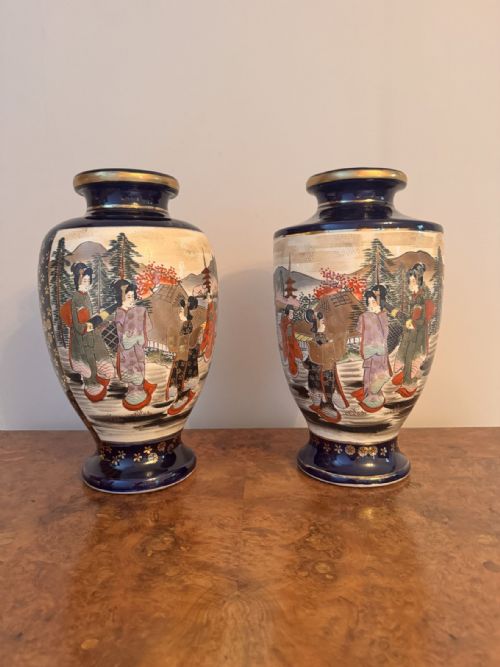
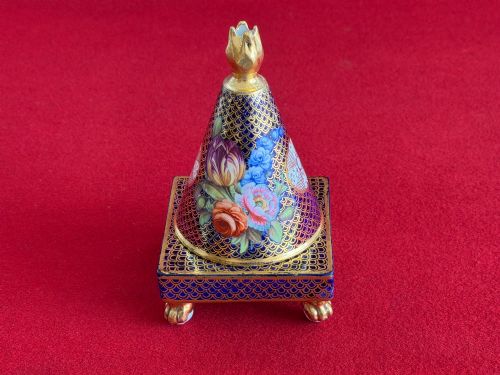
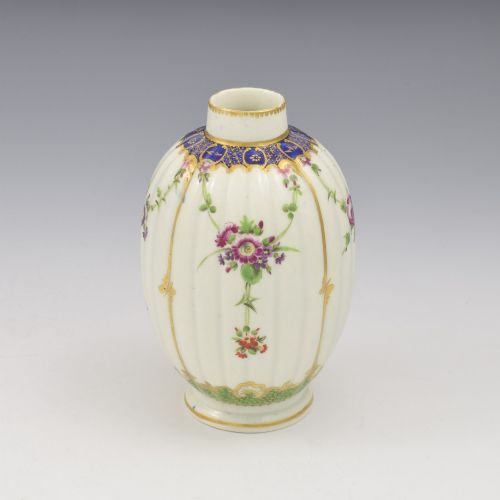
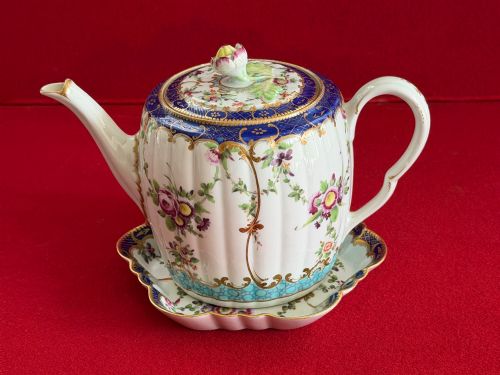
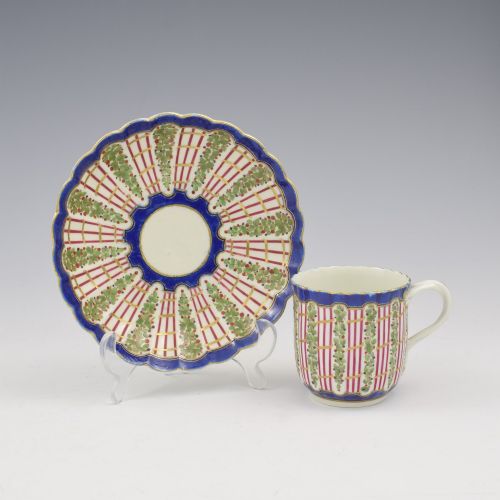
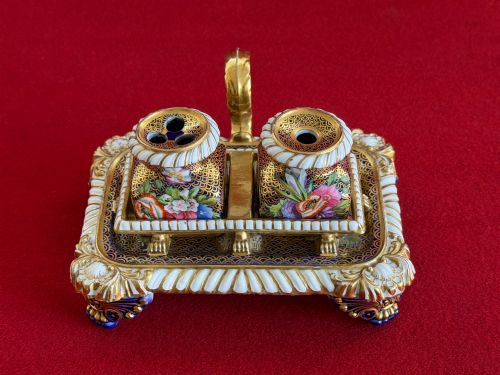
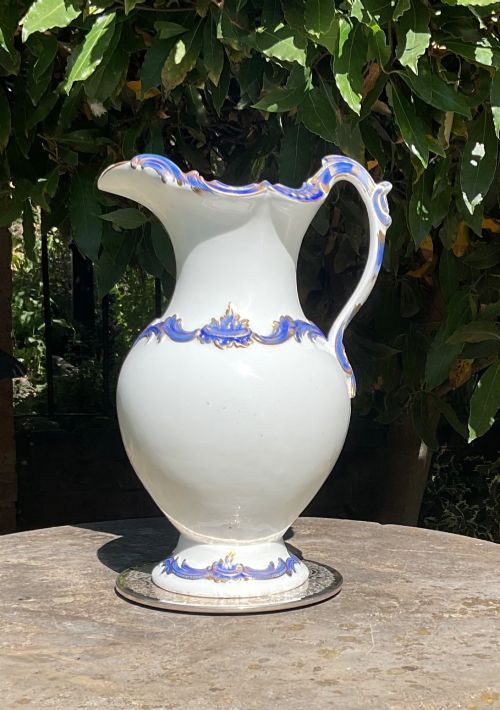
Cobalt blue gilt ceramic items span centuries of porcelain, bone china, ironstone, and earthenware production. Buyers searching for cobalt blue gilt ceramic will encounter forms ranging from cabinet plates and vases to teapots, jugs, and inkstands.
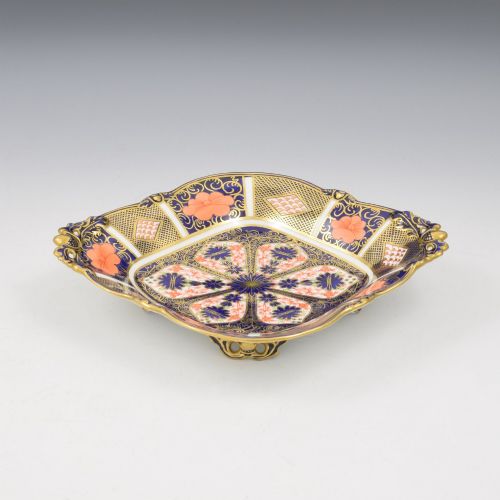
The selection includes English works from factories like Worcester, Spode, Coalport, and Derby alongside French Limoges pieces and Japanese Imari or Satsuma wares. These objects often display rich blue grounds paired with elaborate gilding and enamel painting.
Vessels on this page cover periods from the eighteenth century through the Georgian, Regency, and Victorian eras up to the early twentieth century. Most examples serve decorative display functions or originate from formal tea and dinner services.
How they were made
Potters applied cobalt oxide under or over the glaze to achieve the characteristic deep blue coloration before firing the ceramic body. Artisans then added gold leaf, gilding, or gilt detailing by hand, often returning pieces to the kiln to fix the metallic decoration.
Many items incorporate enamel paints alongside the blue and gold elements, drawing on traditions such as Japanese Imari palettes or European floral and bird motifs. Ironstone and bone china provided sturdy bodies for heavy enamel and gilt work, while fine porcelain suited delicate cabinet cups and vases.
Listings feature porcelain, ironstone, and earthenware objects decorated with enamel and gold leaf across eighteenth, nineteenth, and early twentieth-century periods.
What varies in quality
The precision of the hand-painted details and the crispness of the gilt work distinguish finer items from standard production pieces. Superior examples exhibit finely executed gilding, complex hand-painted scenes, and well-balanced forms.
The reputation of the manufactory and the skill of the individual decorator also influence the standing of an object. Pieces bearing recognised workshop patterns or artist signatures demonstrate a higher level of craftsmanship.
Spode·Coalport·Mason's Ironstone·Royal Crown Derby·Royal Worcester·Chamberlain Worcester·John Davenport·Kinkozan·Royal Doulton
The Cobalt Blue Gilt Ceramic Glossary
- Gilding
- The application of gold leaf or powdered gold to the surface of ceramics. This technique highlights rims, handles, and painted panels.
- Cobalt blue
- A deep blue mineral pigment applied under or over the glaze. It maintains its intense hue through high-temperature kiln firings.
- Ironstone
- A heavy, durable type of earthenware patented in the nineteenth century. It offered a strong alternative to porcelain for large jugs and bowls.
- Imari palette
- A decorative scheme utilising cobalt blue, iron red, and gold. It draws inspiration from traditional Japanese export wares.
- Cabinet plate
- A decorative ceramic plate intended for display in a cabinet rather than for dining use. These pieces often feature elaborate painted scenes and rich gilding.
Cobalt Blue Gilt Ceramic: Frequently Asked Questions
What are cobalt blue gilt ceramics?
These objects are historic ceramic pieces featuring deep blue glazes combined with hand-applied gold leaf or gilt detailing.
They encompass a wide variety of functional and decorative forms created by European and Asian potteries over several centuries.
How were these ceramics used originally?
Many items served practical functions in wealthy households, from pouring tea and holding water to serving food at formal dinners.
Other pieces, such as cabinet plates and decorative vases, were designed primarily for display in drawing rooms and parlours.
How do I care for gilt ceramics?
These pieces require gentle handling and should be washed by hand using mild soap and lukewarm water.
Harsh detergents, abrasive sponges, and dishwashers will damage the delicate gold leaf and enamel over time.
How can I tell the period of a piece?
Makers' marks, factory stamps, and pattern numbers stamped or painted on the base provide the most reliable guide to a piece's origin and date.
Stylistic indicators, such as Regency shapes or Victorian enamel colours, also help narrow down the manufacturing era.