


Antique Derby Porcelain Bowl
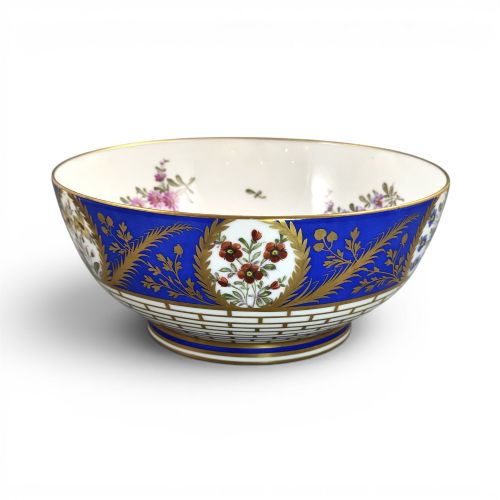
An antique derby porcelain bowl brings eighteenth-century kiln work to the table, offering collectors delicate handpainted botanicals and rich gilt handles.
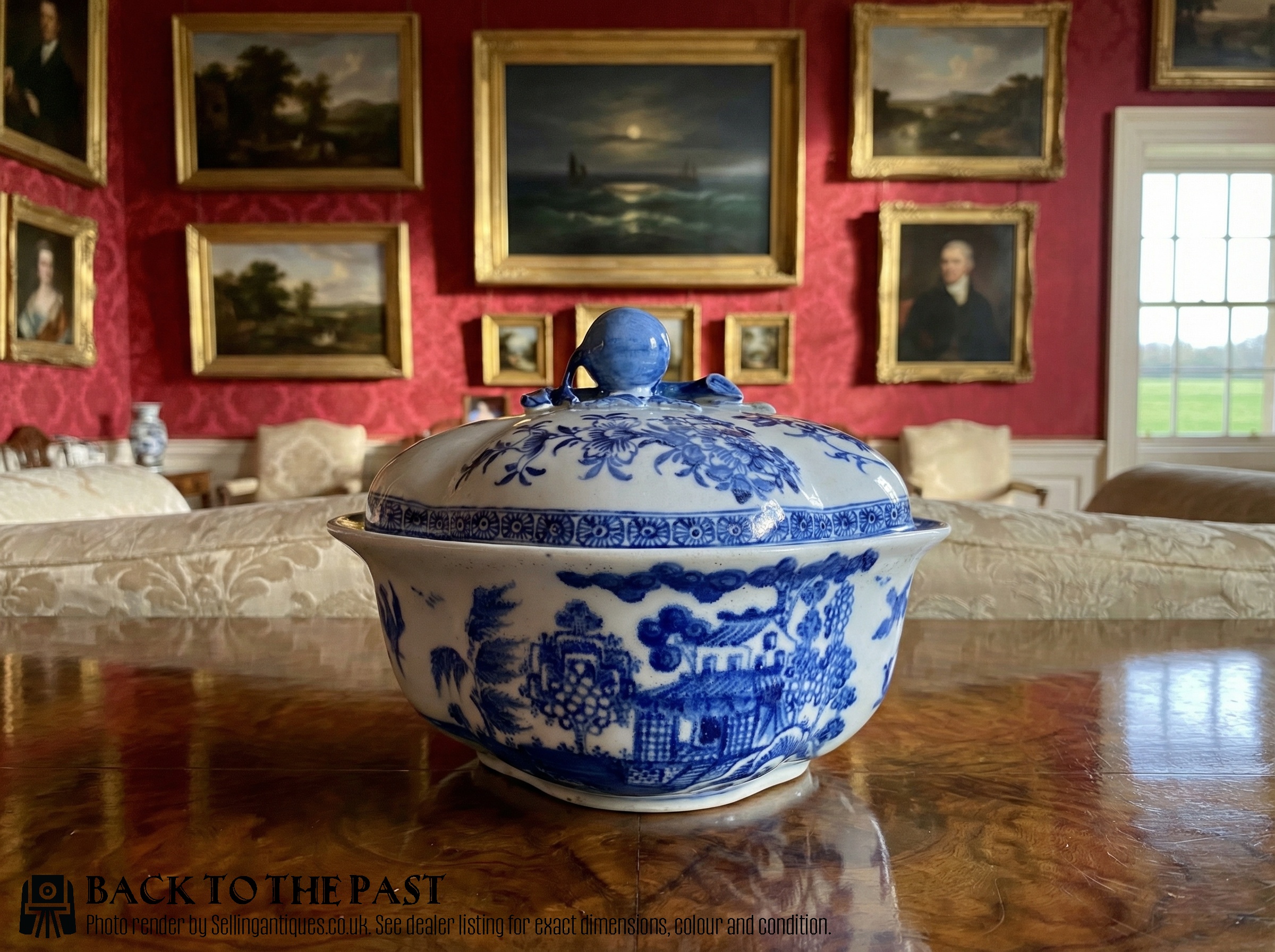
Antique Derby Porcelain Bowl
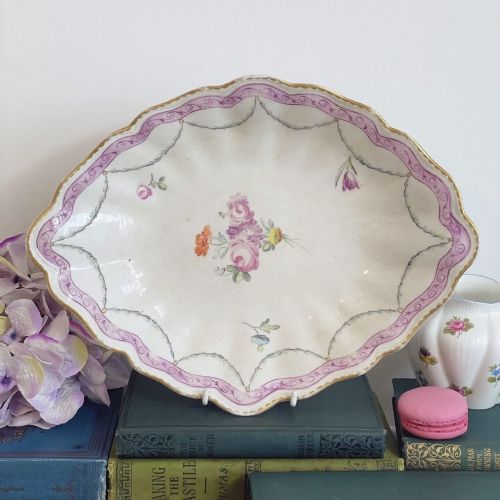
When searching for an antique derby porcelain bowl, buyers encounter pieces spanning the eighteenth and nineteenth centuries, including Georgian cabinet items and later Victorian revivals. These vessels range from functional sugar basins and serving dishes to footed cabinet bowls decorated with handpainted polychrome flowers and titled landscapes.
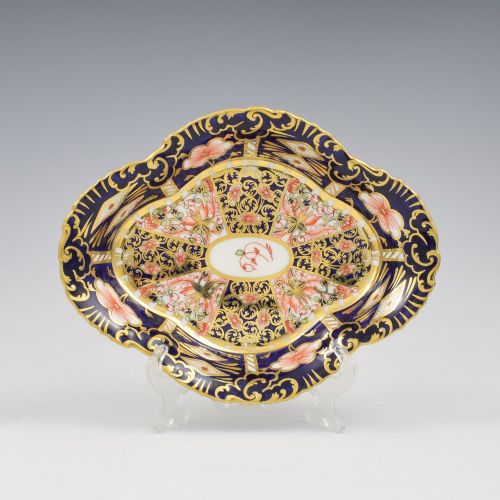
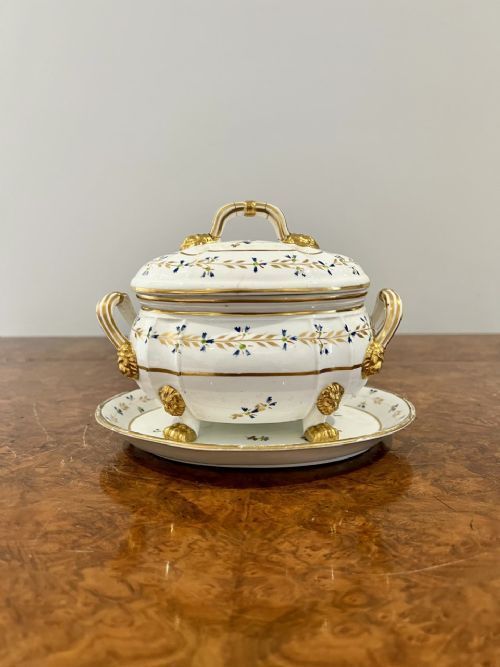
The pieces on this page originate from distinct eras of production, from eighteenth-century soft-paste works to later bone china and nineteenth-century Imari patterns. Alongside standard bowls, the evidence shows related forms such as tureens, wine tasters, and baskets, reflecting the diverse output of the manufactory and its subsequent revivals.
Buyers are most likely to meet Georgian examples with blue marks or early nineteenth-century Crown Derby output, alongside nineteenth-century interpretations in the Chelsea-Derby style. These items capture the changing aesthetic tastes from rococo flourishes to regency and Victorian revival designs.
How they were made
Makers utilised porcelain and soft-paste porcelain as the primary body for these vessels, shaped into bowls, tureens, and baskets before firing. Potters then applied enamel colours and gold leaf to highlight the moulded contours and painted scenes.
Decoration relied on handpainted polychrome pigments and blue marks, often complemented by gilt detailing and gold leaf accents. Skilled artisans painted detailed landscapes and floral sprays directly onto the glazed surface before secondary firing.
Listings span the eighteenth and nineteenth centuries, featuring materials such as porcelain, soft-paste porcelain, bone china, gold leaf, and enamel across various bowl and tureen forms.
What varies in quality
The standard of painting sets the finest pieces apart from simpler output, particularly in the precision of handpainted polychrome flowers and titled landscapes. Crispness of form in moulded elements like handles and footed bases also indicates superior workshop output.
The application of gold leaf and enamel work reveals the skill of the decorator, with denser gilding and careful brushwork marking out high-status commissions such as service pieces. Condition of the soft-paste porcelain body and clarity of the underglaze marks complete the assessment of grade.
The Antique Derby Porcelain Bowl Glossary
- Soft-paste porcelain
- A glassy ceramic material fired at lower temperatures than hard-paste, common in early eighteenth-century pieces. It provides a warm, slightly creamy background for enamel painting.
- Imari
- A decorative style featuring rich underglaze blue and iron red, heavily augmented with gold leaf. This palette became popular during the Victorian period for Derby and Crown Derby wares.
- Polychrome
- Multi-coloured painting executed by hand on the ceramic surface. This technique allowed artists to render naturalistic flowers and landscape scenes.
- Gilt
- Application of gold or gold leaf to ceramic surfaces, highlighting rims, handles, and raised moulded details. Its preservation often reflects the handling a vessel received.
- Tureen
- A deep covered serving vessel for soups or sauces, appearing alongside bowls in early factory output. These pieces matched the decorative schemes of tea and dessert services.
Antique Derby Porcelain Bowl: Frequently Asked Questions
How do I date an antique derby porcelain bowl?
Dating relies on examining the marks underneath, the ceramic body, and the decorative style. Eighteenth-century pieces often utilise soft-paste porcelain and handpainted blue marks, while later nineteenth-century items display bone china bodies and Victorian Imari patterns.
Changes in painting technique and stylistic influences, such as Georgian rococo or Victorian revival, further narrow down the decade of production.
What is the difference between Derby and Crown Derby?
Derby refers to the historic eighteenth-century manufactory producing soft-paste porcelain and early cabinet pieces. Crown Derby designates later output, particularly after royal warrants permitted the use of the crown mark.
Pieces from the later periods frequently incorporate bone china and distinct nineteenth-century aesthetic styles like Victorian Imari.
How were these bowls used historically?
These vessels served various functions at the dining table, ranging from sugar bowls and serving dishes to decorative cabinet bowls displayed in drawing rooms. Specialised forms like wine tasters and chestnut baskets fulfilled specific dining rituals.
Wealthy households utilised matching services for tea and dessert, incorporating painted landscapes and floral motifs to impress guests.
Can I use an antique derby porcelain bowl daily?
Most antique bowls, particularly eighteenth-century soft-paste or cabinet pieces with delicate gold leaf, are best suited for display rather than daily dining. Handwashing in lukewarm water without harsh detergents protects the enamel and gilding.
Heavier Victorian bone china pieces are more robust, but careful handling remains essential to preserve the handpainted decoration.