


Blue and Gold Bowl
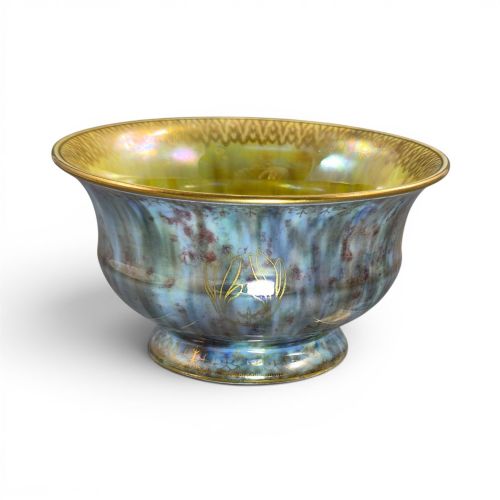
A blue and gold bowl offers a striking union of rich cobalt and lustrous gilding, drawing the eye instantly in any interior scheme.
Blue and Gold Bowl
A blue and gold bowl encompasses ceramic vessels and decorative dishes finished in deep blue pigments and metallic gold details. These items emerge across various periods, including Georgian, Regency, Edwardian, and the early twentieth century.
Collectors frequently encounter porcelain cabinet bowls, earthenware serving dishes, and intricate lustre wares within this category. Makers such as Wedgwood, Coalport, and Doulton Burslem produced notable examples utilising cobalt grounds and rich gilding.
How they were made
Potters shaped bodies from fine porcelain and earthenware before applying cobalt blue glazes or enamels to the surface. Artisans then introduced gold leaf, gilding, or lustre techniques to create metallic highlights.
Many pieces required multiple firings in kilns to fix the vibrant blue tones and secure the delicate gold decoration without blemishes.
The listings feature porcelain, earthenware, and gilt vessels spanning the Georgian, Regency, Edwardian, and mid-twentieth-century periods.
What varies in quality
The precision of the hand-painted detailing and the depth of the cobalt glaze determine the standing of an individual piece. Finer examples display crisp application of gold leaf or lustre without blurring.
The reputation of the manufactory and the complexity of the design, such as intricate dragon motifs or landscape scenes, further elevate the standard of the vessel.
Wedgwood·Doulton Burslem·Coalport·Kinkozan Kyoto·Royal Worcester·Flight Barr And Barr
The Blue and Gold Bowl Glossary
- Cobalt blue
- A deep, stable blue pigment derived from cobalt oxide, frequently used as an underglaze colour on ceramics. It withstands high kiln temperatures without losing its intensity.
- Lustre
- A type of ceramic glaze that imparts a metallic sheen through the reduction of metal oxides during firing. This technique creates an iridescent surface finish.
- Gilding
- The application of gold leaf or gold powder to the surface of porcelain, earthenware, or metal objects. It adds ornamental richness to the design.
- Cabinet bowl
- A decorative ceramic vessel intended for display within a cabinet rather than for functional use at table. These pieces often feature detailed hand-painted scenes.
- Mon
- A Japanese badge or crest used to indicate family lineage or clan affiliation, frequently found on Satsuma pottery. These emblems appear rendered in gold alongside intricate painted narratives.
Blue and Gold Bowl: Frequently Asked Questions
How do I clean a lustre bowl?
Dust these delicate ceramic pieces gently with a soft, dry brush to preserve the fragile metallic surface.
Avoid immersion in water or chemical cleaning agents, as moisture can damage historic lustre and gilding.
Are these bowls suitable for serving food?
Most antique decorative bowls function primarily as display pieces rather than tableware.
Historic glazes and gold applications may wear down or contain materials unsuited for modern culinary use.
How do I identify the period of a ceramic piece?
Examine the maker marks stamped or painted on the underside of the vessel for clues to its origin.
Stylistic indicators such as Edwardian lustre designs or Georgian painted landscapes also help date the work.
What is Satsuma pottery?
Satsuma represents a distinct type of Japanese earthenware featuring a crackle-glaze ivory body decorated with polychrome and gold.
Kyoto workshops produced elaborate examples destined for Western export during the nineteenth and early twentieth centuries.