


Gilt Porcelain Cabinet Bowl
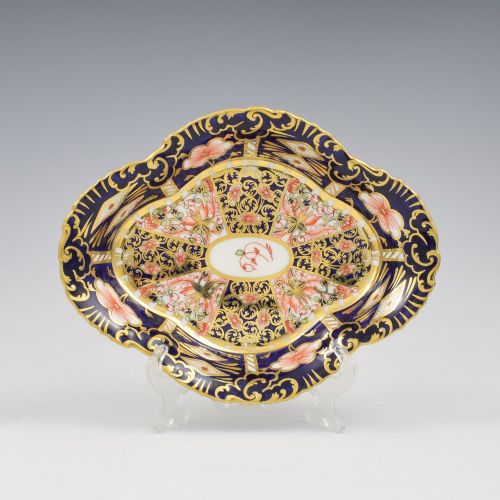
A gilt porcelain cabinet bowl is a fine decorative display piece bringing rich gilding and painted scenes into a room.
Gilt Porcelain Cabinet Bowl
When you search for a gilt porcelain cabinet bowl, you encounter finely decorated ceramic dishes, plates, and bowls intended for display rather than everyday dining. These items emerge from various periods including the Georgian era, the Victorian period, and the early twentieth century.
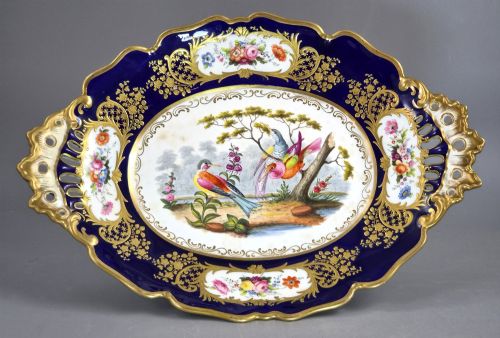
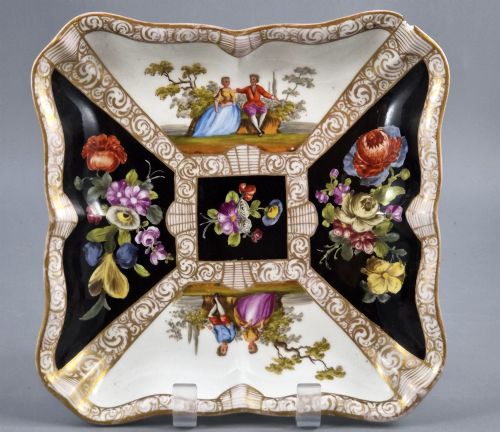
The selections available here range from square dishes and oval dishes to soup dishes and decorative bowls. Makers from England and Germany produced these pieces, often featuring elaborate hand-painted landscapes, birds, or botanical studies.
You are most likely to meet Victorian and Edwardian examples featuring traditional English or Rococo Revival styling. These pieces showcase the intricate artistry of factories such as Royal Doulton, Royal Worcester, and Derby.
Materials and technique
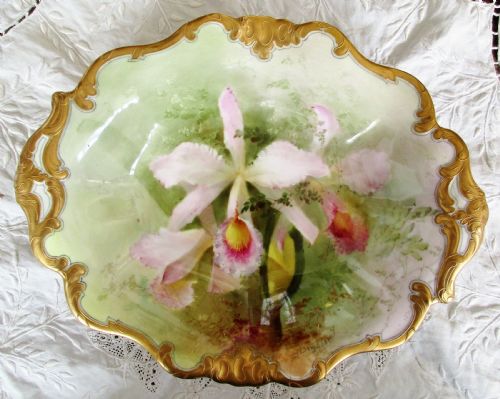
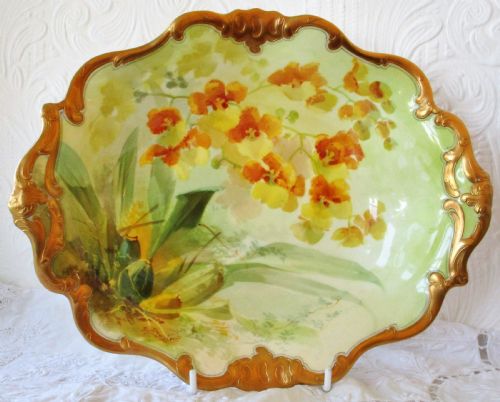
Potters shaped these cabinet items from fine porcelain, hard-paste porcelain, and bone china. Skilled artisans then applied detailed enamel paintings depicting birds, flowers, and Watteau scenes.
Craftsmen enriched the surfaces using gold leaf, gilding, and intricate gilt borders. This combination of ceramic body, coloured enamel, and applied gold defines the visual character of the pieces.
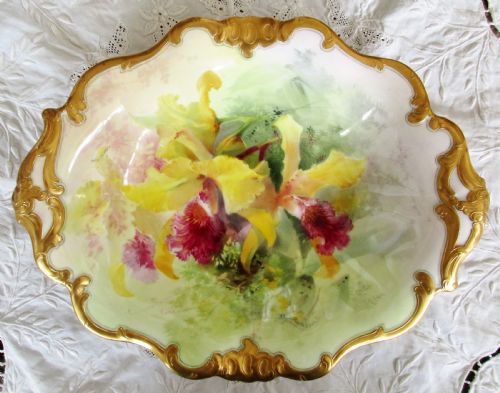
Several pieces feature meticulous paintings of orchids signed by David Dewsberry, bringing botanical precision straight to the drawing room.
Variations in quality
The standard of painting determines much of the distinction between pieces, particularly when artists rendered specific botanical studies or hand-painted landscapes. Signed works by known painters carry greater artistic weight.
The application of the gilding and the crispness of the porcelain moulding also separate standard production from finer cabinet wares. Well-preserved gold leaf and clear factory marks indicate superior manufacture.
Coalport·Meissen·Royal Doulton·Grainger and Co Royal Worcester·Derby
The Gilt Porcelain Cabinet Bowl Glossary
- Cabinet bowl
- A decorative ceramic vessel intended for display in a cabinet rather than functional use. These pieces typically feature ornate painted decoration and gilding.
- Hard-paste porcelain
- A durable ceramic material fired at high temperatures, composed of kaolin and petuntse. It provides a bright white base for enamel painting.
- Bone china
- A type of porcelain incorporating bone ash for added strength and translucency. English potteries utilised this material extensively.
- Rococo Revival
- A nineteenth-century style drawing on eighteenth-century Rococo motifs, characterised by asymmetrical scrolls, naturalistic floral elements, and rich gilding.
Gilt Porcelain Cabinet Bowl: Frequently Asked Questions
What is a gilt porcelain cabinet bowl?
A gilt porcelain cabinet bowl is a decorative ceramic vessel made for display in a cabinet or on a shelf. These pieces feature painted scenes and gold leaf decoration.
They emerged from European potteries during the Georgian, Victorian, and Edwardian periods as ornamental art objects.
How were cabinet bowls used?
These items served primarily as decorative objects within a home, displayed in glazed cabinets or on side tables. They were meant to showcase wealth, taste, and artistic refinement.
Unlike tableware, they were rarely used for serving food or drink during meals.
How do I identify the period?
You can determine the period by examining the factory marks on the underside of the porcelain. Stylistic clues such as Victorian Rococo Revival moulding or Edwardian botanical painting also indicate the date.
Comparing the paste and the style of the hand-painted decoration helps narrow down the era of manufacture.
How do I care for gilt porcelain?
Care for gilt porcelain by dusting it gently with a dry, soft cloth. Avoid using water, cleaning agents, or abrasive materials that might damage the delicate enamel and gold leaf.
Keep the pieces away from direct sunlight and areas prone to heavy handling to preserve the surface.