






Cobalt Blue Display Plate
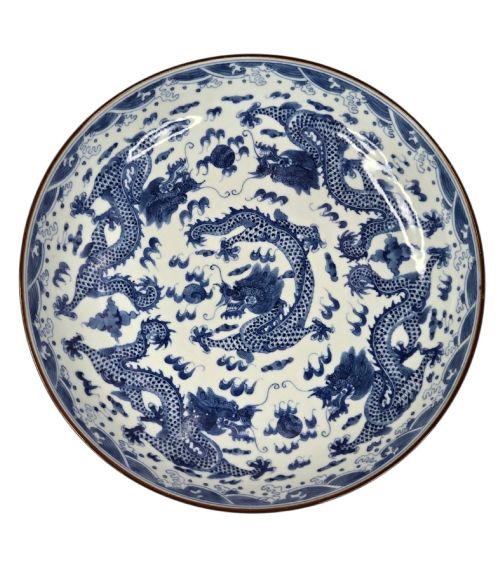
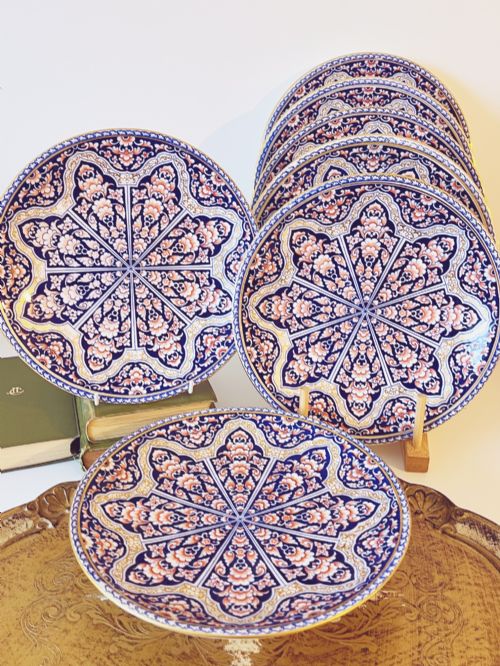
These pieces gather as a cobalt blue display plate collection, offering bold cobalt tones across porcelain, earthenware and ironstone for interior decoration.
Cobalt Blue Display Plate
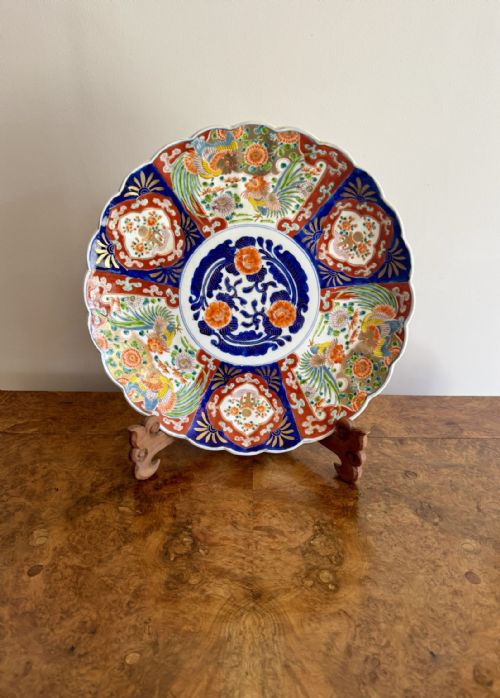
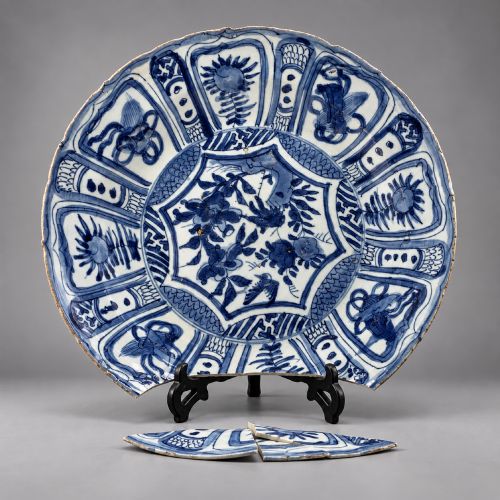
A cobalt blue display plate serves primarily for decorative exhibition rather than dining use. The selection spans wide chargers and cabinet plates from the eighteenth century through to the mid-twentieth century, originating from English potteries, European manufacturers and Japanese export kilns.
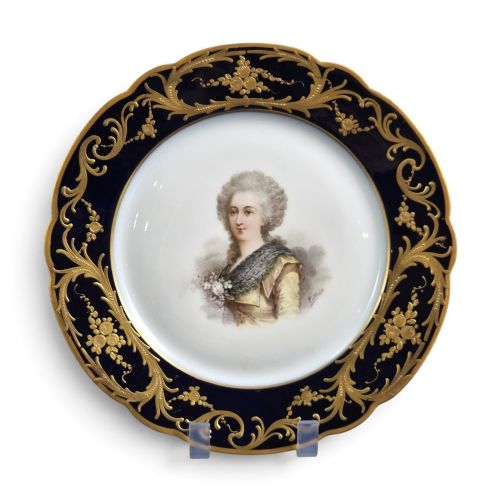
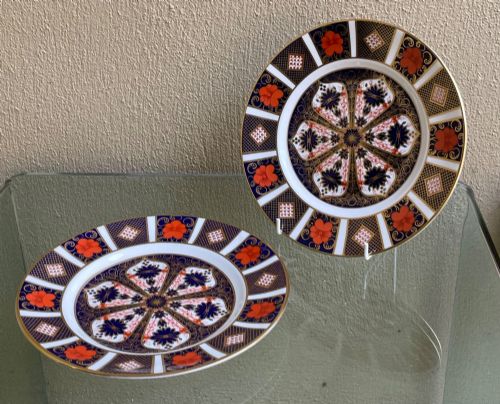
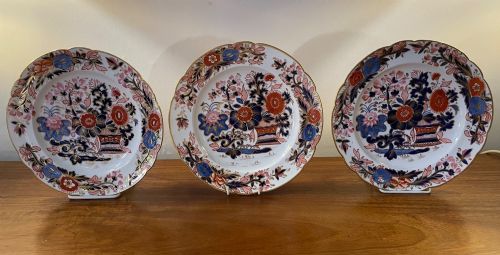
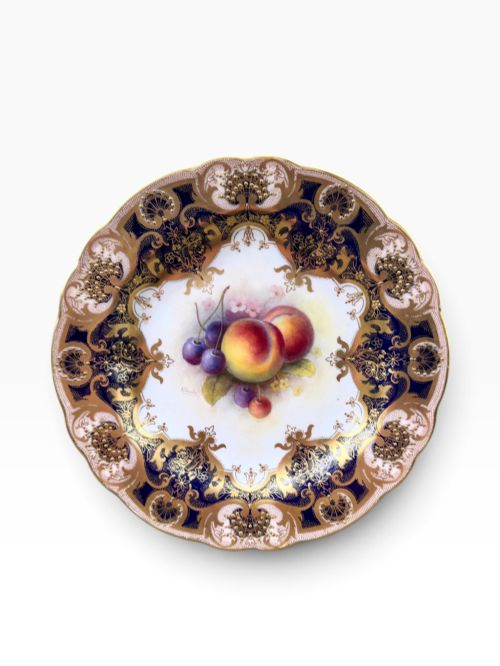
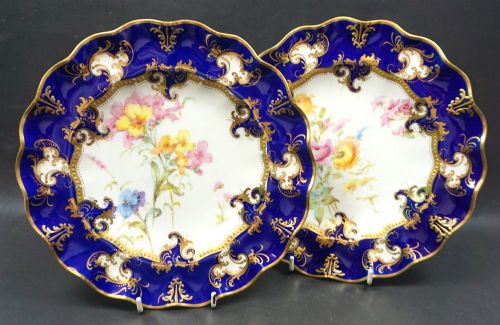
Japanese Imari pieces and English bone china cabinet plates dominate the selection. One meets everything from large scalloped Imari dishes to Royal Worcester fruit plates painted by notable artists.
How they were made
Potters shaped these items from porcelain, bone china, earthenware and ironstone, applying deep cobalt blue underglaze pigments before firing. Many surfaces receive additional decoration through enamel, gilding and applied gold leaf.
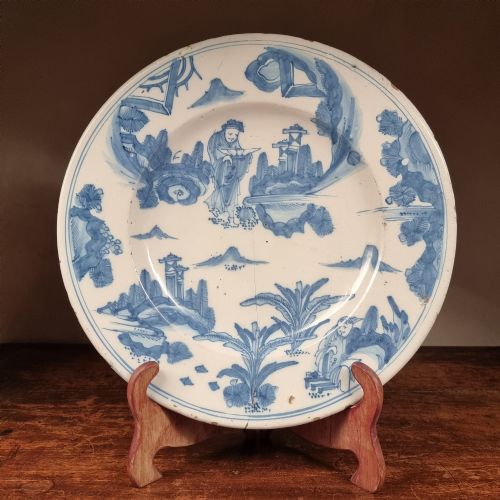
Traditional kiln firing fixed the intricate Japanese Imari palettes and Dutch Delft designs, whilst later English works combined hand-painted botanical or fruit subjects with rich gilded borders.
Materials range from simple earthenware and ironstone through to fine bone china, porcelain and gleaming gold leaf.
What varies in quality
Excellence rests in the crispness of the cobalt painting and the precision of the overglaze enamel work. Pieces featuring signed hand-painted artistry show superior craftsmanship compared to standard transfer-printed wares.
The weight of the porcelain, the depth of the glaze and the preservation of the gold leaf or gilding determine the tier of each item. Form also plays a role, with hexagonal and scalloped edges demanding higher skill than standard round bodies.
Royal Crown Derby·Royal Worcester·Aynsley
The Cobalt Blue Display Plate Glossary
- Charger
- A large decorative plate or dish, typically exceeding twelve inches in diameter, designed for wall display or sideboard presentation.
- Imari
- A traditional Japanese style of porcelain decorated in underglaze blue, iron red, and gold, widely replicated by European factories.
- Cabinet Plate
- A fine decorative plate intended for display within a glass-fronted cabinet rather than everyday household use.
- Transferware
- Pottery decorated by applying a printed design from a copper plate onto the ceramic surface via tissue paper.
Cobalt Blue Display Plate: Frequently Asked Questions
How were chargers displayed historically?
Large chargers were traditionally stood upright on sideboards or hung upon dining room walls to showcase wealth and taste.
Their substantial size and rich cobalt patterns made them natural focal points for interior decoration.
What defines Japanese Imari?
Japanese Imari porcelain is recognised by its distinctive palette combining deep cobalt blue, rusty iron red and touches of gold leaf.
These pieces were produced in Arita for both domestic use and Western export from the seventeenth century onwards.
Can cabinet plates be hung safely?
Cabinet plates require specialist sprung wire hangers that grip the rim securely without causing friction damage to the glaze.
Displaying them on sturdy plate stands upon mantels or inside cabinets offers an alternative method of presentation.
How do I distinguish Delft from porcelain?
Delft is a tin-glazed earthenware showing an opaque white surface over a porous buff or pinkish clay body.
Porcelain and bone china feel harder, transmit light when held to a bulb and feature a vitreous, non-porous paste.