


Cobalt Blue Ceramic Vessel
A cobalt blue ceramic vessel gathers light through deep oxides, bringing centuries of kiln craft and trade to any room.
Cobalt Blue Ceramic Vessel
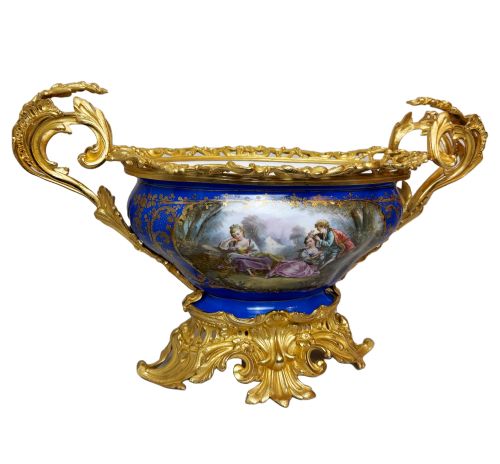
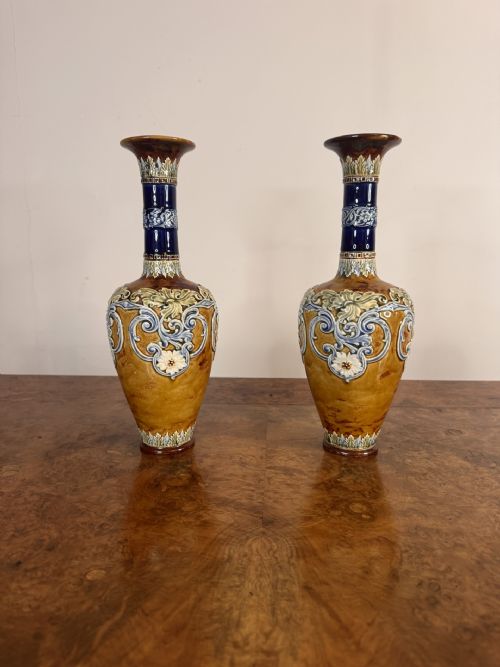
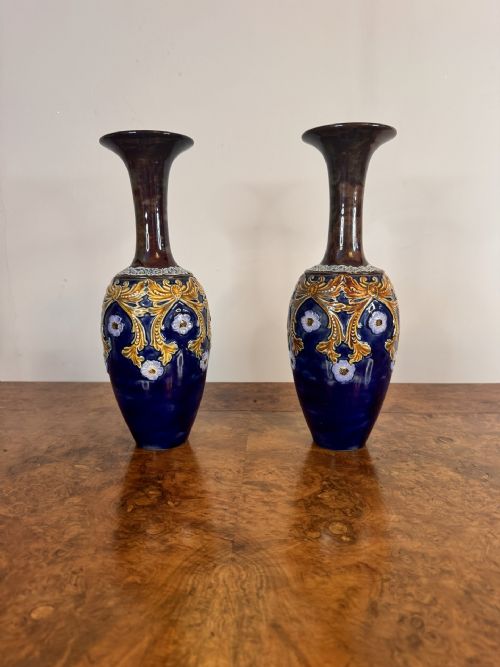
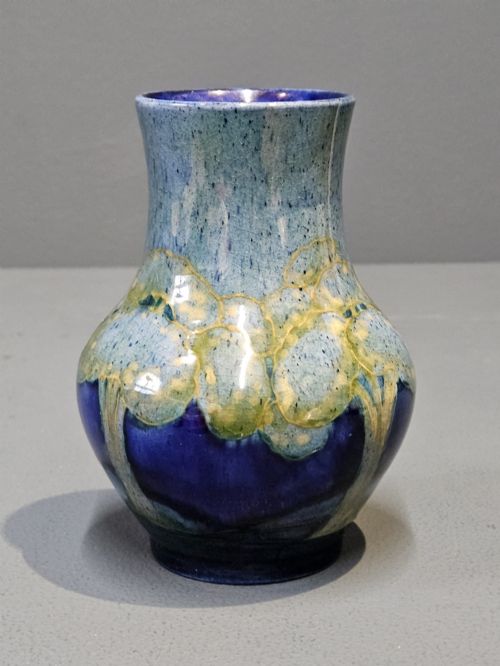
A cobalt blue ceramic vessel spans utilitarian jugs, apothecary jars, and grand floor vases made across Europe, Asia, and North Africa. These objects served as storage containers, ritual vessels, and decorative centerpieces in domestic and courtly settings.
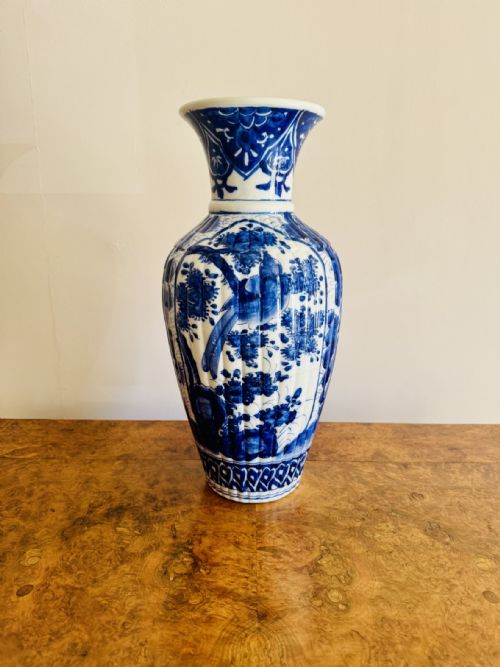
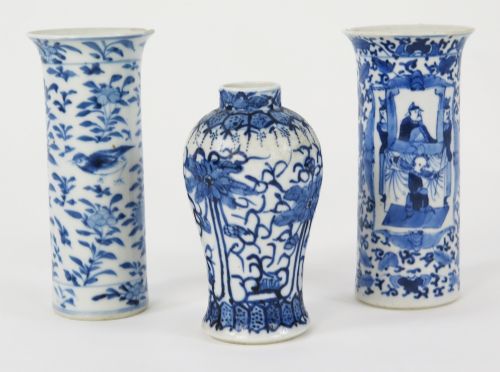
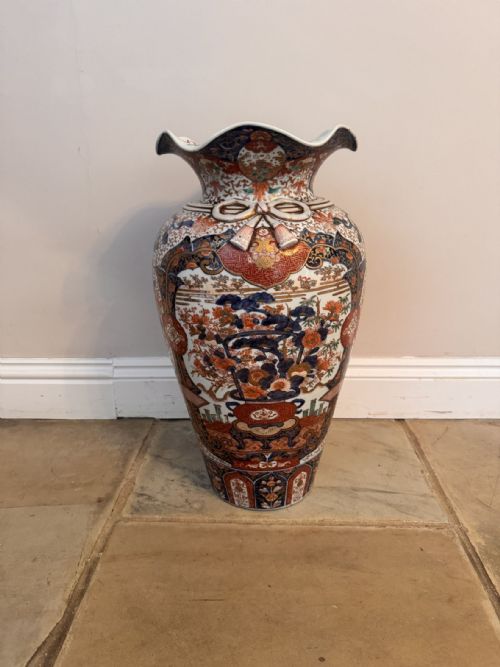
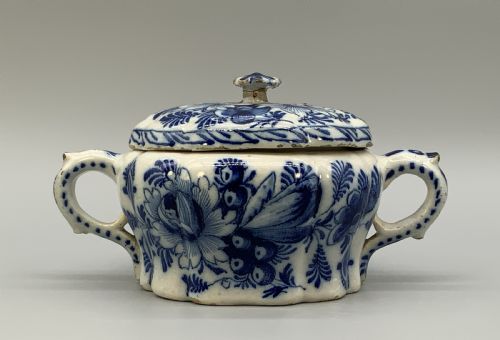
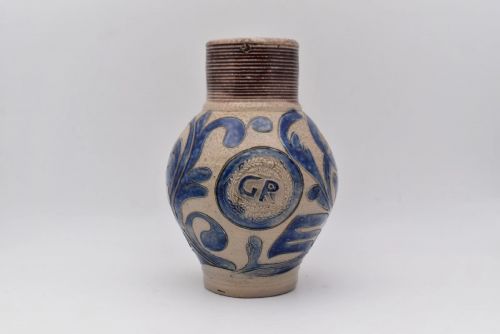
The selection here draws heavily on Japanese Imari porcelain, Chinese blue and white porcelain, English Delftware, and salt-glazed Westerwald stoneware. Buyers most frequently encounter small decorative vases, ginger jars, and tableware originating from the seventeenth to the early twentieth centuries.
How they were made
Potters shaped clay on the wheel or pressed it into moulds, utilising earthenware, stoneware, or fine porcelain bodies. Artisans applied cobalt oxide under the glaze before firing at high temperatures to achieve the signature blue coloration.
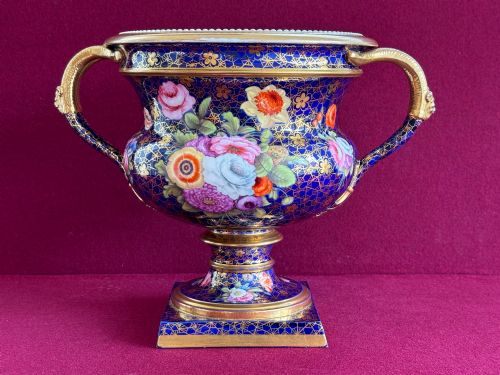
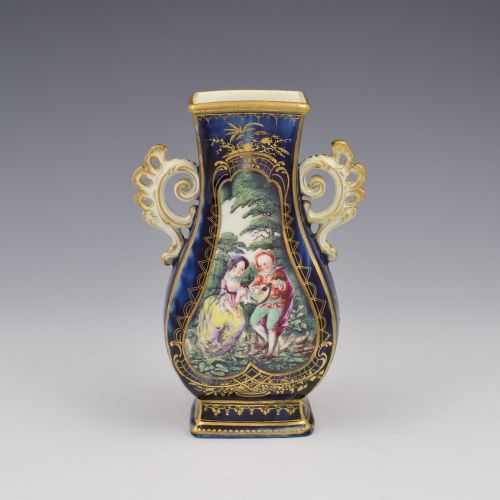
Many examples received secondary embellishments such as hand-applied enamel details, gold leaf accents, or metal mounts in silver. Glazing techniques varied from transparent salt glazes on heavy stoneware to opaque tin glazes on British and European faience.
Cobalt Blue Ceramic Vessel Retail Price Guide 2026
Typical asking prices for cobalt blue ceramic vessel among the pieces listed under this phrase on Sellingantiques today, from the lower quarter to the upper quarter. They describe what is for sale here now, not the wider market.
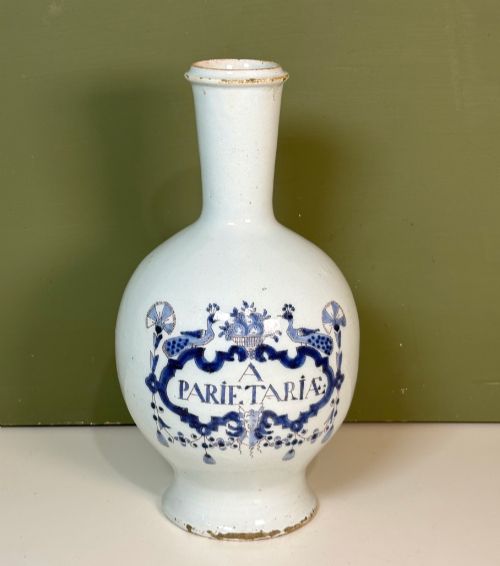
Some antique drug jars still bear abbreviated Latin inscriptions for medieval remedies, hinting at centuries of apothecary shelf life.
What varies in quality
Quality rests upon the crispness of the cobalt painting, the purity of the ceramic body, and the precision of the throwing or moulding. Superior examples exhibit fluid, confident brushwork and balanced proportions that reflect the skill of the master potter.
The depth and uniformity of the glaze contribute significantly to a piece's visual weight and tactile appeal. Maker marks, imperial seals, and well-preserved gilt highlights also elevate certain items within their historical category.
Doulton Lambeth·Royal Crown Derby·Kinkozan·Coalport·Carlton Ware
The Cobalt Blue Ceramic Vessel Glossary
- Cobalt glaze
- A metallic oxide pigment applied to ceramics that turns intense blue during high-temperature firing. It remains stable under intense heat, allowing for intricate painted details.
- Imari
- A style of Japanese export porcelain featuring deep underglaze blue combined with iron red, gold, and secondary colours. The aesthetic originated in Arita and gained immense popularity in European courts.
- Delftware
- European tin-glazed earthenware produced from the sixteenth century onward, heavily influenced by imported Chinese porcelain. Potters applied designs over an opaque white glaze before a final protective firing.
- Salt glaze
- A ceramic finish created by throwing common salt into the kiln during high-temperature firing, reacting with silica in the clay body to form a pitted, glossy texture.
- Meiping
- A traditional tall Chinese vase form characterised by a narrow neck, broad shoulders, and a tapering base originally designed for holding blooming plum branches.
- Posset pot
- A historical multi-handled vessel used for serving a spiced, curdled milk drink mixed with wine or ale during festive gatherings and celebrations.
Cobalt Blue Ceramic Vessel: Frequently Asked Questions
How were antique ceramic vessels used daily?
These vessels served practical domestic roles alongside their decorative functions, holding liquids, dry goods, or medicines in households and shops.
Larger forms stored provisions, while smaller pots and jars held precious commodities or displayed cut flowers on tables.
How do I care for antique glazed ceramics?
Display these pieces away from direct sunlight and areas subject to sudden temperature fluctuations that stress fragile historical bodies.
Dust gently with a dry, soft cloth and avoid abrasive cleaning agents that might damage delicate overglaze enamels or gold leaf.
How can I tell Japanese Imari from Chinese export porcelain?
Japanese Imari typically employs a denser, greyer clay body and a heavier palette incorporating iron red and generous gold leaf highlights.
Chinese blue and white porcelain generally focuses strictly on cobalt blue pigments beneath a clearer, whiter glaze layer.
What distinguishes salt-glazed stoneware from earthenware?
Salt-glazed stoneware fires at much higher temperatures until the clay vitrifies completely, rendering the vessel watertight and exceptionally durable.
Earthenware remains porous unless coated in an impermeable glaze, resulting in a heavier, sturdier wall structure typical of utilitarian German and English jugs.